
The drive from Jacksonville to Orlando is a popular route for many travelers, offering a journey from the historic charm of Northeast Florida to the vibrant, family-friendly entertainment capital of Central Florida. Whether you’re planning a quick weekend getaway, embarking on a grand theme park adventure, or simply looking to explore more of the Sunshine State, understanding the distance and travel time is crucial for efficient planning. This article delves into the specifics of this drive, offering insights into the distance, estimated travel times, the best routes, and what to expect along the way, all while keeping in mind the diverse travel preferences of our readers, from luxury seekers to budget-conscious families.
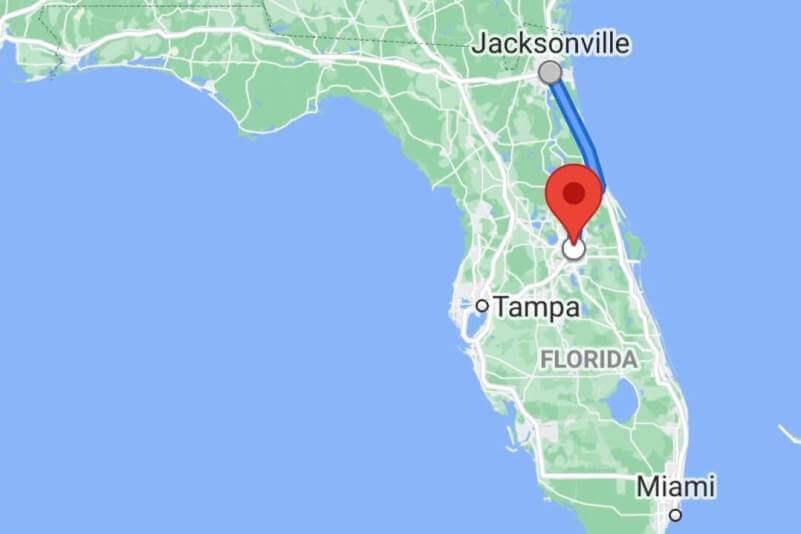
The primary question on many minds is straightforward: “How far is it?” The answer, while seemingly simple, can influence your entire trip. Knowing the mileage allows you to budget for fuel, estimate driving duration, and decide whether the trip is best undertaken by car, bus, or even a short flight. For those considering different modes of transport, the distance also helps in comparing costs and convenience. Orlando is a destination that beckons with its world-renowned theme parks like Walt Disney World Resort and Universal Orlando Resort, its burgeoning culinary scene, and a plethora of family-friendly attractions. Jacksonville, on the other hand, offers a rich history, beautiful beaches, and a thriving downtown area, making it a worthwhile starting point for any Florida exploration.
The Direct Route: I-95 South to Florida’s Turnpike
The most direct and commonly used route for traveling from Jacksonville to Orlando is primarily via Interstate 95 (I-95) South, followed by a transition to Florida’s Turnpike. This combination is generally the quickest and most straightforward option, especially for those who prioritize minimizing travel time.
Understanding the Distance and Estimated Drive Time
The driving distance between Jacksonville and Orlando is approximately 140 to 150 miles, depending on the specific starting and ending points within each city. On average, this journey takes about 2.5 to 3 hours of pure driving time. However, it’s crucial to factor in potential delays. Traffic can be a significant factor, especially during peak travel seasons, holidays, or if you’re driving through major metropolitan areas like Jacksonville itself or approaching Orlando during rush hour. Weather conditions, such as heavy rain or thunderstorms common in Florida, can also slow down your progress.
The driving experience along this route is largely characterized by well-maintained highways. I-95 South is a major interstate, offering multiple lanes and generally good driving conditions. As you head south from Jacksonville, you’ll pass through various landscapes, from coastal plains to more inland stretches. The transition to Florida’s Turnpike, often around the Wildwood area or slightly south depending on your exact route, marks a shift to a toll road. Florida’s Turnpike is known for its efficient traffic flow and fewer exits compared to I-95, making it a smooth ride. Tolls are a consideration for this route, so it’s advisable to have a SunPass transponder or be prepared to pay tolls by mail or online.
Navigating the Route: Key Intersections and Landmarks
Starting in Jacksonville, you’ll typically join I-95 South. As you drive, you’ll bypass smaller towns and cities. A significant point of reference on I-95 South is the area around Daytona Beach. While you won’t necessarily drive directly through the heart of Daytona Beach on the most direct route to Orlando, it’s a notable landmark in the general vicinity.
The crucial junction for most travelers heading to Orlando involves exiting I-95 South and merging onto Florida’s Turnpike South. The exact exit number can vary, but it’s generally well-signed. Once on the Turnpike, the drive becomes more focused on reaching Orlando. Exits for Orlando attractions, such as Walt Disney World and Universal Orlando Resort, are clearly marked. For those staying in downtown Orlando or other parts of the city, specific exits will lead you into the urban area.
Alternative Routes and Travel Considerations
While the I-95 South to Florida’s Turnpike route is the most common, other options exist, and several factors can influence your choice and overall travel experience. Considering these alternatives can be beneficial, especially if you’re looking for a slightly different pace, want to avoid tolls, or are interested in making stops along the way.
Scenic Detours and Stops Along the Way
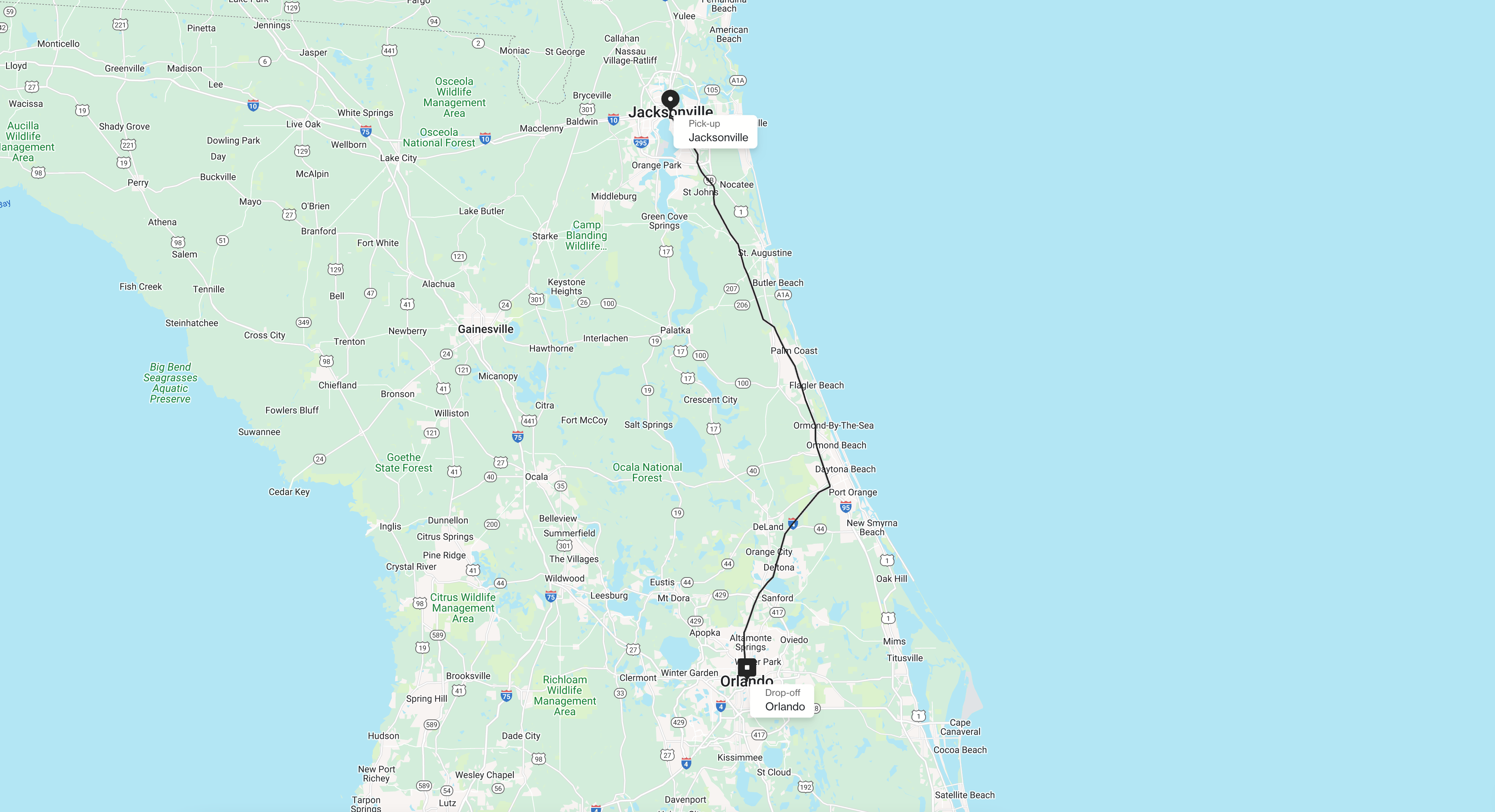
For travelers who enjoy making the most of their journey and see the drive as part of the experience, there are opportunities for scenic detours or stops. Instead of the direct Turnpike route, one could potentially stay on I-95 South for a longer duration and then take other state roads or highways towards Orlando. This might involve passing closer to the Atlantic coast or through different interior towns.
A popular intermediate stop that many travelers consider is St. Augustine, the oldest continuously inhabited European-established settlement in the United States. It’s located a short distance north of Jacksonville but can be easily incorporated into a trip heading south. However, to reach St. Augustine from Jacksonville and then proceed to Orlando, it would involve a slight detour from the most direct path. If you’re planning to visit landmarks like the Castillo de San Marcos National Monument or explore its historic streets, it would add significant time to your journey.
Another potential point of interest, though further south on I-95, is the Kennedy Space Center Visitor Complex near Titusville. While this is a considerable detour east from the Turnpike, it could be an appealing stop for space enthusiasts. For those sticking closer to the main route, smaller towns offer more modest dining and rest stop opportunities.
Choosing the Right Vehicle and Travel Style
The choice of vehicle and your overall travel style will significantly impact your journey. For families, a comfortable SUV or minivan might be ideal, providing ample space for luggage and passengers, especially if you’re heading to Orlando for a prolonged theme park vacation. Businesses traveling to Orlando for conferences or meetings might opt for a more fuel-efficient sedan, prioritizing speed and ease of parking.
For budget travelers, driving your own car is often the most economical option, allowing you to control food costs by packing snacks and meals. Alternatively, bus services operate between Jacksonville and Orlando, offering a more affordable, albeit typically longer, travel experience. Companies like Greyhound or FlixBus often have routes that connect these two cities, with various drop-off points in Orlando. This can be a great option for solo travelers or those who prefer not to drive.
Luxury travelers might consider private car services or even short flights, although direct flights between Jacksonville and Orlando are less common due to the relatively short driving distance. If flying is an option, you might look at flights from Jacksonville International Airport (JAX) to Orlando International Airport (MCO), though this often involves layovers and can be more expensive than driving.
Preparing for Your Trip: Tips for a Smooth Journey
A little preparation goes a long way in ensuring a smooth and enjoyable drive from Jacksonville to Orlando. Considering the length of the drive, potential weather, and the excitement of reaching a major tourist destination, having a plan can prevent unnecessary stress.
Essential Items and Roadside Assistance
Before you set off, ensure your vehicle is in good condition. Check tire pressure, oil levels, and fluid levels. A basic emergency kit, including jumper cables, a first-aid kit, and water, is always advisable. For families, entertainment for children is key – books, games, tablets, and travel pillows can make the journey much more pleasant.
It’s also wise to be aware of roadside assistance options. If you have an auto club membership like AAA, ensure your coverage is up-to-date. Many car insurance policies also offer roadside assistance as an add-on. Familiarizing yourself with the contact numbers for these services in advance can provide peace of mind. Downloading offline maps on your smartphone is also a good backup, as cell service can be spotty in some rural stretches.

Accommodation and Activities in Orlando
Upon arrival in Orlando, the possibilities for accommodation and activities are vast. Whether you’re looking for a luxurious resort experience, a family-friendly suite in a hotel near the theme parks, or even a long-term apartment rental, Orlando offers a wide array of choices. Websites that compare hotels can help you find deals on properties like the Grand Floridian Resort & Spa at Walt Disney World or the Hard Rock Hotel Orlando at Universal Orlando Resort.
For families, booking accommodation with amenities like pools, on-site dining, and shuttle services to attractions can greatly enhance the vacation. Consider staying in areas like Lake Buena Vista for proximity to Walt Disney World, or the Universal area for easy access to its parks. Beyond the major theme parks, Orlando boasts attractions like ICON Park, the Orlando Science Center, and a vibrant downtown area with a growing culinary and nightlife scene. Planning your accommodation and key activities in advance, especially during peak season, is highly recommended to secure the best options and prices.
LifeOutOfTheBox is a participant in the Amazon Services LLC Associates Program, an affiliate advertising program designed to provide a means for sites to earn advertising fees by advertising and linking to Amazon.com. Amazon, the Amazon logo, AmazonSupply, and the AmazonSupply logo are trademarks of Amazon.com, Inc. or its affiliates. As an Amazon Associate we earn affiliate commissions from qualifying purchases.