
The question of citizenship for the residents of Puerto Rico is one that often sparks curiosity, particularly for those planning a visit to this Caribbean gem or those considering Puerto Rico as a potential destination for a longer stay, perhaps even a permanent relocation. For travelers, understanding the legal status of Puerto Rico and its inhabitants is crucial for a smooth and informed experience. It impacts everything from entry requirements to the general understanding of the island’s relationship with the United States. This article aims to demystify this relationship, exploring the historical context and the practical implications for both residents and visitors.
The Historical Tapestry of U.S. Territorial Status
To understand the current citizenship status, we must delve into the history of Puerto Rico‘s relationship with the United States. Following the Spanish-American War in 1898, Puerto Rico was ceded to the United States by Spain under the Treaty of Paris. This marked the beginning of a new era for the island, transitioning from colonial rule to an unincorporated territory of the United States.
The Foraker Act and its Legacy
A significant milestone in this evolving relationship was the passage of the Foraker Act in 1900. This act established a civilian government in Puerto Rico and declared that the island was an “unincorporated territory,” meaning that the U.S. Constitution did not automatically apply in its entirety to Puerto Rico. While the act granted certain rights to Puerto Ricans, it did not grant them full U.S. citizenship. This distinction led to a period of legal ambiguity and a desire for greater political rights among the island’s population.
The Jones-Shafroth Act and the Grant of Citizenship
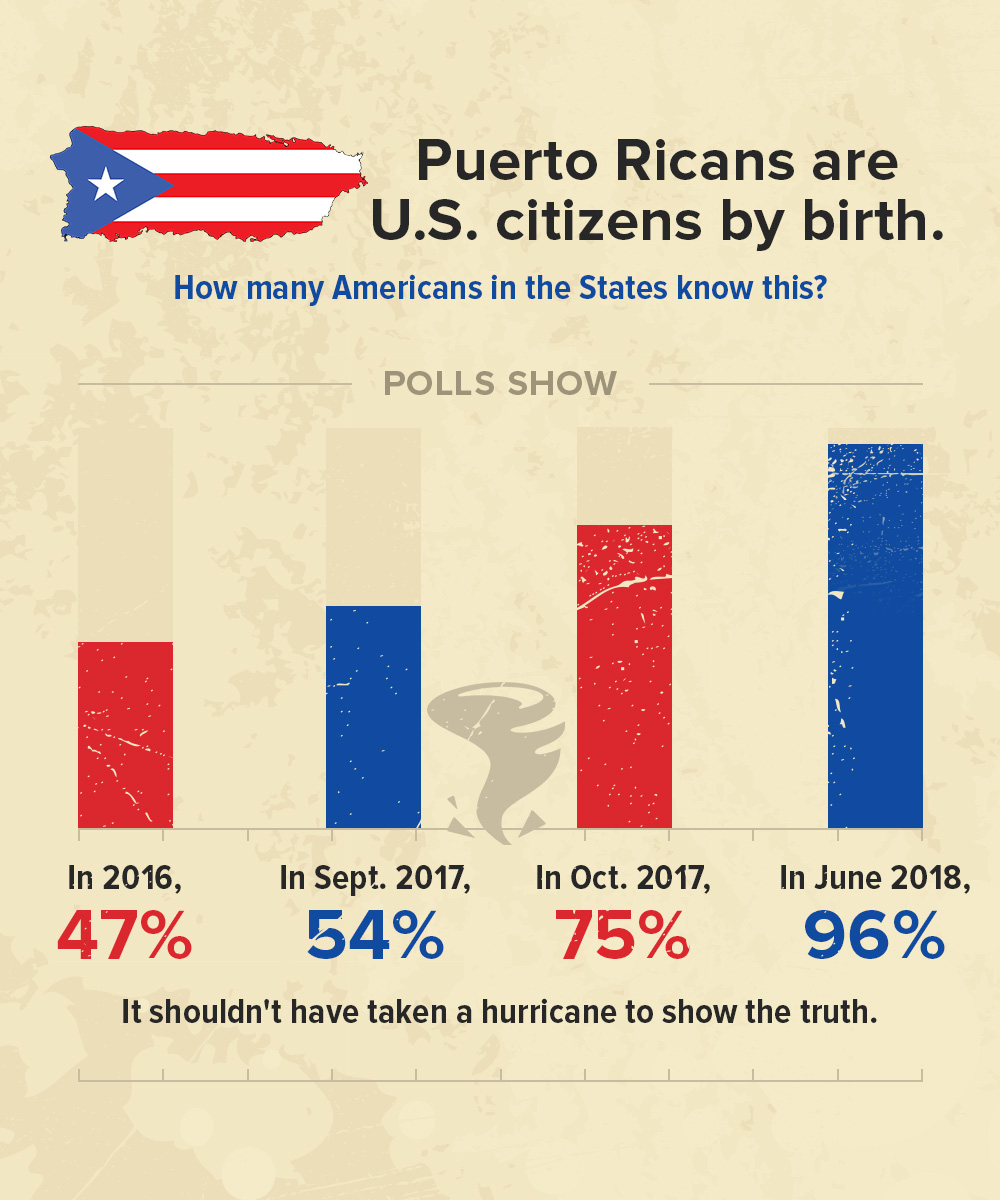
The demand for clearer legal standing and greater self-determination continued to grow. In 1917, Congress passed the Jones-Shafroth Act. This landmark legislation achieved two pivotal outcomes: it established a bill of rights for Puerto Rico and, most importantly, it granted statutory U.S. citizenship to the people of Puerto Rico. This was not a constitutional grant but a legislative one, meaning it was bestowed by an act of Congress and could, in theory, be altered or repealed by Congress. Nevertheless, for all practical purposes, this was a monumental step, aligning the legal status of Puerto Ricans more closely with that of mainland U.S. citizens.
The Compact of Free Association and its Limited Applicability
It’s important to note that while Puerto Rico is an unincorporated territory of the United States, its status is distinct from that of the United States‘ territories that have entered into a Compact of Free Association, such as the Marshall Islands, the Federated States of Micronesia, and Palau. These compacts establish a unique relationship where the freely associated states are sovereign nations that have delegated certain defense responsibilities to the United States and, in return, receive specific financial and other forms of assistance. Puerto Rico, on the other hand, remains an unincorporated territory with a different set of rights and obligations.
Practical Implications of U.S. Citizenship for Travelers and Residents
The granting of U.S. citizenship to Puerto Ricans has profound practical implications, especially for those considering travel to or from the island. Understanding these implications can ease travel planning and ensure a smoother experience.
Travel Between Puerto Rico and the U.S. Mainland
For U.S. citizens traveling between Puerto Rico and the United States mainland, the process is akin to domestic travel. This means:
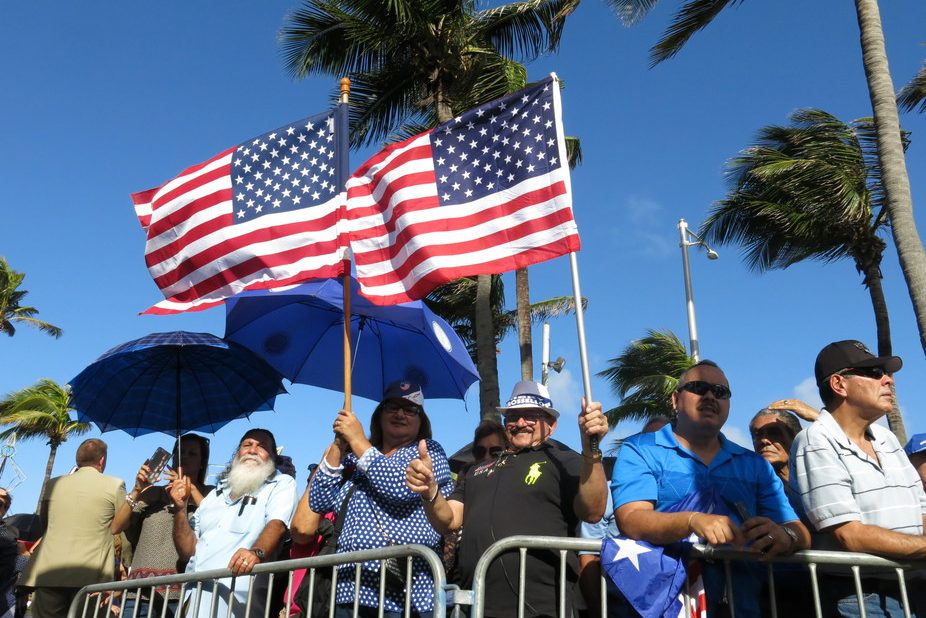
- No Passports Required: U.S. citizens do not need a passport to travel between Puerto Rico and any of the 50 U.S. states, or the District of Columbia. A valid U.S. driver’s license or other acceptable form of identification will suffice for air travel.
- No Visas Required: As U.S. citizens, Puerto Ricans and other U.S. citizens do not require visas to enter or reside in Puerto Rico.
- Currency and Language: The official currency in Puerto Rico is the U.S. dollar, and English is an official language alongside Spanish. This further simplifies travel and daily life for U.S. citizens visiting or residing on the island.
- Customs and Immigration: While you won’t go through passport control like an international traveler, there might be customs and agricultural inspections upon arrival from the mainland, similar to those conducted when traveling between some U.S. states. This is to prevent the introduction of invasive species or agricultural pests.
Rights and Responsibilities
U.S. citizenship bestows certain rights and responsibilities upon Puerto Ricans, mirroring those of citizens residing on the mainland, with some nuances:
- Right to Vote in Federal Elections: U.S. citizens born in Puerto Rico are U.S. citizens and, therefore, have the right to vote in U.S. federal elections, including presidential elections, provided they establish residency in one of the 50 states. Puerto Rico residents cannot vote in U.S. presidential elections unless they reside in a state. Puerto Rico does have its own governor and a unicameral legislature, and residents vote for these positions.
- Military Service: Puerto Ricans are eligible for and have served honorably in the U.S. military.
- Federal Laws: Federal laws passed by the U.S. Congress generally apply to Puerto Rico, though there are instances where specific federal legislation may not extend to the island or may be adapted to its territorial status.
- Taxation: This is a complex area. U.S. citizens residing in Puerto Rico generally do not pay federal income tax on income earned in Puerto Rico. However, they are subject to federal payroll taxes (Social Security and Medicare) and other federal taxes. The tax situation can be intricate and depends on various factors, including income sources and residency status.
Exploring Puerto Rico: A Tourist’s Paradise
The question of citizenship status is also relevant to understanding Puerto Rico as a tourist destination. The island offers a rich tapestry of experiences, from vibrant city life to pristine natural beauty, making it a popular choice for travelers seeking sun, culture, and adventure.
Iconic Landmarks and Attractions
Puerto Rico boasts a wealth of attractions that draw visitors from around the globe. Whether you’re interested in history, nature, or vibrant cityscapes, there’s something for everyone.
- Old San Juan: This historic district is a UNESCO World Heritage Site, brimming with colorful colonial architecture, cobblestone streets, and centuries-old fortifications. The Castillo San Felipe del Morro, also known as El Morro, and the Castillo de San Cristóbal stand as proud testaments to Puerto Rico‘s strategic importance and rich military history. Wandering through the charming streets, visiting artisan shops, and enjoying the ocean breezes are quintessential Old San Juan experiences.
- El Yunque National Forest: As the only tropical rainforest in the U.S. National Forest System, El Yunque offers a stunning natural escape. Hiking trails wind through lush vegetation, leading to picturesque waterfalls and breathtaking viewpoints. Visitors can marvel at the diverse flora and fauna, listen to the calls of the coquí frog, and immerse themselves in the tranquility of this natural wonder.
- Beaches: Puerto Rico is renowned for its beautiful beaches. From the lively shores of Condado and Isla Verde near San Juan, perfect for water sports and beachfront dining, to the more tranquil and scenic beaches of Vieques and Culebra like Flamenco Beach, there’s a stretch of sand to suit every preference. The bioluminescent bays, particularly in Mosquito Bay on Vieques, offer a magical nighttime experience, illuminating the water with natural light.
Accommodation and Lifestyle Options
For travelers and potential residents, Puerto Rico offers a wide range of accommodation and lifestyle choices, catering to diverse budgets and preferences.
- Luxury Resorts: Areas like Dorado and parts of San Juan are home to world-class resorts offering luxurious amenities, fine dining, and breathtaking ocean views. Properties like the Dorado Beach, a Ritz-Carlton Reserve provide an opulent escape.
- Boutique Hotels and Guesthouses: Old San Juan and other charming towns feature a variety of boutique hotels and guesthouses, offering a more intimate and personalized lodging experience.
- Vacation Rentals: Apartments, villas, and vacation homes are widely available through platforms like Airbnb and VRBO, providing flexibility for families, groups, or those seeking a longer-term stay. This option allows for a more immersive experience, allowing visitors to live like locals.
- Budget Travel: Puerto Rico can also be explored on a budget. Hostels, affordable guesthouses, and local eateries offer ways to experience the island without breaking the bank. The focus on local culture and food, readily available throughout the island, makes for an enriching budget travel experience.

Conclusion: A Unique Blend of Identity and Opportunity
In conclusion, the answer to “Are Citizens of Puerto Rico U.S. Citizens?” is a resounding yes. The residents of Puerto Rico are indeed U.S. citizens by statute, a status that significantly shapes their rights, responsibilities, and their connection to the United States. This citizenship facilitates seamless travel between the island and the mainland, making Puerto Rico an accessible and attractive destination for U.S. travelers.
For those planning a trip, understanding this relationship removes potential confusion and enhances the travel experience. Puerto Rico offers a unique blend of rich history, vibrant culture, stunning natural beauty, and a welcoming atmosphere, all within the framework of a U.S. territory. Whether you’re seeking adventure in El Yunque, exploring the historic streets of Old San Juan, relaxing on a pristine beach, or simply enjoying the island’s unique lifestyle, Puerto Rico promises an unforgettable experience for all U.S. citizens. The island continues to evolve, offering a compelling destination for tourism, exploration, and a distinctive way of life.
LifeOutOfTheBox is a participant in the Amazon Services LLC Associates Program, an affiliate advertising program designed to provide a means for sites to earn advertising fees by advertising and linking to Amazon.com. Amazon, the Amazon logo, AmazonSupply, and the AmazonSupply logo are trademarks of Amazon.com, Inc. or its affiliates. As an Amazon Associate we earn affiliate commissions from qualifying purchases.