
The question of U.S. citizenship for individuals born in Puerto Rico is one that frequently arises, especially given the island’s unique political status and its profound connection to the United States. For many, particularly those planning travel, exploring tourism opportunities, or considering accommodation options on the island, understanding this legal standing is crucial. This article delves into the intricacies of Puerto Rican citizenship, its historical context, and its implications for residents and visitors alike, drawing upon themes of travel, lifestyle, and the rich culture of this Caribbean destination.
For generations, the United States has grappled with the governance and status of its unincorporated territories, and Puerto Rico stands as the most prominent example. The island’s relationship with the mainland is complex, a blend of self-governance and federal oversight, leading to a nuanced understanding of rights and responsibilities.
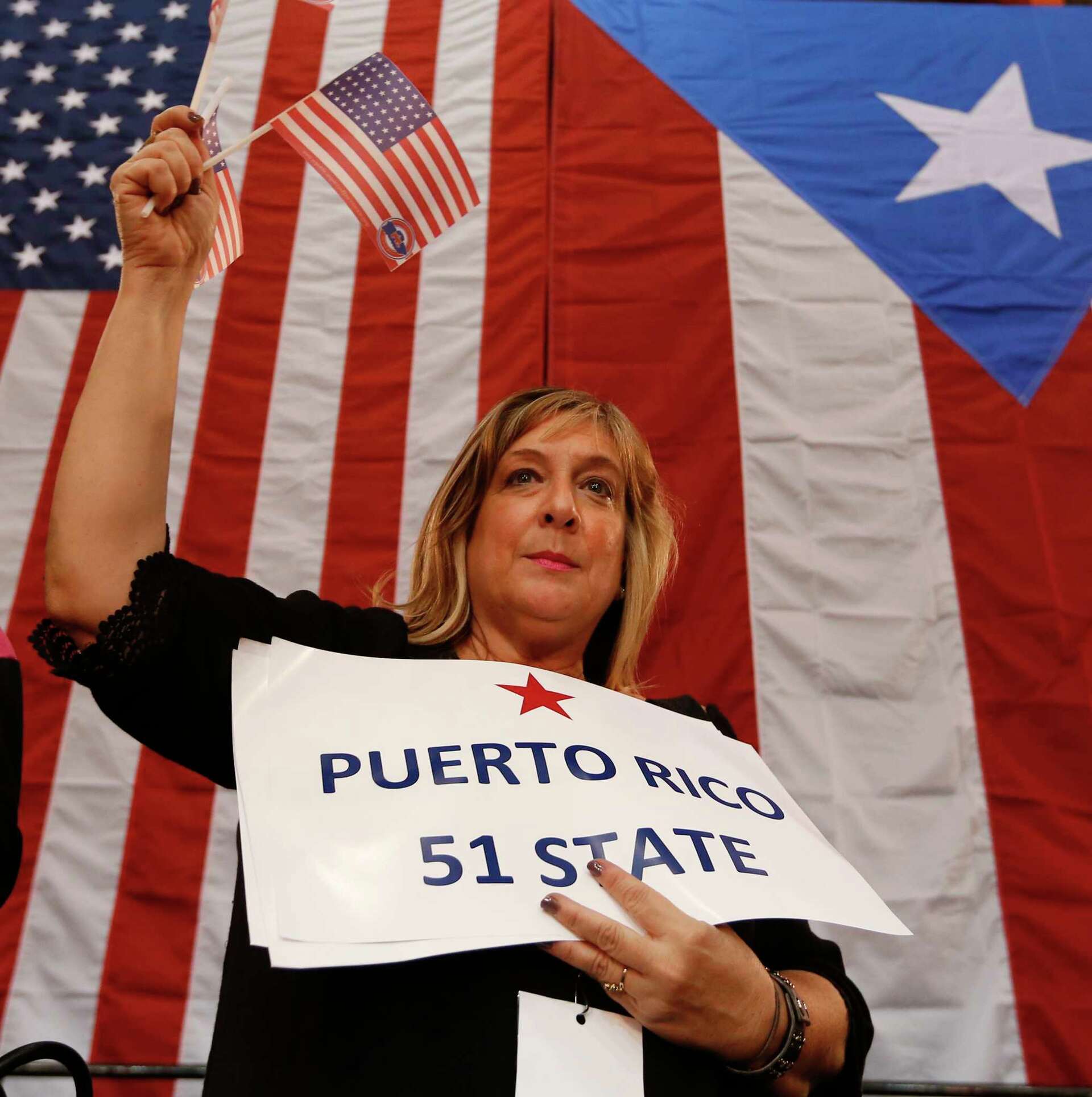
The Insular Cases and the Birthright of Citizenship
The foundation of U.S. citizenship for Puerto Ricans lies in a series of Supreme Court rulings known as the Insular Cases, decided in the early 20th century. These cases, which followed the Spanish-American War and the subsequent cession of Puerto Rico to the United States under the Treaty of Paris, established the doctrine that the U.S. Constitution does not automatically apply in its entirety to unincorporated territories.
The Foraker Act and its Evolution
In 1900, Congress passed the Foraker Act (officially the Organic Act of 1900). This act organized a civilian government in Puerto Rico and, crucially, declared that all inhabitants of Puerto Rico who were citizens of Spain on April 11, 1899 (the date of the treaty’s ratification) and their children born subsequent thereto were declared to be citizens of Puerto Rico. It also stated that all permanent residents of Puerto Rico on March 1, 1917, who were not citizens of Spain on April 11, 1899, were declared citizens of Puerto Rico.
However, the Foraker Act did not grant U.S. citizenship directly. It created a unique status where Puerto Ricans were considered “citizens of Puerto Rico,” a designation that granted them certain rights but not the full privileges of U.S. citizens. This distinction was a significant point of contention and confusion for many years.
The Jones-Shafroth Act of 1917: A Turning Point
A pivotal moment arrived in 1917 with the passage of the Jones-Shafroth Act (officially the Organic Act of 1917). This landmark legislation officially granted U.S. citizenship to Puerto Ricans. The act stipulated that all citizens of Puerto Rico were granted the status of U.S. citizens. This was a monumental shift, conferring upon them the rights and responsibilities associated with U.S. citizenship, including the right to vote in federal elections, serve in the U.S. military, and travel freely to the mainland United States.
Collective Naturalization
It is important to note that the citizenship granted by the Jones-Shafroth Act was a form of “collective naturalization.” This means that it was granted to all eligible inhabitants of Puerto Rico at once, rather than requiring individual applications for naturalization. Therefore, anyone born in Puerto Rico after 1917 is generally considered a U.S. citizen by birth.
Exceptions and Nuances
While the Jones-Shafroth Act established a clear path to U.S. citizenship, there are always nuances to consider. For instance, individuals born in Puerto Rico before 1917 who did not meet the citizenship requirements of the Jones-Shafroth Act might have had to apply for U.S. citizenship individually. However, for the vast majority of people born on the island after 1917, their U.S. citizenship is a birthright, much like being born in any of the 50 U.S. states.
Furthermore, individuals born in Puerto Rico to parents who are not U.S. citizens, and who themselves do not have a U.S. visa or immigration status, might have a different citizenship status. However, this is a more complex immigration law matter and does not negate the principle of birthright citizenship for those born to U.S. citizen parents or who are otherwise entitled to citizenship.
Implications for Travel and Lifestyle
Understanding U.S. citizenship for Puerto Ricans has significant practical implications, particularly for those interested in the island as a travel destination or for exploring different lifestyle opportunities.
Travel to and from the United States
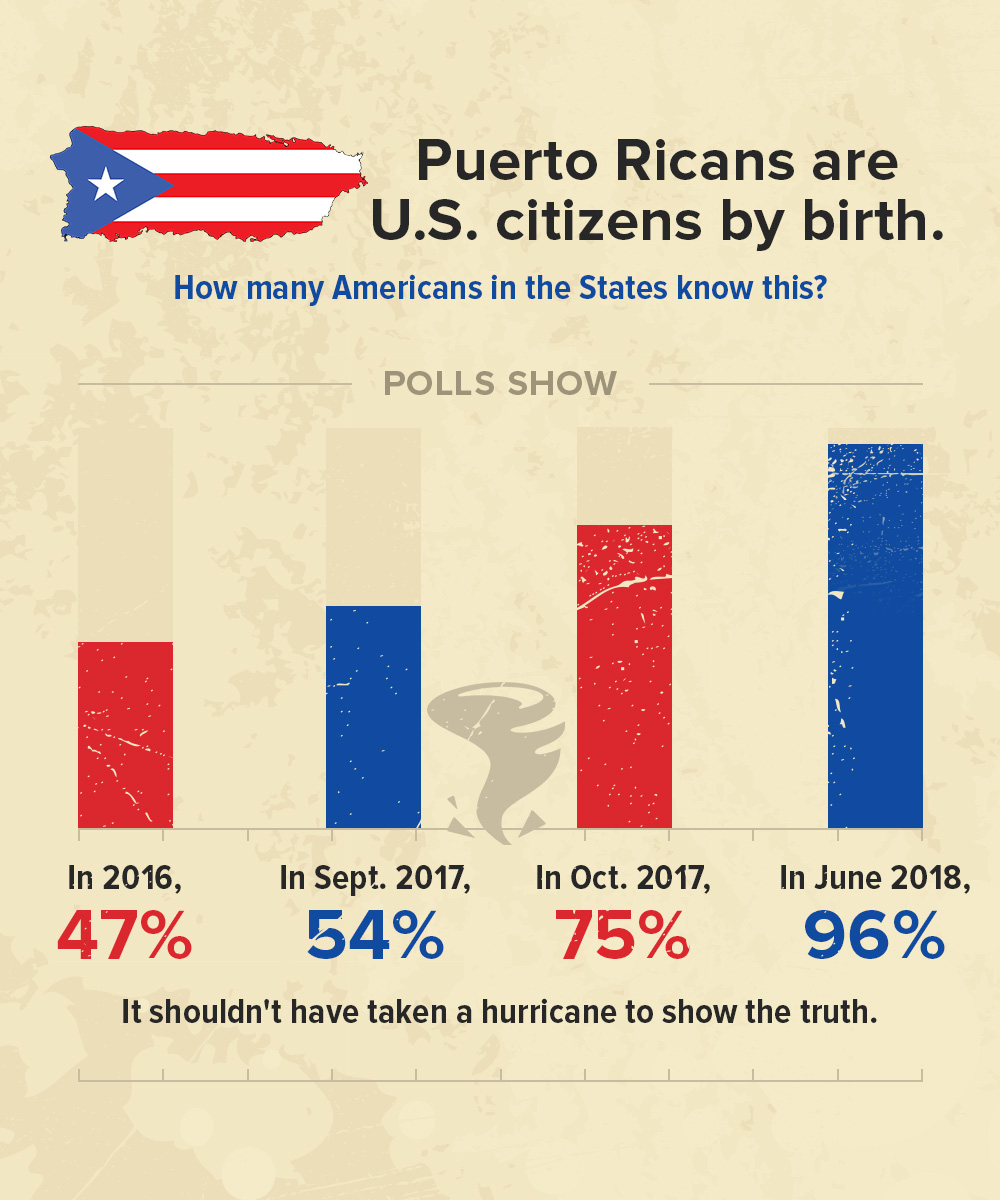
One of the most immediate benefits of U.S. citizenship for Puerto Ricans is the ability to travel freely between Puerto Rico and the mainland United States. Puerto Ricans do not need passports to travel to the U.S. mainland; a valid driver’s license or other government-issued photo ID is sufficient. This ease of travel makes Puerto Rico an accessible and attractive destination for American tourists and a convenient point of origin for U.S. citizens residing on the island to visit family and friends or conduct business across the U.S.
This freedom of movement also impacts accommodation choices. Whether one is looking for a luxury resort in Dorado, a charming boutique hotel in Old San Juan, or a long-term apartment rental, Puerto Ricans and U.S. citizens traveling from the mainland can navigate these options without the complexities of international travel regulations.
Voting Rights and Representation
As U.S. citizens, Puerto Ricans are entitled to vote in federal elections, though they do not have voting representation in Congress (they have a non-voting Resident Commissioner). This political standing, while debated, is a direct consequence of their citizenship status. This aspect of U.S. governance influences the island’s political discourse and its relationship with the federal government.
Social Security and Federal Benefits
U.S. citizens born in Puerto Rico are also entitled to Social Security benefits and other federal programs, although there have been historical and ongoing debates about equitable access to these benefits compared to those residing in the U.S. states. This is a complex area that touches upon the island’s economic development and social welfare.
Military Service
U.S. citizens born in Puerto Rico are eligible to serve in the U.S. armed forces. Many Puerto Ricans have served with distinction in various branches of the military, contributing significantly to national defense.
Exploring Puerto Rico: Culture, Landmarks, and Tourism
The question of citizenship is inextricably linked to the broader experience of Puerto Rico as a vibrant destination. The island offers a rich tapestry of local culture, breathtaking landmarks, and diverse tourism experiences that attract visitors from around the globe.
A Fusion of Influences
Puerto Rico boasts a unique cultural identity, a vibrant fusion of Taíno, Spanish, African, and American influences. This rich heritage is evident in its music, dance, cuisine, and festivals. Exploring Old San Juan, a UNESCO World Heritage site, visitors can marvel at the historic architecture, including the imposing Castillo San Felipe del Morro and Castillo San Cristóbal, remnants of Spain’s colonial past that stand as proud landmarks against the Caribbean Sea.
Culinary Delights and Natural Wonders
The tourism sector in Puerto Rico thrives on its diverse offerings. From the bustling culinary scene in San Juan, where you can savor traditional dishes like mofongo and lechón, to the serene beauty of the El Yunque National Forest, the only tropical rainforest in the U.S. Forest Service system, there is something to captivate every traveler. Adventure seekers can explore the bioluminescent bays in Vieques or La Parguera, kayak through mangrove forests, or simply relax on the pristine beaches of Flamenco Beach in Culebra.
Accommodation and Lifestyle Choices
For those considering a longer stay or a different lifestyle, Puerto Rico offers a range of accommodation options. From luxurious resorts offering world-class amenities to charming villas and more affordable apartments, the island caters to various budgets and preferences. The allure of U.S. citizenship, combined with the island’s natural beauty and vibrant culture, makes it an appealing place to live, work, or retire for many U.S. citizens. Whether one is looking for a budget-friendly getaway or a luxurious escape, Puerto Rico provides a unique and unforgettable experience.
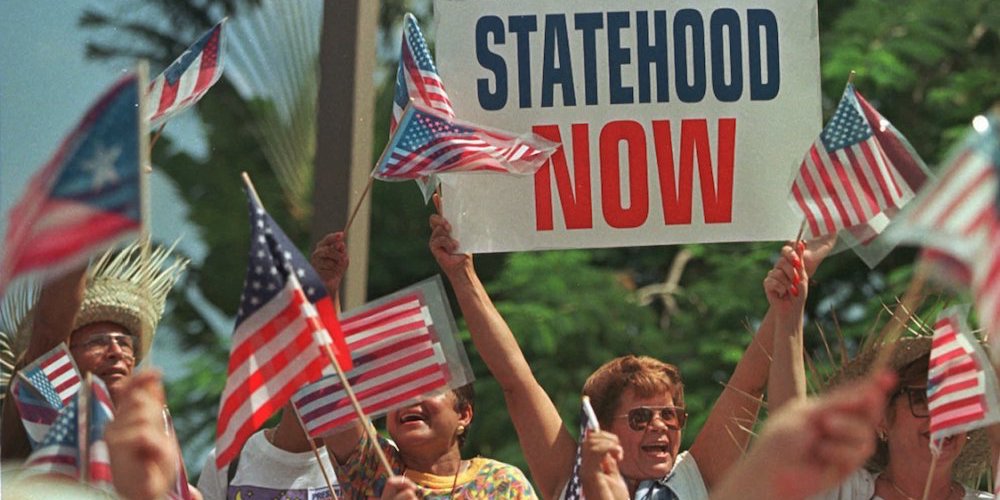
Conclusion: A Citizen of the United States by Birth
In conclusion, the answer to “Are you a U.S. citizen if born in Puerto Rico?” is a resounding yes for individuals born on the island after 1917. This is a direct result of legislative acts that have progressively granted and affirmed U.S. citizenship to Puerto Ricans. This U.S. citizenship is a birthright, carrying with it the fundamental rights and responsibilities of any other U.S. citizen.
For travelers, investors, or anyone with an interest in this fascinating island, understanding this legal status is a crucial piece of the puzzle. It underscores Puerto Rico’s integral, albeit unique, position within the United States, shaping its tourism, lifestyle, and the experiences of its people. The island continues to offer an unparalleled blend of natural beauty, rich history, and vibrant culture, all accessible with the ease of domestic travel for U.S. citizens.
LifeOutOfTheBox is a participant in the Amazon Services LLC Associates Program, an affiliate advertising program designed to provide a means for sites to earn advertising fees by advertising and linking to Amazon.com. Amazon, the Amazon logo, AmazonSupply, and the AmazonSupply logo are trademarks of Amazon.com, Inc. or its affiliates. As an Amazon Associate we earn affiliate commissions from qualifying purchases.