
For many travelers dreaming of sun-drenched beaches, vibrant culture, and delicious cuisine, the question of necessary travel documents can be a significant point of consideration. Among the most frequently asked questions, especially for those planning a trip to the Caribbean, is whether a passport is required for entry into Puerto Rico. This is a crucial piece of information for anyone looking to experience the unique blend of Spanish, African, and Taíno influences that define this enchanting island.
As a U.S. territory, Puerto Rico operates under a different set of entry requirements compared to foreign countries. This distinction often leads to confusion, particularly for international travelers or those accustomed to the stricter border controls of independent nations. Understanding these regulations is the first step in planning a smooth and enjoyable journey, whether you’re considering a luxurious resort stay, a budget-friendly adventure, or a family vacation filled with exciting activities.
This comprehensive guide will demystify the passport requirements for Puerto Rico, explore the various travel scenarios, and offer insights into making the most of your visit to this captivating destination. We’ll delve into the travel logistics, highlight key attractions, and provide practical tips to ensure your trip is both stress-free and unforgettable.
Understanding the Travel Status of Puerto Rico
The key to understanding passport requirements for Puerto Rico lies in its political status. Puerto Rico is an unincorporated territory of the United States, meaning it is a possession of the U.S. but not a state. This unique relationship has significant implications for travel, commerce, and citizenship. For U.S. citizens, this status simplifies many aspects of travel, making it feel very much like a domestic trip in some respects.
Travel for U.S. Citizens
For U.S. citizens traveling directly from the United States (including Alaska and Hawaii) to Puerto Rico, a passport is not required. This is a significant advantage for many, as it removes a common hurdle in travel planning. Your valid U.S. driver’s license, state-issued ID card, or other government-issued identification will suffice for boarding domestic flights. This allows for spontaneous weekend getaways or easier travel for those who may not have readily available passports.
This domestic travel status extends to all U.S. territories, including Guam, the U.S. Virgin Islands, and the Northern Mariana Islands. When flying between the mainland United States and Puerto Rico, you are essentially traveling between two parts of the same country. This means that typical border control procedures for international travel are bypassed.
However, it is always prudent to carry a form of government-issued photo identification. While not a passport, a driver’s license or state ID is essential for airport security and for any situations where proof of identity is needed, such as checking into a hotel or renting a car.
Travel for Non-U.S. Citizens
For non-U.S. citizens, the passport requirements for entering Puerto Rico depend on their country of origin and their visa status. Generally, non-U.S. citizens who are traveling from the United States and are legally permitted to enter the United States will also be permitted to enter Puerto Rico. This means that if you have a valid visa or are from a country that doesn’t require a visa for entry into the United States, you likely will not need a separate passport specifically for Puerto Rico.
However, it is crucial for non-U.S. citizens to verify their specific entry requirements based on their nationality. If your visa allows you to enter the United States, it typically covers your travel to Puerto Rico. Upon arrival in Puerto Rico, you will undergo U.S. Customs and Border Protection procedures, as you would in any other U.S. port of entry.
It is always recommended to check the latest regulations with U.S. Customs and Border Protection (CBP) or the U.S. Department of State before your trip, as immigration policies can change. Ensuring you have the correct documentation, including your passport and any necessary visas, is paramount for a seamless journey.
Travel to Puerto Rico from Other Countries
If you are traveling to Puerto Rico from a country other than the United States, the rules change. In this scenario, Puerto Rico is treated as your first point of entry into the United States. Therefore, all international travelers entering Puerto Rico directly from a foreign country must have a valid passport.
Depending on your nationality, you may also require a U.S. visa to enter Puerto Rico. U.S. citizens traveling from foreign countries would also need their passports, though this is a less common scenario for direct travel to Puerto Rico.
The entry process will involve standard U.S. immigration and customs procedures. This includes presenting your passport, answering questions from immigration officers, and going through customs. It’s vital to be aware of these requirements well in advance to avoid any last-minute issues at the airport.
Navigating Your Trip to Puerto Rico: From Flights to Stays
Once you’ve clarified the passport situation, the next step is to plan the details of your trip. Puerto Rico offers a diverse range of experiences, catering to every type of traveler, from those seeking adventure and exploration to those yearning for relaxation and luxury.
Flights and Transportation
For U.S. citizens, booking flights to Puerto Rico is as straightforward as booking a domestic flight. Major airlines operate regular flights to San Juan‘s Luis Muñoz Marín International Airport (SJU) from numerous cities across the United States. You will not need to present a passport when boarding these flights.
If you are traveling from outside the United States, you will be subject to international flight procedures. This means your passport will be checked by the airline and by immigration upon arrival.
Upon arrival in San Juan, you’ll find various transportation options to reach your accommodation. Rental cars are widely available and are a popular choice for exploring the island at your own pace, especially if you plan to visit attractions outside the city, such as the El Yunque National Forest or the bioluminescent bays near Vieques. Taxis and ride-sharing services are also readily available at the airport and within major tourist areas like Old San Juan. For those staying in resort areas, many hotels offer shuttle services.
Accommodation Options
Puerto Rico boasts a wide array of accommodation options to suit every budget and travel style. From world-class resorts to charming guesthouses, you’ll find the perfect base for your island adventures.
- Luxury Resorts: For those seeking indulgence, Puerto Rico offers opulent resorts like the Dorado Beach, a Ritz-Carlton Reserve, and the St. Regis Bahia Beach Resort. These properties provide exquisite amenities, fine dining, and breathtaking ocean views, embodying the spirit of luxury travel.
- Boutique Hotels: In historic districts like Old San Juan, you can find charming boutique hotels housed in beautifully restored colonial buildings. These offer a more intimate and unique experience, often with a focus on local character and personalized service.
- Vacation Rentals and Apartments: For families or longer stays, vacation rentals and apartments through platforms like Airbnb or local rental agencies offer more space and the convenience of a kitchen. This can be a more budget-friendly option and allows for a more immersive local lifestyle experience.
- Budget-Friendly Stays: Travelers on a tighter budget can find comfortable and clean guesthouses and smaller hotels, particularly outside the main tourist hubs. These can offer a glimpse into local life and are often run by friendly, knowledgeable hosts.
When booking your accommodation, remember that your proof of identity will be required at check-in, typically a driver’s license or state ID for U.S. citizens.
Exploring Puerto Rico: Attractions and Experiences
Puerto Rico is an island rich in history, natural beauty, and vibrant culture, offering a plethora of attractions and experiences for every traveler.
Historical and Architectural Wonders
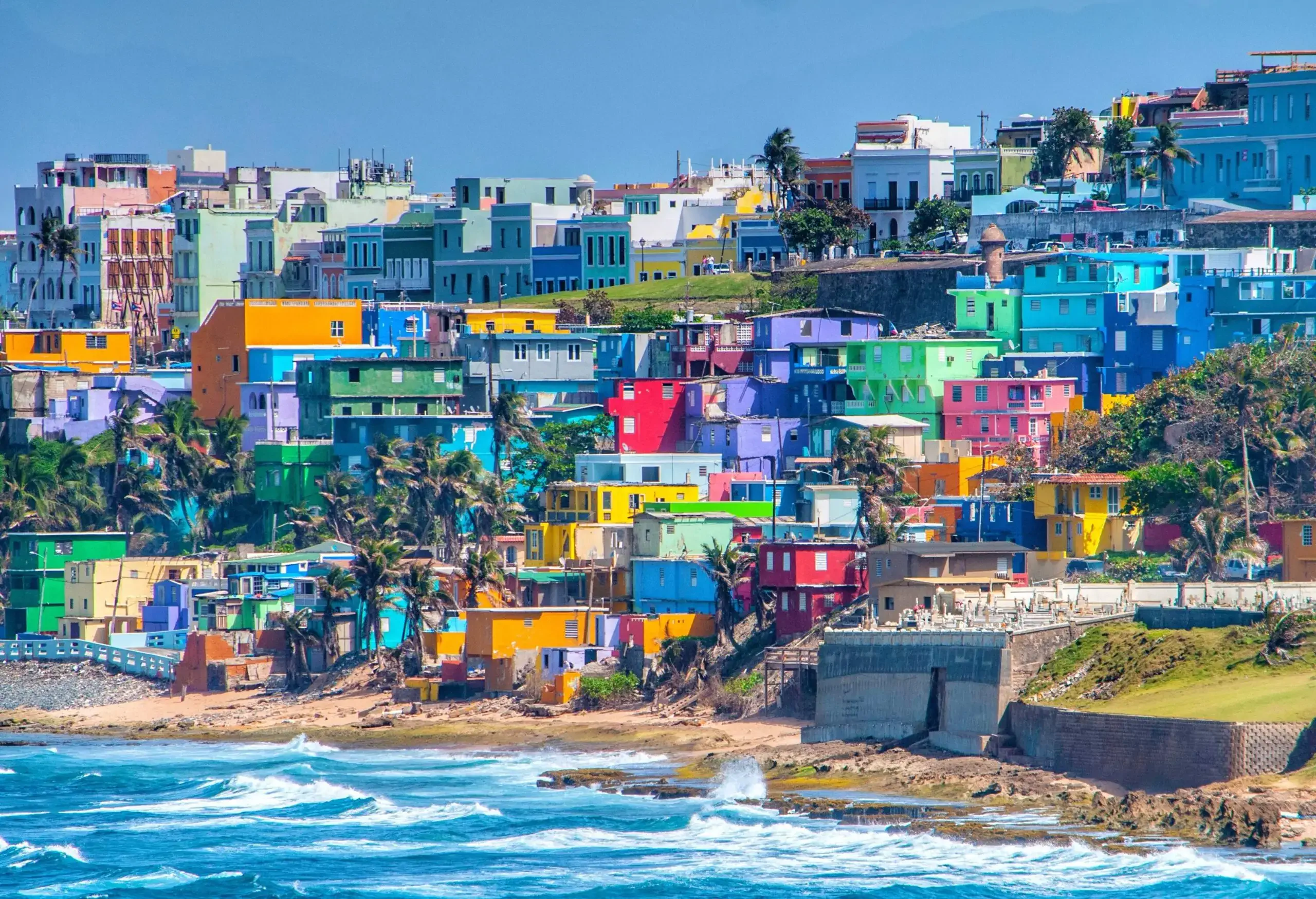
Old San Juan is a UNESCO World Heritage Site and a must-visit for its well-preserved Spanish colonial architecture. Wander through its blue cobblestone streets, admire the colorful buildings, and explore historic forts like Castillo San Felipe del Morro and Castillo de San Cristóbal. These imposing fortresses stand as testaments to Puerto Rico‘s strategic importance throughout history. The vibrant atmosphere of Old San Juan is infectious, with lively plazas, charming shops, and numerous restaurants serving delicious local cuisine.
Natural Beauty and Adventure
Nature lovers will be captivated by Puerto Rico‘s diverse landscapes. El Yunque National Forest, the only tropical rainforest in the U.S. National Forest System, offers hiking trails through lush vegetation, stunning waterfalls like La Coca Falls, and a chance to spot unique wildlife. For a truly magical experience, consider a nighttime kayak or boat tour of one of Puerto Rico‘s bioluminescent bays, such as Mosquito Bay in Vieques or the bay in Fajardo. The microorganisms in the water glow when disturbed, creating an ethereal spectacle.
Local Culture and Cuisine
Immerse yourself in the local culture by exploring the island’s culinary scene. Sample traditional dishes like mofongo (mashed plantains with garlic and pork), lechón (roasted whole pig), and tembleque (a coconut-based dessert). Enjoy live music, especially salsa, which is deeply ingrained in the island’s identity. Visit local markets to experience the authentic flavors and vibrant atmosphere of daily life in Puerto Rico. Exploring the local markets is a great way to support local vendors and discover unique crafts and produce.

Tips for a Smooth Trip
To ensure your trip to Puerto Rico is as seamless as possible, keep these tips in mind:
- Identification: As a U.S. territory, Puerto Rico requires U.S. citizens to have a valid government-issued photo ID (like a driver’s license) for domestic flights. Non-U.S. citizens should verify their specific visa and passport requirements well in advance.
- Currency: The currency used in Puerto Rico is the U.S. dollar, making transactions straightforward for visitors from the United States.
- Language: Spanish and English are the official languages. While English is widely spoken in tourist areas, knowing a few basic Spanish phrases can enhance your interactions with locals.
- Safety: Like any travel destination, it’s important to be aware of your surroundings, especially in less touristy areas. However, Puerto Rico is generally a safe destination for tourists.
- Best Time to Visit: The weather is warm and tropical year-round. The dry season (December to April) offers pleasant temperatures and less rain, making it a popular time to visit. The shoulder seasons (mid-April to June and September to November) can offer a good balance of pleasant weather and fewer crowds.
By understanding the passport requirements and planning your trip with these considerations in mind, you are well on your way to experiencing the magic of Puerto Rico. Whether you are drawn by its historical sites, its stunning natural landscapes, or its vibrant cultural tapestry, Puerto Rico promises an unforgettable travel experience.
LifeOutOfTheBox is a participant in the Amazon Services LLC Associates Program, an affiliate advertising program designed to provide a means for sites to earn advertising fees by advertising and linking to Amazon.com. Amazon, the Amazon logo, AmazonSupply, and the AmazonSupply logo are trademarks of Amazon.com, Inc. or its affiliates. As an Amazon Associate we earn affiliate commissions from qualifying purchases.