
The question of whether Puerto Rico is a “third world country” is complex, often loaded with historical baggage and evolving definitions. The term itself, originating from the Cold War era to categorize nations not aligned with either the Western Bloc (first world) or the Soviet Bloc (second world), has largely fallen out of favor among academics and international organizations. Instead, terms like “developing country,” “emerging economy,” or “low-income country” are preferred. When people ask if Puerto Rico fits this description, they are often looking for insights into its economic status, infrastructure, standard of living, and overall development compared to what they perceive as “first world” nations.
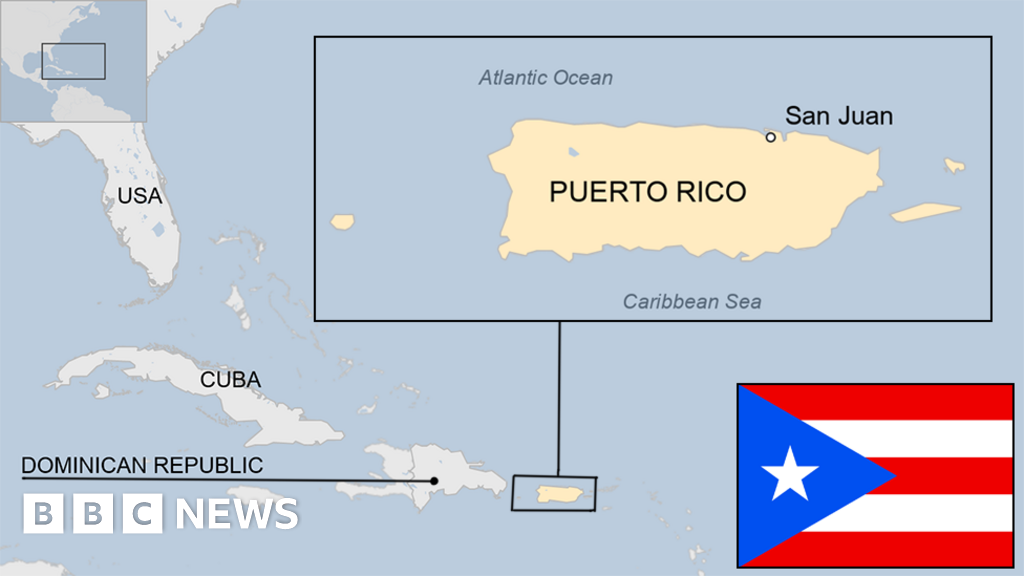
While Puerto Rico is a United States territory, it possesses a unique sociopolitical and economic reality that can lead to confusion and, sometimes, the application of outdated labels. It’s crucial to move beyond simplistic categorizations and delve into the nuances of the island’s situation. This exploration will examine Puerto Rico through the lens of travel, tourism, accommodation, landmarks, and lifestyle, offering a more accurate picture than any single, potentially pejorative, label.
Understanding Puerto Rico’s Status: Beyond the Label
To address the question meaningfully, we must first clarify Puerto Rico’s political status. It is an unincorporated territory of the United States, meaning that while US citizens residing in Puerto Rico are citizens of the United States, they do not have full voting representation in the US Congress and cannot vote in US presidential elections. This unique status has profound implications for its economy, governance, and access to federal resources, distinguishing it from both independent nations and fully integrated states of the Union.
The economic landscape of Puerto Rico has been shaped by decades of policy decisions, global economic shifts, and, more recently, natural disasters and fiscal challenges. While certain sectors exhibit signs of development, others grapple with significant limitations. This dichotomy is central to understanding why the question of its development status persists.
Economic Realities and Development Indicators
When discussing a nation’s or territory’s development, several economic indicators come into play: Gross Domestic Product (GDP) per capita, poverty rates, unemployment, infrastructure quality, access to healthcare and education, and industrial diversification. Puerto Rico presents a mixed picture.
Its GDP per capita, while lower than the US average, is often higher than many independent developing nations. However, this figure can be misleading due to significant income inequality. Poverty rates are considerably higher than in the United States mainland, and unemployment has historically been a persistent issue, although recent efforts have aimed to improve this. The island’s economy has transitioned from an agricultural base to a service-based one, with manufacturing and, more recently, tourism playing crucial roles. The US federal minimum wage applies, but the cost of living can still be high, particularly for imported goods.
Infrastructure, while generally functional, has been severely tested by events like Hurricane Maria in 2017. The recovery process highlighted vulnerabilities in power grids, transportation networks, and communication systems. While significant investments have been made and are ongoing, these areas continue to be points of focus for development. The island boasts modern hotels and resorts, particularly in areas like San Juan, and its transportation systems, including roads and airports, are comparable to many developed regions. However, the resilience and widespread accessibility of these services can vary, especially in more remote or rural parts of Puerto Rico.
Access to healthcare and education is generally good, with US federal programs influencing these sectors. However, disparities exist, and the quality and availability of services can differ across the island, mirroring challenges faced in many other territories and even some parts of the mainland United States. The presence of institutions like the University of Puerto Rico signifies a commitment to higher education.
Puerto Rico as a Tourist Destination: A World of Experiences
Despite any economic or infrastructural challenges, Puerto Rico is undeniably a premier tourist destination, offering a vibrant tapestry of attractions, accommodations, and cultural experiences that rival those found anywhere in the world. The island’s appeal lies in its rich history, stunning natural beauty, and dynamic lifestyle, attracting millions of visitors annually.
Attractions and Landmarks: A Blend of History and Nature
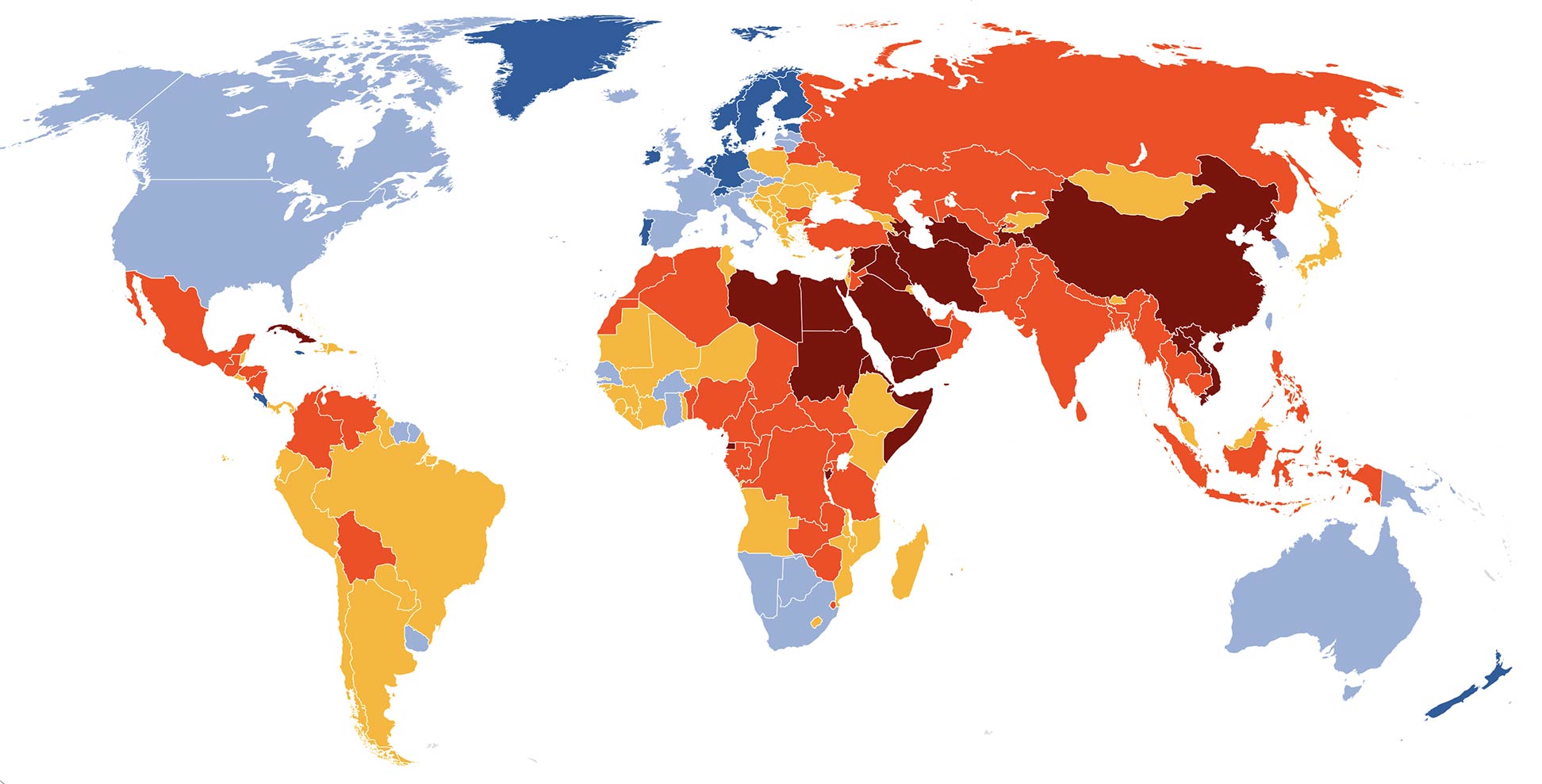
Puerto Rico boasts an impressive array of landmarks and attractions that cater to every type of traveler. From the colorful cobblestone streets of Old San Juan, a UNESCO World Heritage site, to the bioluminescent bays and pristine beaches, the island offers a diverse range of experiences.
In Old San Juan, visitors can explore centuries-old fortifications like Castillo San Felipe del Morro and Castillo San Cristóbal, remnants of Spain’s colonial past. The architecture here is stunning, with charming plazas, historic churches like San Juan Bautista Cathedral, and vibrant markets. Walking through these streets feels like stepping back in time, a testament to the island’s rich history.
Beyond the historic capital, Puerto Rico‘s natural wonders are equally captivating. The El Yunque National Forest, the only tropical rainforest in the US National Forest System, offers hiking trails, waterfalls, and a unique biodiversity. For beach lovers, the options are endless, from the surfing meccas of Rincón to the tranquil waters of Flamenco Beach on Culebra Island. The Mosquito Bay in Vieques Island is renowned for its bioluminescence, offering a magical nighttime experience.
The island also offers a wealth of cultural attractions. Museums like the Museo de Arte de Puerto Rico showcase the island’s artistic heritage, while local festivals and music venues provide glimpses into its lively cultural scene. The Bacardi Distillery offers tours of its rum-making process, a key part of Puerto Rican identity.
Accommodation and Lifestyle: From Luxury to Budget-Friendly
Puerto Rico caters to a wide spectrum of accommodation needs and lifestyle preferences, ensuring that visitors can find options that suit their budget and desired experience. The island offers everything from opulent resorts to charming boutique hotels and budget-friendly apartments.
Diverse Accommodation Options
For those seeking luxury and resort-style amenities, Puerto Rico has world-class options. The Condado and Isla Verde areas of San Juan are home to numerous upscale hotels and resorts, such as the Caribe Hilton and the Fairmont El San Juan Hotel, offering private beaches, fine dining, spas, and a host of activities. These establishments provide a quintessential luxurious getaway, complete with impeccable service and breathtaking ocean views.
For travelers looking for more intimate or unique stays, boutique hotels scattered across the island offer personalized experiences. In Old San Juan, historic buildings have been transformed into charming inns that allow guests to immerse themselves in the city’s ambiance. Areas like Rincón are popular for their surf lodges and eco-friendly accommodations, appealing to a more laid-back and adventurous crowd.
Apartment rentals and villas are also readily available, providing more space and privacy, especially for families or longer stays. Platforms like Airbnb and dedicated rental agencies offer a wide range of choices, from modern condos in San Juan to secluded beachfront villas. These options often allow travelers to experience Puerto Rico more like a local, with access to kitchens and living areas.
For budget-conscious travelers, Puerto Rico offers a good selection of guesthouses, hostels, and simpler hotels, particularly outside the main tourist hubs. These options can provide a comfortable base for exploring the island without breaking the bank. Long-term stays can often be arranged with special rates at many hotels and through rental properties, making Puerto Rico an attractive option for digital nomads or those seeking an extended island escape.
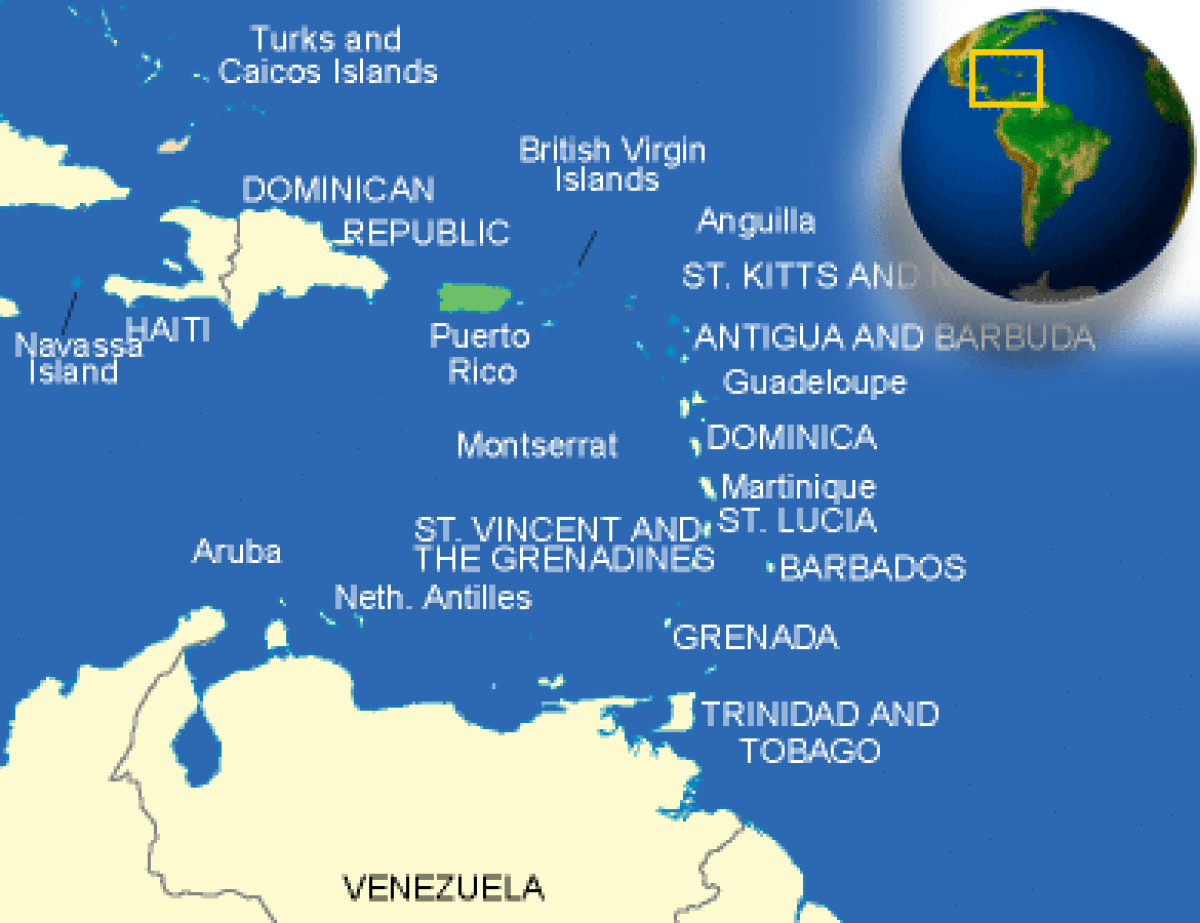
Embracing the Puerto Rican Lifestyle
The Puerto Rican lifestyle is characterized by its warmth, vibrancy, and deep connection to culture and nature. Whether one is indulging in luxury travel or exploring on a budget, the island’s spirit is infectious. The culinary scene is a major draw, with local eateries serving up delicious Puerto Rican cuisine, from mofongo to lechón. Food tours and cooking classes offer immersive gastronomic experiences.
Family trips are well-catered for, with many resorts offering kids’ clubs and family-friendly activities. The beaches provide endless entertainment for children, and the numerous historical sites offer educational opportunities. Business travelers can find excellent conference facilities and accommodations, particularly in San Juan.
Ultimately, the question of whether Puerto Rico is a “third world country” is a reductive one. While it faces unique challenges as a territory with an evolving economy and infrastructure, it also boasts a rich cultural heritage, stunning natural beauty, and a developed tourism industry that is comparable to many established destinations. Puerto Rico is a place of remarkable resilience and beauty, offering a world of experiences that defy simple categorization. It is a destination that invites exploration, appreciation, and a deeper understanding of its unique identity.
LifeOutOfTheBox is a participant in the Amazon Services LLC Associates Program, an affiliate advertising program designed to provide a means for sites to earn advertising fees by advertising and linking to Amazon.com. Amazon, the Amazon logo, AmazonSupply, and the AmazonSupply logo are trademarks of Amazon.com, Inc. or its affiliates. As an Amazon Associate we earn affiliate commissions from qualifying purchases.