
This question, seemingly straightforward, often sparks debate and confusion. For many, the answer hinges on a nuanced understanding of political status and the tangible experiences of visiting this vibrant Caribbean island. As a premier resource for travel, hotels, tourism, accommodation, landmarks, and lifestyle, we aim to clarify Puerto Rico’s unique position within the broader context of the United States of America, delving into what this means for travelers and residents alike.
Understanding Puerto Rico’s Political Status: An Unincorporated Territory
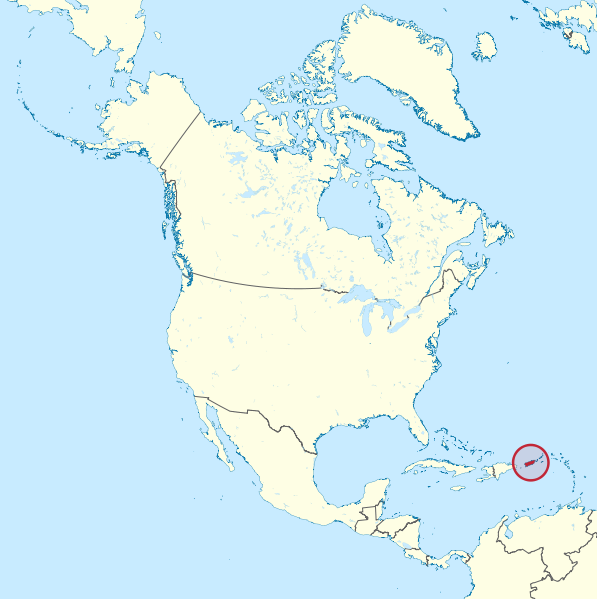
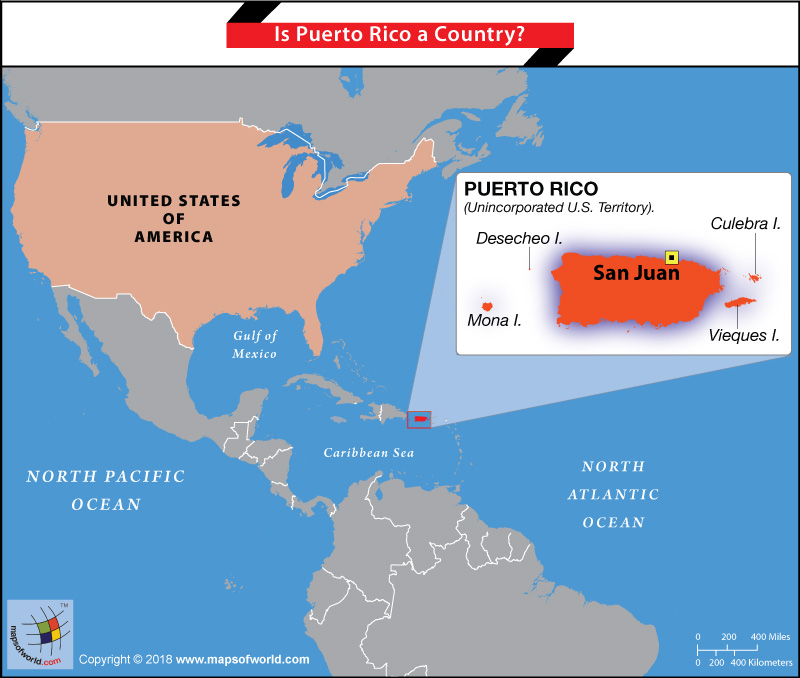
The heart of the matter lies in understanding what it means for Puerto Rico to be an unincorporated territory of the United States. This designation is distinct from a state or a freely associated state, and its implications are far-reaching, particularly for those planning a trip or considering a longer stay.
The “Unincorporated Territory” Designation Explained
To grasp the essence of Puerto Rico‘s status, we must look back at its history. Following the Spanish-American War in 1898, Spain ceded Puerto Rico to the United States under the Treaty of Paris. Since then, its relationship with the mainland United States has evolved, but it has never achieved statehood nor fully independent sovereignty.
The U.S. Supreme Court, in a series of rulings known as the Insular Cases, established that the U.S. Constitution does not apply in full to Puerto Rico, unlike in the states. This means that Puerto Ricans are U.S. citizens but do not have the same rights and representation as citizens residing in the 50 states. They cannot vote in presidential elections, and their representation in the U.S. Congress is limited to a non-voting resident commissioner.
This unincorporated territory status means that the U.S. Congress has ultimate authority over Puerto Rico. While Puerto Rico has its own elected governor and legislature and enjoys a degree of self-governance, its laws and policies can be superseded by federal legislation. This intricate political arrangement can be a source of frustration for many Puerto Ricans who desire full statehood or complete independence.
What This Means for Travelers
For the vast majority of travelers, Puerto Rico‘s political status translates to a seamless travel experience, closely mirroring a domestic trip within the United States.
- No Passport Required: U.S. citizens do not need a passport to travel to Puerto Rico from the United States. Similarly, foreign nationals who can enter the United States can enter Puerto Rico without a separate visa.
- Currency: The official currency of Puerto Rico is the U.S. dollar, the same as in the United States. This eliminates the need for currency exchange, making transactions straightforward.
- Communication: U.S. cell phone carriers typically provide service in Puerto Rico without incurring international roaming charges.
- Mail and Shipping: Mail addressed to Puerto Rico from the United States is treated as domestic mail.
- Laws and Regulations: Many federal laws and regulations that apply in the United States also apply in Puerto Rico. This includes banking regulations, postal services, and certain environmental protections.
However, there are some distinctions. For instance, Puerto Rico has its own tax laws, which can differ from those in the states. Also, while U.S. federal courts have jurisdiction, Puerto Rico also maintains its own judicial system.
Exploring the Wonders of Puerto Rico: A Tourist’s Paradise
Despite the complexities of its political status, Puerto Rico stands as a jewel in the Caribbean, offering an unparalleled blend of natural beauty, rich history, and vibrant culture. Its attractions cater to every type of traveler, from the luxury seeker to the budget adventurer.
Diverse Destinations and Attractions
Puerto Rico is an island of remarkable diversity. From the historic streets of Old San Juan to the bioluminescent bays of Vieques and Fajardo, there is an adventure waiting around every corner.
- Old San Juan: This UNESCO World Heritage site is a must-visit for any traveler. Its cobblestone streets, colorful colonial buildings, and imposing fortresses like Castillo San Felipe del Morro and Castillo San Cristóbal transport you back in time. The vibrant atmosphere is further enhanced by lively music, street art, and charming boutiques. The San Juan Cathedral is another significant landmark within this historic district.
- El Yunque National Forest: The only tropical rainforest in the U.S. National Forest System, El Yunque offers a lush escape into nature. Hiking trails wind through dense vegetation, leading to stunning waterfalls like La Coca Falls and panoramic viewpoints. Birdwatching and experiencing the unique flora and fauna are highlights here.
- Beaches: Puerto Rico boasts some of the most breathtaking beaches in the Caribbean. Flamenco Beach on Culebra is consistently ranked among the world’s best, known for its soft white sand and clear turquoise waters. Other popular spots include Luquillo Beach, Isla Verde, and the surfing mecca of Rincón.
- Bioluminescent Bays: Experiencing a bioluminescent bay is a magical, otherworldly event. Mosquito Bay on Vieques is the brightest and most famous, where microorganisms in the water emit a glow when disturbed. Laguna Grande in Fajardo is another accessible option for witnessing this natural wonder, often best explored by kayak tours.
- Culebra and Vieques: These smaller offshore islands offer a more laid-back and secluded experience. Culebra is renowned for its pristine beaches and excellent snorkeling, while Vieques offers wild horses, undeveloped landscapes, and the famous Mosquito Bay.
Accommodation Options for Every Style
Whether you’re seeking a lavish resort experience, a cozy boutique hotel, or a private villa, Puerto Rico provides an extensive range of accommodation options to suit every preference and budget.
- Luxury Resorts: For those seeking indulgence, Puerto Rico offers world-class resorts such as the Dorado Beach, a Ritz-Carlton Reserve, and the St. Regis Bahia Beach Resort. These properties often feature private beaches, championship golf courses, exquisite dining, and rejuvenating spa services.
- Boutique Hotels: In cities like San Juan and the charming town of Ponce, boutique hotels offer a more intimate and unique stay. These often capture the local architectural style and provide personalized service.
- Vacation Rentals and Villas: For families or groups, renting an apartment or a private villa can be an excellent option. Platforms like Airbnb and VRBO offer a wide selection, from beachfront condos to secluded hillside homes, providing more space and flexibility.
- Budget-Friendly Stays: Travelers on a budget can find comfortable and clean guesthouses, hostels, and smaller hotels scattered across the island, particularly outside the main tourist hubs.
Experiencing Puerto Rican Lifestyle and Culture
Puerto Rico is more than just beautiful landscapes and comfortable accommodations; it’s a destination brimming with a rich cultural tapestry, delectable cuisine, and a vibrant lifestyle.
Local Culture and Culinary Delights
The Puerto Rican culture is a captivating fusion of Taíno, Spanish, and African influences, evident in its music, dance, art, and of course, its food.
- Music and Dance: The infectious rhythms of salsa, reggaeton, and bomba fill the air. Experiencing a live music performance or taking a salsa lesson is a quintessential Puerto Rican experience.
- Art and History: Beyond Old San Juan‘s historical sites, art galleries and museums across the island showcase the works of Puerto Rican artists. Exploring towns like Ponce offers insights into the island’s colonial past and artistic heritage.
- Gastronomy: Puerto Rican cuisine is a flavorful journey. Must-try dishes include mofongo (mashed plantains with garlic and broth, often filled with meat or seafood), lechón (slow-roasted whole pig), arroz con gandules (rice with pigeon peas), and tembleque (coconut pudding). Local eateries, from street food vendors to fine-dining restaurants, offer authentic tastes. Don’t forget to sample local coffee and rum.

Tips for an Unforgettable Trip
To make the most of your Puerto Rican adventure, here are a few insider tips:
- Embrace the “Island Time”: Life on the island moves at a different pace. Relax, be patient, and savor the moments.
- Learn a Few Spanish Phrases: While English is widely spoken in tourist areas, knowing basic Spanish phrases like “Hola” (Hello), “Gracias” (Thank you), and “Por favor” (Please) is always appreciated.
- Stay Hydrated: The Caribbean sun can be intense. Drink plenty of water, especially when exploring outdoors.
- Rent a Car: While public transportation is available in San Juan, renting a car is highly recommended for exploring the diverse regions and attractions outside the capital.
- Respect Local Customs: Be mindful of local traditions and be respectful when visiting religious sites or interacting with residents.
In conclusion, while the political question of Puerto Rico‘s status within the United States is complex, for the traveler, the answer is largely one of ease and familiarity. You’ll use the same currency, often the same phone plan, and enjoy a seamless entry. Yet, stepping onto the island reveals a distinct identity, a rich heritage, and a captivating spirit that is uniquely Puerto Rican. It’s a destination that invites exploration, cultural immersion, and the creation of unforgettable memories, truly a world apart and yet, in many practical ways, a part of the American experience.
LifeOutOfTheBox is a participant in the Amazon Services LLC Associates Program, an affiliate advertising program designed to provide a means for sites to earn advertising fees by advertising and linking to Amazon.com. Amazon, the Amazon logo, AmazonSupply, and the AmazonSupply logo are trademarks of Amazon.com, Inc. or its affiliates. As an Amazon Associate we earn affiliate commissions from qualifying purchases.