
While the allure of Puerto Rico often conjures images of sun-drenched beaches, vibrant Old San Juan, and the lush El Yunque National Forest, a fundamental question underpins any understanding of this captivating Caribbean island: what is its population? This number is not merely a statistic; it’s a demographic fingerprint that influences everything from travel planning and tourism strategies to the local lifestyle and the availability of accommodation. Understanding the population of Puerto Rico provides crucial context for appreciating its culture, economy, and the experiences awaiting visitors.
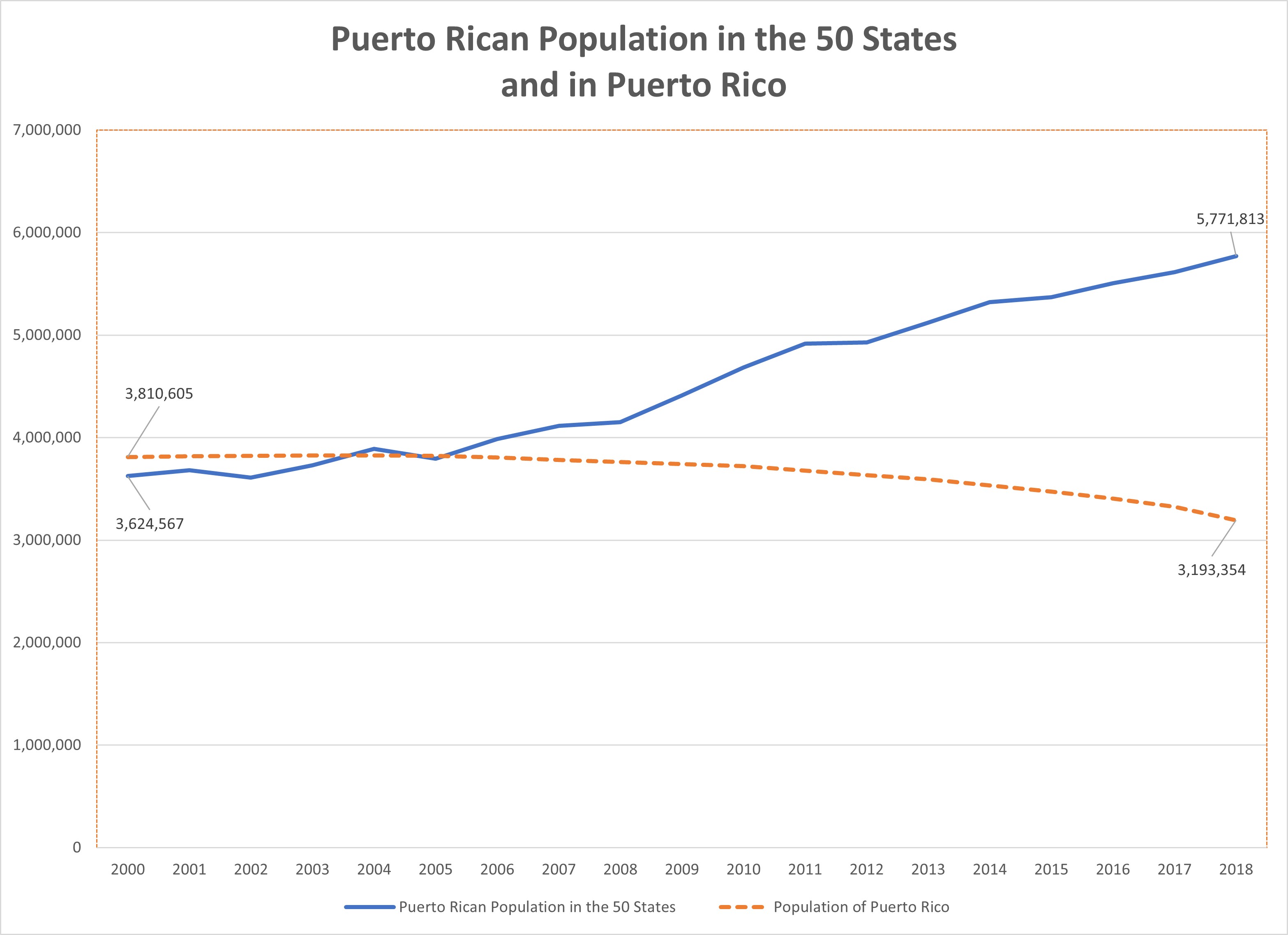
The population of Puerto Rico is a dynamic entity, shaped by a complex interplay of birth rates, migration patterns, and economic conditions. As of recent estimates, the island is home to approximately 3.2 million people. This figure, however, represents a significant trend of population decline over the past decade, a phenomenon driven by a combination of factors, including economic hardship, natural disasters, and a persistent desire for greater opportunities elsewhere, particularly in the United States.

This demographic shift has profound implications for the island. For travelers, a smaller, though still substantial, population can translate into a more intimate and potentially less crowded experience in some areas. It also means that local businesses, including hotels and restaurants, are vital to the island’s economy, often relying heavily on tourism revenue. Understanding the population size helps in appreciating the density of tourist areas and the scale of infrastructure that supports both residents and visitors.
Beyond the headline figure, delving into the demographics of Puerto Rico reveals a young and diverse population. While the island has faced challenges, the spirit of its people remains resilient and vibrant. This youthful demographic contributes to the island’s energetic culture, evident in its music, dance, and festivals. For those seeking to immerse themselves in the local lifestyle, understanding the age distribution can offer insights into the prevailing cultural trends and the types of activities that are popular.
The economic landscape of Puerto Rico is intrinsically linked to its population dynamics. A smaller working-age population can present challenges for economic growth, but it also encourages innovation and a focus on sectors like tourism, where experiences and unique offerings are highly valued. The government and private sector are continually working to stimulate economic development, often leveraging the island’s natural and cultural assets to attract investment and visitors. This focus on tourism directly impacts the accommodation sector, from luxury resorts like the Dorado Beach, a Ritz-Carlton Reserve, to boutique hotels in San Juan and budget-friendly apartments.
For those planning a visit, the population of Puerto Rico influences the overall travel experience. While major cities like San Juan and Ponce have denser populations, many of the island’s more remote areas, such as those near Cabo Rojo or on the island of Vieques, offer a more tranquil escape. The accessibility of landmarks and attractions can also be indirectly affected. For instance, understanding the population distribution helps in anticipating the number of local residents you might encounter at popular sites, offering a balanced perspective beyond just the influx of tourists.
The lifestyle in Puerto Rico is a captivating blend of American and Caribbean influences. The island’s population comprises individuals who are American citizens, yet they maintain a distinct cultural identity shaped by centuries of history, Spanish colonization, and African heritage. This unique fusion is evident in its art, music, cuisine, and social customs. When you explore the local markets or enjoy a traditional mofongo in a San Juan eatery, you are experiencing the richness of this cultural tapestry, woven by generations of islanders.
Population Trends and Their Impact on Travel
The population of Puerto Rico has been on a downward trend for over a decade. This demographic shift is a critical factor influencing various aspects of island life, including its tourism industry and the overall travel experience. Understanding these trends allows visitors to better appreciate the island’s current landscape and future aspirations.
Historical Population Growth and Recent Decline
Historically, Puerto Rico experienced periods of significant population growth, fueled by high birth rates and migration within the island and to the United States. However, starting around 2006, the population began to shrink. Several key factors have contributed to this decline. The island has faced prolonged economic recession, leading to job scarcity and limited economic opportunities. This economic strain has prompted many Puerto Ricans, particularly younger individuals and skilled professionals, to seek better prospects abroad, primarily in the United States.
The devastating impact of Hurricane Maria in 2017 further exacerbated population loss. The destruction of infrastructure, widespread power outages, and prolonged recovery efforts led to a mass exodus of residents, many of whom relocated temporarily or permanently to the mainland United States. While some have since returned, the hurricane’s aftermath significantly reshaped the demographic landscape of the island.
Implications for Travelers
The declining population has several implications for those planning a trip to Puerto Rico. One of the most noticeable effects for travelers is the potential for less crowded conditions at popular attractions, especially outside of peak tourism seasons. This can lead to a more relaxed and intimate experience at landmarks like El Morro or the beaches of Flamenco Beach on Culebra. It can also mean that hotels and other accommodation providers are more eager to welcome visitors, potentially leading to competitive pricing or enhanced service.
However, it’s important to note that tourism remains a vital economic engine for Puerto Rico, and efforts are continuously made to attract visitors. Therefore, while the overall population may be shrinking, key tourism hubs like San Juan, Rincón, and the islands of Vieques and Culebra can still experience significant visitor numbers, especially during holidays and popular travel times. The infrastructure supporting these areas is designed to handle these influxes, ensuring that the travel experience remains robust.
Furthermore, the smaller resident population in certain areas means that local culture and authentic experiences can be more accessible. Engaging with local communities, exploring smaller towns, and enjoying traditional food often involves interacting with a populace that deeply values its heritage and welcomes those who show genuine interest. The resilience and warmth of the Puerto Rican people are often highlighted by visitors, and a more intimate population size can sometimes foster these direct connections.
The impact on the accommodation sector is also notable. With a focus on bolstering the economy through tourism, there’s a continued investment in diverse accommodation options. From sprawling resorts and luxurious villas to charming guesthouses and readily available apartments, the range of choices caters to various travel budgets and preferences. The competitive nature of the market, influenced by population dynamics and the drive for economic recovery, can translate into excellent value for accommodation bookings.
Ultimately, the population of Puerto Rico, while declining, presents a unique opportunity for travelers. It allows for a deeper connection with the island’s rich culture, its stunning natural beauty, and its resilient people, often in a more personal and less overwhelming setting than in heavily populated destinations.
Demographics and Cultural Tapestry
Understanding the population of Puerto Rico goes beyond just numbers; it involves appreciating the intricate demographic makeup and the vibrant cultural tapestry that this diverse populace has woven over centuries. The island’s inhabitants are a blend of Indigenous Taíno, Spanish, African, and other European heritages, creating a unique and rich cultural identity.
Ethnic and Ancestral Diversity
The Puerto Rican people are characterized by their diverse ancestry. The Taíno people were the original inhabitants of the island, and their influence can still be seen in the language, cuisine, and place names. Following the arrival of the Spanish, African slaves were brought to the island, significantly contributing to the cultural and genetic makeup of the population. Over the centuries, there has also been immigration from other European countries, as well as from neighboring Caribbean islands and the United States.
This intermingling of peoples has resulted in a population that is largely considered multiracial. The Puerto Rican identity is not solely defined by race but by a shared history, language, and culture. This inclusivity is a cornerstone of the Puerto Rican lifestyle, where community and family are paramount. For travelers, this diversity translates into a rich array of cultural experiences, from the rhythmic beats of salsa music to the vibrant colors of local art and the complex flavors of Puerto Rican cuisine.
Age Distribution and Youth Culture
While Puerto Rico has experienced a decline in its overall population, it remains a relatively young society compared to many developed nations. The significant proportion of young people contributes to the island’s dynamic and energetic atmosphere. This youthful demographic is a driving force behind the island’s thriving arts scene, its popular nightlife in areas like Condado, and its passion for sports, particularly baseball.
The presence of a younger population also influences the types of activities and experiences that are popular. From surfing and diving in Rincón to exploring the bioluminescent bays of Mosquito Bay on Vieques, there are numerous adventure-driven pursuits that appeal to a younger, more active demographic. This also means that budget travel options, including hostels and more affordable apartments, are often in demand, catering to students and young travelers.
However, it is also important to acknowledge the emigration of young people due to economic challenges. This brain drain poses a demographic challenge, but those who remain or return often bring with them a strong sense of resilience and a deep commitment to preserving and evolving Puerto Rican culture.
Language and Communication
The official languages of Puerto Rico are Spanish and English. While English is widely spoken in tourism areas and by many professionals, Spanish remains the primary language of daily life for the vast majority of the population. For travelers, knowing a few basic Spanish phrases can greatly enhance their experience and foster deeper connections with locals. Understanding the linguistic landscape is crucial for navigating the island, from reading signs in Ponce to ordering food in a local “chinchorro.”
The bilingual nature of the island reflects its unique political status as a U.S. territory, while its strong cultural heritage is rooted in its Spanish past. This linguistic duality is a fascinating aspect of the Puerto Rican lifestyle, offering a blend of American conveniences with the warmth and expressiveness of Latin culture.
In essence, the demographics of Puerto Rico are a rich tapestry woven from diverse ancestral threads, a testament to its historical journey. This diversity is not just a statistical curiosity but the very essence of the island’s vibrant culture and the foundation for the unique experiences that await every visitor.
Economic Landscape and Its Interplay with Population
The economic health of Puerto Rico is inextricably linked to its population dynamics. The challenges and opportunities presented by its demographic trends significantly shape the island’s economy, influencing tourism, accommodation choices, and the overall lifestyle of its residents.
The Role of Tourism in the Economy
Given the economic pressures and population shifts, tourism has become an increasingly vital sector for Puerto Rico. It serves as a crucial source of foreign exchange, employment, and revenue, helping to offset some of the economic challenges. The government and private sector actively promote Puerto Rico as a premier destination, highlighting its attractions, natural beauty, and cultural richness.
The influx of tourists directly impacts the accommodation sector. From the luxurious resorts like the Fairmont El San Juan Hotel and sprawling villas in private communities to budget-friendly hotels and apartments, there is a wide spectrum of options designed to cater to every type of traveler. The demand generated by tourism supports thousands of jobs in hospitality, food services, transportation, and related industries.
Furthermore, tourism fuels the demand for experiences and activities. Visitors flock to explore historical landmarks like Castillo San Felipe del Morro, hike in El Yunque National Forest, enjoy water sports in Rincón, or immerse themselves in the vibrant nightlife of San Juan. These attractions are not just points of interest; they are economic drivers that sustain local businesses and communities.
Impact on Accommodation and Lifestyle Choices
The economic climate, influenced by population trends, also dictates accommodation choices for both residents and visitors. For tourists, the availability and pricing of hotels, resorts, apartments, and villas are key considerations. In areas with a strong tourism focus, such as Isla Verde or Condado, there is a concentration of high-end accommodation. Conversely, in less developed regions, budget-friendly options or longer-term stays in apartments might be more prevalent.
For Puerto Ricans, economic realities often shape their lifestyle. High unemployment rates and limited earning potential in certain sectors have led to a significant portion of the population migrating. Those who remain often adapt their lifestyle to the prevailing economic conditions, prioritizing community support and resourcefulness. This can manifest in a strong reliance on local markets for food, a focus on family gatherings, and a preference for budget-friendly entertainment and activities.
The luxury travel segment is also present and growing, particularly in areas with upscale resorts and exclusive villas. This segment caters to a different demographic of travelers and residents, contributing to the island’s diverse economic landscape.

Challenges and Opportunities Ahead
The population of Puerto Rico continues to be a defining factor in its economic trajectory. While the decline presents challenges in terms of a shrinking workforce and tax base, it also creates opportunities. The focus on tourism as a primary economic driver is a strategic response to these challenges, aiming to leverage the island’s unique assets.
Efforts are being made to diversify the economy beyond tourism, with investments in technology, renewable energy, and advanced manufacturing. The goal is to create higher-paying jobs and retain skilled workers, thereby reversing the trend of population decline. The resilience and ingenuity of the Puerto Rican people are key to navigating these economic complexities. For travelers, this ongoing development means that Puerto Rico is constantly evolving, offering both established attractions and new experiences that reflect its dynamic present and hopeful future.
LifeOutOfTheBox is a participant in the Amazon Services LLC Associates Program, an affiliate advertising program designed to provide a means for sites to earn advertising fees by advertising and linking to Amazon.com. Amazon, the Amazon logo, AmazonSupply, and the AmazonSupply logo are trademarks of Amazon.com, Inc. or its affiliates. As an Amazon Associate we earn affiliate commissions from qualifying purchases.