
Planning a trip to the vibrant island of Puerto Rico? One of the most crucial aspects to consider for a seamless and enjoyable vacation is the weather. This Caribbean gem boasts a tropical climate, meaning sunshine and warmth are usually on the menu. However, understanding the nuances of its seasons, potential weather patterns, and what to pack can significantly enhance your experience. Whether you’re dreaming of lounging on pristine beaches, exploring ancient landmarks, indulging in local cuisine, or immersing yourself in the island’s rich culture, knowing the weather forecast will help you maximize your travel adventures. This guide will delve into the climatic conditions you can expect throughout the year, offering insights to help you plan your perfect getaway to this U.S. territory.
Understanding Puerto Rico’s Tropical Climate
Puerto Rico experiences a warm, tropical climate year-round, with average temperatures hovering between the high 70s and mid-80s Fahrenheit (25-29 degrees Celsius). The island is situated in the tropics, which dictates its generally consistent and balmy weather. However, it’s not a monolithic climate; there are subtle variations throughout the year, primarily characterized by distinct wet and dry seasons, and influenced by the presence of trade winds.
Temperature: Consistently Warm
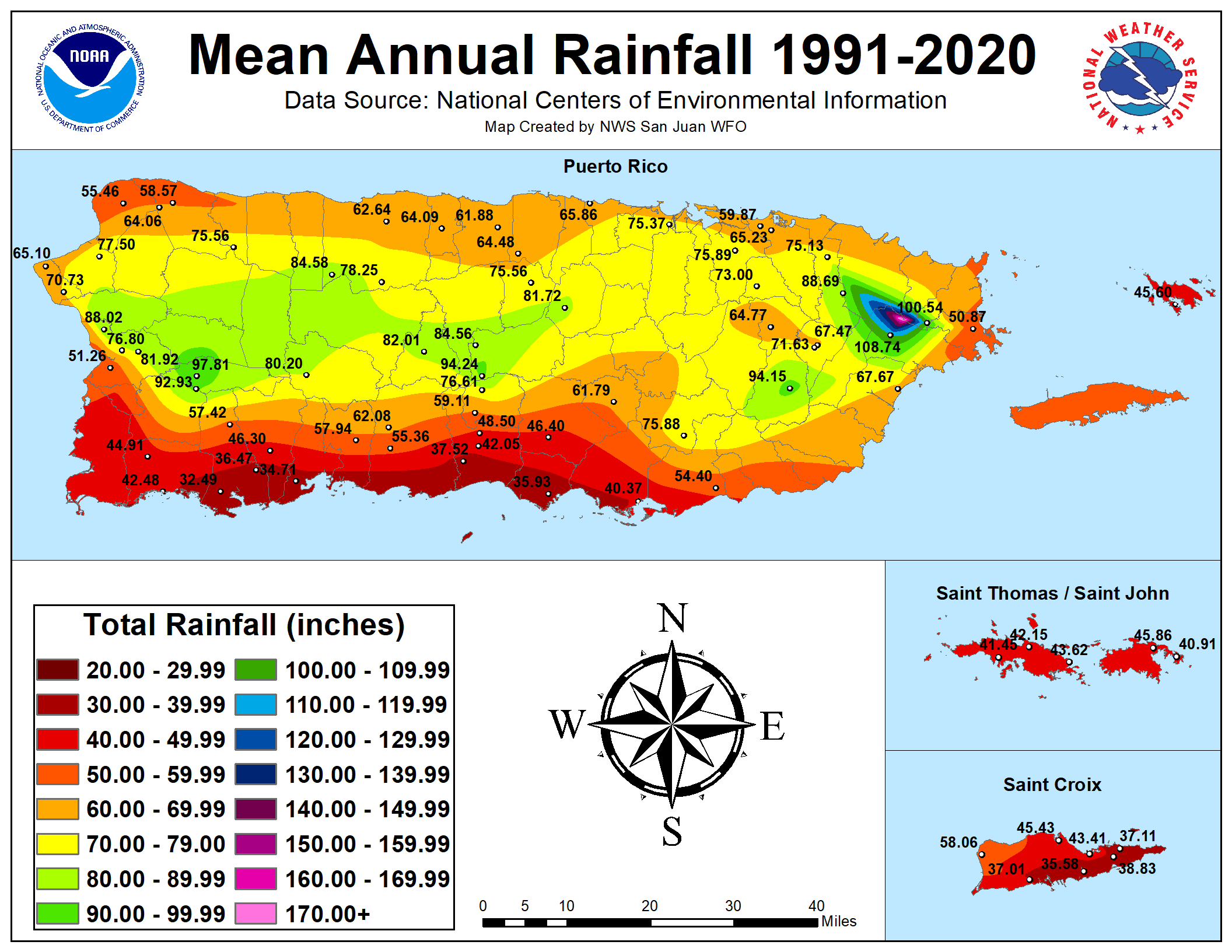
The daily average temperature in Puerto Rico rarely dips below 70°F (21°C) and seldom exceeds 90°F (32°C). This makes it an attractive destination for those seeking to escape colder climates. The humidity is a constant companion, contributing to the lush vegetation and the feeling of tropical warmth. While the temperatures remain relatively stable, humidity levels can fluctuate, often feeling more pronounced during the warmer months. The coastal areas tend to be slightly cooler due to the refreshing ocean breezes, while inland mountainous regions, like those around El Yunque National Forest, can experience slightly cooler temperatures and higher rainfall.
Rainfall: Wet vs. Dry Seasons
The most significant variation in Puerto Rico‘s weather is the distinction between its dry season and wet season.
The Dry Season (December to April)
This period is generally considered the most pleasant for tourism. Expect ample sunshine, lower humidity, and less frequent rainfall. The average rainfall during these months is considerably lower, making it ideal for outdoor activities, beach days, and exploring the island’s numerous attractions. The trade winds are also at their most active during this time, providing a welcome cooling effect, especially on the northern and eastern coasts. This is often the peak tourist season, so booking accommodations and flights in advance is highly recommended. Many visitors choose to stay in popular areas like San Juan, Rincón, or Vieques during this time.
The Wet Season (May to November)
While termed the “wet season,” this doesn’t mean relentless downpours. Instead, it signifies a higher probability of rain, often occurring in short, intense bursts, typically in the afternoon. These showers are crucial for the island’s ecosystem, keeping its landscapes vibrant and green. The rain can be a refreshing interlude from the heat and humidity. However, it’s important to note that this season also coincides with the Atlantic hurricane season, which officially runs from June 1st to November 30th. While direct hits are not an everyday occurrence, the possibility of tropical storms and hurricanes exists. Visitors during these months should stay informed about weather advisories and have a flexible itinerary. Despite the potential for rain, many find this season offers fewer crowds and more budget-friendly accommodation options, especially in places like Ponce or the southern coast.
Trade Winds and Microclimates
The omnipresent trade winds play a significant role in moderating Puerto Rico‘s climate. These easterly winds bring a steady flow of warm, moist air from the Atlantic Ocean, contributing to the island’s humidity and rainfall patterns. They are particularly noticeable along the northern and eastern coasts, providing a cooling sensation that makes the heat more bearable.
Puerto Rico also boasts several microclimates. The mountainous interior, especially the area around El Yunque National Forest, receives significantly more rainfall than the coastal plains. This is due to orographic lift, where moist air is forced upward as it encounters the mountains, cools, and condenses into rain. Conversely, the southern coast, particularly the region around Ponce, tends to be drier and hotter, often experiencing more sunshine even when other parts of the island are experiencing showers. Understanding these microclimates can be beneficial for planning specific activities. For instance, if you’re an avid hiker keen on exploring El Yunque, be prepared for frequent rain showers regardless of the season. If sun-drenched beaches are your priority, consider the drier southern coast or the western regions like Rincón.
Seasonal Breakdown and What to Expect
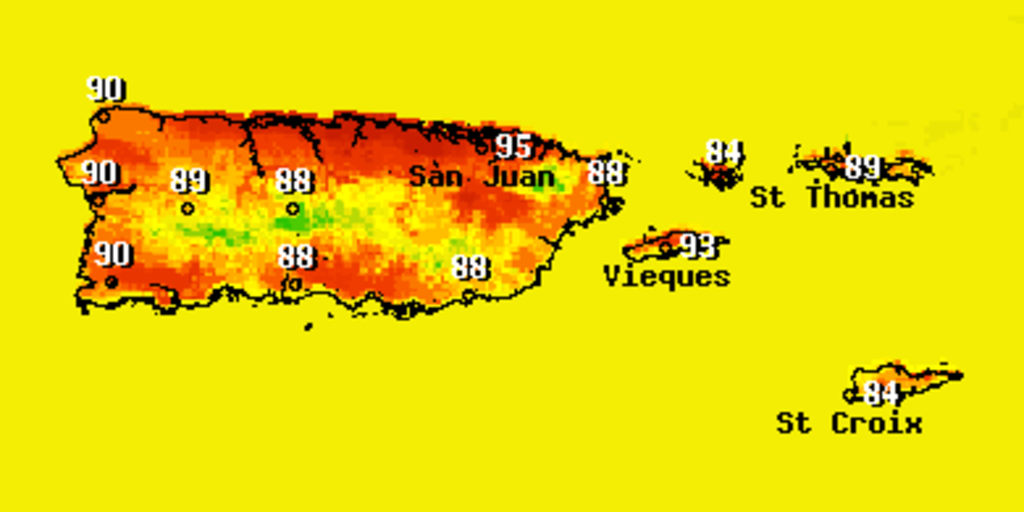
To further refine your travel plans, let’s break down the weather by typical seasonal trends, keeping in mind that these are general patterns and actual conditions can vary.
Winter (December to February)
This period marks the heart of the dry season and is often considered the most popular time to visit Puerto Rico. The weather is typically sunny and pleasant, with temperatures averaging in the mid-80s Fahrenheit. Humidity is lower, and the trade winds provide a constant, refreshing breeze. Rainfall is minimal, making it perfect for exploring historical sites in Old San Juan, relaxing on beaches in Luquillo, or enjoying water sports in Rincón. If you’re planning a luxury travel experience or a family trip during these months, expect vibrant festivals and a lively atmosphere.
Spring (March to May)
Spring continues the favorable weather patterns of the dry season into March and April, with increasing warmth and humidity as May approaches. You’ll still find plenty of sunshine, but the chance of occasional showers begins to rise. Temperatures gradually climb into the upper 80s Fahrenheit. This is a great time for budget travel as the peak season crowds begin to thin out. It’s an excellent period for exploring the island’s natural beauty, from the bioluminescent bays of Fajardo to the caves of Cueva Ventana.
Summer (June to August)
Summer marks the beginning of the wetter season and is also the hottest period of the year in Puerto Rico. Temperatures can reach the high 80s and even low 90s Fahrenheit, accompanied by higher humidity. While it is the rainy season, the showers are often brief and localized, typically occurring in the afternoon. This is a fantastic time for enjoying the beaches and water activities, as the water temperatures are warmest. However, it’s also important to be aware of the start of the hurricane season. Many families choose to visit during summer breaks, and resorts like the Dorado Beach, a Ritz-Carlton Reserve offer excellent family-friendly experiences.
Autumn (September to November)
Autumn falls squarely within the wet season and is also part of the peak hurricane season. September and October are generally the most active months for tropical systems. Temperatures remain warm, in the high 80s Fahrenheit, and humidity is still high. While there’s a greater chance of rain and tropical disturbances, beautiful sunny days are still common. Many travelers opt for a long-term stay during this period to take advantage of lower prices. If you’re considering visiting during these months, it’s crucial to monitor weather forecasts closely and have contingency plans. Even with the possibility of inclement weather, the island’s lush landscapes are at their most vibrant.
Preparing for Your Puerto Rican Adventure: What to Pack
Understanding Puerto Rico‘s weather is key to packing appropriately and ensuring a comfortable and enjoyable trip. The prevailing advice is to pack light, breathable clothing suitable for warm and humid conditions.
Clothing Essentials
- Lightweight, Breathable Fabrics: Cotton, linen, and moisture-wicking synthetic materials are your best friends. Think t-shirts, tank tops, shorts, and skirts.
- Swimwear: Essential for the beaches, pools, and the crystal-clear waters surrounding the island.
- Rain Gear: Even in the dry season, a light, packable rain jacket or a poncho is a wise addition, especially if you plan to explore El Yunque National Forest or venture inland. During the wet season, this becomes even more critical.
- Long Sleeves and Pants: While often optional, a light long-sleeved shirt and pants can be useful for sun protection, mosquito repellent in the evenings, or for visiting more conservative establishments.
- Comfortable Walking Shoes: You’ll want to explore the cobblestone streets of Old San Juan, hike in the rainforest, or wander through local markets, so comfortable, broken-in walking shoes are a must.
- Sandals or Flip-Flops: Perfect for the beach and casual strolls.
- A Light Sweater or Cardigan: Evenings can sometimes bring a slight drop in temperature, particularly in higher elevations or when air conditioning is strong.

Other Important Items
- Sunscreen: High SPF, reef-safe sunscreen is crucial to protect your skin from the strong tropical sun.
- Insect Repellent: Especially important for dawn and dusk, and if you plan to be in areas with dense vegetation.
- Hat and Sunglasses: For sun protection.
- Reusable Water Bottle: Staying hydrated is vital. Refillable bottles are eco-friendly and help you save money.
- Waterproof Bag or Dry Bag: Useful for protecting your electronics and valuables from rain or splashes, especially if you’re planning boat trips or activities near water.
- Travel Adapter: If you are traveling from outside the United States, you may need a travel adapter as Puerto Rico uses the same electrical outlets and voltage as the U.S. (Type A and B, 120V).
By considering the climate and packing accordingly, you’ll be well-prepared to embrace the warmth, sunshine, and occasional tropical showers that make Puerto Rico such a captivating destination. Whether you’re booking a resort in Dorado or a charming apartment in San Juan, a well-packed bag will ensure you’re ready for all the island has to offer.
LifeOutOfTheBox is a participant in the Amazon Services LLC Associates Program, an affiliate advertising program designed to provide a means for sites to earn advertising fees by advertising and linking to Amazon.com. Amazon, the Amazon logo, AmazonSupply, and the AmazonSupply logo are trademarks of Amazon.com, Inc. or its affiliates. As an Amazon Associate we earn affiliate commissions from qualifying purchases.