
Puerto Rico, the enchanting island gem of the Caribbean, beckons travelers with its vibrant culture, breathtaking landscapes, and, of course, its idyllic climate. Understanding the weather patterns of this U.S. territory is crucial for planning the perfect getaway, whether you’re dreaming of sun-drenched beaches, exploring lush rainforests, or immersing yourself in the lively atmosphere of San Juan. The island enjoys a tropical maritime climate, characterized by warm temperatures year-round, a consistent sea breeze, and distinct wet and dry seasons. This inviting weather makes it a desirable destination for tourism throughout much of the year, offering a stark contrast to the colder climates many visitors seek to escape.
The predictable warmth and humidity are what many associate with a tropical paradise, and Puerto Rico certainly delivers. However, it’s important to delve a little deeper than just “warm” to truly appreciate the nuances of its weather and how it might influence your travel plans. From the balmy evenings perfect for al fresco dining in Old San Juan to the invigorating freshness after a passing shower in the El Yunque National Forest, the island’s weather plays an integral role in shaping every experience.
Understanding Puerto Rico’s Tropical Climate
At its core, Puerto Rico‘s climate is defined by its proximity to the equator and its island geography. The Atlantic Ocean to the north and the Caribbean Sea to the south exert a moderating influence, preventing extreme temperature fluctuations. The prevailing trade winds from the northeast are a constant, welcome presence, bringing a refreshing breeze that mitigates the tropical heat. This natural air conditioning is a lifesaver for those unaccustomed to high humidity.
Temperature and Humidity: A Year-Round Embrace
The most striking feature of Puerto Rico‘s weather is its consistent warmth. Average daily temperatures hover around 80°F (27°C) for most of the year. Even in the cooler months, which are relatively mild, you’ll rarely see temperatures dip below the mid-70s Fahrenheit (around 24°C). The summer months, from June through September, tend to be the hottest, with daytime highs often reaching the high 80s or low 90s Fahrenheit (31-33°C). However, the humidity, while present, can make these temperatures feel even warmer.
Humidity levels in Puerto Rico are generally high, ranging from 70% to 80% throughout the year. This contributes to the lushness of the island’s vegetation and the refreshing feel of the air, especially after rain. For travelers, this means packing light, breathable fabrics is essential. While the humidity is a constant, it doesn’t typically become stifling due to the persistent trade winds. The higher elevations, such as those found in the central mountain ranges like the Cordillera Central, offer slightly cooler temperatures and a respite from the coastal humidity, making them attractive for hiking and nature exploration.
Rainfall Patterns: The Wet and Dry Seasons
Puerto Rico experiences two primary seasons: a dry season and a wet season. While these terms are used, it’s important to note that rain is possible year-round, and even the “dry” season can see occasional showers.
The Dry Season (December to April)
This period is generally considered the most pleasant time to visit Puerto Rico from a weather perspective. The skies are often clearer, with less frequent rainfall, making it ideal for beach activities, outdoor excursions, and exploring the island’s many attractions. The temperatures remain warm and comfortable, with a gentle breeze from the trade winds. While it’s called the dry season, short, localized showers can still occur, often in the afternoon, but they are usually brief and followed by sunshine. This is a popular time for tourists, so expect larger crowds and potentially higher prices for accommodation and flights, especially around holidays like Christmas and Easter.
The Wet Season (May to November)
The wet season brings an increase in rainfall, though it rarely disrupts entire days of travel. The precipitation is typically characterized by short, heavy downpours that occur mostly in the afternoon or evening. These showers are often followed by sunshine, and the rain helps to keep the island’s vibrant green landscape lush and beautiful. The temperatures during this period are slightly higher, and the humidity can be more pronounced. This season also coincides with the Atlantic hurricane season, which officially runs from June 1st to November 30th. While direct hits are infrequent, it’s wise to be aware of potential weather disruptions and consider travel insurance during these months. Despite the rain, the wet season can offer a different kind of charm, with fewer crowds and often more affordable travel options. For those interested in photography or experiencing the dramatic beauty of the rainforest, the wetter months can be particularly rewarding.
Regional Weather Variations Within Puerto Rico
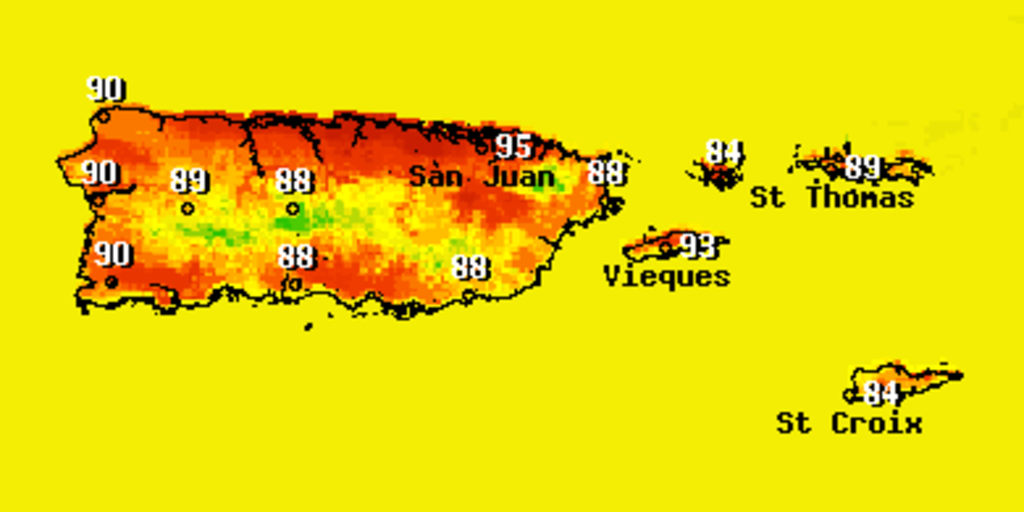
While the overall climate of Puerto Rico is consistent, there are subtle variations depending on the region. The island’s diverse topography, from the coastal plains to the mountainous interior, influences local weather patterns.
Coastal Areas: Sun, Sand, and Sea Breezes
The coastal regions, including popular destinations like San Juan, Ponce, and the western coast known for its surfing beaches, benefit most directly from the moderating influence of the ocean. Temperatures here are consistently warm, and the trade winds provide a constant, refreshing breeze. Rainfall is generally lower on the northern and western coasts compared to the interior and eastern regions. These areas are perfect for sunbathing, swimming, and enjoying water sports. Even during the wet season, coastal showers tend to be brief, allowing plenty of sunshine for beach-goers. The presence of numerous resorts and hotels along the coast, such as the Caribe Hilton or the Condado Vanderbilt Hotel, means visitors can easily access these weather-favored zones for their accommodations.
The Interior Mountains: Cooler and Wetter
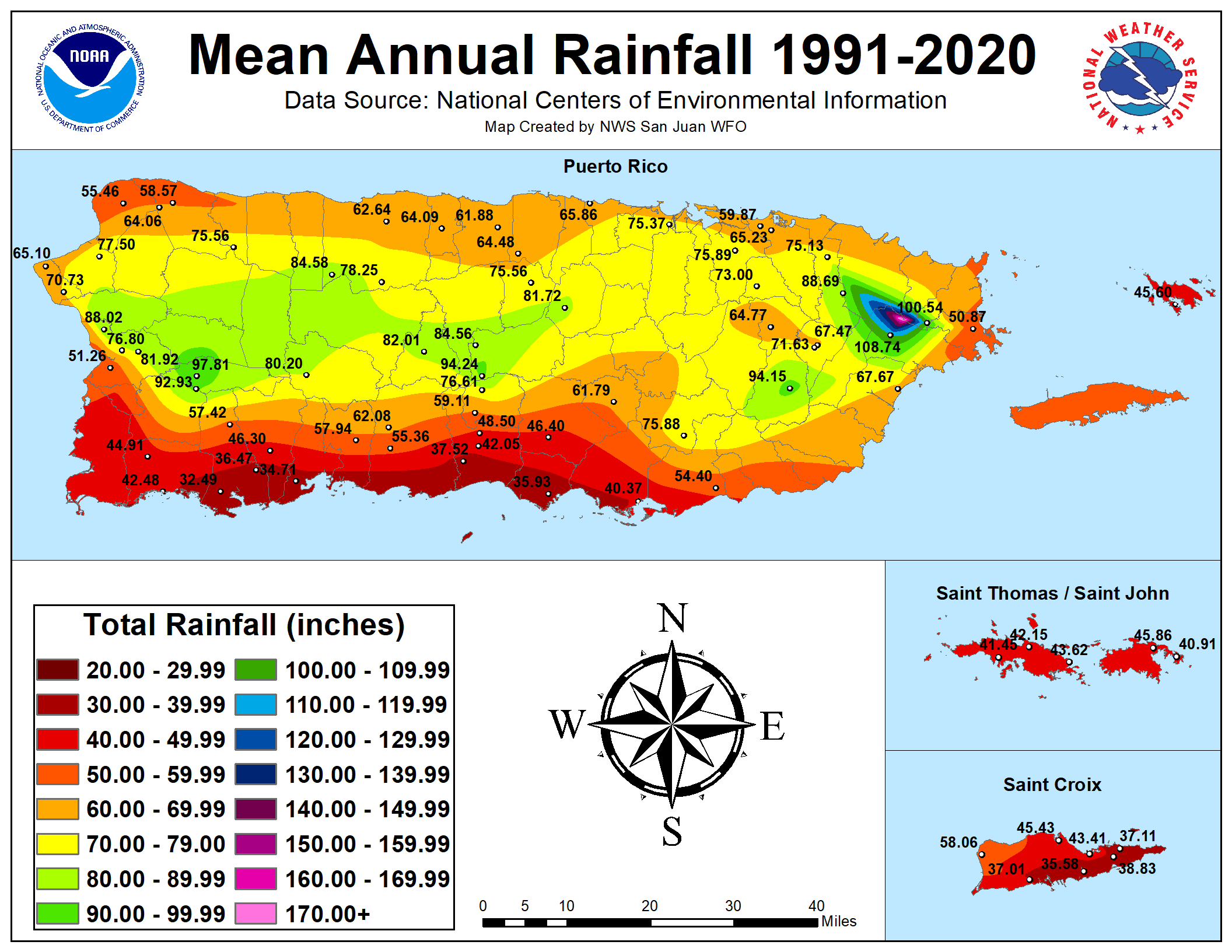
As you move inland and ascend into the central mountain ranges, such as the Cordillera Central, the weather becomes noticeably cooler and receives more rainfall. This is particularly true for the eastern side of the island, which faces the full force of the trade winds. The El Yunque National Forest, located in the northeastern part of the island, is a prime example of this. It is one of the wettest spots in Puerto Rico, with its high elevation and lush rainforest ecosystem thriving on consistent precipitation. While you might experience more rain here, the temperatures are milder, offering a refreshing escape from the heat of the coast. Hiking trails within the forest can become slippery after rain, so sturdy footwear is recommended. The experience of being in the cool, moist air of the rainforest, surrounded by vibrant flora and fauna, is a unique aspect of visiting Puerto Rico.
Southern Coast: A Drier Microclimate
The southern coast of Puerto Rico, particularly around Ponce, tends to experience a drier microclimate compared to the rest of the island. This is due to a rain shadow effect created by the central mountains, which block some of the moisture carried by the trade winds. While it still receives rain, especially during the wet season, it is generally less frequent and less intense than in the north or east. This drier climate contributes to a landscape that can be slightly more arid in some areas. Ponce is known for its historic architecture and cultural attractions, and its generally sunnier disposition makes it an attractive destination for exploration year-round.
Planning Your Trip: Best Times to Visit Puerto Rico
Considering the weather patterns is key to maximizing your enjoyment of Puerto Rico. While the island is a year-round destination, certain periods offer distinct advantages.
Peak Season and Shoulder Months: Balancing Weather and Crowds
The most popular time to visit Puerto Rico is during the dry season, from December to April. This period boasts ideal weather conditions with abundant sunshine, comfortable temperatures, and minimal rainfall, making it perfect for all outdoor activities. However, this also means it is the peak tourist season. Expect larger crowds at popular attractions like El Morro, hotels such as the Fairmont El San Juan Hotel, and in cities like San Juan. Prices for flights and accommodations are typically at their highest during these months.
The shoulder months, such as May and November, can offer a fantastic balance. You’ll often find pleasant weather, with the dry season winding down or the wet season just beginning. Crowds are generally smaller than during the peak dry season, and you may find more competitive prices for lodging and travel. These months can be a great opportunity to experience the island’s charm with a bit more tranquility.

Traveling During the Wet Season: Embracing the Tropics
For budget-conscious travelers or those who don’t mind the possibility of occasional rain, the wet season (May to November) can still be a rewarding time to visit. The island remains beautifully green, and the short, heavy showers often pass quickly, leaving behind clear skies. The reduced number of tourists can lead to a more relaxed experience, and you may find significant savings on hotels and flights. For instance, exploring Luquillo Beach or enjoying the vibrant nightlife of La Placita de Santurce can still be done with ease, even with a passing shower. It’s also a prime time for whale watching if you venture out on boat tours. However, it’s crucial to remain aware of hurricane season during this period and to consider flexible travel plans and travel insurance. If you choose to visit during the wet season, embracing the tropical downpours as part of the island’s natural rhythm can lead to a unique and memorable trip, perhaps discovering hidden waterfalls or enjoying the dramatic beauty of a stormy sea from the comfort of a resort like the Dorado Beach, a Ritz-Carlton Reserve.
LifeOutOfTheBox is a participant in the Amazon Services LLC Associates Program, an affiliate advertising program designed to provide a means for sites to earn advertising fees by advertising and linking to Amazon.com. Amazon, the Amazon logo, AmazonSupply, and the AmazonSupply logo are trademarks of Amazon.com, Inc. or its affiliates. As an Amazon Associate we earn affiliate commissions from qualifying purchases.