
When planning a trip to the captivating island of Puerto Rico, understanding the local climate is paramount. This vibrant Caribbean gem offers a tropical paradise year-round, but nuances in temperature, rainfall, and humidity can influence your travel experience. Whether you’re dreaming of sun-drenched beaches, exploring ancient ruins, or indulging in the rich local culture, knowing what to expect weather-wise will help you pack accordingly and make the most of your visit to this enchanting destination.
Understanding Puerto Rico’s Tropical Climate
Puerto Rico boasts a delightful tropical marine climate, characterized by warm temperatures and consistent humidity throughout the year. The island enjoys an average annual temperature of around 82°F (28°C), with very little variation between seasons. This means you can generally expect pleasant, warm weather no matter when you decide to visit. However, “warm” in the Caribbean also implies a certain level of humidity, which can make the air feel balmy and sometimes moist. This tropical setting is a significant draw for travelers seeking an escape from colder climates, offering a perpetually summery atmosphere. The constant gentle breeze, often referred to as the “trade winds,” helps to mitigate the heat and humidity, making outdoor activities comfortable for most of the day.
Seasonal Variations: More Than Just Sun
While Puerto Rico is often perceived as a destination with unchanging weather, there are subtle seasonal shifts that can impact your trip. The island experiences two primary seasons: the dry season and the wet season.
The Dry Season (Mid-December to Mid-April)
The dry season is widely considered the most popular time to visit Puerto Rico, and for good reason. During these months, the island enjoys less rainfall, clearer skies, and slightly milder temperatures, with average highs typically in the upper 80s Fahrenheit (around 30-32°C). This period is ideal for beachgoers, outdoor adventurers, and anyone looking to explore the island’s many attractions without the interruption of frequent rain showers. The evenings can be particularly pleasant, with temperatures dropping into the comfortable low 70s Fahrenheit (around 21-23°C). This is also the peak tourist season, so expect larger crowds and potentially higher prices for flights and accommodations, especially around holidays. Destinations like San Juan and the beaches of Vieques and Culebra are particularly vibrant during this time.
The Wet Season (May to November)
The wet season, conversely, sees an increase in rainfall. However, it’s important to understand that “wet” in the Caribbean doesn’t necessarily mean constant downpours. Instead, you’re more likely to experience short, intense rain showers, often occurring in the afternoon. These showers are usually brief and can even be refreshing, cooling down the landscape before the sun reemerges. The temperatures during the wet season remain warm, often slightly higher than the dry season, with average highs in the upper 80s to low 90s Fahrenheit (around 31-33°C). Humidity levels also tend to be higher. Despite the increased chance of rain, the wet season can be an excellent time to visit Puerto Rico for budget-conscious travelers, as prices for accommodations and flights often decrease. You can still enjoy plenty of sunshine and outdoor activities, just with a higher probability of needing an umbrella for a short period. This season also coincides with the Atlantic hurricane season, which officially runs from June 1st to November 30th. While Puerto Rico is no stranger to hurricanes, direct hits are infrequent, and the island’s infrastructure is designed to withstand tropical storms. It’s always advisable to stay informed about weather forecasts if traveling during this period.
Regional Weather Differences in Puerto Rico
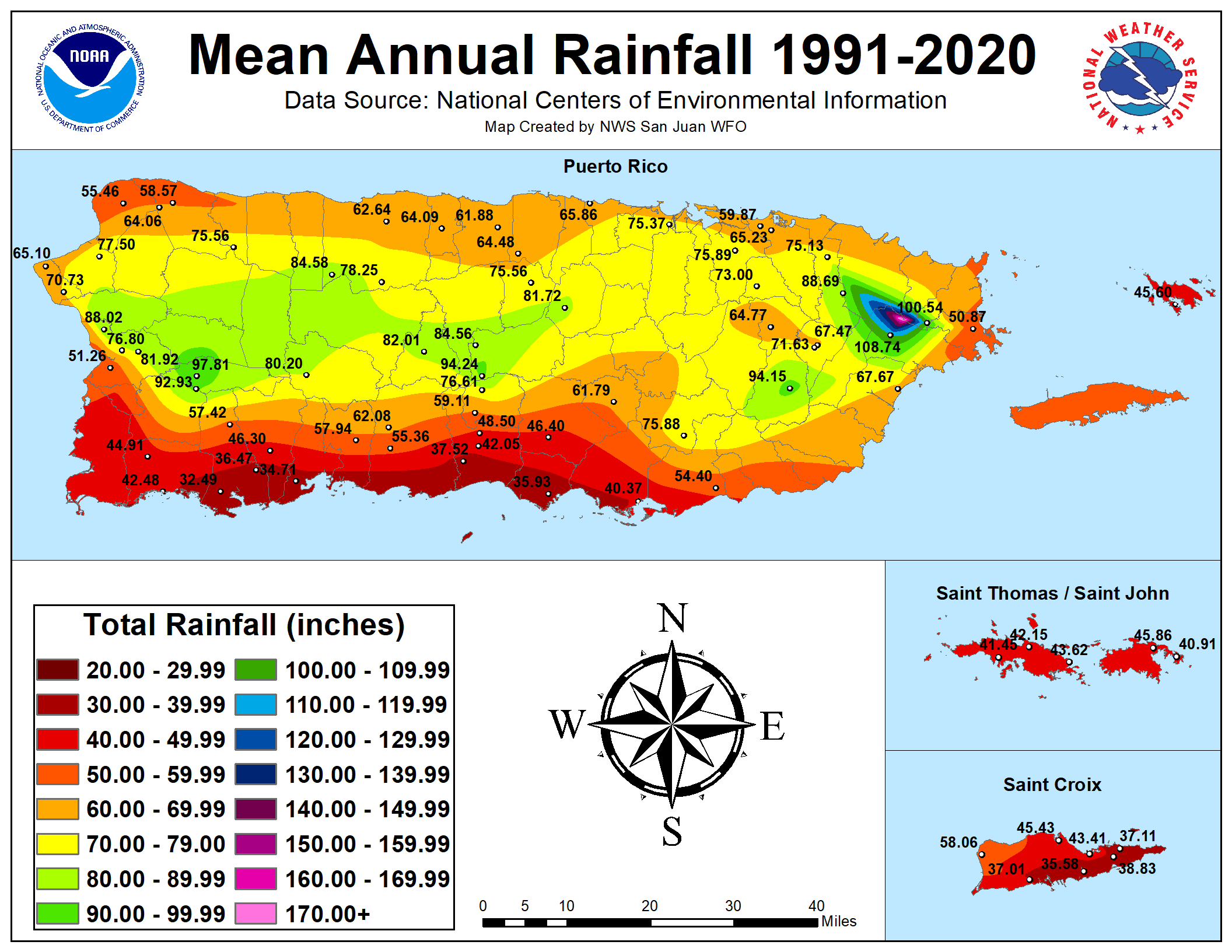
Puerto Rico may be a relatively small island, but its diverse topography leads to noticeable microclimates, meaning the weather can vary significantly from one region to another.
The Coastline: Breezy and Sun-Kissed
The coastal areas, where most of the major tourist destinations and resorts are located, benefit from the cooling effects of the Atlantic Ocean and the Caribbean Sea. The ever-present trade winds help to keep temperatures comfortable, even during the hottest parts of the day. You can expect plenty of sunshine along the shores of San Juan, Rincón, and the southern coast. Rainfall is generally moderate here, with showers often being brief and localized. This makes the coastline an ideal choice for beach holidays, water sports, and exploring cities like Ponce.

The Interior Mountains: Cooler and Wetter
As you move inland and ascend into the central mountain ranges, such as the Cordillera Central, the climate becomes noticeably cooler and wetter. The El Yunque National Forest, the only tropical rainforest in the U.S. National Forest System, is a prime example of this. Temperatures in the mountains are typically a few degrees lower than on the coast, and rainfall is significantly higher, contributing to the lush, verdant landscape. Fog and mist are common, especially at higher elevations, creating a mystical and serene atmosphere. If you’re planning to hike or explore the rainforest, be prepared for damp conditions and cooler temperatures, and always bring appropriate rain gear. The cooler temperatures can be a welcome change for those seeking respite from the coastal heat, offering a different perspective on the island’s natural beauty.
The Dry Region of the South: Arid and Sunny
In stark contrast to the mountainous interior, the southwestern part of Puerto Rico, particularly around Guánica, is characterized by a much drier climate. This region receives significantly less rainfall than the rest of the island, creating a unique arid landscape with cacti and drought-resistant vegetation. This “dry forest” region offers a distinctly different visual experience and is perfect for those who prefer consistently sunny and dry conditions. The temperatures here can be quite warm, and shade is often at a premium, so it’s essential to stay hydrated if exploring this area.
Planning Your Trip: Packing and Activities Based on Weather
Armed with an understanding of Puerto Rico‘s climate, you can better prepare for your vacation and tailor your activities to maximize enjoyment.
Packing Essentials for Every Season
No matter when you visit Puerto Rico, lightweight, breathable clothing is a must. Think cotton t-shirts, shorts, sundresses, and swimwear. Sun protection is paramount, so pack plenty of sunscreen (reef-safe if possible), a wide-brimmed hat, and sunglasses. Comfortable walking shoes are essential for exploring towns and historical sites like Old San Juan or hiking in El Yunque.
If you’re traveling during the wet season, a lightweight, packable rain jacket or poncho is a wise addition. While you might not need it often, it can be a lifesaver during a sudden downpour. For the cooler mountain regions, consider bringing a light sweater or long-sleeved shirt.
Activities Aligned with the Forecast
Beach Holidays and Water Sports: The coastal areas, especially during the dry season, are perfect for swimming, snorkeling, surfing (particularly in Rincón), and sailing. Even during the wet season, the beaches are often accessible, and the brief showers typically don’t detract significantly from a day spent by the sea.
Exploring Nature and Hiking: The El Yunque National Forest is a must-visit, regardless of the season. During the wet season, the rainforest is even more vibrant and alive. Be prepared for muddy trails and bring waterproof footwear. The cooler temperatures in the mountains make hiking enjoyable year-round.
Cultural Immersion and Sightseeing: Cities like San Juan offer a wealth of historical sites, museums, and vibrant street life. Old San Juan, with its colorful colonial architecture, is best explored on foot. While rain can be a factor in the wet season, it often passes quickly, allowing for continued exploration. Many attractions, such as the Castillo San Felipe del Morro and the Castillo de San Cristóbal, can be visited even during light rain.
Relaxation and Luxury Stays: Resorts and hotels, whether in the bustling city of San Juan or a secluded villa in Dorado, offer ample opportunities for relaxation. Many properties boast beautiful pools and indoor amenities, ensuring a pleasant stay even if you encounter a brief shower. The consistent warm temperatures make outdoor dining and poolside lounging enjoyable throughout the year.
Ultimately, Puerto Rico‘s tropical climate offers a welcoming embrace for visitors at any time of year. By understanding the subtle seasonal shifts and regional variations, you can confidently plan an unforgettable journey filled with sunshine, adventure, and the unique charm of this Caribbean paradise. From the bustling streets of San Juan to the serene beauty of the rainforest and the sun-drenched beaches, Puerto Rico promises an enriching experience for every traveler.
LifeOutOfTheBox is a participant in the Amazon Services LLC Associates Program, an affiliate advertising program designed to provide a means for sites to earn advertising fees by advertising and linking to Amazon.com. Amazon, the Amazon logo, AmazonSupply, and the AmazonSupply logo are trademarks of Amazon.com, Inc. or its affiliates. As an Amazon Associate we earn affiliate commissions from qualifying purchases.