
Puerto Rico, a vibrant Caribbean island, boasts a rich and complex history, deeply intertwined with its colonial past. Understanding who colonized Puerto Rico is crucial to appreciating the island’s unique cultural tapestry, its architectural heritage, and its present-day identity. The story of Puerto Rico’s colonization is primarily one of Spanish dominion, a period that began in the early 16th century and left an indelible mark on the island’s language, religion, customs, and socio-economic development. While Spain was the principal colonial power for centuries, the island’s history also includes a significant shift in sovereignty in the late 19th century, when it became a territory of the United States.
The narrative of colonization is not merely an academic exercise; it directly impacts the travel experience, informing the types of attractions one can explore, the historical context of Old San Juan’s cobblestone streets, and the enduring legacy evident in the island’s architecture and traditions. For travelers seeking to delve deeper into the soul of Puerto Rico, understanding this colonial history provides an essential lens through which to view its destinations, its people, and its very essence. This exploration will guide you through the key periods of colonization, the colonizing powers, and their lasting influence on the island.
The Arrival of the Spanish: The Dawn of Colonization
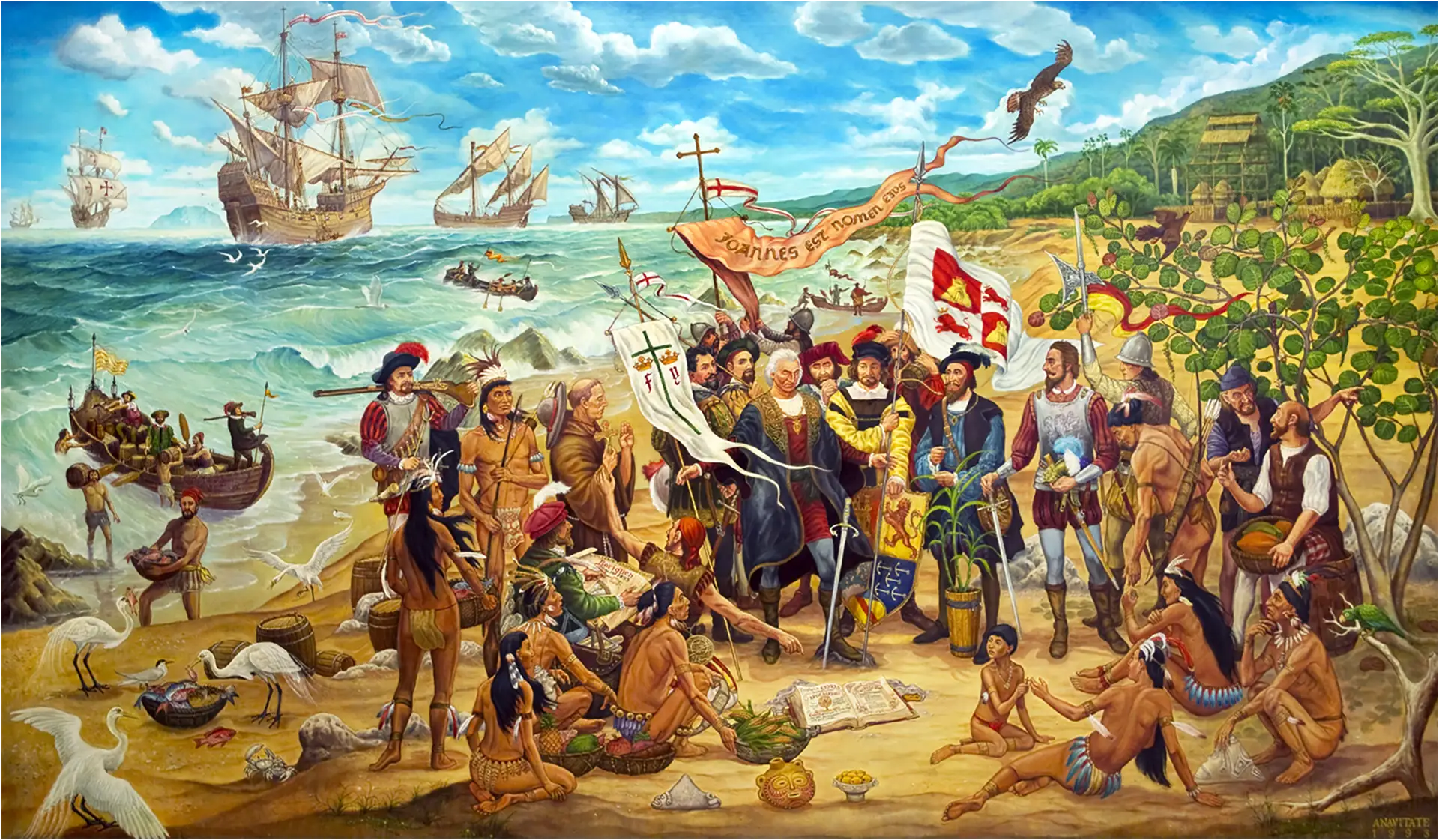
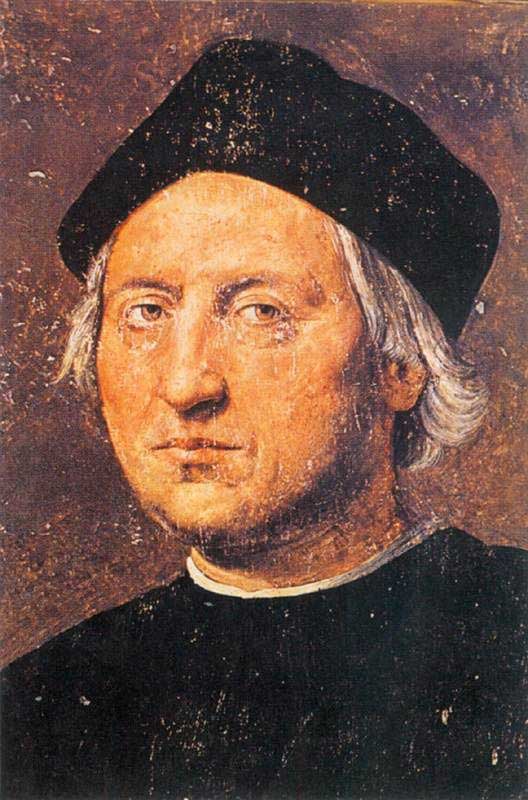
The story of European colonization in Puerto Rico begins with the arrival of Christopher Columbus on his second voyage in 1493. He claimed the island for the Crown of Castile, naming it San Juan Bautista in honor of Saint John the Baptist. However, the island itself was already inhabited by the Taíno people, who had lived there for centuries and referred to it as Borikén, meaning “Land of the Brave Lord.” The initial encounters between the Spaniards and the Taíno were not solely peaceful, and the European desire for exploration and expansion soon led to a profound and often brutal transformation of the indigenous society.
Establishing Spanish Rule
Despite Columbus‘s initial claim, significant Spanish settlement and colonization did not commence until 1508. Juan Ponce de León, a lieutenant of Columbus, was authorized by the Spanish Crown to establish settlements. He founded the first settlement, Caparra, near present-day San Juan. This marked the beginning of Spanish efforts to exploit the island’s resources, particularly gold, and to impose their rule and culture on the indigenous population.
The early years of Spanish rule were characterized by the establishment of administrative structures, the introduction of European agriculture, and the forced labor of the Taíno population. The Taíno, unaccustomed to the diseases brought by the Europeans and subjected to harsh working conditions, suffered a catastrophic decline in numbers. The Spanish implemented the encomienda system, a form of feudalism where Spanish settlers were granted control over native populations, ostensibly to Christianize them but in practice leading to widespread exploitation and death.
By the mid-16th century, it became evident that the gold reserves were not as abundant as initially hoped. This led to a shift in Spanish focus towards making Puerto Rico a strategic military outpost for the defense of its vast colonial empire in the Americas.
Fortifications and Defense
The strategic importance of Puerto Rico led to significant investment in its defense. The city of San Juan, with its naturally protected harbor, became a primary focus. Construction began on imposing fortifications, most notably the Castillo San Felipe del Morro, commonly known as El Morro, and the Castillo de San Cristóbal. These fortresses, along with their impressive walls and defensive systems, were designed to repel attacks from rival European powers such as the English and the Dutch, who frequently challenged Spanish dominance in the Caribbean.
These fortifications are now iconic landmarks and a testament to the military engineering prowess of the Spanish Empire. El Morro, perched at the entrance to San Juan Bay, and San Cristóbal, the largest Spanish fortification in the New World, stand as enduring symbols of Puerto Rico‘s colonial past. Exploring these historic sites offers a tangible connection to the island’s defensive struggles and its role as a strategic nexus in the Spanish Main. The architecture of these forts, with their thick walls, bastions, and strategic vantage points, provides a fascinating glimpse into the military tactics and technologies of the era.
The Spanish Colonial Era: Society, Economy, and Culture
The Spanish colonial period in Puerto Rico lasted for over 400 years, deeply shaping the island’s social, economic, and cultural landscape. This prolonged era of rule saw the establishment of towns, the development of agriculture, and the introduction of a new language, religion, and social hierarchy.
Social Hierarchy and Demographics
Spanish colonial society was rigidly stratified. At the top were the peninsulares (born in Spain), followed by criollos (of Spanish descent, born in the Americas). Below them were various mixed-race populations (mestizos, mulattos) and enslaved Africans, who were increasingly brought to the island to work on plantations, especially as the Taíno population continued to dwindle. This complex social structure, with its racial and class distinctions, left a lasting impact on Puerto Rico’s society.
The economy, initially driven by gold mining, eventually shifted towards agriculture. Sugarcane plantations became a dominant feature of the landscape, requiring a significant labor force. This reliance on enslaved labor, a grim aspect of colonial history across the Americas, also played a role in shaping Puerto Rico‘s demographic makeup and its historical consciousness.
Cultural Legacy
The Spanish left an indelible cultural imprint on Puerto Rico. The Spanish language, Castilian Spanish, became the official language and remains so today, though it has evolved with its own unique Puerto Rican accent and vocabulary. Roman Catholicism was introduced and remains the dominant religion, influencing festivals, traditions, and daily life. Many of Puerto Rico‘s cities and towns, including San Juan, Ponce, and Arecibo, were founded during the Spanish colonial period, and their colonial architecture, characterized by colorful buildings, wrought-iron balconies, and central plazas, is a significant attraction for tourists.
The island’s cuisine also bears the hallmarks of Spanish influence, blended with indigenous Taíno ingredients and African culinary traditions. Dishes like mofongo (mashed plantains with garlic and pork cracklings) and arroz con gandules (rice with pigeon peas) are testaments to this rich fusion.
The Transition to United States Territory: A New Chapter
While the Spanish colonial period was the longest and most formative, Puerto Rico’s history took a dramatic turn at the end of the 19th century. The Spanish-American War in 1898 resulted in Spain ceding Puerto Rico (along with Cuba and Guam) to the United States under the terms of the Treaty of Paris. This marked the end of over 400 years of Spanish rule and the beginning of a new era under American administration.
American Administration and Its Impact
Initially, Puerto Rico was governed by military rule under the United States. In 1900, the Foraker Act (also known as the Organic Act of 1900) was passed, establishing a civilian government and designating Puerto Rico as an unincorporated territory of the United States. This meant that the U.S. Constitution did not automatically apply in its entirety to the island.
The American period brought significant changes. The U.S. introduced new economic policies, infrastructure development, and a new political system. American currency replaced the Spanish peseta, and English began to be introduced into the education system, alongside Spanish. While Puerto Rico became a territory of the United States, its residents were granted U.S. citizenship in 1917 through the Jones-Shafroth Act. However, they do not have full voting rights in U.S. presidential elections and have no voting representation in the U.S. Congress.

Tourism and Modern Puerto Rico
The transition to U.S. territory has continued to influence Puerto Rico‘s development, including its burgeoning tourism industry. While the Spanish legacy is vividly present in the historic sites and cultural traditions, the American influence is seen in modern infrastructure, business practices, and the accessibility of the island to American travelers. Resorts, hotels, and flight connections have benefited from this relationship, making Puerto Rico a popular destination for Americans seeking Caribbean getaways.
The island’s identity today is a unique blend of its Taíno heritage, its centuries of Spanish influence, and its modern association with the United States. Travelers can experience this rich history by visiting the colonial forts of Old San Juan, exploring the lush El Yunque National Forest, enjoying the vibrant nightlife in San Juan, and savoring the unique cuisine that reflects its diverse cultural roots. Understanding who colonized Puerto Rico thus provides a deeper appreciation for the island’s complex and fascinating story, a story that continues to unfold.
LifeOutOfTheBox is a participant in the Amazon Services LLC Associates Program, an affiliate advertising program designed to provide a means for sites to earn advertising fees by advertising and linking to Amazon.com. Amazon, the Amazon logo, AmazonSupply, and the AmazonSupply logo are trademarks of Amazon.com, Inc. or its affiliates. As an Amazon Associate we earn affiliate commissions from qualifying purchases.