
While the question “Who Is Governor Of Puerto Rico?” might seem straightforward, delving into the answer reveals a fascinating intersection of politics, history, and the vibrant life of this Caribbean gem. As a leading resource for travel, tourism, and accommodation, understanding the leadership of Puerto Rico is crucial for appreciating the island’s present and anticipating its future. This article will explore the current gubernatorial landscape, touch upon the historical context, and connect this to the experiences of travelers and residents alike, highlighting how governance impacts the very destinations, attractions, and lifestyles that lifeoutofthebox.com celebrates.
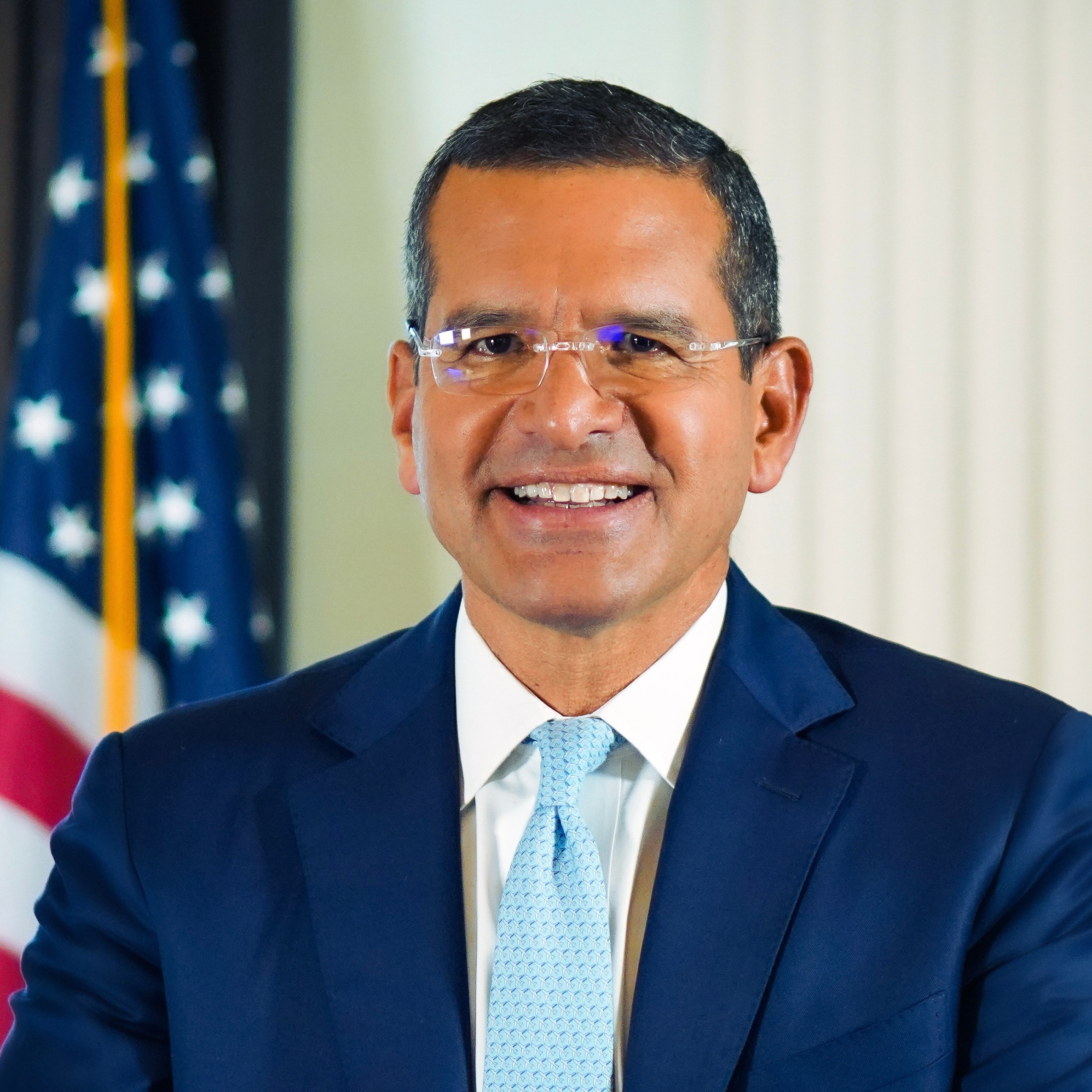
The Current Governor and Their Role
As of the current political landscape, the Governor of Puerto Rico is Pedro Pierluisi. He assumed office on January 2, 2021. Understanding his role is key to grasping the governance of the island. The Governor serves as the chief executive of the Commonwealth of Puerto Rico, a position that carries significant responsibilities for the welfare and development of its citizens and its thriving tourism sector.
Executive Authority and Responsibilities
The Governor of Puerto Rico is the head of the executive branch of the insular government. This means they are responsible for implementing and enforcing laws passed by the legislative assembly. Their duties are extensive and touch upon nearly every facet of island life, including:
- Economic Development: A key focus for any governor is fostering economic growth. This often involves attracting foreign investment, supporting local businesses, and creating jobs. For a destination heavily reliant on tourism, this translates directly into initiatives that enhance infrastructure, promote new attractions, and ensure a welcoming environment for visitors. Travelers to Puerto Rico often benefit from improved transportation networks, updated hotel facilities, and a more vibrant array of cultural experiences, all of which can be influenced by the governor’s economic policies.
- Public Services: Ensuring the provision of essential public services is paramount. This includes overseeing education, healthcare, public safety, and infrastructure maintenance. The quality of these services directly impacts the daily lives of residents and can also influence a tourist’s experience. For instance, well-maintained roads leading to popular landmarks like El Yunque National Forest or efficient public transportation within San Juan are indicative of effective governance.
- Tourism and Culture Promotion: The Governor plays a pivotal role in championing Puerto Rico as a premier tourist destination. This can involve spearheading marketing campaigns, supporting cultural festivals, and investing in the preservation of historical sites and natural wonders. The governor’s administration often works closely with tourism boards and private sector entities, like the Puerto Rico Tourism Company, to highlight the island’s unique offerings, from its vibrant local culture and delicious food to its diverse attractions and unforgettable experiences.
- Intergovernmental Relations: The Governor also serves as the primary liaison between Puerto Rico and the United States federal government, as well as engaging with international entities. This relationship is crucial for securing federal funding, advocating for the island’s interests, and navigating its unique political status.
The Political Landscape
Pedro Pierluisi belongs to the New Progressive Party, which advocates for statehood for Puerto Rico. This political affiliation has historically shaped discussions about the island’s future and its relationship with the United States. The governor’s political stance can influence policy decisions, economic strategies, and the overall direction of the island, which in turn can have ripple effects on the tourism and accommodation sectors. For instance, policies aimed at economic revitalization might lead to new resort developments or infrastructure upgrades that enhance the travel experience.
A Glimpse into Puerto Rico’s Gubernatorial History
Understanding the current governor also benefits from a brief look at the history of the office. The position of Governor of Puerto Rico has evolved significantly over the centuries, from the Spanish colonial era to the present day. While the article’s primary focus is on the current governor, acknowledging this historical trajectory adds depth to the understanding of the island’s governance.
Evolution of the Governor’s Office
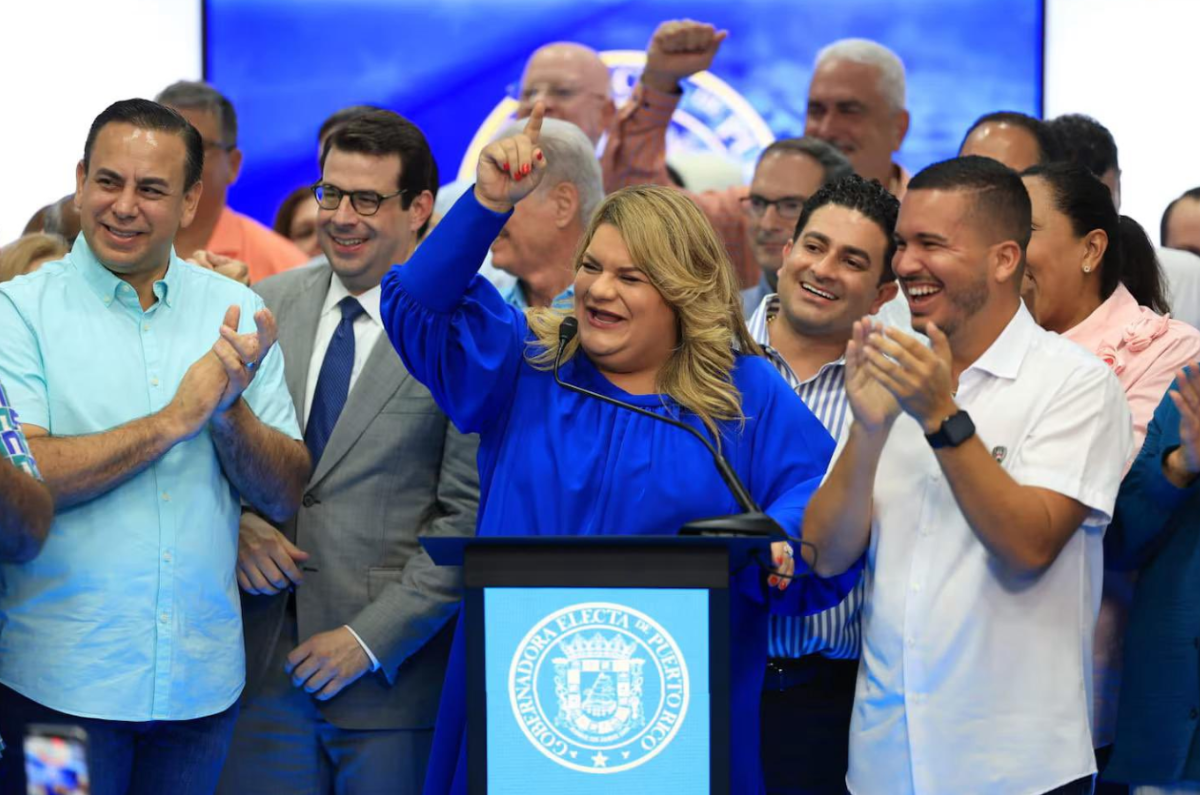
Initially appointed by the Spanish Crown, the role of governor was central to colonial administration. Following the Spanish-American War in 1898, Puerto Rico came under the control of the United States. For a period, governors were appointed by the President of the United States. It was not until the Elective Governor Act of 1947 that Puerto Ricans gained the right to elect their own governor. This marked a significant shift towards self-governance and democratic representation.
Prominent governors throughout this history have shaped Puerto Rico’s identity and its journey towards greater autonomy. Each administration has left its mark, influencing everything from economic policies and infrastructure development to cultural preservation and educational reforms. These historical decisions and leadership styles continue to resonate and inform the present-day governance of the island.
The Governor’s Impact on Tourism and Lifestyle
The actions and policies of the Governor of Puerto Rico have a tangible impact on the experiences of both residents and visitors. The governor’s vision and priorities directly influence the development and promotion of the island’s incredible offerings, which are central to the themes explored on lifeoutofthebox.com.
Enhancing Travel Experiences
A governor focused on robust tourism initiatives can lead to significant improvements that elevate the travel experience. This can manifest in several ways:
- Infrastructure Investment: Improved airports, well-maintained roads leading to destinations like the historic city of Old San Juan or the bioluminescent bays of Vieques, and reliable public transportation systems make it easier and more enjoyable for tourists to explore the island.
- Attraction Development and Preservation: Funding for the maintenance and enhancement of landmarks such as the Castillo San Felipe del Morro or the creation of new tourism infrastructure, like modern convention centers or recreational facilities, can attract a wider range of visitors. The governor’s office often plays a role in allocating resources for the preservation of natural wonders and historical sites, ensuring that these treasures remain for future generations to enjoy.
- Safety and Security: A governor’s commitment to public safety ensures that tourists feel secure while exploring Puerto Rico, from its bustling city centers to its serene beaches. This includes effective policing and emergency services.
- Promotional Efforts: Marketing campaigns orchestrated or supported by the governor’s administration can highlight Puerto Rico on the global stage, showcasing its unique blend of luxury travel, budget travel, and family-friendly activities. This directly influences the volume and type of tourism the island attracts.

Supporting Diverse Lifestyles
Beyond traditional tourism, the governor’s influence extends to the broader lifestyle of Puerto Rico, which is a key aspect of our content. This includes:
- Cultural Enrichment: Policies that support the arts, music, and culinary traditions contribute to a rich cultural tapestry that attracts those seeking authentic experiences. The governor’s office can champion events like the San Juan Bautista Festival or support local artisans, enhancing the overall cultural immersion for visitors.
- Accommodation Standards: While hotels and resorts are often privately owned, the government can set standards and provide incentives for development that impact the quality and variety of accommodation available, from luxurious suites to charming villas. This also applies to regulations that might affect long-term stay options.
- Economic Opportunities: Economic policies enacted under the governor’s leadership can create job opportunities and foster entrepreneurship, contributing to the island’s vibrant economy and making it an attractive place not just to visit, but also to live or engage in business stays.
In conclusion, the question “Who Is Governor Of Puerto Rico?” leads us to Pedro Pierluisi, the current head of the executive branch. His role is instrumental in shaping the island’s destiny, from its economic development and public services to its vibrant tourism sector and rich cultural heritage. Understanding the governor’s responsibilities and influence provides a deeper appreciation for the island, allowing us to better understand the forces that shape the destinations, attractions, and unique lifestyles that make Puerto Rico such a captivating place to explore.
LifeOutOfTheBox is a participant in the Amazon Services LLC Associates Program, an affiliate advertising program designed to provide a means for sites to earn advertising fees by advertising and linking to Amazon.com. Amazon, the Amazon logo, AmazonSupply, and the AmazonSupply logo are trademarks of Amazon.com, Inc. or its affiliates. As an Amazon Associate we earn affiliate commissions from qualifying purchases.