
While the vibrant tapestry of Puerto Rico offers an unparalleled experience for travelers, from its sun-drenched beaches and historic landmarks to its exquisite cuisine and diverse accommodations, the island’s political landscape is a crucial element shaping its future. As 2024 approaches, the question of who will lead Puerto Rico as its next Governor is a topic of significant interest, not only for its residents but also for those who frequent its shores for tourism and leisure. Understanding the political contenders provides insight into potential policy shifts that could impact everything from infrastructure and public safety to economic development and tourism initiatives. This exploration delves into the potential candidates, their platforms, and what their leadership might signify for the island’s trajectory.
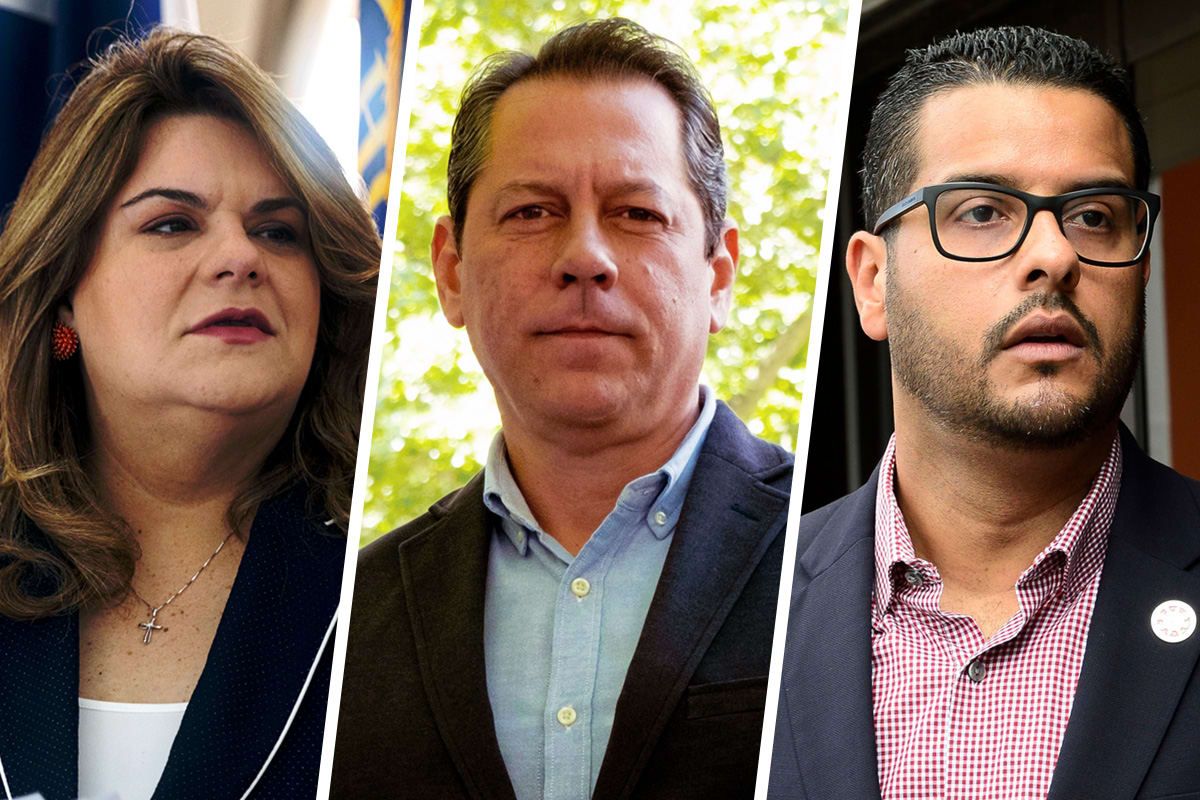
The upcoming gubernatorial election in Puerto Rico is more than just a political event; it’s a pivotal moment that will define the island’s governance and its relationship with the United States for the next four years. The Governor of Puerto Rico holds significant power, overseeing administrative functions, proposing legislation, and acting as the chief advocate for the island’s interests on both national and international stages. The candidates vying for this influential position will undoubtedly bring diverse perspectives and policy proposals, each aiming to address the multifaceted challenges and opportunities facing Puerto Rico.
The Political Landscape and Key Players
The political arena in Puerto Rico is historically characterized by the dominance of two major parties, although independent and smaller party candidacies can also emerge. The upcoming election will see candidates from established parties, likely the New Progressive Party (PNP) and the Popular Democratic Party (PPD), alongside potential contenders from other political forces. These parties represent differing viewpoints on Puerto Rico’s political status, economic development strategies, and social policies.
The PNP, generally advocating for statehood for Puerto Rico, often emphasizes economic growth through closer ties with the United States and increased federal investment. Its candidates typically focus on modernizing infrastructure, attracting foreign investment, and streamlining business regulations. For the tourism sector, this could translate into initiatives aimed at enhancing attractions like El Yunque National Forest or improving transportation networks to popular destinations such as Old San Juan. Their approach often aligns with a vision of Puerto Rico as a fully integrated part of the United States, potentially leading to more federal funding for hotels and resorts.
Conversely, the PPD typically champions the option of enhanced commonwealth status, seeking greater autonomy while maintaining economic and political ties with the United States. Their platform often centers on strengthening local industries, promoting social programs, and preserving Puerto Rico’s unique cultural identity. For tourism, this might mean a focus on promoting local culture, supporting small businesses that offer authentic experiences, and investing in heritage sites that highlight Puerto Rico’s rich history. Their policies could also emphasize sustainable tourism and environmental protection of natural landmarks.
Beyond these two dominant forces, other political movements and independent candidates may emerge, bringing fresh perspectives and potentially challenging the established political order. These candidates might focus on specific issues such as environmental sustainability, economic diversification away from traditional sectors, or a unique approach to Puerto Rico’s relationship with the United States. Their campaigns, even if they do not result in victory, can influence the broader political discourse and push mainstream parties to address a wider range of concerns.
Examining Potential Candidates and Their Platforms
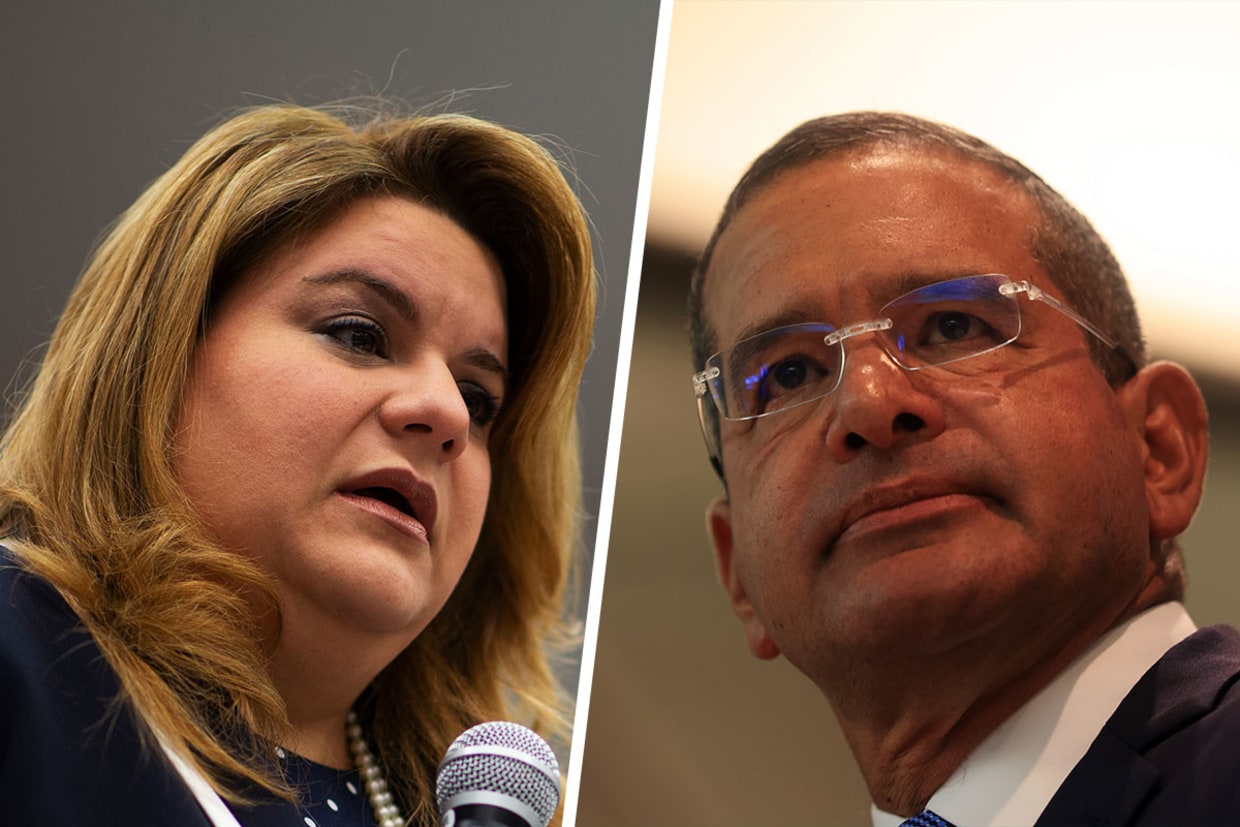
While the official candidate lists are typically finalized closer to the election, public discourse and internal party deliberations offer insights into who might be vying for the governorship. Identifying these potential candidates allows for a closer examination of their proposed policies and their potential impact on various sectors, including the vital tourism industry.
Potential Candidates from the New Progressive Party (PNP):
Figures within the PNP who have held significant public office or possess strong fundraising capabilities are often considered frontrunners. Candidates from this party are likely to propose policies that facilitate business investment and development. This could involve tax incentives for hotels and resorts, infrastructure improvements for key travel destinations like the Port of San Juan or Rafael Hernández Airport, and efforts to attract more direct flights from major international hubs. Their vision for Puerto Rico often includes bolstering its appeal as a destination for luxury travel and business stays.
Potential Candidates from the Popular Democratic Party (PPD):
The PPD often fields candidates with a strong emphasis on social welfare and cultural preservation. Their gubernatorial hopefuls are likely to advocate for policies that support local artisans, small businesses providing unique experiences, and the protection of natural and historical landmarks. This could mean increased funding for the Puerto Rico Museum of Art or initiatives to preserve the historic architecture of towns like Ponce. Their approach to tourism might focus on sustainable tourism practices and promoting the island’s rich food and cultural heritage to a wider audience.
Emerging Voices and Independent Candidacies:
In recent electoral cycles, Puerto Rico has seen increased interest in independent candidacies or the rise of new political movements that seek to address issues not fully covered by the traditional parties. These candidates might emerge from grassroots movements or bring expertise from fields like environmental science, economics, or social activism. Their platforms could focus on urgent issues such as climate change resilience, economic reform to reduce reliance on external debt, or improving accommodation options for different lifestyle choices, including budget travel and family trips. Their influence can be significant in shaping the debate and pushing for innovative solutions.
Policy Implications for Tourism and Lifestyle
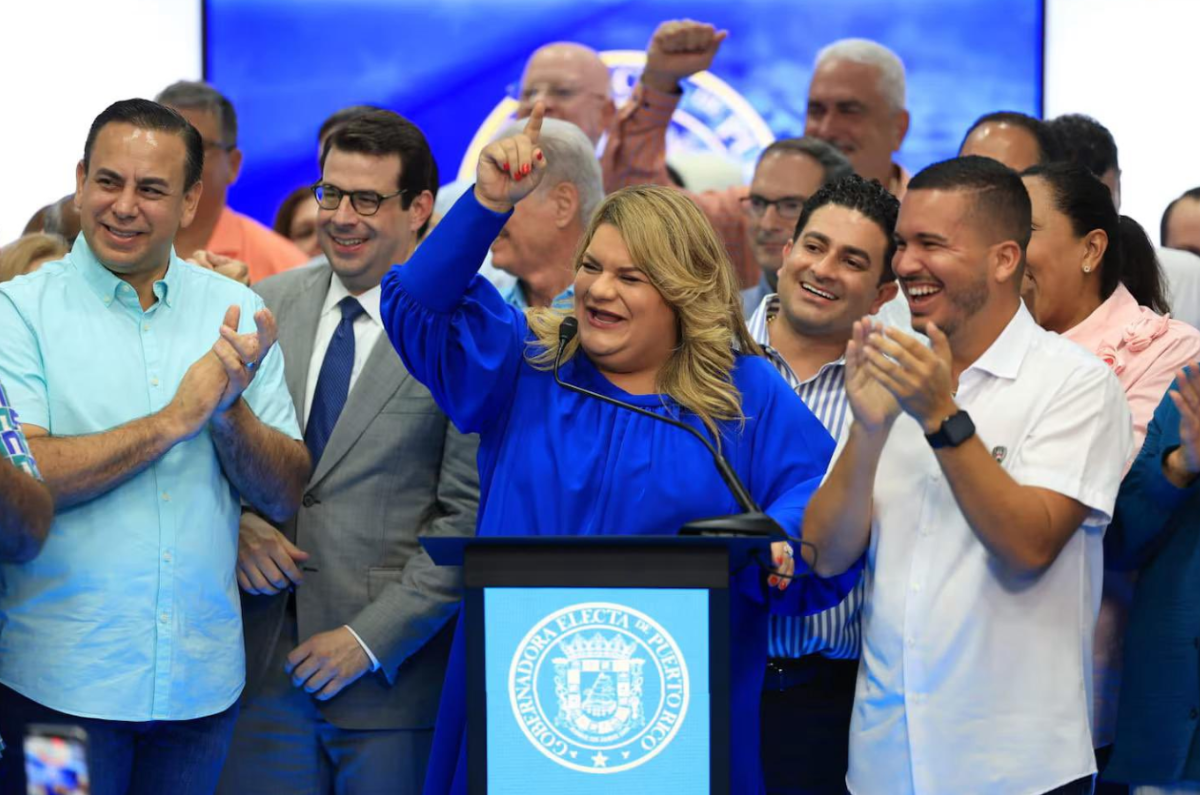
The outcome of the 2024 gubernatorial election will undoubtedly have a profound impact on Puerto Rico’s tourism sector and the overall lifestyle offerings for residents and visitors alike. Different gubernatorial platforms will translate into distinct policy priorities that can affect everything from the development of new attractions and the upkeep of landmarks to the quality and availability of accommodations and the regulatory environment for businesses.
Impact on Destinations and Attractions:
A Governor focused on statehood, for instance, might prioritize projects that align with federal development plans, potentially leading to significant investment in major tourist hubs like San Juan or the development of new infrastructure to support large-scale resorts. This could enhance the appeal of destinations like Condado or Isla Verde with more modern amenities and attractions. Conversely, a leader emphasizing autonomy might focus on preserving the unique character of existing attractions and promoting lesser-known natural wonders and cultural sites, ensuring that the island’s authenticity remains a key selling point. This could involve increased support for exploring the bioluminescent bays or developing guided tours of historic architectural sites.
Shaping Accommodation and Hospitality:
The choice of Governor can also influence the hospitality industry. Policies related to zoning, licensing, and taxation could either encourage the development of more luxury villas and boutique hotels or support a wider range of accommodation options, including more affordable apartments and guesthouses catering to budget travelers. Gubernatorial administrations might also implement initiatives to improve service standards, promote eco-tourism, and support long-term stays for those seeking a more immersive experience of Puerto Rico. The focus on amenities, whether it’s access to pristine beaches, high-speed internet for business travelers, or family-friendly facilities, will be shaped by the administration’s economic and social agenda.
Enhancing Local Culture and Experiences:
A key aspect of Puerto Rico’s appeal lies in its vibrant local culture and diverse experiences. The elected Governor will play a role in funding and promoting cultural institutions, festivals, and culinary traditions. An administration that prioritizes cultural preservation might increase support for museums, art galleries, and historical preservation projects, ensuring that iconic landmarks like Castillo San Felipe del Morro are well-maintained and accessible. Policies that encourage the growth of local food businesses and support the vibrant music and dance scene will also contribute to a richer and more authentic visitor experience. The Governor’s vision for Puerto Rico will ultimately guide how these rich cultural assets are leveraged and presented to the world.