
The question “Who Is The President For Puerto Rico?” is more complex than it appears at first glance. It delves into the intricate political status of Puerto Rico, a captivating Caribbean island that holds a unique position in the United States‘ territorial landscape. Unlike the 50 states, Puerto Rico is an unincorporated U.S. territory, meaning it is subject to the authority of the U.S. Congress but its residents are U.S. citizens who cannot vote in presidential elections. This fundamental distinction shapes the island’s governance and the relationship it shares with the mainland.
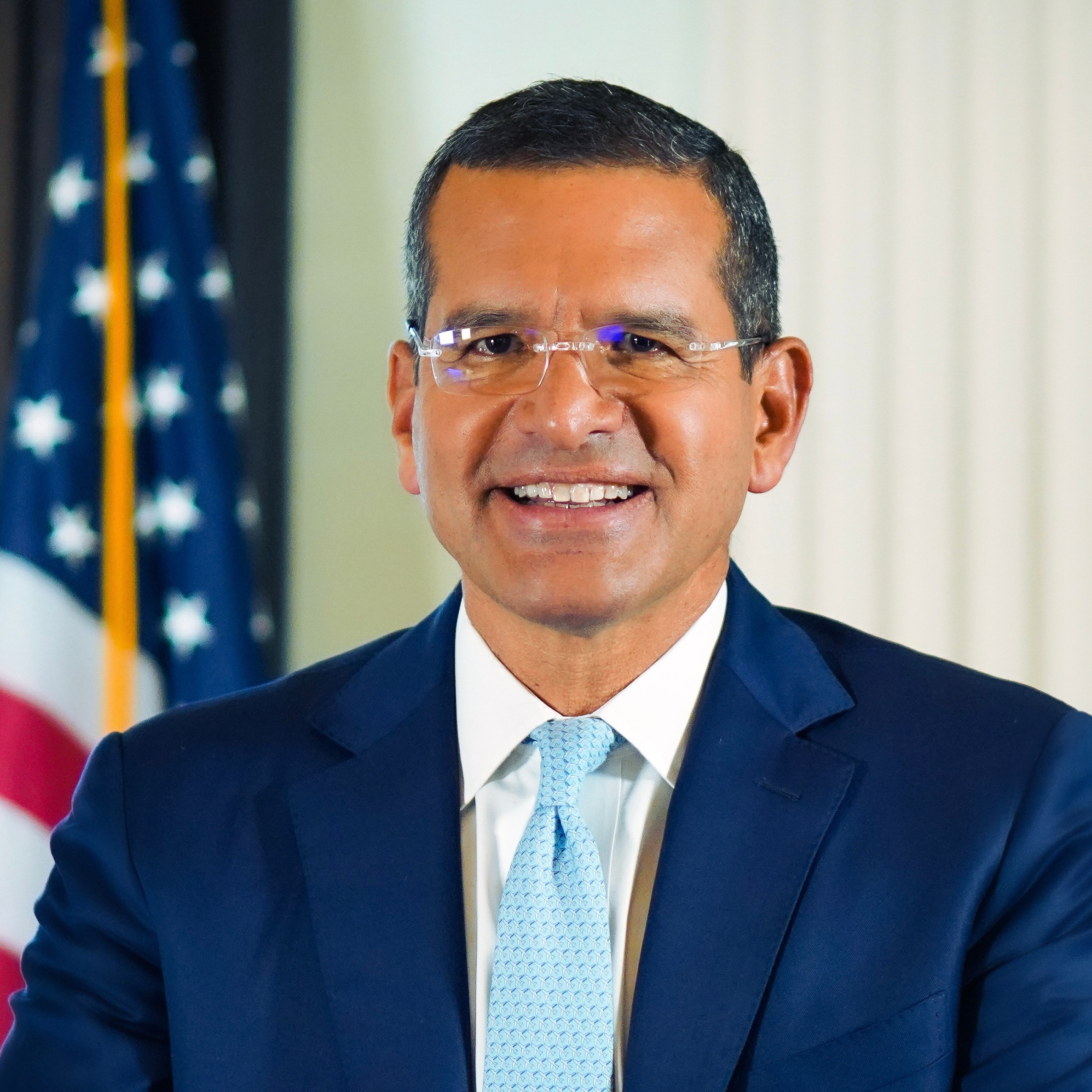
While Puerto Rico does not have its own president in the traditional sense, the President of the United States holds significant power and influence over the island’s affairs. This presidential authority manifests in various ways, from appointing federal judges and officials to shaping policy through executive orders and influencing legislative priorities. The President of the United States‘ administration plays a crucial role in determining the island’s economic development, disaster relief efforts, and its broader political future. Understanding this dynamic is key to grasping the nuances of Puerto Rico‘s governance and the aspirations of its people.
Navigating Governance: The Presidential Influence on Puerto Rico
The governance of Puerto Rico is a multifaceted system where the U.S. President, though not directly elected by Puerto Ricans, wields considerable influence. This influence is exercised through various channels, each carrying significant weight in the island’s daily life and long-term prospects.
The Appointed Authority: Governors and Federal Officials
One of the most direct ways the President of the United States impacts Puerto Rico is through the appointment of key officials. Historically, the Governor of Puerto Rico was appointed by the U.S. President. While the island now has an elected governor, the U.S. President’s administration still appoints the United States Attorney for Puerto Rico and federal judges who preside over federal courts on the island. These appointments are critical as these individuals are responsible for upholding federal law, prosecuting federal crimes, and interpreting federal statutes within the jurisdiction of Puerto Rico. Their decisions and actions can have profound implications for the island’s legal framework and its residents.
Furthermore, the President of the United States oversees various federal agencies that operate in Puerto Rico. These agencies, such as FEMA (Federal Emergency Management Agency), the Department of Health and Human Services, and the Department of Housing and Urban Development, are responsible for implementing federal programs, providing aid during emergencies, and regulating various aspects of life on the island. The policies and priorities set by the President of the United States directly trickle down to these agencies, influencing the resources and support Puerto Rico receives. For instance, during natural disasters like hurricanes, the speed and effectiveness of federal aid, often coordinated by the President‘s administration, can be the difference between recovery and prolonged hardship for communities across the island.
Shaping Policy and Legislation: A Presidential Agenda
The President of the United States also plays a vital role in shaping the legislative agenda that affects Puerto Rico. While Puerto Rico has a Resident Commissioner in the U.S. House of Representatives, who can vote in committee but not on the House floor, the ultimate power to pass laws governing the territory lies with the U.S. Congress. The President of the United States, through their legislative proposals, budget requests, and public pronouncements, can significantly influence what issues are prioritized by Congress and what legislation is considered.
For example, economic development initiatives, infrastructure projects, and changes to federal funding formulas often require congressional action. The President‘s support or opposition to such measures can be a deciding factor in their success. Historically, administrations have approached the economic challenges of Puerto Rico with varying strategies, from promoting investment and tax incentives to advocating for debt restructuring. Each administration’s approach reflects the President‘s overall policy objectives and their perception of Puerto Rico‘s needs and potential. The ongoing debate about Puerto Rico‘s political status – whether statehood, independence, or enhanced commonwealth – is also deeply intertwined with the President‘s agenda, as any fundamental change would likely require presidential endorsement and congressional legislation.
Tourism and Lifestyle: The Allure of Puerto Rico
Beyond the political and administrative aspects, the allure of Puerto Rico lies in its vibrant culture, stunning natural beauty, and diverse tourism offerings. The island is a premier destination for travelers seeking a blend of historical immersion, thrilling adventures, and relaxed luxury. The President of the United States‘ administration, while not directly managing tourism, can indirectly influence the perception and promotion of Puerto Rico as a travel destination through various means, including diplomatic relations and federal investment in infrastructure that supports tourism.
A Tapestry of Attractions: From Historic San Juan to Natural Wonders
Puerto Rico boasts an incredible array of attractions that cater to every type of traveler. The historic heart of the island, Old San Juan, is a UNESCO World Heritage site, captivating visitors with its colorful colonial architecture, cobblestone streets, and formidable fortifications like Castillo San Felipe del Morro and Castillo San Cristóbal. These landmarks whisper tales of centuries past, offering a glimpse into Puerto Rico‘s rich history as a strategic Spanish stronghold. Wandering through these ancient fortresses and exploring the charming plazas provides an immersive travel experience.
Nature enthusiasts are equally drawn to Puerto Rico‘s diverse landscapes. The El Yunque National Forest, the only tropical rainforest in the U.S. National Forest System, offers hiking trails through lush vegetation, past cascading waterfalls, and opportunities to spot unique flora and fauna. For those seeking coastal beauty, the island is fringed with pristine beaches, from the vibrant shores of Isla Verde to the tranquil waters of Flamenco Beach on Culebra Island, often cited as one of the world’s most beautiful. The bioluminescent bays, such as Mosquito Bay on Vieques Island, offer a magical nighttime experience, where microscopic organisms light up the water with an ethereal glow.
Accommodation and Experiences: From Luxury Resorts to Authentic Stays
The island’s accommodation options are as varied as its attractions, catering to diverse preferences and budgets. Luxury travelers can indulge in world-class resorts like the Dorado Beach, a Ritz-Carlton Reserve, which offers unparalleled service, stunning ocean views, and exquisite amenities. For those seeking a more intimate experience, boutique hotels in Old San Juan provide charm and character, often housed in beautifully restored historic buildings.
Apartment rentals and private villas are also popular choices, particularly for families or groups looking for more space and flexibility. These accommodations can offer a home-away-from-home feel, with amenities like private pools and fully equipped kitchens, allowing visitors to truly immerse themselves in the local lifestyle. Travelers interested in experiencing the authentic pulse of Puerto Rico can opt for guesthouses or smaller inns in less-trafficked towns, where they can interact with locals and discover hidden gems off the beaten path.
The tourism sector in Puerto Rico is a vital component of its economy. The U.S. President‘s administration can play a role in supporting this sector through federal funding for infrastructure improvements, such as airport upgrades or road maintenance, which directly impact the ease of travel and the overall visitor experience. Furthermore, promotional efforts through national tourism bodies or international trade agreements can also indirectly bolster Puerto Rico‘s standing as a desirable travel destination. The island’s rich culture, exemplified by its lively music scene, delicious cuisine, and vibrant festivals, adds another layer of appeal, making it a multifaceted destination that continues to captivate visitors from around the globe.
The Economic Landscape and Presidential Priorities
The economic health of Puerto Rico is a persistent concern, and the relationship between the island and the U.S. federal government, overseen by the President, is central to its financial well-being. The island has faced significant economic challenges in recent decades, including substantial debt, a stagnant economy, and the impact of natural disasters. The President‘s administration plays a critical role in shaping policies that can either alleviate or exacerbate these issues.
Federal Funding and Economic Development: A Delicate Balance
Puerto Rico relies heavily on federal funding for essential services and infrastructure development. Programs administered by agencies like the Department of Housing and Urban Development (HUD) provide crucial support for housing, community development, and disaster recovery. The allocation and administration of these funds are directly influenced by the President‘s budget priorities and the policies enacted by his administration. For example, the speed and scope of federal assistance following hurricanes like Maria had a profound impact on the island’s recovery trajectory.
Moreover, the President‘s economic agenda can significantly influence investment in Puerto Rico. Policies related to taxation, trade, and business incentives can either encourage or deter businesses from operating on the island. Historically, U.S. administrations have debated various approaches to stimulate economic growth in Puerto Rico, including the effectiveness of tax incentives such as Section 936 of the Internal Revenue Code, which was eventually phased out. The current administration’s focus on infrastructure investment, renewable energy, and job creation can also have a ripple effect on Puerto Rico‘s economic prospects, provided that the island is adequately included in national initiatives.

Debates on Status and Self-Determination: The President’s Role
The ongoing debate about Puerto Rico‘s political status is inextricably linked to the President‘s office. Whether Puerto Rico should become a state, remain a commonwealth, or pursue independence is a question that has been debated for decades. While the ultimate decision rests with the people of Puerto Rico and the U.S. Congress, the President‘s stance can significantly influence the direction of these discussions.
A President who champions statehood for Puerto Rico could lend considerable weight to legislative efforts to achieve statehood, potentially opening doors for increased federal representation and funding. Conversely, an administration that favors maintaining the current status or exploring other options would shape the political discourse and the legislative landscape accordingly. The President‘s support for, or opposition to, congressionally-led plebiscites on status further amplifies their influence. Ultimately, the President of the United States holds a unique position of influence over Puerto Rico‘s governance, economy, and its very identity, making the question of “Who is the President for Puerto Rico?” a multifaceted one with profound implications for the island’s future.
LifeOutOfTheBox is a participant in the Amazon Services LLC Associates Program, an affiliate advertising program designed to provide a means for sites to earn advertising fees by advertising and linking to Amazon.com. Amazon, the Amazon logo, AmazonSupply, and the AmazonSupply logo are trademarks of Amazon.com, Inc. or its affiliates. As an Amazon Associate we earn affiliate commissions from qualifying purchases.