
The allure of Margaritaville is undeniable. It conjures images of sun-drenched beaches, frosty drinks, and an endless escape from the everyday hustle. This iconic brand, synonymous with a laid-back lifestyle and tropical escapism, has expanded far beyond its musical roots to encompass a growing collection of resorts, hotels, and themed entertainment venues. But when you book a stay at a Margaritaville Resort, a crucial question arises for savvy travelers and curious minds alike: who truly owns these slices of paradise? The answer, like the brand itself, is a blend of visionaries, strategic partnerships, and a carefully cultivated ecosystem designed to extend the Margaritaville experience.
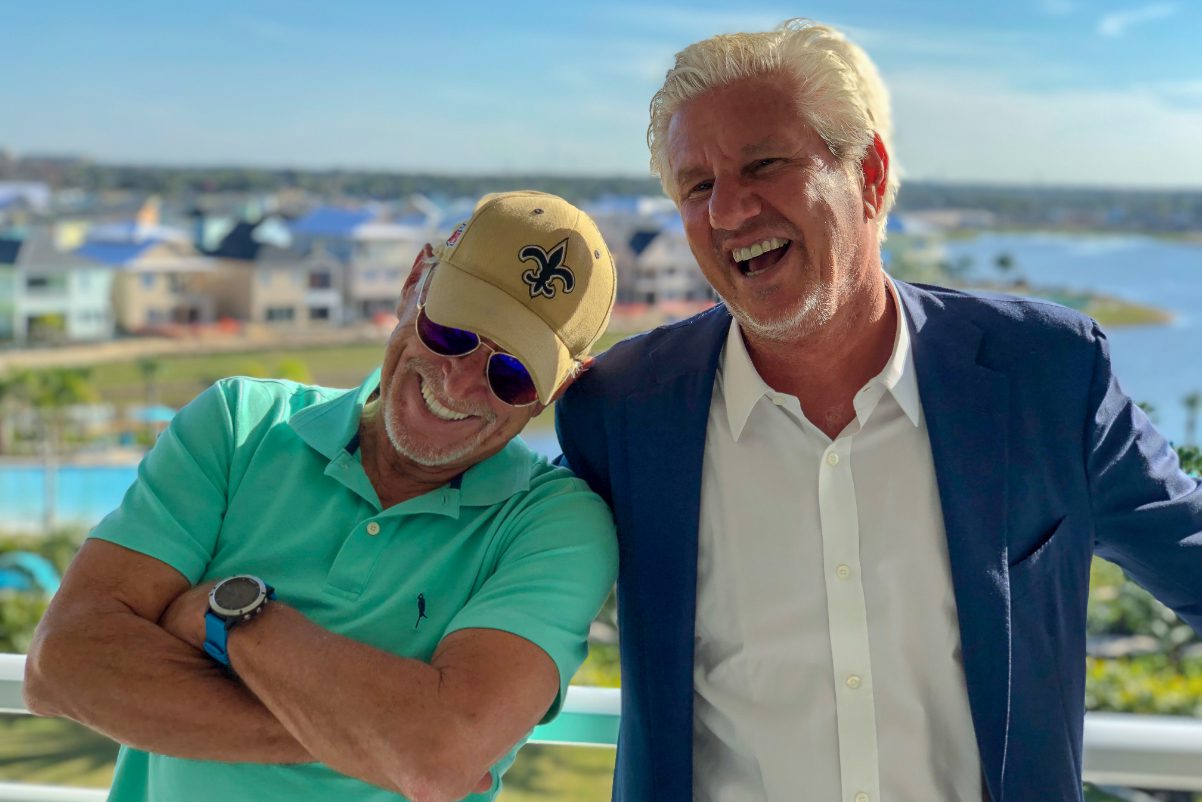
While the name Jimmy Buffett is inextricably linked to Margaritaville, it’s important to understand that he is not the sole owner of every single Margaritaville Resort. The ownership structure is more nuanced, involving several key players and strategic business models. At its core, Margaritaville is a lifestyle brand, and its expansion into hospitality has been managed with a keen understanding of how to translate that brand equity into tangible guest experiences. This involves a mix of direct brand ownership and franchise agreements, allowing the Margaritaville spirit to flourish across diverse locations and ownership groups.
The Visionary Behind the Brand: Jimmy Buffett and His Creative Empire
The genesis of Margaritaville lies with the late, legendary singer-songwriter Jimmy Buffett. His hit song “Margaritaville,” released in 1977, became an anthem for a generation seeking a simpler, more carefree existence. This song wasn’t just a musical success; it was a cultural phenomenon that laid the foundation for an expansive brand. Buffett himself was not merely a musician; he was a shrewd entrepreneur who recognized the immense potential of translating his music and lifestyle philosophy into a tangible business.
From the early days, Buffett envisioned Margaritaville as more than just a song. He saw it as a lifestyle that could be experienced through various consumer products and entertainment ventures. The first Margaritaville restaurant, opened in Key West, Florida, in 1985, was a testament to this vision. It offered a physical space where fans could immerse themselves in the Margaritaville vibe, enjoying food, drinks, and live music that echoed the themes of his songs. This initial foray into hospitality proved to be a resounding success, paving the way for further expansion.
Jimmy Buffett and his business partners were instrumental in developing the core concept of Margaritaville as a hospitality brand. They focused on creating environments that were not just places to stay, but destinations in themselves, offering a complete escape. This meant integrating dining, entertainment, retail, and, of course, comfortable accommodations, all infused with the signature Margaritaville aesthetic and ethos. While Buffett remained the guiding creative force and a significant stakeholder, the operational and developmental aspects often involved collaborations with experienced hospitality and real estate professionals.
The Evolution of the Margaritaville Brand in Hospitality
The journey from a single restaurant to a global resort empire is a fascinating one, marked by strategic growth and a consistent adherence to the brand’s core values. Margaritaville recognized that to capture the essence of its brand, it needed to offer more than just themed décor. It needed to cultivate an experience that resonated deeply with its target audience – individuals who aspired to a lifestyle of relaxation, fun, and a touch of escapism.
The expansion into hotels and resorts was a natural progression. These larger-scale properties allowed for a more comprehensive immersion into the Margaritaville world. Guests could book suites or villas, enjoy extensive amenities, and participate in a variety of activities, all designed to embody the carefree spirit of the brand. This strategic move tapped into the burgeoning tourism market, offering a unique alternative to traditional hotel offerings.

Margaritaville also understood the importance of location. Resorts were strategically developed in popular tourist destinations, often with a direct connection to beaches, waterways, or other natural attractions that complemented the tropical theme. This allowed the brand to capitalize on existing travel trends and appeal to a broad spectrum of travelers, from families seeking a fun-filled vacation to couples looking for a romantic getaway, and even business travelers seeking a more relaxed atmosphere for their stays.
Ownership Models: A Blend of Brand Control and Strategic Partnerships
Understanding who owns Margaritaville Resorts requires delving into the various ownership and operational models employed by the brand. It’s not a monolithic ownership structure; rather, it’s a testament to flexibility and smart business strategy. The brand often partners with developers and hotel management companies to bring Margaritaville properties to life. This allows for significant capital investment from external partners while ensuring the Margaritaville brand’s integrity and operational standards are maintained.
One common model involves a partnership between the Margaritaville brand, often represented by Margaritaville Holdings, and a third-party developer or ownership group. In these arrangements, the developer secures the land, finances the construction, and often retains ownership of the property. The Margaritaville brand, in turn, licenses its name, trademarks, and operational expertise to the developer. This allows the developer to leverage the immense appeal of the Margaritaville brand to attract guests, while Margaritaville Holdings ensures that the property adheres to brand standards and contributes to the overall brand equity.
In some instances, Margaritaville Holdings might take a more direct role in ownership or management, especially for flagship properties or those in strategic locations. This can involve joint ventures or even outright ownership of certain resorts. This approach allows for greater control over the guest experience and the integration of new brand initiatives. Regardless of the specific ownership structure, a common thread is the central role of Margaritaville Holdings in licensing the brand and ensuring its consistent application across all properties. This ensures that a guest arriving at a Margaritaville Resort in Florida can expect a similar spirit and quality of experience as they would at a resort in, say, the Caribbean.

Key Players and Development Strategies
The development and ownership of Margaritaville Resorts often involve several key players beyond Jimmy Buffett himself. Margaritaville Holdings, the umbrella company for the brand’s hospitality and entertainment ventures, plays a pivotal role. It is responsible for brand strategy, licensing, and ensuring the consistent execution of the Margaritaville experience.
Margaritaville Holdings: This entity acts as the guardian of the brand. It licenses the Margaritaville name and associated intellectual property to various hotel developers, operators, and franchisees. Their involvement ensures that the core values of the brand – fun, relaxation, and escapism – are present in every resort, from the architecture and design to the service and amenities.
Third-Party Developers and Owners: A significant portion of Margaritaville Resorts are developed and owned by independent companies. These developers identify suitable locations, secure financing, and oversee the construction and operation of the resorts. They enter into licensing agreements with Margaritaville Holdings, paying royalties and adhering to strict brand guidelines. Examples of such partnerships can be seen in the development of resorts in various popular destinations, where local or regional real estate and hospitality groups partner with the Margaritaville brand.
Hotel Management Companies: In many cases, the day-to-day operations of a Margaritaville Resort are managed by specialized hotel management companies. These companies possess the expertise to run hotels efficiently, from front desk operations and housekeeping to food and beverage management and marketing. They work closely with the property owners and Margaritaville Holdings to ensure a seamless guest experience that aligns with the brand’s expectations.
The development strategy for Margaritaville Resorts is generally focused on prime locations that align with the brand’s aspirational lifestyle. This includes coastal areas, lakeside communities, and other vacation hotspots known for their natural beauty and recreational opportunities. The aim is to create integrated resort experiences that go beyond just accommodation, offering a comprehensive destination that caters to a wide range of leisure activities and lifestyle preferences. This holistic approach to hospitality is what sets Margaritaville Resorts apart and contributes to their enduring popularity among travelers seeking a unique and memorable escape.
LifeOutOfTheBox is a participant in the Amazon Services LLC Associates Program, an affiliate advertising program designed to provide a means for sites to earn advertising fees by advertising and linking to Amazon.com. Amazon, the Amazon logo, AmazonSupply, and the AmazonSupply logo are trademarks of Amazon.com, Inc. or its affiliates. As an Amazon Associate we earn affiliate commissions from qualifying purchases.