
The allure of Lake Tahoe beckons with its crystalline waters and majestic, snow-capped peaks, a stark contrast to the urban hum of San Francisco. For many California residents and visitors alike, the question isn’t if they should visit this natural wonderland, but how far is the journey, and what are the best ways to traverse the approximately 200 miles that separate these two iconic destinations. This exploration delves into the distances, the most common travel routes, and the myriad experiences that await, offering a comprehensive guide for those planning their escape from the bay to the breathtaking beauty of the Sierra Nevada.

The Distance and Driving Routes
The most direct and popular route from San Francisco to Lake Tahoe spans roughly 190 to 200 miles, depending on your specific starting point in the Bay Area and your chosen destination within the vast Lake Tahoe basin. The drive typically takes between 3.5 to 4.5 hours, though this can fluctuate significantly based on traffic, weather conditions, and the chosen route. Understanding these variables is crucial for efficient travel planning, especially when considering peak travel seasons or potential road closures during winter months.
Navigating the Sierra Nevada: Key Routes
Several primary routes connect San Francisco to Lake Tahoe, each offering unique vistas and travel times.
Interstate 80 (I-80) – The Northern Route
The most common and generally fastest route is via Interstate 80 (I-80) East. This highway cuts through the heart of the Sacramento Valley before ascending into the Sierra Nevada mountains. Travelers will pass through cities like Oakland, Berkeley, Vallejo, and Sacramento before the climb begins. As you gain elevation, the landscape transforms dramatically, from rolling hills to dense pine forests and eventually to rugged mountain terrain. This route is well-maintained and typically remains open year-round, though tire chains may be required during heavy snowfall in winter. I-80 leads directly to the Lake Tahoe‘s northern shores, including popular areas like Truckee, Kings Beach, and Incline Village. For those seeking winter sports, accessing Squaw Valley and Alpine Meadows is convenient from this path.
US Route 50 – The Central Route
An alternative, often favored by those heading to the southern end of Lake Tahoe, is US Route 50 East. This route takes you through Oakland, Concord, and Placerville before beginning its ascent into the mountains. US Route 50 offers a slightly more scenic journey through the foothills and is a direct pathway to South Lake Tahoe, the bustling hub of casinos, entertainment, and a wide array of accommodations. While US Route 50 is also maintained for winter travel, it can sometimes experience temporary closures due to severe weather, especially around Echo Summit. This route provides access to resorts like Heavenly Mountain Resort and numerous state parks and recreational areas on the Nevada side.
Other Scenic Options
For the more adventurous traveler seeking a different perspective, less direct, and often more scenic routes exist. These might involve utilizing state highways and county roads, potentially adding time to the journey but rewarding drivers with picturesque landscapes and charming small towns. However, these routes are generally not recommended during winter months due to unpredictable road conditions and limited services.
Planning Your Journey: Travel Modes and Considerations
The choice of transportation from San Francisco to Lake Tahoe hinges on several factors, including budget, desired flexibility, and the type of experience sought. While driving your own vehicle or a rental car offers the most freedom, other options cater to different preferences.
Driving: The Freedom of the Open Road
Driving remains the most popular method for traversing the distance to Lake Tahoe. It allows for spontaneous stops, the ability to pack ample gear for activities like skiing, hiking, or water sports, and the convenience of exploring various areas around the lake at your own pace.
Car Rental
For those without their own vehicle, renting a car in San Francisco is a straightforward process. Major rental agencies operate at San Francisco International Airport (SFO) and throughout the city. It’s advisable to book in advance, especially during peak seasons. When renting, consider the type of vehicle. A standard sedan is usually sufficient for summer travel, but for winter trips, an SUV or a vehicle with all-wheel drive might offer added safety and peace of mind. Remember to inquire about tire chain requirements during winter months.
Personal Vehicle
If you are bringing your own car, ensure it is in good mechanical condition, with particular attention to tires, brakes, and fluid levels. During winter, equipping your vehicle with snow tires or carrying tire chains is essential. Familiarize yourself with California‘s chain control regulations, which are often implemented on mountain passes during snowfall.
Public Transportation and Shuttles: A Greener Approach
While direct public transportation from San Francisco to Lake Tahoe is limited, several options exist for those who prefer not to drive.
Bus Services
Various bus services offer routes to Lake Tahoe. Companies like Greyhound and FlixBus may have connections from San Francisco to major towns around the lake, such as South Lake Tahoe or Truckee. These services can be a budget-friendly option, but they generally require transfers and offer less flexibility in terms of exploration once you reach your destination. Travel times can also be longer compared to driving.
Airport Shuttles and Private Transfers
For a more convenient, albeit typically more expensive, option, numerous shuttle services and private transfer companies operate between San Francisco Bay Area airports (like SFO or Oakland International Airport – OAK) and Lake Tahoe. These services can offer door-to-door transportation and are particularly useful for groups or those with significant luggage. Booking these in advance is highly recommended.

Amtrak and Connecting Services
While Amtrak does not directly serve Lake Tahoe, you can take a train from San Francisco to Sacramento or Reno, Nevada. From these cities, you would then need to arrange for a bus, shuttle, or taxi service to reach your final destination in Lake Tahoe. This multi-modal approach can be an interesting option for those who enjoy train travel.
Experiencing Lake Tahoe: Beyond the Drive
Once you’ve completed the journey from San Francisco, the true magic of Lake Tahoe unfolds. The region is a year-round playground, offering a diverse range of attractions and activities that cater to every interest and lifestyle.
Summer Delights: Lakeside Adventures
During the warmer months, Lake Tahoe transforms into a vibrant aquatic paradise.
Water Sports
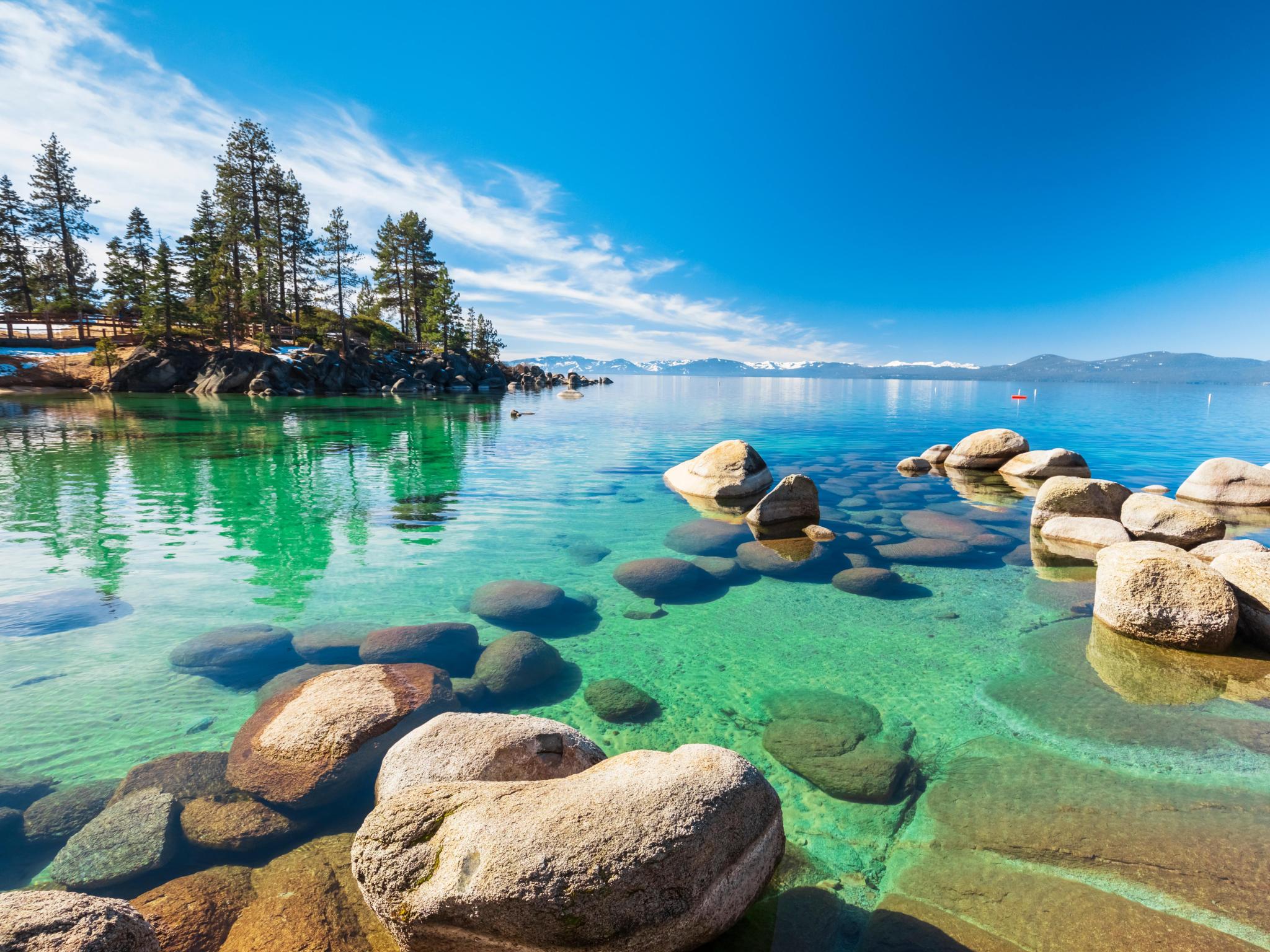
The pristine, sapphire-blue waters of Lake Tahoe are perfect for a multitude of water activities. Boating, kayaking, paddleboarding, and jet skiing are popular choices, with rental facilities available at numerous marinas and beach areas. Swimming in the lake’s refreshing depths is a quintessential summer experience, and many beaches offer calm, shallow areas ideal for families.
Hiking and Biking
The surrounding Sierra Nevada mountains are crisscrossed with a vast network of hiking and biking trails. From gentle lakeside strolls to challenging mountain ascents, there’s a path for every fitness level. Popular trails include the Rubicon Trail, offering stunning lake views, and the routes around Emerald Bay State Park, a designated National Natural Landmark. Biking enthusiasts can explore dedicated trails or enjoy scenic rides along paved paths.
Scenic Views and Landmarks
No visit to Lake Tahoe is complete without experiencing its iconic vistas. Emerald Bay State Park is arguably the most photographed spot, with its picturesque island and the historic Vikingsholm Castle. Sand Harbor State Park on the Nevada side is renowned for its crystal-clear waters and unique rock formations. For panoramic views, take a scenic drive around the lake or ascend to overlooks like Inspiration Point.
Winter Wonders: A Snow-Covered Spectacle
As winter descends, Lake Tahoe sheds its summer attire for a dazzling blanket of snow, becoming a world-class destination for winter sports.
Skiing and Snowboarding
The Lake Tahoe region boasts some of the finest ski resorts in North America. World-renowned destinations like Palisades Tahoe (formerly Squaw Valley and Alpine Meadows), Heavenly Mountain Resort, Northstar California, and Kirkwood Mountain Resort offer extensive terrain for skiers and snowboarders of all abilities. From challenging steeps to gentle beginner slopes, there’s an ideal mountain for everyone. Many resorts offer ski schools and rental services.
Other Winter Activities
Beyond skiing, Lake Tahoe provides a wealth of other winter activities. Snowshoeing and cross-country skiing allow for a quieter immersion in the snowy landscape. Sledding and tubing offer family-friendly fun. Ice skating rinks are often set up in resort villages, providing a charming recreational option. For a truly unique experience, consider a dog sledding tour.
Exploring Lakeside Communities and Culture
Lake Tahoe isn’t just about its natural beauty; its towns and communities offer a vibrant slice of California and Nevada culture.
South Lake Tahoe
On the California side, South Lake Tahoe is the livelier hub, known for its casinos, diverse dining options, and vibrant nightlife. It’s also the gateway to Heavenly Mountain Resort and offers extensive lodging choices, from luxurious hotels and resorts to budget-friendly motels and apartments.
North Lake Tahoe
The northern shores, including areas like Incline Village, Kings Beach, and Tahoe City, offer a slightly more laid-back and upscale atmosphere. Here, you’ll find charming boutiques, art galleries, and a strong sense of local community. Truckee, a historic railway town just north of the lake, offers a charming downtown area with unique shops and restaurants, and serves as a prime access point for Palisades Tahoe.
Culinary Delights and Local Flavors
From fine dining with panoramic lake views to casual breweries and lakeside cafes, Lake Tahoe offers a diverse culinary scene. Indulge in fresh seafood, hearty mountain cuisine, and local wines. Don’t miss the opportunity to sample local craft beers and regional specialties.
The journey from San Francisco to Lake Tahoe is more than just a drive; it’s a transition from urban dynamism to natural grandeur. Whether you’re seeking thrilling outdoor adventures, serene lakeside relaxation, or a cozy mountain getaway, Lake Tahoe promises an unforgettable experience, easily accessible and richly rewarding for every traveler.
LifeOutOfTheBox is a participant in the Amazon Services LLC Associates Program, an affiliate advertising program designed to provide a means for sites to earn advertising fees by advertising and linking to Amazon.com. Amazon, the Amazon logo, AmazonSupply, and the AmazonSupply logo are trademarks of Amazon.com, Inc. or its affiliates. As an Amazon Associate we earn affiliate commissions from qualifying purchases.