
The allure of a coastal escape, combined with the vibrant energy of a major metropolitan hub, often leads travelers to ponder the proximity of charming towns to bustling cities. Such is the case for many seeking to explore the diverse offerings of Northern California. The question “How far is Santa Cruz from San Francisco?” is a common one, bridging the gap between two distinct yet equally captivating destinations. This article delves into the geographical distance, travel times, and the myriad of experiences that await those making the journey between these two iconic Californian locales.
San Francisco, a city renowned for its Golden Gate Bridge, historic cable cars, and a thriving cultural scene, offers an urban adventure unlike any other. From its fog-kissed hills to its diverse neighborhoods, it’s a destination that consistently draws visitors from around the globe. Just a stone’s throw away, Santa Cruz presents a decidedly different, yet equally appealing, experience. Famous for its laid-back surf culture, iconic Boardwalk, and stunning natural beauty, Santa Cruz offers a refreshing contrast to the urban intensity of its northern neighbor. Understanding the distance between them is the first step in planning a trip that seamlessly blends city exploration with coastal relaxation.
The Direct Distance and Driving Routes
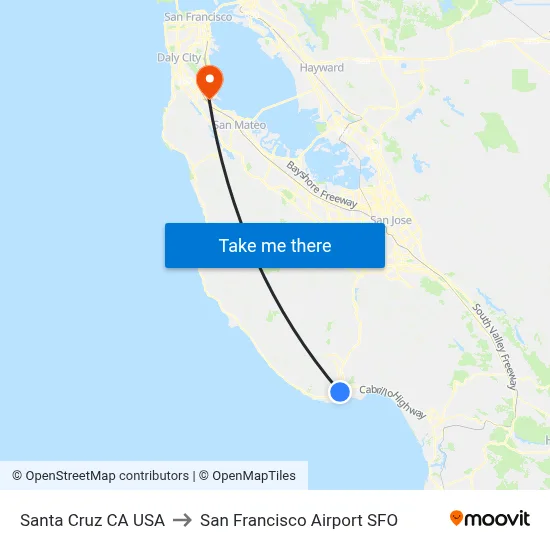
The most direct route between San Francisco and Santa Cruz typically follows Highway 1, a legendary roadway that hugs the Pacific coastline, offering breathtaking ocean views for much of the journey. This scenic path, while not always the fastest, is by far the most picturesque and is a destination in itself for many road trippers. The approximate driving distance via Highway 1 is around 75 to 80 miles, depending on the specific starting and ending points within each city.
Navigating the Pathways
The Scenic Coastal Route (Highway 1)
Embarking on the drive along Highway 1 from San Francisco is an experience that begins the moment you leave the city limits. As you head south, the urban landscape gradually gives way to rolling hills and dramatic cliffs overlooking the vast expanse of the Pacific Ocean. This route is dotted with numerous points of interest, including the Devil’s Slide Trail, which offers spectacular views and is a remnant of the old highway that once hugged the cliffs precariously. Further along, you’ll encounter charming coastal towns like Pacifica and Half Moon Bay, each offering unique opportunities for a stop, a bite to eat, or a moment to simply breathe in the salty air.
As the highway continues its winding path, it passes through agricultural lands, with vast fields of artichokes and Brussels sprouts characteristic of the region. The landscape becomes increasingly wild and rugged as you approach Pescadero, a small, historic town known for its artisanal cheese and quaint atmosphere. The journey continues through areas like Año Nuevo State Park, a crucial breeding ground for elephant seals, offering a unique wildlife viewing opportunity. The final stretch into Santa Cruz brings you closer to the vibrant energy of the coast, with the iconic Santa Cruz Beach Boardwalk coming into view as you approach the city’s heart.
The driving time via Highway 1 can vary significantly due to traffic, particularly when departing San Francisco during peak hours, and the number of scenic stops you choose to make. Generally, the journey can take anywhere from 1.5 to 3 hours. It is highly recommended to check traffic conditions before setting off, especially if you have a timed arrival in mind. This route is ideal for those who prioritize the journey over the destination, allowing for spontaneous detours and a deeper appreciation of the Northern California coastline.
The Faster Inland Route (Highway 280 & Highway 17)
For travelers prioritizing speed and efficiency, an alternative route exists by utilizing Highway 280 (the Junipero Serra Freeway) south from San Francisco and then connecting to Highway 17 towards Santa Cruz. This inland route bypasses much of the coastal scenery but is generally faster, especially during weekdays or when traffic on Highway 1 is particularly heavy.
The drive begins by heading south on Highway 280, a freeway known for its more scenic and less congested nature compared to other Bay Area freeways. You will drive through the rolling hills of San Mateo County, passing by affluent communities and business parks. The transition to Highway 17 occurs in the South Bay area, near San Jose. Highway 17 is a winding, mountainous freeway that cuts through the Santa Cruz Mountains. While it offers glimpses of redwood forests and natural beauty, it is also known for its sharp curves and can be a challenging drive for some, especially in inclement weather. Drivers should exercise caution and be mindful of speed limits and road conditions.
The driving distance via this inland route is comparable to the coastal route, roughly 70 to 75 miles. However, the estimated driving time is typically shorter, often ranging from 1 hour to 1.5 hours, assuming minimal traffic. This route is the preferred choice for those on a tighter schedule or those who prefer a more direct approach to their destination. It’s important to note that Highway 17 can experience significant congestion, especially on weekends and holidays, as locals and tourists alike head to and from Santa Cruz.
Exploring the Destinations: San Francisco and Santa Cruz
The choice of travel route often influences the initial impression of each destination, but both San Francisco and Santa Cruz offer a wealth of experiences that go far beyond their geographical separation.
San Francisco: A City of Iconic Landmarks and Diverse Culture

San Francisco is a global icon, a city that captivates with its dramatic geography, its rich history, and its vibrant, diverse population. The Golden Gate Bridge, an engineering marvel and symbol of the city, is an absolute must-see. Whether you walk, bike, or drive across it, the views of the bay and the Pacific Ocean are unparalleled. Nearby, Alcatraz Island, the infamous former federal penitentiary, offers a fascinating glimpse into a significant piece of American history, with tours providing chilling accounts of its notorious past.
The city’s distinct neighborhoods each offer a unique flavor. Fisherman’s Wharf is a bustling hub of activity, with fresh seafood, street performers, and the charming sea lions at Pier 39. A cable car ride up and down the city’s famously steep hills is a quintessential San Francisco experience, offering panoramic vistas and a nostalgic journey. For art and culture enthusiasts, Golden Gate Park is a sprawling urban oasis home to the de Young Museum, the California Academy of Sciences, and the serene Japanese Tea Garden. Food lovers will find themselves in paradise in San Francisco, with culinary delights ranging from Michelin-starred restaurants in SoMa to authentic dim sum in Chinatown, the oldest in North America. The city’s commitment to innovation is evident in its thriving tech scene, while its progressive spirit is reflected in its vibrant LGBTQ+ community and its numerous street art installations.
Santa Cruz: Coastal Charm and Natural Wonders
Santa Cruz offers a distinctly different, yet equally compelling, experience. Its identity is deeply intertwined with the ocean and a relaxed, bohemian vibe. The Santa Cruz Beach Boardwalk is a historic amusement park that has been a family favorite for over a century, offering classic rides, arcades, and a lively atmosphere right on the beach. The iconic Giant Dipper roller coaster is a beloved relic of a bygone era.
Beyond the boardwalk, Santa Cruz is celebrated for its natural beauty. Natural Bridges State Beach, famous for its distinctive rock arch, is a prime location for tide pooling and observing monarch butterflies during their annual migration. Shark Fin Cove offers dramatic coastal scenery and is a popular spot for photographers. The city is also a haven for surfers, with Steamer Lane being a world-renowned surf break, attracting skilled riders from around the globe. Visitors can explore the redwood forests that surround Santa Cruz in places like Henry Cowell Redwoods State Park, where towering trees create a majestic and serene environment. The downtown area of Santa Cruz boasts a vibrant collection of independent boutiques, bookstores, and cafes, reflecting its unique, artsy character.
Planning Your Trip: Accommodation and Activities
Whether your ultimate goal is to immerse yourself in the urban sophistication of San Francisco or to embrace the laid-back coastal lifestyle of Santa Cruz, careful planning will enhance your journey. The availability of accommodations and the array of activities cater to a wide range of preferences and budgets.
Accommodation Options: From Luxury Resorts to Budget-Friendly Stays
Finding the perfect place to rest your head is crucial for any travel experience. Both San Francisco and Santa Cruz offer a diverse selection of lodging options to suit every traveler’s needs and preferences.
In San Francisco, luxury seekers can indulge in world-class hotels that offer stunning city views and impeccable service. Properties like the Fairmont San Francisco perched atop Nob Hill, or the sophisticated St. Regis San Francisco, provide an opulent experience. Boutique hotels in neighborhoods like Union Square or North Beach offer unique charm and personalized service. For families or longer stays, serviced apartments and vacation rentals can be an excellent option, providing more space and amenities. Budget-conscious travelers will find a good selection of hostels and mid-range hotels, particularly in areas slightly further from the immediate tourist hotspots.
Santa Cruz also presents a variety of accommodation choices. For those seeking a resort-style experience with easy access to the beach, options like the Dream Inn Santa Cruz offer oceanfront rooms and a vibrant atmosphere. Charming bed and breakfasts are scattered throughout the city and its surrounding areas, providing a more intimate and personalized stay. Vacation rentals, including beachfront cottages and apartments, are popular for families and groups looking for a home-away-from-home feel. Budget travelers can find affordable motels and inns, often a short drive from the main attractions. Camping options are also available in nearby state parks for those who wish to be closer to nature.

Tailoring Your Itinerary: Experiences for Every Traveler
The beauty of the relationship between San Francisco and Santa Cruz lies in the ability to combine diverse experiences within a single trip. You can easily spend a few days exploring the cultural landmarks and culinary hotspots of San Francisco, and then retreat to the relaxed coastal ambiance of Santa Cruz for a few days of sun, surf, and natural exploration.
For those interested in luxury travel, a stay at a high-end resort in San Francisco, followed by a private wine-tasting tour in the nearby Napa Valley or Sonoma County, could be an indulgent start. Then, a transition to Santa Cruz could involve a stay at a boutique hotel, enjoying fine dining experiences that highlight local produce and seafood.
Budget travelers can find affordable lodging in both cities and focus on free attractions. In San Francisco, this might include walking across the Golden Gate Bridge, exploring Golden Gate Park, and enjoying the atmosphere of neighborhoods like The Mission with its vibrant street art and taquerias. In Santa Cruz, free activities abound, such as relaxing on the beach, hiking in the redwood parks, and enjoying the free entertainment often found at the Santa Cruz Beach Boardwalk.
Family trips can be a delightful mix. San Francisco offers attractions like the Exploratorium, the California Academy of Sciences, and the iconic cable cars. A day trip or overnight stay in Santa Cruz is a must, with the Boardwalk providing endless fun, Mystery Spot offering a quirky gravitational anomaly, and the beaches providing ample opportunity for sandcastle building and wave-watching.
For those on business stays, San Francisco is a global hub with excellent infrastructure and a wide range of hotels catering to corporate travelers. A weekend extension could easily include a scenic drive down to Santa Cruz for a change of pace, perhaps for some team-building activities like kayaking or a redwood hike.
Ultimately, the distance between San Francisco and Santa Cruz is more than just miles on a map; it represents a transition between two distinct facets of the California experience. Whether you are seeking the cosmopolitan energy of a world-class city or the serene beauty of a coastal haven, the journey between these two destinations is a rewarding exploration in itself, offering a rich tapestry of sights, sounds, and experiences.
LifeOutOfTheBox is a participant in the Amazon Services LLC Associates Program, an affiliate advertising program designed to provide a means for sites to earn advertising fees by advertising and linking to Amazon.com. Amazon, the Amazon logo, AmazonSupply, and the AmazonSupply logo are trademarks of Amazon.com, Inc. or its affiliates. As an Amazon Associate we earn affiliate commissions from qualifying purchases.