
The question of distance between two prominent Californian locations, Santa Clara and San Francisco, is a common one for travelers, business professionals, and residents alike. While both cities are integral parts of the vibrant San Francisco Bay Area, they possess distinct characters and are situated a notable, yet easily manageable, distance apart. Understanding this geographic relationship is key to planning efficient travel, exploring regional attractions, and appreciating the diverse offerings of this dynamic part of California.
The journey between Santa Clara and San Francisco is a quintessential Bay Area experience, often involving scenic drives, efficient public transportation, or a combination of both. The precise distance can vary slightly depending on the starting and ending points within each city and the chosen route, but it generally falls within a manageable range, making day trips or regular commutes entirely feasible. This proximity is a significant factor in the economic and cultural interconnectedness of the region, facilitating business, tourism, and leisure activities.
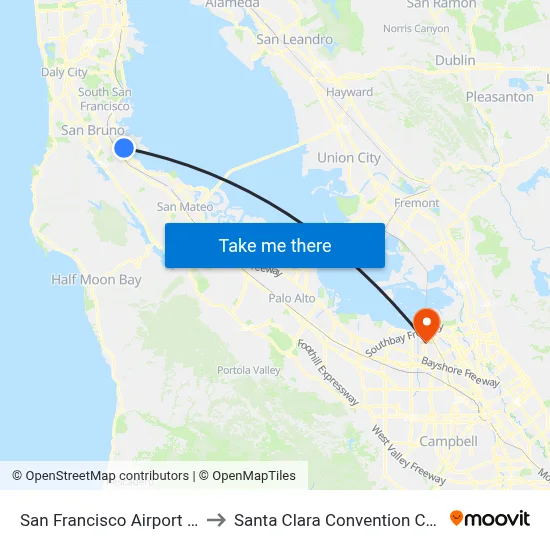
Navigating the Distance: Travel Options and Timeframes
When considering how far Santa Clara is from San Francisco, the most relevant metric is usually travel time. This is influenced by the mode of transportation, traffic conditions, and time of day. For those embarking on a road trip, the drive offers a glimpse into the diverse landscapes of the Bay Area, from the sprawling tech campuses of Silicon Valley to the urban bustle of San Francisco.
Driving: The Open Road and Potential Pitfalls
The most direct route between Santa Clara and San Francisco typically involves major freeways, primarily Interstate 101 (also known as US 101). This north-south artery is the lifeblood of the Bay Area, connecting numerous cities and towns. The distance by car is approximately 40 to 50 miles, depending on the specific origin and destination within each city. For instance, traveling from downtown Santa Clara to downtown San Francisco is around 45 miles.
The estimated driving time without traffic can range from 45 minutes to an hour. However, anyone familiar with California knows that “without traffic” is a rare commodity, especially during peak commuting hours. The Bay Area is notorious for its traffic congestion, particularly on weekdays. During rush hour, typically from 6:00 AM to 10:00 AM and again from 3:00 PM to 7:00 PM, the drive can easily stretch to 1.5 to 2 hours, or even longer in cases of accidents or major events. This makes careful planning crucial for timely arrivals.
Alternative driving routes exist, such as taking Interstate 280 (known for its more scenic stretches through the hills) for a portion of the journey, or utilizing surface streets for more localized travel. However, for the primary inter-city commute, US 101 remains the most common and often the fastest, despite its potential for delays. Parking in San Francisco can also be a significant consideration, with costs and availability varying widely, especially in popular tourist areas and the financial district.
Public Transportation: A Greener, Less Stressful Alternative
For those seeking to avoid the stress of driving and parking, or simply preferring a more sustainable travel option, San Francisco Bay Area public transportation offers a viable and increasingly popular alternative. This network comprises several interconnected agencies, each playing a vital role in facilitating regional mobility.
The VTA and BART Connection
The primary public transit pathway involves a connection between Santa Clara‘s local transit system and the wider regional network. The Santa Clara Valley Transportation Authority (VTA) operates bus lines and light rail services within Santa Clara County. From various points in Santa Clara, commuters can utilize VTA services to reach a transit hub that connects them to the Bay Area Rapid Transit (BART) system.
The most common transfer point for BART access from Santa Clara is often the Milpitas Transit Center. Here, VTA light rail trains and buses converge, providing seamless access to the BART system. BART is an electrified heavy rail line that serves the greater Bay Area, including San Francisco.
Once on BART, the journey from the Milpitas Transit Center to a downtown San Francisco station, such as Powell Street or Montgomery Street, typically takes around 45 to 60 minutes. This timeframe is generally more consistent than driving, as BART operates on its own dedicated tracks and is less susceptible to road traffic.
The total travel time using public transit, including the VTA portion to reach BART and the BART ride itself, can range from 1.5 to 2 hours, depending on the specific origin within Santa Clara and the connection times. While this might be longer than an ideal driving scenario, it offers a predictable and often more relaxing way to travel between the two cities, allowing passengers to read, work, or simply enjoy the ride without the pressure of navigating traffic.
Other Public Transit Considerations
Other public transit options might involve Caltrain, a commuter rail service that runs along the peninsula between San Francisco and Gilroy, with stations in cities like Palo Alto and Mountain View. While Caltrain is a fantastic option for travel along the peninsula, its direct connection to Santa Clara might require more transfers than the VTA/BART combination. However, for those whose destinations in San Francisco are closer to the Caltrain station (e.g., 4th and King Street), it can be a competitive option.
Ridesharing and Taxis: Convenience on Demand

For those prioritizing convenience and direct door-to-door service, ridesharing apps like Uber and Lyft, or traditional taxi services, provide another means of traversing the distance between Santa Clara and San Francisco. These services offer the flexibility of on-demand transportation without the need for personal vehicle ownership or the complexities of public transit transfers.
The cost of ridesharing or a taxi can be a significant factor, particularly given the distance. Expect fares to range from $100 to $200 or more, depending on demand, time of day, and the specific service used. Similar to driving, rideshare travel times are highly dependent on traffic conditions. During peak hours, a rideshare journey can take as long as driving oneself, while off-peak times can offer a quicker, albeit more expensive, alternative to public transit.
Exploring the Destinations: Why Travel Between Santa Clara and San Francisco?
The question of “how far” is often intrinsically linked to “why go.” The distinct attractions and opportunities in both Santa Clara and San Francisco create compelling reasons for travel between them.
Santa Clara: The Heart of Silicon Valley
Santa Clara is renowned as a global hub for technology and innovation. It is home to many of the world’s leading tech companies, including Nvidia, Intel, and AMD. The city’s landscape is dominated by sleek corporate campuses, research facilities, and a dynamic business environment. For business travelers, Santa Clara offers proximity to these industry giants, making it a prime location for meetings, conferences, and industry events.
Beyond its technological prowess, Santa Clara also boasts attractions that appeal to a wider audience. The Mission Santa Clara de Asís, a historic Spanish mission founded in 1777, provides a glimpse into the region’s colonial past. The Intel Museum offers an engaging look at the history of microprocessors and computing. For sports enthusiasts, Levi’s Stadium, the home of the San Francisco 49ers, is a state-of-the-art venue that hosts not only NFL games but also major concerts and events. The city’s parks and recreational areas offer opportunities for outdoor activities, providing a balance to the intense focus on technology.
San Francisco: The Iconic City by the Bay
San Francisco, just a relatively short distance away, offers an entirely different, yet equally captivating, experience. This world-famous city is a melting pot of cultures, a beacon of artistic expression, and a treasure trove of iconic landmarks. Its hilly terrain, Victorian architecture, and stunning waterfront vistas make it a photographer’s and tourist’s paradise.
Key attractions in San Francisco include the majestic Golden Gate Bridge, an engineering marvel and a symbol of the city. Alcatraz Island, the former infamous federal prison, offers a fascinating and chilling historical tour. Visitors can wander through the vibrant streets of Chinatown, the oldest in North America, or explore the colorful Victorian houses of Alamo Square, famously known as the “Painted Ladies.” The bustling waterfront along Fisherman’s Wharf is a popular spot for seafood, sea lion viewing, and boat tours.
San Francisco is also a culinary capital, offering an unparalleled diversity of dining experiences, from Michelin-starred restaurants to cozy neighborhood bistros and food trucks. Its museums, such as the de Young Museum and the California Academy of Sciences in Golden Gate Park, cater to a wide range of interests. The city’s distinct neighborhoods, each with its own unique character – from the bohemian vibe of Haight-Ashbury to the upscale boutiques of Union Square – invite exploration and discovery.
Accommodation and Lifestyle Considerations
The distance between Santa Clara and San Francisco also influences accommodation choices and lifestyle experiences for visitors and residents.
Where to Stay: Options for Every Traveler
For those visiting Santa Clara, a range of hotels cater to business and leisure travelers. The city offers a concentration of upscale hotels, many located in close proximity to the tech campuses and the Convention Center. Properties like the Hyatt Centric Santa Clara, Hyatt House Santa Clara, and Tropicana Motel provide convenient lodging options. The presence of numerous tech companies also means that business-class hotels with amenities like co-working spaces, business centers, and fine dining are readily available.
In San Francisco, the accommodation landscape is even more diverse. From luxury hotels in areas like Union Square and the Financial District, such as the Four Seasons Hotel San Francisco or the Palace Hotel, to boutique hotels in vibrant neighborhoods like North Beach or the Mission District, there are options to suit every budget and preference. For longer stays or those seeking a more local experience, apartment rentals and vacation homes are also popular. The cost of accommodation in San Francisco is generally higher than in Santa Clara, reflecting the city’s status as a major global destination.

Lifestyle: Balancing Tech and Culture
The proximity allows individuals to experience the best of both worlds. A business traveler might stay in a hotel in Santa Clara to be close to their meetings but take an evening or weekend trip to San Francisco to enjoy its cultural attractions, world-class dining, and vibrant nightlife. Similarly, residents of San Francisco might commute to Santa Clara for work, while enjoying the city’s renowned arts, entertainment, and culinary scenes.
The Bay Area lifestyle is often characterized by a blend of innovation and appreciation for natural beauty. Whether one is drawn to the cutting-edge advancements in Silicon Valley or the historic charm and cultural richness of San Francisco, the relatively short distance between these two key locations makes experiencing the full spectrum of what this iconic region has to offer entirely accessible. Understanding the travel times and options ensures that the journey between them becomes a smooth prelude to the experiences awaiting at either destination.
LifeOutOfTheBox is a participant in the Amazon Services LLC Associates Program, an affiliate advertising program designed to provide a means for sites to earn advertising fees by advertising and linking to Amazon.com. Amazon, the Amazon logo, AmazonSupply, and the AmazonSupply logo are trademarks of Amazon.com, Inc. or its affiliates. As an Amazon Associate we earn affiliate commissions from qualifying purchases.