
San Francisco, a city renowned for its iconic landmarks, vibrant culture, and progressive spirit, is also a leader in the global effort to combat climate change. As a major tourist destination, the city understands the critical importance of sustainability, not just for its own future but also for the planet. This commitment is reflected in a multifaceted approach to reducing its carbon footprint, impacting everything from how visitors travel to the city to the very infrastructure that powers it. San Francisco is actively demonstrating that economic growth and environmental responsibility can go hand in hand, offering a compelling model for other urban centers worldwide.
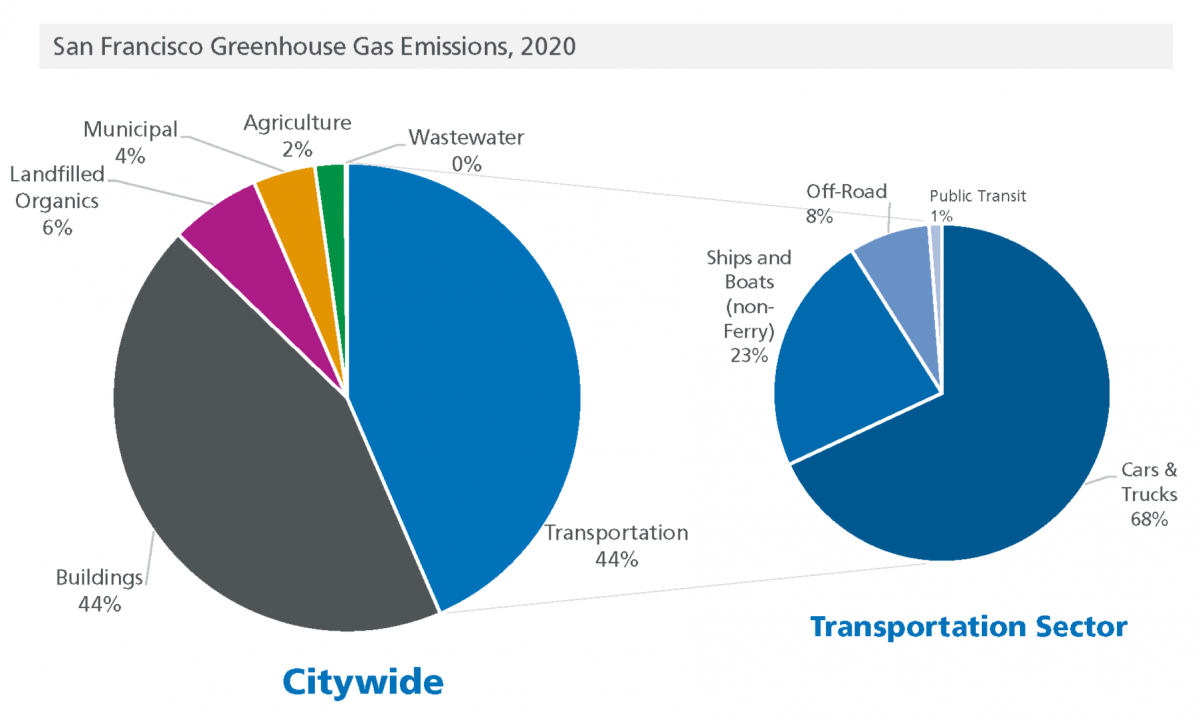
Greening San Francisco’s Transportation Network
The most visible and impactful way San Francisco is tackling CO2 emissions is by transforming its transportation systems. Recognizing that a significant portion of urban emissions stems from vehicles, the city has embarked on ambitious initiatives to promote sustainable mobility. This includes investing heavily in public transit, encouraging active transportation, and embracing cleaner vehicle technologies.
Enhancing Public Transit for a Greener Commute
San Francisco’s public transportation system is the backbone of its low-carbon strategy. The San Francisco Municipal Transportation Agency (SFMTA) operates an extensive network of buses, streetcars, and historic streetcars, all designed to move residents and visitors efficiently with a lower environmental impact than private vehicles. The agency is continuously working to electrify its fleet, with a clear goal of transitioning to 100% zero-emission vehicles. This includes the procurement of new electric buses and the upgrading of charging infrastructure across the city.
Furthermore, Muni services, as the primary public transit provider, are crucial for reducing traffic congestion and associated emissions. By making public transit more reliable, accessible, and appealing, San Francisco aims to encourage more people to leave their cars at home. This involves optimizing routes, increasing service frequency, and improving the rider experience through better real-time information and updated stations. The city is also investing in dedicated bus lanes and transit signal priority to ensure that public transport remains a faster and more convenient option.
Beyond Muni, the BART (Bay Area Rapid Transit) system connects San Francisco with the wider Bay Area, offering a sustainable alternative for longer commutes and regional travel. BART is also exploring electrification and energy efficiency improvements to further reduce its environmental impact. For those looking to explore the city on two wheels, San Francisco has expanded its bike lane infrastructure, making cycling a safer and more attractive option for both commuting and leisure. Bike-sharing programs, like Bay Wheels, further contribute to this by providing accessible and convenient bicycle rental options throughout the city, reducing the reliance on cars for short trips.
Electrifying the Road Ahead
San Francisco is a frontrunner in the adoption of electric vehicles (EVs). The city government has set ambitious targets for EV adoption, and this is supported by a growing network of public charging stations. These stations are strategically located in parking lots, on streets, and at public facilities, making it easier for EV owners to charge their vehicles. The city is also encouraging private businesses and residential buildings to install EV charging infrastructure, creating a more robust and accessible charging ecosystem.
This push towards electrification extends to ride-sharing services and taxis. Many companies operating within San Francisco are beginning to transition their fleets to electric or hybrid vehicles, responding to both consumer demand and the city’s environmental policies. This shift is crucial, as ride-sharing services can contribute significantly to urban traffic and emissions if not managed sustainably.
Sustainable Tourism and Accommodation in San Francisco
San Francisco’s tourism industry plays a vital role in its economy, and the city is dedicated to ensuring this sector operates in an environmentally responsible manner. This involves promoting sustainable practices among hotels, attractions, and tour operators, as well as educating visitors on how they can contribute to the city’s sustainability goals.
Eco-Friendly Hotels and Accommodations
For travelers seeking to minimize their environmental impact, San Francisco offers a growing number of eco-friendly accommodation options. Many hotels in the city are actively implementing sustainability initiatives, such as reducing energy and water consumption, minimizing waste through comprehensive recycling and composting programs, and sourcing local and sustainable food for their restaurants.
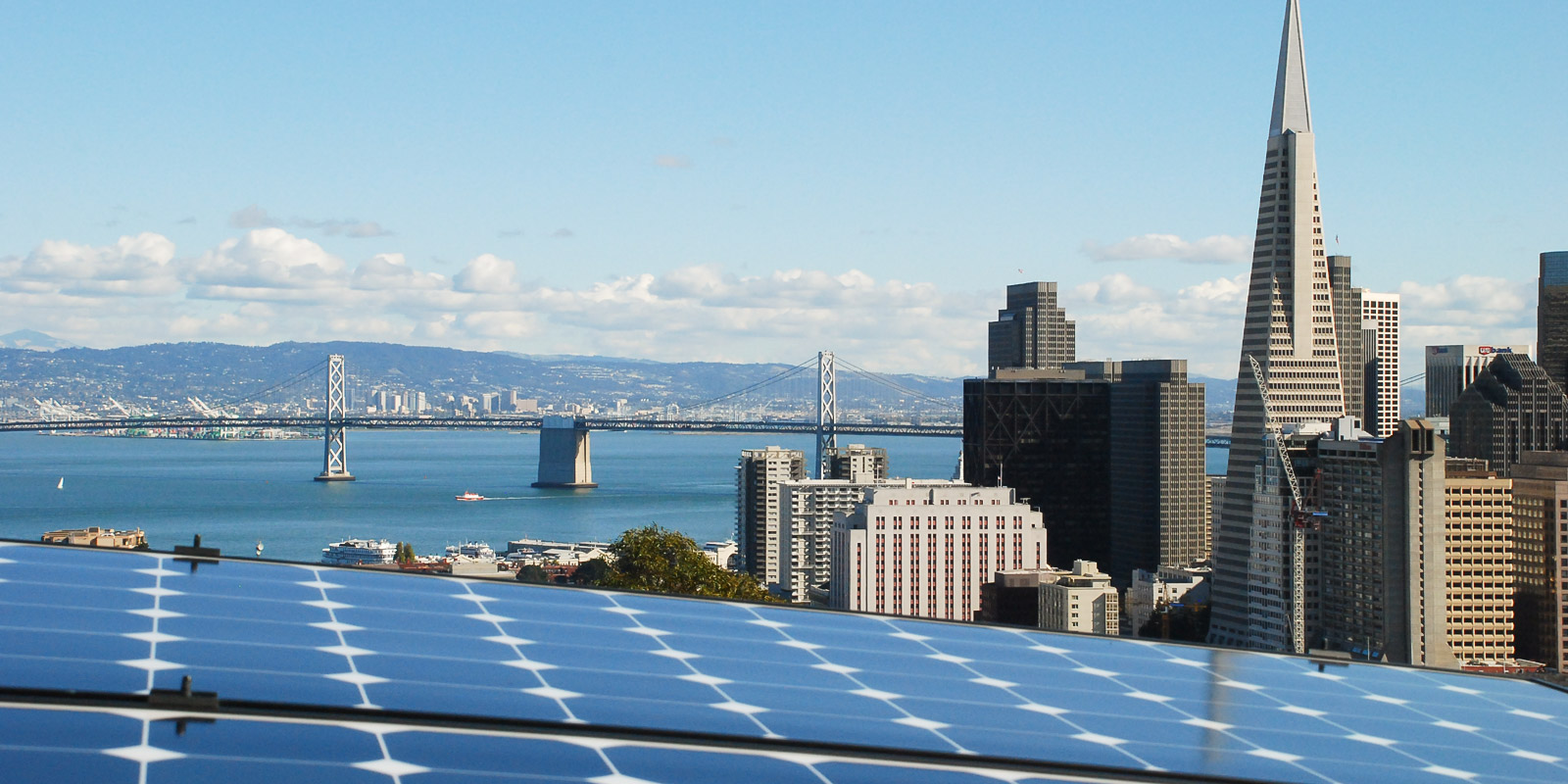
Some establishments have gone above and beyond, achieving certifications from recognized green building and hospitality programs. These hotels often feature energy-efficient lighting and appliances, utilize renewable energy sources like solar power, and implement water-saving measures. Guests can often find information about a hotel’s sustainability practices on their websites or through booking platforms.
When choosing where to stay, travelers can look for hotels that highlight their commitment to the environment. This could include properties that use biodegradable cleaning products, offer refillable toiletries, or provide guests with opportunities to opt out of daily linen and towel changes. Even seemingly small actions, when adopted by a large number of hotels and their guests, can lead to significant reductions in resource consumption. For those planning a longer stay, apartments and villas that promote sustainable living practices can also be an excellent choice, allowing for a more conscious and integrated experience of the city.
Experiencing San Francisco Responsibly
San Francisco’s iconic attractions, from the majestic Golden Gate Bridge to the historic Alcatraz Island, are best experienced with a mindful approach to sustainability. Visitors are encouraged to utilize public transportation, cycling, or walking to explore these landmarks, thereby reducing their carbon footprint.
Many of the city’s museums and cultural institutions are also embracing greener practices. For instance, efforts are made to reduce energy consumption in their buildings, and many offer educational programs that highlight environmental issues. When dining, choosing restaurants that prioritize local, seasonal, and organic ingredients not only supports the local economy but also reduces the carbon emissions associated with long-distance food transportation.
San Francisco’s commitment to sustainability extends to its natural attractions as well. The Golden Gate National Recreation Area, which encompasses significant natural landscapes and historic sites, is managed with a strong focus on conservation. Visitors are encouraged to practice “Leave No Trace” principles to preserve the beauty and ecological integrity of these areas for future generations.
Innovative Policies and Future Forward Thinking
Beyond direct action in transportation and tourism, San Francisco is implementing broader policies and fostering innovation to drive down CO2 emissions across all sectors. This forward-thinking approach positions the city as a leader in urban sustainability.
Renewable Energy and Building Efficiency
San Francisco has made significant strides in transitioning to renewable energy sources. The city is working towards powering its municipal operations with 100% renewable electricity, a goal that significantly reduces its carbon footprint. This involves procuring energy from solar, wind, and other clean sources through agreements with energy providers.
Furthermore, the city has implemented stringent building codes that mandate energy efficiency for new constructions and major renovations. These codes promote the use of sustainable building materials, high-performance insulation, energy-efficient windows, and advanced HVAC systems. For existing buildings, various programs and incentives are available to encourage retrofitting for improved energy performance, including the installation of solar panels and the adoption of smart building technologies that optimize energy use.
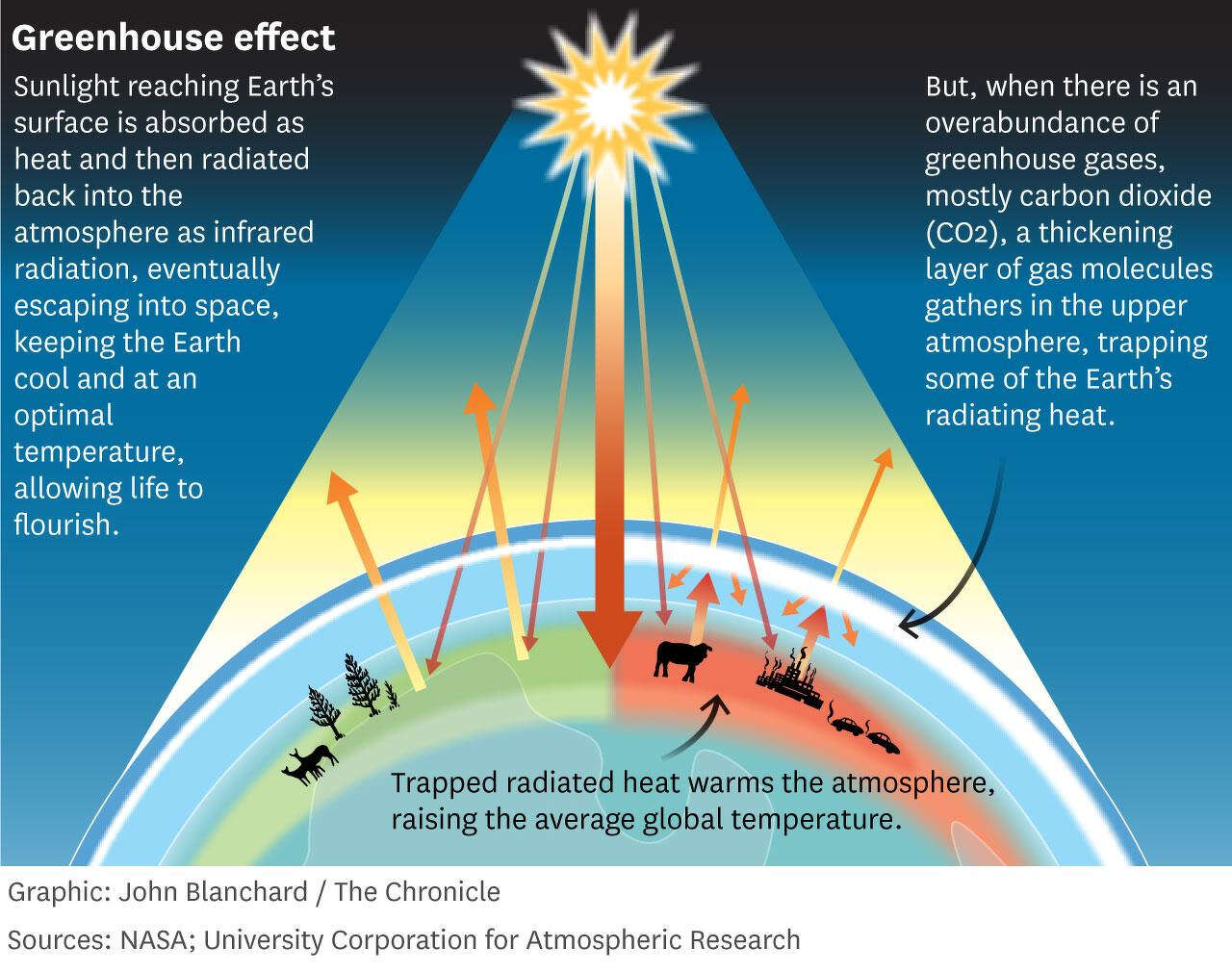
The city is also actively promoting the electrification of buildings, encouraging the switch from natural gas to electric systems for heating, cooking, and water heating. This aligns with the broader goal of decarbonizing the energy sector and reducing reliance on fossil fuels. Initiatives like these are crucial for long-term emissions reduction and for creating a healthier living and working environment for all.
Waste Reduction and the Circular Economy
San Francisco is renowned for its ambitious waste diversion goals. The city has implemented comprehensive recycling and composting programs, aiming to divert a significant percentage of waste from landfills. Residents and businesses are encouraged to participate, and the city provides resources and education to ensure proper sorting of waste.
This focus on waste reduction is a key component of the circular economy, where materials are kept in use for as long as possible, extracting maximum value from them before recovering and regenerating products and materials at the end of their service life. By embracing these principles, San Francisco is not only reducing landfill methane emissions but also conserving natural resources and creating economic opportunities in reuse and recycling sectors.
The city’s commitment to lowering CO2 emissions is a continuous journey, characterized by innovation, policy development, and the active participation of its residents, businesses, and visitors. San Francisco is proving that a thriving, dynamic city can also be a responsible steward of the environment, setting an inspiring example for urban centers around the globe.
LifeOutOfTheBox is a participant in the Amazon Services LLC Associates Program, an affiliate advertising program designed to provide a means for sites to earn advertising fees by advertising and linking to Amazon.com. Amazon, the Amazon logo, AmazonSupply, and the AmazonSupply logo are trademarks of Amazon.com, Inc. or its affiliates. As an Amazon Associate we earn affiliate commissions from qualifying purchases.