
The allure of San Francisco is undeniable, a city of iconic landmarks, vibrant culture, and breathtaking natural beauty. As the day draws to a close, the city transforms, bathed in the warm, ethereal glow of the setting sun. Understanding the precise timing of this daily spectacle is crucial for anyone planning to experience its magic, whether you’re a tourist eager to capture the perfect photograph, a local seeking a moment of tranquility, or a traveler looking to make the most of your visit. This guide delves into the nuances of San Francisco‘s sunset times, offering insights and tips to help you witness this unforgettable event.
The Ever-Shifting Canvas: Factors Influencing Sunset Times
The time of sunset is not a static figure; it’s a dynamic phenomenon influenced by a multitude of factors. The most significant of these is the Earth‘s axial tilt and its revolution around the Sun. As the Earth orbits the Sun throughout the year, the angle at which sunlight strikes different parts of the planet changes, resulting in longer days in the summer and shorter days in the winter. This fundamental astronomical principle is the primary driver behind the predictable seasonal shifts in sunset times.
Furthermore, San Francisco‘s specific geographical location plays a vital role. Situated at approximately 37.77 degrees north latitude, the city experiences a distinct pattern of daylight hours. Its position on the western edge of the North American continent means it’s one of the last major cities to see the sun dip below the horizon on any given day. This is further amplified by the effects of the Pacific Ocean, which can sometimes influence localized weather patterns and visibility, though its direct impact on the precise minute of sunset is minimal compared to astronomical factors.
Daylight Saving Time (DST) also introduces a periodic adjustment to the clock, effectively making sunsets appear an hour later during the warmer months. In the United States, DST typically begins in March and ends in November. This means that for a significant portion of the year, sunset in San Francisco will be later than it would be if DST were not observed. It’s a crucial detail to remember when planning your evening activities, as it can significantly alter your perception of when twilight begins to paint the sky.
Planning Your Sunset Experience in San Francisco
To truly savor the sunset in San Francisco, thoughtful planning is key. Knowing the exact time is just the first step; choosing the right location and considering the weather can elevate the experience from a pleasant observation to a truly magical moment.
Prime Viewing Locations: Where to Witness the Golden Hour
San Francisco offers a plethora of vantage points, each providing a unique perspective on the sunset. From iconic landmarks to hidden gems, there’s a perfect spot for every preference.
-
Golden Gate Bridge Viewpoints: No discussion of San Francisco sunsets is complete without mentioning the Golden Gate Bridge.
- Battery Spencer: Located on the Marin Headlands side of the bridge, this spot offers unparalleled panoramic views of the bridge silhouetted against the setting sun. The approach to the viewpoint itself is a scenic drive, often shrouded in mist, adding to the dramatic unveiling of the vista.
- Fort Point: Situated directly beneath the bridge on the San Francisco side, this historic fort provides a dramatic foreground to the sun’s descent. The play of light and shadow on the massive structure of the Golden Gate Bridge is particularly captivating from here.
- Crissy Field: This bayside park offers a more relaxed setting with expansive views. You can stroll along the promenade or set up a picnic while watching the sky ignite with color. The flat terrain makes it accessible for all.
-
Alcatraz Island: While the island itself is a major attraction, the views from Alcatraz looking back towards the city as the sun sets are spectacular. Imagine the orange hues reflecting off the water, with the city skyline gradually dimming behind you.
-
Twin Peaks: For a truly elevated perspective, head to Twin Peaks. These two prominent hills offer a 360-degree view of the city and the surrounding bay. As the sun sets, the entire metropolitan area spreads out beneath you, bathed in a warm, golden light. Be prepared for cooler temperatures and potentially windy conditions at this elevation.
-
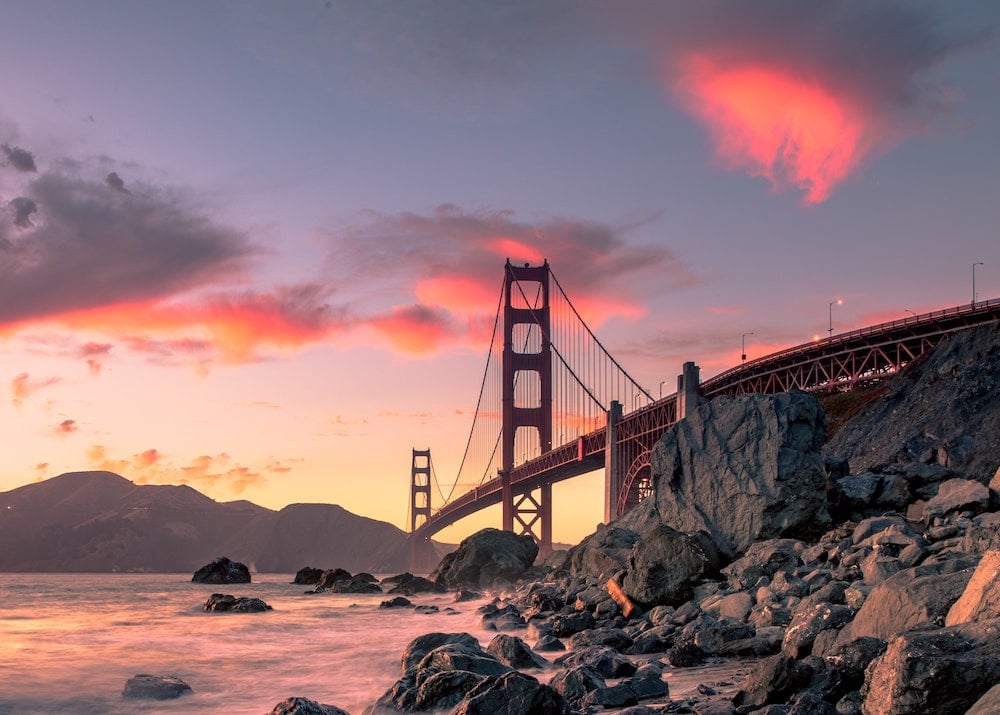
Baker Beach: This popular beach provides a stunning foreground of the Pacific Ocean and a direct view of the Golden Gate Bridge as it sinks towards the horizon. The sound of the waves and the cool ocean breeze enhance the sensory experience.
-
Ocean Beach: Stretching for miles along the western edge of San Francisco, Ocean Beach offers an unobstructed view of the sun setting over the vast Pacific Ocean. It’s a prime location for watching the sky melt into a myriad of colors, with the sound of crashing waves as your soundtrack.
-
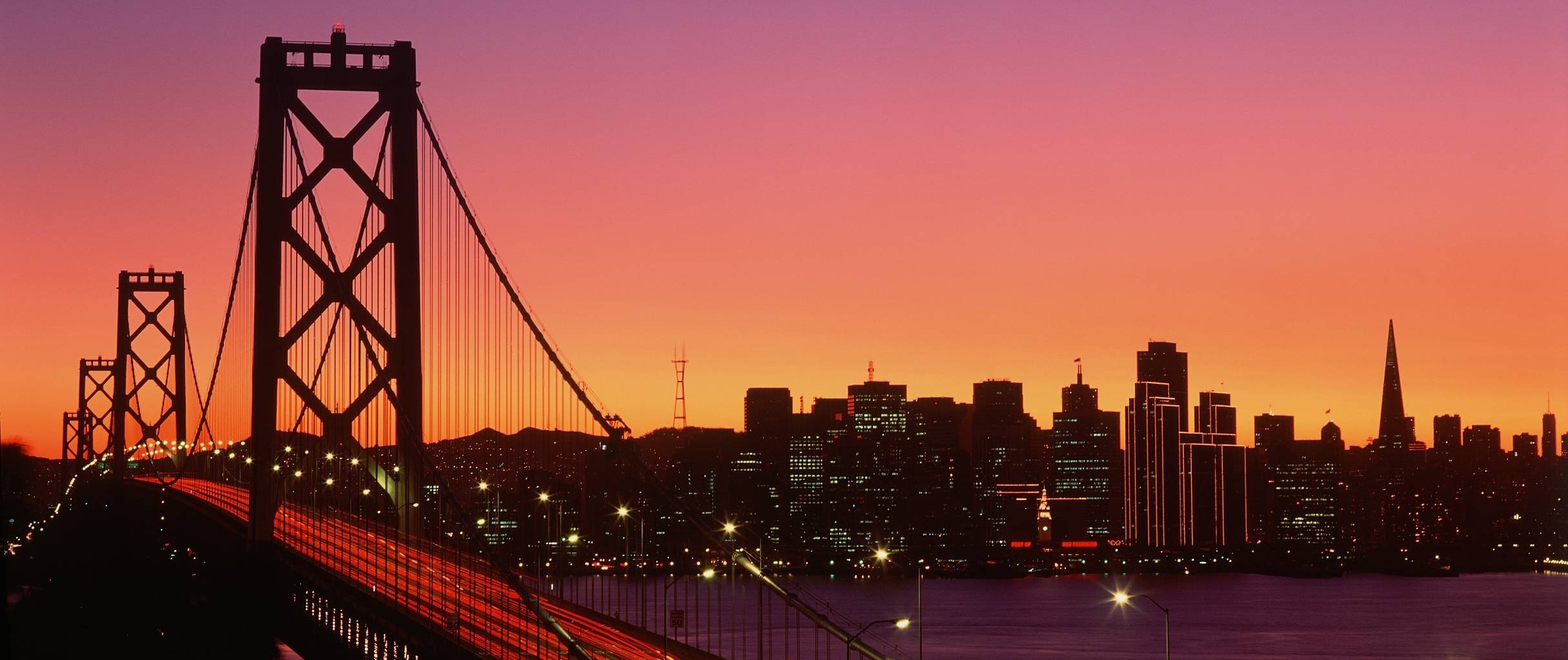
The Embarcadero: While not directly facing the sunset, the waterfront along The Embarcadero offers beautiful reflections of the changing sky on the bay, with the iconic skyline of downtown San Francisco providing a dramatic backdrop. You can often catch glimpses of the sun’s final rays illuminating the city’s skyscrapers.
-
Coit Tower: Perched atop Telegraph Hill, Coit Tower provides elevated views that can capture the sunset’s glow spreading across the city and the bay. While the tower itself faces east, the surrounding hills offer vantage points that can frame the sun’s descent.
Navigating Weather: The Fog Factor
San Francisco is famously known for its fog, particularly during the summer months. This phenomenon, driven by the collision of warm, moist air from the Pacific Ocean with the cooler California current, can significantly impact sunset viewing.
-
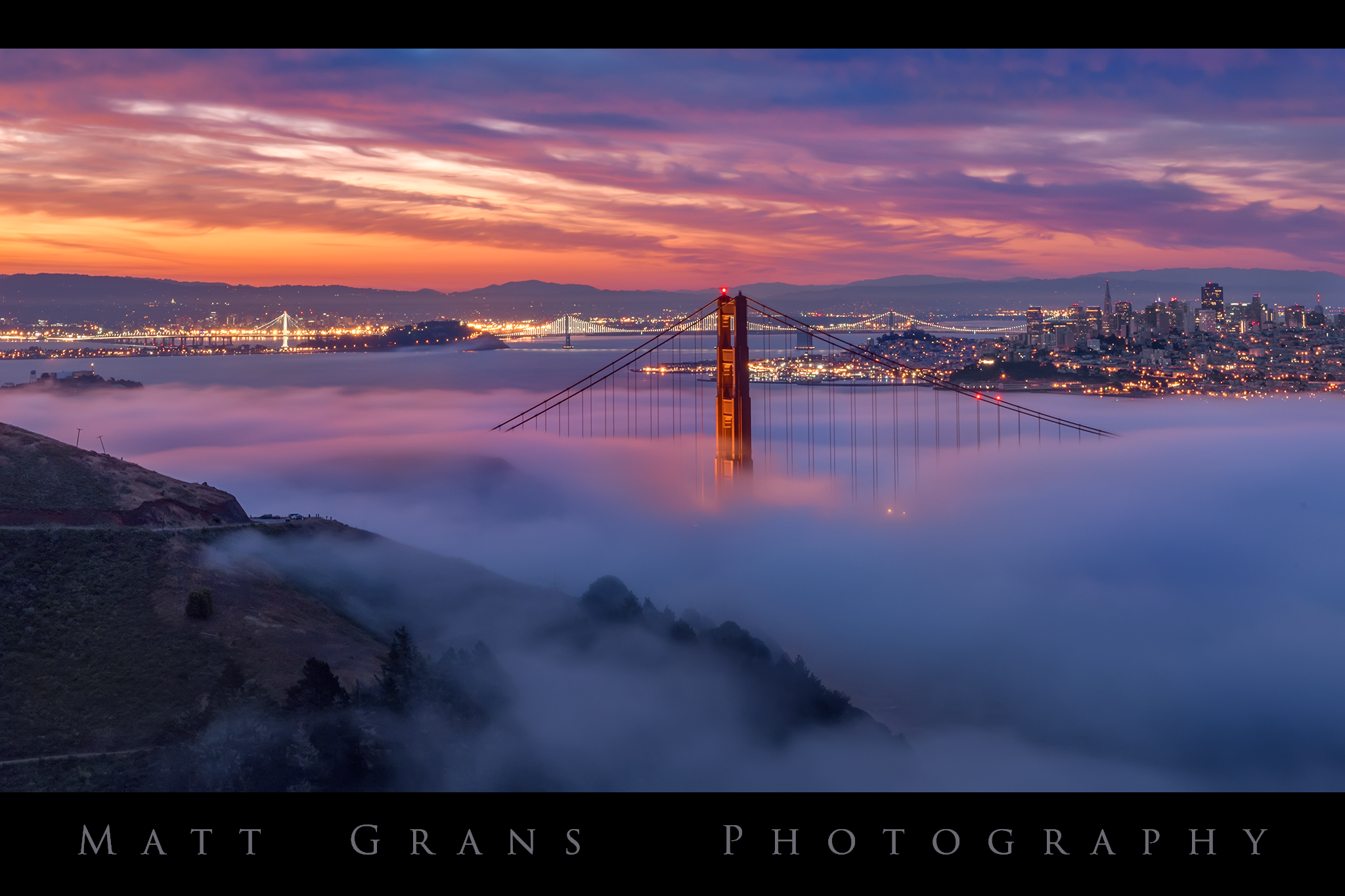
Summer (June-August): This is often the foggiest period. While the fog can obscure direct views of the sun, it can also create incredibly dramatic and ethereal sunset displays. The light filters through the fog, casting a soft, diffused glow and often painting the sky with pastel hues. If the fog is thick, you might not see the sun itself, but the sky’s transformation can still be breathtaking.
-
Spring (March-May) and Fall (September-November): These shoulder seasons often offer the clearest skies and the most vibrant sunsets. The fog is typically less persistent, and the atmospheric conditions are often more conducive to brilliant displays of color. Autumn, in particular, is renowned for its crisp air and vivid sunsets.
- Winter (December-February): While days are shorter, winter sunsets can be surprisingly beautiful, especially after a rain shower clears. The atmosphere tends to be cleaner, allowing for sharper colors.
It’s always advisable to check the weather forecast before heading out. Websites and apps dedicated to weather reporting often provide detailed information about fog cover and cloud predictions. Even if fog is present, it doesn’t necessarily mean a disappointing sunset; it might just mean a different kind of beauty.
Beyond the Clock: Making the Most of Your San Francisco Sunset
Observing a sunset is an experience that transcends mere timekeeping. To truly immerse yourself in the moment, consider these additional tips:
Culinary Delights with a View
What better way to complement a stunning sunset than with delicious food and drink? San Francisco boasts a vibrant culinary scene, and many establishments offer prime sunset viewing opportunities.
-
Rooftop Bars: Many hotels and independent establishments in areas like SoMa (South of Market) and Nob Hill offer rooftop bars with spectacular city and bay views. Enjoy a handcrafted cocktail as the sky changes color. Look for places like Charmaine’s Rooftop Bar or the rooftop at the Proper Hotel San Francisco.
-
Waterfront Restaurants: Restaurants along The Embarcadero or near Fisherman’s Wharf provide dining experiences with the bay as your backdrop. While the sun may not be directly setting over the water from all these locations, the ambient light and reflections can be captivating.
-
Picnics: For a more casual and intimate experience, pack a picnic basket and head to a park or beach known for its sunset views, such as Baker Beach or Crissy Field. Local delis and farmers’ markets offer a wide array of gourmet sandwiches, cheeses, and other treats.
Capturing the Moment: Photography Tips
The San Francisco sunset is a photographer’s dream. To capture its essence, consider these pointers:
-
Arrive Early: Give yourself ample time to find the perfect spot, set up your equipment, and observe the subtle changes in light as the sun approaches the horizon.
-
Golden Hour: The hour before sunset, known as the “golden hour,” offers soft, warm, and flattering light that can transform ordinary scenes into something magical.
-
Composition: Think about your foreground and background. The Golden Gate Bridge, the city skyline, or the Pacific Ocean can all serve as compelling elements in your composition.
-
Silhouettes: As the sun dips lower, consider capturing silhouettes of landmarks against the colorful sky.
-
Dynamic Range: Sunsets often involve a wide range of brightness. If using a camera, experiment with exposure bracketing or shooting in RAW format to capture detail in both the highlights and shadows. If using a smartphone, utilize HDR (High Dynamic Range) settings.
-
Avoid the Direct Sun: Unless you are specifically trying to create a sunburst effect, avoid pointing your lens directly at the sun, as it can blow out your image. Focus on the colors in the sky and the illuminated landscape.
-
Patience: The most dramatic colors often appear after the sun has technically set. Stay and watch for at least 20-30 minutes after the sun dips below the horizon.
Timing Your Activities
Knowing when sunset occurs can help you strategically plan other activities. For example, a late afternoon visit to Alcatraz Island allows you to experience the island and then witness the sunset from the ferry or upon returning to the mainland. Similarly, a pre-dinner stroll along The Embarcadero can lead seamlessly into a sunset-timed dinner. If you’re visiting Muir Woods National Monument, planning your exit to coincide with the lingering twilight can offer a serene and less crowded experience as you depart.
By understanding the factors that influence sunset times, knowing the best locations to witness this daily marvel, and considering practical tips for enjoying the experience, your visit to San Francisco will be enriched by the breathtaking beauty of its setting sun. Whether it’s the iconic silhouette of the Golden Gate Bridge against a fiery sky or the subtle hues reflecting on the bay, the San Francisco sunset is a moment to cherish.
LifeOutOfTheBox is a participant in the Amazon Services LLC Associates Program, an affiliate advertising program designed to provide a means for sites to earn advertising fees by advertising and linking to Amazon.com. Amazon, the Amazon logo, AmazonSupply, and the AmazonSupply logo are trademarks of Amazon.com, Inc. or its affiliates. As an Amazon Associate we earn affiliate commissions from qualifying purchases.