
New Mexico, often referred to as the Land of Enchantment, has long captivated travelers with its unique blend of Native American, Hispanic, and Anglo cultures, stunning desert landscapes, ancient history, and vibrant art scenes. From the spiritual allure of Santa Fe to the metropolitan energy of Albuquerque and the mysterious charm of Roswell, this Southwestern state offers a travel experience unlike any other in the United States. However, in recent years, New Mexico has added another intriguing facet to its identity, one that is increasingly influencing its tourism landscape: the legalization of adult-use cannabis.
Indeed, New Mexico has unequivocally legalized recreational cannabis. The journey culminating in this landmark decision has opened up new avenues for tourism and lifestyle experiences, inviting travelers to consider the state not just for its chile ristras and adobe architecture, but also for its progressive stance on cannabis. This development positions New Mexico alongside a growing number of states embracing cannabis as a legitimate industry and a potential draw for visitors. For those planning a trip, understanding the nuances of this legal shift is crucial for an informed, enjoyable, and compliant travel experience, blending the traditional wonders of the state with its emerging cannabis culture.
The Road to Legalization: A Progressive Leap
The legislative path to cannabis legalization in New Mexico was a deliberate and comprehensive process, reflecting a broader national trend towards cannabis reform. This journey was not without its complexities, but ultimately, it culminated in a legal framework designed to regulate the industry responsibly and equitably.
A Brief History of Cannabis Reform in New Mexico
New Mexico’s history with cannabis reform dates back further than many might realize. The state first established a medical cannabis program in 2007, recognizing the therapeutic benefits of the plant. This initial step laid the groundwork for public acceptance and demonstrated the state’s capacity to regulate a cannabis market. Over a decade later, the push for adult-use legalization gained significant momentum. Lawmakers and advocates championed the idea, citing potential economic benefits, social justice imperatives, and individual liberties. After several legislative attempts, the Cannabis Regulation Act was signed into law by Governor Michelle Lujan Grisham in April 2021. This pivotal act not only legalized adult-use cannabis for those 21 and older but also established a robust regulatory framework for its cultivation, manufacture, sale, and consumption. Sales officially began in April 2022, marking a new era for the state. This move was celebrated by many as a progressive leap, positioning New Mexico as a leader in comprehensive cannabis reform in the Southwest.
What Legalization Means for Residents and Visitors
For residents of New Mexico, legalization means they can legally possess up to two ounces of cannabis flower, 16 grams of cannabis extract, or 800 milligrams of edibles. They are also permitted to cultivate up to six mature and six immature cannabis plants per household for personal use. For visitors, the regulations are largely similar regarding possession limits and age restrictions (21+). However, public consumption remains generally prohibited, akin to alcohol consumption laws. The key difference for tourists is often the availability of dispensaries and the opportunity to legally purchase cannabis products within the state’s borders. This accessibility allows travelers to responsibly experience cannabis in a regulated environment, aligning with the “lifestyle” aspect of many modern travel experiences. It’s an invitation to explore a new dimension of New Mexico that combines traditional sightseeing with contemporary recreational options, provided they adhere to all state and local laws.

Cannabis Tourism: A New Frontier for the Land of Enchantment
The legalization of adult-use cannabis has undeniably opened a new frontier for New Mexico’s tourism sector. While the state continues to draw visitors with its established attractions, a growing niche of cannabis tourism is emerging, promising unique experiences for a specific demographic of travelers.
Exploring Cannabis-Friendly Experiences and the Market
With legalization, numerous licensed dispensaries have sprouted across the state, particularly in major cities like Albuquerque, Santa Fe, and Taos. These establishments offer a diverse range of cannabis products, from flower and concentrates to edibles and topicals, all subject to strict state testing and quality control. For the curious traveler, visiting a dispensary can be an educational experience in itself, with knowledgeable staff guiding consumers through the various strains and consumption methods. Beyond retail, the prospect of cannabis consumption lounges, cannabis-friendly hotels, and guided tours that incorporate cannabis experiences is slowly taking shape. While the regulatory framework for these specific tourism offerings is still evolving, the potential is vast. Imagine a culinary tour that pairs gourmet food with cannabis-infused dishes, or a wellness retreat offering cannabis-enhanced spa treatments. These types of “experiences,” aligning with the website’s focus, are what will truly define New Mexico’s unique brand of cannabis tourism, moving beyond mere transactional purchases to immersive lifestyle engagements.
Beyond Cannabis: Integrating into New Mexico’s Tourism Fabric
Crucially, cannabis tourism in New Mexico is not intended to overshadow the state’s existing, rich tourism offerings but rather to complement them. Travelers can still immerse themselves in the ancient pueblos and vibrant art markets of Santa Fe, explore the historic Old Town and balloon fiestas of Albuquerque, or hike the stunning trails of the Rio Grande Gorge. Attractions like Carlsbad Caverns National Park and White Sands National Park continue to be major draws, offering breathtaking natural beauty. The world-renowned Georgia O’Keeffe Museum and the immersive art experience of Meow Wolf Santa Fe remain cultural cornerstones.
For many, cannabis can be an enhancement to these experiences. A relaxing evening with legal cannabis after a day of exploring national parks, or a visit to a dispensary before enjoying New Mexico’s famous green chile cuisine, integrates seamlessly into a comprehensive travel itinerary. Hotels are beginning to adapt, with some offering cannabis-friendly accommodation options or providing guidance on local dispensaries and consumption rules. The synergy between cannabis and the existing “destinations, attractions, guides, experiences” of New Mexico is what will create a truly unique tourism package, appealing to those seeking both traditional adventure and modern recreational freedom.
Navigating the Regulations: What Visitors Need to Know
While the legalization of cannabis presents exciting opportunities for travelers, it’s paramount for visitors to understand and adhere to New Mexico’s specific regulations. Responsible tourism in a cannabis-legal state means being informed about the ‘dos and don’ts’ to ensure a smooth and enjoyable trip.
Legalities for Tourists: Dos and Don’ts
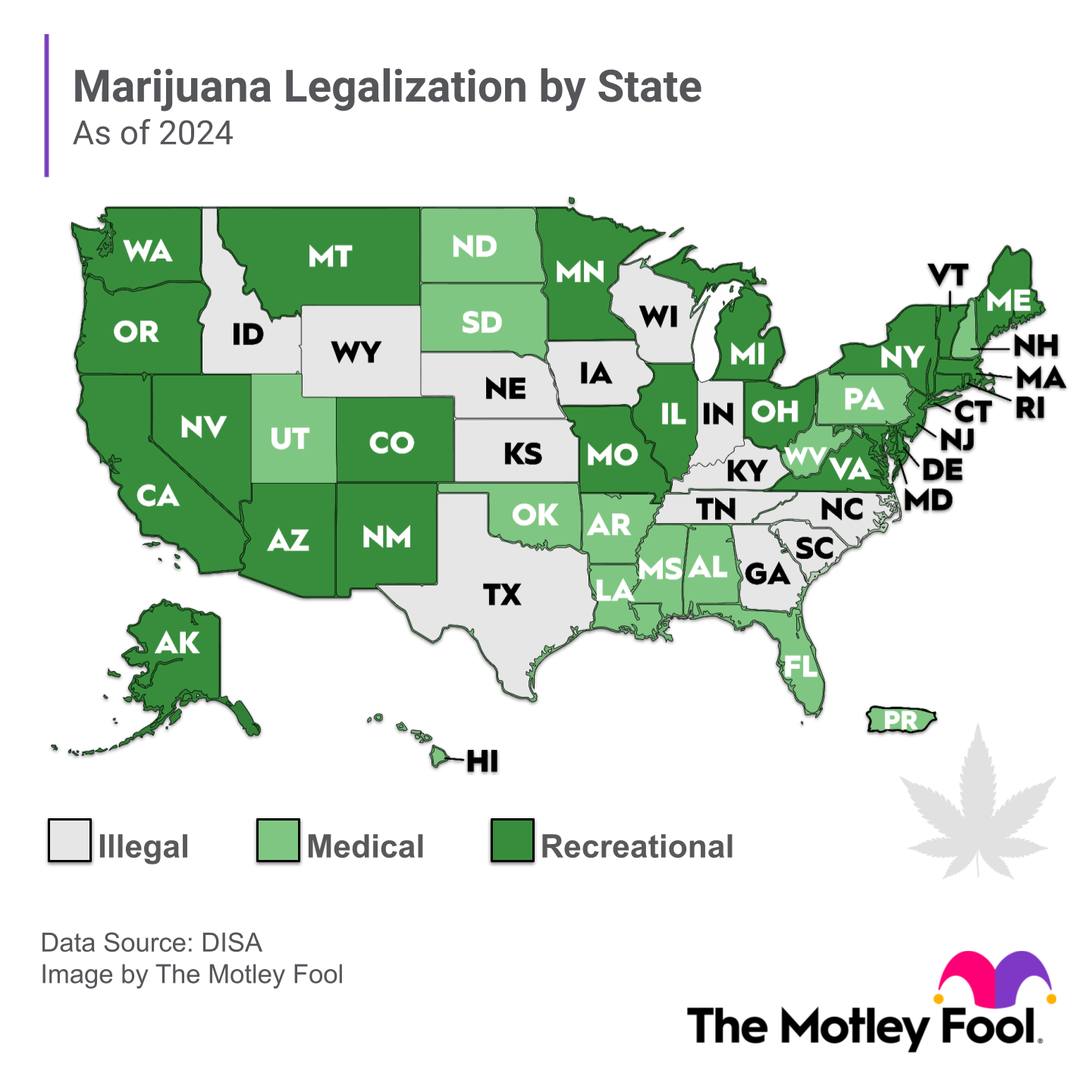
For tourists aged 21 and over, purchasing cannabis from licensed dispensaries in New Mexico is legal. Identification, typically a valid government-issued ID like a driver’s license or passport, is required. The legal possession limits, as mentioned, are two ounces of flower, 16 grams of extract, or 800 milligrams of edibles. It’s crucial to remember that cannabis purchased in New Mexico must be consumed within the state’s borders. Transporting cannabis across state lines, even to other legal states like Colorado or Arizona, is a federal offense and strictly prohibited. Similarly, taking cannabis into neighboring non-legal states such as Texas, Utah, Oklahoma, or across the international border into Mexico carries severe penalties.
Public consumption of cannabis is generally illegal. This includes smoking or vaping in public parks, on sidewalks, in restaurants, or at any venue not specifically licensed for consumption. While private residences are typically permissible, visitors staying in hotels or other accommodations should check with their host or hotel policy regarding on-site consumption, as many properties still maintain a strict no-smoking policy. Consumption in vehicles, even if parked, is also illegal, and driving under the influence of cannabis is treated with the same severity as impaired driving due to alcohol. Understanding these restrictions is key to a hassle-free visit, ensuring that your exploration of New Mexico’s attractions is not marred by legal complications.
Safe and Responsible Consumption Practices
Beyond the legal framework, responsible consumption is a cornerstone of safe cannabis tourism. Especially for individuals new to cannabis or trying products in a new environment, starting with a low dose and going slow is always recommended. Edibles, in particular, can have a delayed and more intense effect, so patience is key. It’s also wise to consume in a safe, private environment where you feel comfortable. New Mexico’s cannabis products are clearly labeled with potency information, which can help consumers make informed choices.
The emphasis on responsible consumption extends to planning activities. Just as one wouldn’t drive after consuming alcohol, operating a vehicle or engaging in activities requiring full attention and coordination while under the influence of cannabis is dangerous and illegal. Visitors should designate a sober driver or utilize ride-sharing services if planning to consume. Incorporating cannabis into a trip should enhance, not detract from, the overall travel experience, allowing visitors to fully appreciate New Mexico’s natural beauty and cultural richness while maintaining personal safety and legal compliance. This responsible approach ensures that New Mexico remains an inviting destination for all types of travelers, including those interested in its nascent cannabis industry.
Impact on New Mexico’s Economy and Lifestyle
The legalization of cannabis in New Mexico represents more than just a legislative change; it’s a significant economic driver and a catalyst for evolving perceptions and lifestyle shifts within the state. This transformative policy has far-reaching implications, extending beyond mere commerce to touch the very fabric of New Mexico society and its appeal to a global audience.
Economic Opportunities and Tax Revenue
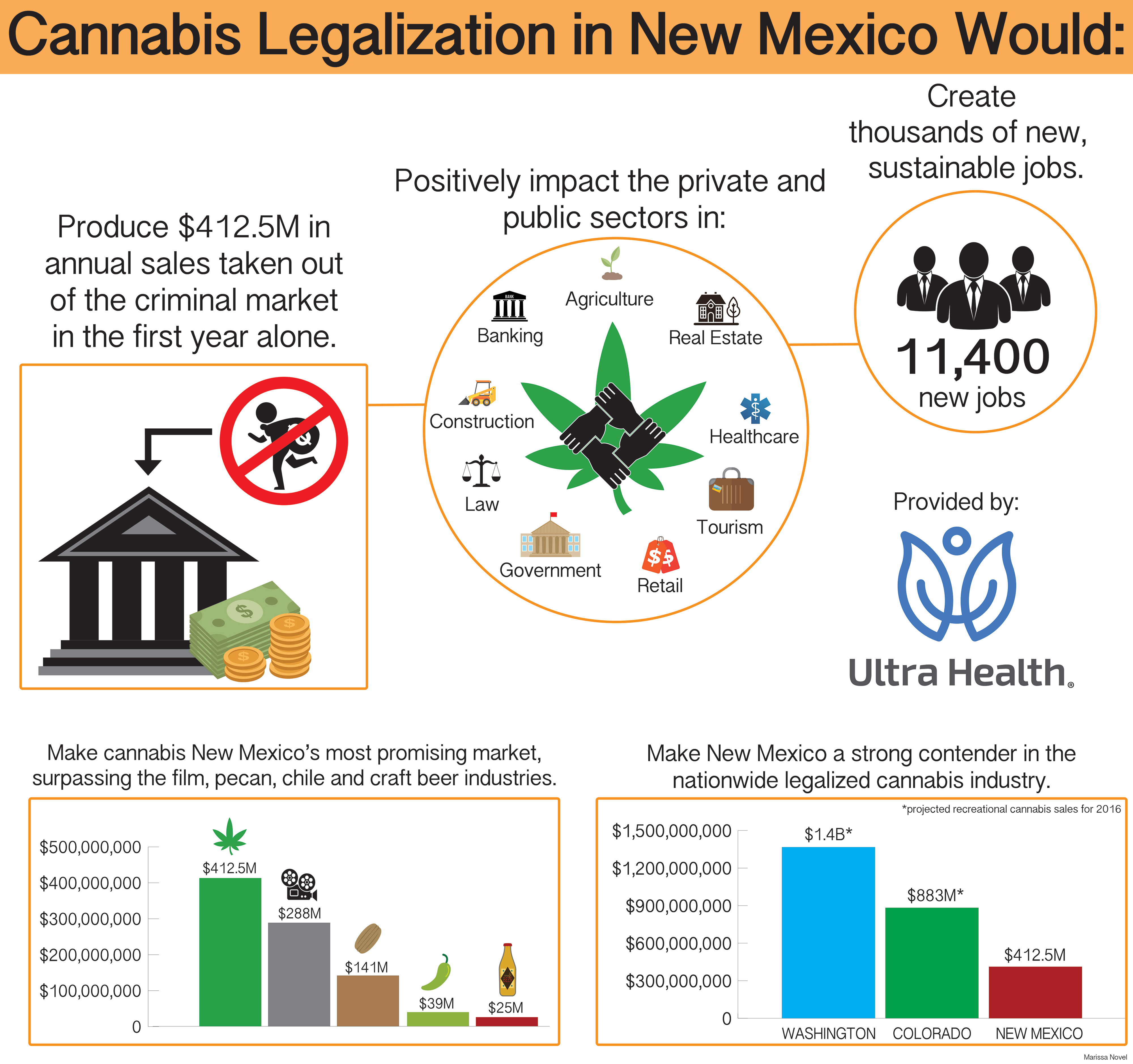
The economic impact of legalizing recreational cannabis has been substantial and continues to grow. The industry has created thousands of new jobs across various sectors, from cultivation and processing to retail and ancillary services like security, marketing, and legal counsel. This job creation provides a much-needed boost to local economies, especially in rural areas where new cannabis farms and facilities can revitalize communities. Furthermore, the state levies significant taxes on cannabis sales, including an excise tax and gross receipts tax. These revenues are earmarked for critical state programs, including public education, healthcare, infrastructure development, and substance abuse prevention and treatment. This influx of capital provides a stable and expanding funding source that directly benefits all New Mexico residents, enhancing public services and quality of life. For the tourism sector, the additional revenue can be reinvested into promoting New Mexico as a destination, improving attractions, and developing new “accommodation” options and “experiences” that cater to diverse traveler preferences, including those interested in a “luxury travel” or “budget travel” approach.
Evolving Perceptions and Lifestyle in the Land of Enchantment
Beyond the measurable economic benefits, cannabis legalization is subtly reshaping New Mexico’s cultural landscape and its public image. The state is increasingly perceived as forward-thinking and progressive, attracting a demographic of residents and visitors who value personal freedom and innovation. This shift contributes to a more diverse and vibrant lifestyle, where cannabis can be openly discussed and responsibly integrated into daily life, similar to alcohol. For locals, this means greater access to products and a reduction in the stigma historically associated with cannabis use. For visitors, it means encountering a more open and accepting environment.
The legalization also prompts innovation in related industries. Hotels, for example, are exploring how to cater to cannabis consumers while adhering to regulations, perhaps by offering specific “suites” or “villas” designed for discretion or by partnering with tour operators for cannabis-friendly activities. Event organizers are considering cannabis-inclusive events, adding another layer to the state’s vibrant cultural scene. As New Mexico continues to mature as a legal cannabis market, its unique blend of ancient traditions and modern progressive policies will undoubtedly solidify its reputation as a distinctive and alluring destination, offering a truly diverse range of “lifestyle” and “tourism” opportunities for every kind of traveler.
In conclusion, yes, New Mexico has fully legalized adult-use cannabis, establishing a comprehensive framework that supports both residents and tourists. This decision has not only created significant economic opportunities but has also added a new dimension to the state’s already rich tourism fabric. For travelers seeking a destination that combines breathtaking natural beauty, profound cultural experiences, and the freedom of legal cannabis, New Mexico stands out as an increasingly attractive choice. By understanding and respecting the local regulations, visitors can seamlessly blend cannabis experiences into their exploration of the Land of Enchantment, making their trip truly unique and memorable.
LifeOutOfTheBox is a participant in the Amazon Services LLC Associates Program, an affiliate advertising program designed to provide a means for sites to earn advertising fees by advertising and linking to Amazon.com. Amazon, the Amazon logo, AmazonSupply, and the AmazonSupply logo are trademarks of Amazon.com, Inc. or its affiliates. As an Amazon Associate we earn affiliate commissions from qualifying purchases.