
Embarking on a journey from the vibrant urban landscape of Seattle, Washington, to the majestic presence of Mount Rainier is a quintessential Pacific Northwest adventure. This iconic stratovolcano, a towering sentinel dominating the horizon, beckons visitors with its pristine glaciers, alpine meadows, and breathtaking vistas. For those planning to explore this natural wonder, a fundamental question arises: “How far is Mount Rainier, Wa from Seattle?” The answer, however, is not a simple mileage figure but a gateway to understanding travel times, route options, and the diverse experiences that await.
The distance between Seattle and Mount Rainier varies depending on which park entrance you aim for. The most popular and accessible entrances from Seattle are the Nisqually Entrance in the southwest and the Sunrise Entrance in the northeast. Each offers a distinct perspective and leads to different trailheads and visitor centers. Generally, the drive can range from approximately 2 to 3 hours, covering a distance of about 80 to 100 miles. However, this figure is a starting point, as traffic, road conditions, and your final destination within the vast national park can influence the actual travel time.

Understanding these distances is crucial for effective travel planning, whether you’re considering a day trip or an extended stay. It allows you to allocate sufficient time for the drive, explore different areas of the park, and savor the natural beauty without feeling rushed. This guide delves into the nuances of reaching Mount Rainier from Seattle, offering insights into the various routes, estimated travel times, and essential tips for a memorable excursion.
Navigating the Routes: Seattle to Mount Rainier
The journey from Seattle to Mount Rainier National Park is an experience in itself, transitioning from the bustling city to the serene embrace of nature. Two primary routes are most commonly taken, each with its own advantages and scenic appeal. The choice often depends on your intended destination within the park and your preferred driving experience.
The Nisqually Entrance: Gateway to Paradise
The Nisqually Entrance, located on the southwestern side of the park, is the most visited entrance and the primary gateway to the world-renowned Paradise area. This route is generally more straightforward and often the quickest from Seattle, especially if your goal is to experience the classic Mount Rainier vistas.
The typical drive to the Nisqually Entrance involves heading south from Seattle on I-5. You’ll then transition to SR 512 East, followed by SR 7 South. The final leg of the journey takes you onto SR 706 East, a picturesque road that winds through charming towns like Elbe and Ashford before reaching the park entrance. This route is well-maintained and offers increasing glimpses of Mount Rainier as you approach.
Driving Time and Distance: The drive from downtown Seattle to the Nisqually Entrance is approximately 80-90 miles and typically takes between 2 and 2.5 hours. However, this estimate can be significantly impacted by Seattle traffic, especially during peak commuting hours or on weekends. Once you pass through the Nisqually Entrance, the road continues to Longmire and then ascends to Paradise, which adds another 30-45 minutes of driving, depending on traffic and the opportunity to stop and admire the scenery.
Key Attractions Along the Nisqually Route:
- Longmire: This historic area offers a visitor center, a museum, and the opportunity to learn about the park’s history and geology. It’s also the starting point for several hiking trails.
- Christine Falls: A beautiful waterfall cascading over a rocky cliff, accessible via a short walk from the road.
- Narada Falls: Another stunning waterfall, more powerful than Christine Falls, with an observation deck offering excellent views.
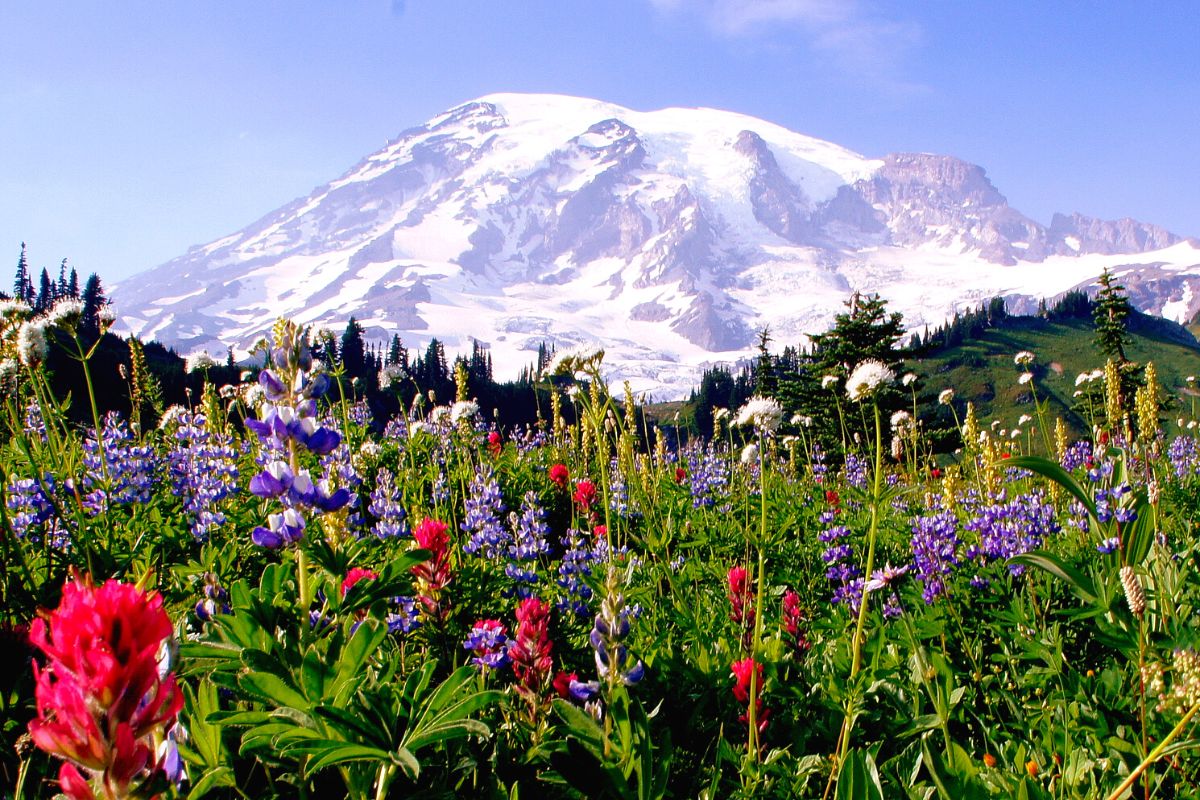
- Paradise: The crown jewel of the Nisqually side, Paradise boasts the iconic Paradise Inn and the Henry M. Jackson Visitor Center. From here, you can access numerous trails, including the Skyline Trail, offering unparalleled views of Mount Rainier, glaciers, and wildflower meadows (in season).
The Sunrise Entrance: Views from Above
The Sunrise Entrance, located on the northeastern side of the park, provides access to the Sunrise area, which is the highest point reachable by vehicle in the park. This route offers a different perspective and is often preferred by those seeking panoramic views and a less crowded experience, especially outside of peak summer weekends.
To reach the Sunrise Entrance from Seattle, you will typically take I-90 East. You’ll then transition to SR 123 South, followed by SR 410 East, which leads you to the park’s northeastern boundary. The road into the park from the Sunrise Entrance is known as the Sunrise Park Road.

Driving Time and Distance: The drive from Seattle to the Sunrise Entrance is slightly longer, typically around 90-100 miles. The estimated driving time is between 2.5 and 3 hours, again, subject to traffic conditions. The Sunrise Park Road itself is a winding, scenic drive that can take an additional 30-45 minutes to navigate to the Sunrise Visitor Center. This road is also seasonally closed due to snow, usually from late September or October until late June or early July.
Key Attractions Along the Sunrise Route:
- Chinook Scenic Byway (SR 410): This route is part of the Chinook Scenic Byway, offering spectacular mountain scenery even before you enter the park.
- Tipsoo Lake: A picturesque alpine lake just before the Sunrise Entrance, perfect for a short stroll and photography.
- Sunrise: The Sunrise area offers a visitor center and a stunning 360-degree panorama of Mount Rainier, the Cascade Range, and the surrounding valleys. It’s the starting point for many excellent hikes, including those leading to Mount Fremont Lookout and Sourdough Ridge.
Planning Your Mount Rainier Excursion: Beyond the Distance
While knowing the mileage and driving times is essential, planning a trip to Mount Rainier involves more than just calculating distance. The “how far” also encompasses the time and effort you’re willing to invest in experiencing this natural marvel. Factors like the time of year, desired activities, and accommodation choices all play a significant role in shaping your journey.
Seasonal Considerations and Road Access
The accessibility of Mount Rainier National Park is heavily influenced by the season. Winter brings heavy snowfall, closing many roads and limiting access. The Nisqually Entrance typically remains open year-round, providing access to Longmire and limited areas, but the road to Paradise is often closed to regular vehicle traffic from late November to late May or early June. Similarly, the Sunrise and Stevens Canyon roads are closed for the winter season, usually from October through June.
- Spring (April-June): While lower elevations begin to bloom, higher elevations remain snow-covered. Access is gradually restored, with Paradise often opening in late May or early June. This is a great time for fewer crowds but requires checking road status regularly.
- Summer (July-September): This is peak season. All roads are typically open, and wildflower meadows in Paradise and Sunrise are in full bloom. Expect larger crowds and potential traffic delays within the park. Advance reservations for lodging or campsites are highly recommended.
- Fall (October-November): The park transforms with autumn colors, offering a quieter experience. However, early snow can lead to road closures, especially at higher elevations. The Sunrise and Stevens Canyon roads usually close by late September or early October.
- Winter (December-March): A true winter wonderland. Longmire remains accessible, and the road to Paradise opens for snowplay and snowshoeing when conditions permit. The Henry M. Jackson Visitor Center at Paradise often has winter hours.
Accommodation Options: Proximity to the Park
Your choice of accommodation can significantly impact the convenience and enjoyment of your visit. Whether you prefer staying within the park for an immersive experience or in nearby towns for more amenities, there are options to suit different travel styles and budgets.
- In-Park Lodging: Staying inside Mount Rainier National Park offers unparalleled access to its natural beauty. The historic Paradise Inn, a National Historic Landmark, and the adjacent National Park Inn at Longmire provide charming accommodations with stunning surroundings. These are highly sought after and require booking well in advance, often up to a year ahead. Camping facilities are also available at several campgrounds throughout the park.
- Near-Park Towns: Towns bordering the park, such as Ashford (near the Nisqually Entrance) and Packwood (further south, offering access to both the Nisqually and Stevens Canyon entrances), provide a range of hotels, motels, cabins, and vacation rentals. These towns offer a more diverse selection of dining and shopping options and can be a more budget-friendly alternative to in-park lodging. Staying in these areas still allows for relatively easy day trips into the park, with driving times to the entrances typically ranging from 15 minutes to an hour.
Activities and Experiences: Making the Most of Your Trip
The distance from Seattle is a mere prelude to the myriad of activities available at Mount Rainier. The park is a hiker’s paradise, with trails ranging from easy, paved paths suitable for families to challenging backcountry expeditions.
- Hiking: From the wildflower-strewn meadows of Paradise on the Skyline Trail to the panoramic views from Sunrise and the challenging climbs to glacier viewpoints, hiking is the quintessential Mount Rainier experience. Don’t miss trails like the Grove of the Patriarchs (a stunning old-growth forest walk) or the Comet Falls Trail for waterfall enthusiasts.
- Photography: The dramatic landscapes, from the snow-capped peak to the verdant forests and alpine lakes, make Mount Rainier a photographer’s dream. Golden hour, sunrise, and sunset often provide the most spectacular light.
- Wildlife Viewing: Keep an eye out for Roosevelt elk, black bears, marmots, and a variety of bird species. Remember to maintain a safe distance and never feed wildlife.
- Visitor Centers and Ranger Programs: Utilize the visitor centers at Longmire, Paradise, and Sunrise to learn about the park’s natural and human history. Ranger-led programs offer insights into geology, flora, fauna, and conservation efforts.
- Scenic Drives: Even if you’re not a hiker, the park’s scenic roads offer breathtaking views at every turn. The drive between Paradise and Sunrise via Stevens Canyon Road (when open) is particularly spectacular.
In conclusion, the question of “How far is Mount Rainier, Wa from Seattle?” opens up a world of possibilities for exploration. It’s not just about miles on a map but about the journey, the experiences, and the memories you create. By understanding the different routes, seasonal considerations, and available amenities, you can plan an unforgettable adventure to one of the Pacific Northwest’s most cherished natural treasures. Whether you’re seeking a quick day trip or a more immersive exploration, Mount Rainier awaits, just a scenic drive away.
LifeOutOfTheBox is a participant in the Amazon Services LLC Associates Program, an affiliate advertising program designed to provide a means for sites to earn advertising fees by advertising and linking to Amazon.com. Amazon, the Amazon logo, AmazonSupply, and the AmazonSupply logo are trademarks of Amazon.com, Inc. or its affiliates. As an Amazon Associate we earn affiliate commissions from qualifying purchases.