
Embarking on a journey from the vibrant city of Seattle to the unparalleled natural splendor of Olympic National Park is a quintessential Pacific Northwest travel experience. This vast national park, a UNESCO World Heritage Site, offers an astonishing diversity of landscapes, from temperate rainforests and rugged coastlines to alpine peaks. For many travelers based in or visiting Seattle, the park represents an accessible yet awe-inspiring escape into the wild. Understanding the distance and travel times involved is crucial for planning a successful adventure, whether you’re seeking a day trip or a multi-day exploration.
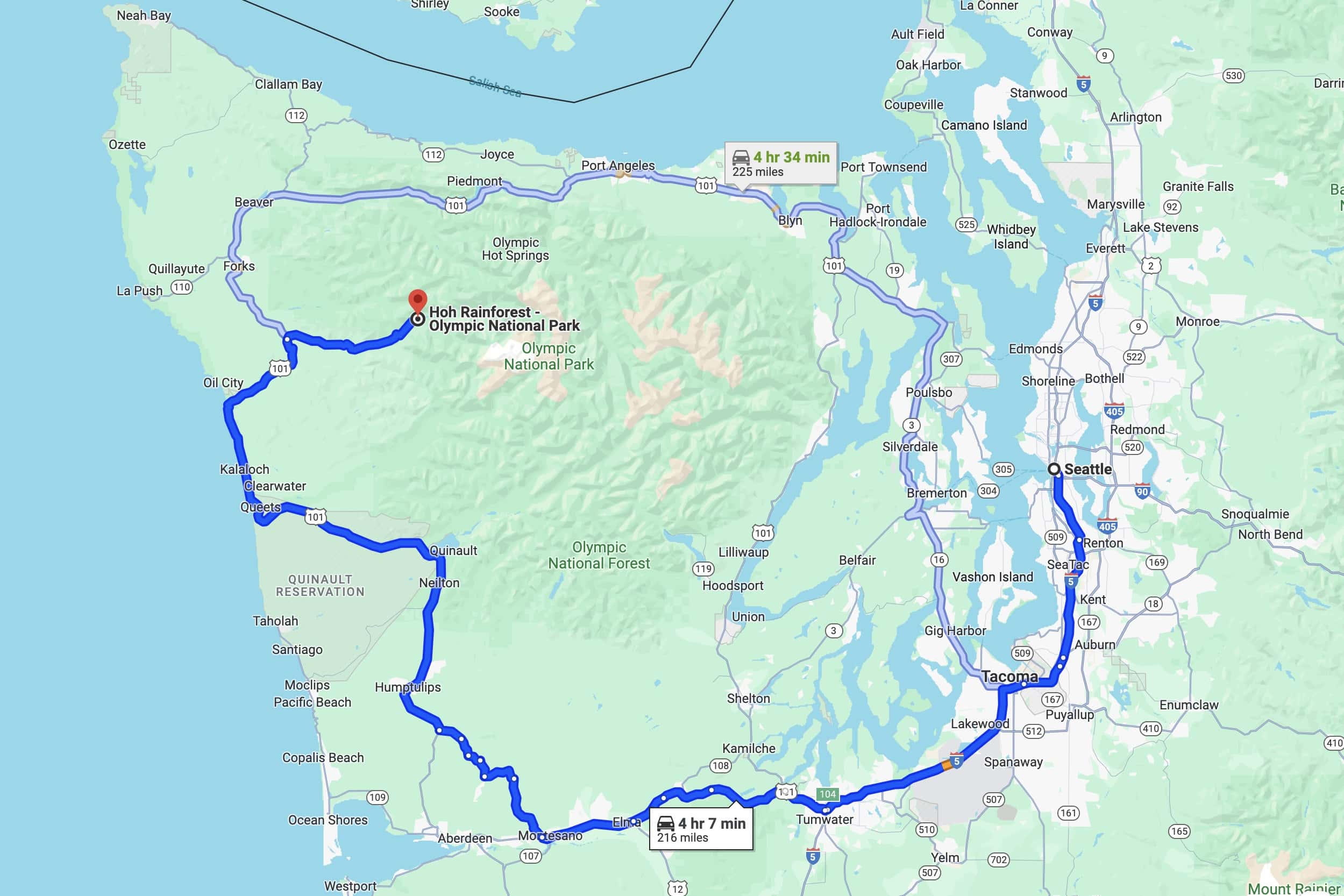
The answer to “how far is Olympic National Park from Seattle?” is not a simple one-size-fits-all. The park is enormous, encompassing over 900,000 acres and comprising three distinct ecosystems: the Olympic Mountains, the Pacific coastline, and the Hoh Rainforest. Therefore, the distance and travel time depend heavily on which section of the park you intend to visit. This guide will break down the key entry points and provide estimated travel times, helping you navigate your way to this natural wonderland.
Planning Your Expedition: Distance and Travel Times
Olympic National Park is geographically diverse, meaning your starting point in Seattle and your desired destination within the park will significantly influence your journey. The park’s entrances are spread out, and road access can vary. It’s essential to have a specific area of the park in mind before setting out.
Gateway to the Coast: La Push and Rialto Beach
For many, the allure of the Olympic Peninsula lies in its dramatic, untamed coastline. Iconic spots like La Push (specifically the First, Second, and Third Beaches) and Rialto Beach are popular destinations. These areas offer stunning sea stacks, driftwood-strewn shores, and the chance to witness incredible sunsets over the Pacific Ocean.
The drive from Seattle to the coastal sections of Olympic National Park, such as Forks or the access points for La Push and Rialto Beach, typically takes around 3.5 to 4.5 hours, depending on traffic and ferry schedules.
The Ferry Advantage
A common and often scenic route from Seattle to the Olympic Peninsula involves taking a Washington State Ferry. The most popular ferry route for this journey is the Seattle-Bainbridge Island ferry. Once you disembark in Bainbridge Island, you’ll drive north on Highway 3, then west on Highway 104 across the Hood Canal Bridge, and finally onto Highway 101, which winds its way around the Olympic Peninsula.
- Seattle to Bainbridge Island Ferry: This ferry ride itself is an experience, offering beautiful views of the Seattle skyline and the Puget Sound. The ferry crossing takes approximately 35 minutes.
- Bainbridge Island to La Push/Rialto Beach: From Bainbridge Island, the drive to the coastal areas is about 3 to 4 hours. This includes navigating Highway 101, which can be winding and, at times, slow-moving due to its popularity with tourists and local traffic.
Alternative Ferry Routes: While less direct for reaching the coast, you could also consider the Seattle-Bremerton ferry, which would add a bit more driving time on the Kitsap Peninsula before reaching Highway 101.
Driving Without the Ferry: It is possible to drive around the south end of Puget Sound, but this route is significantly longer, often adding an extra 1.5 to 2 hours to the total travel time. It’s generally recommended to use the ferry for efficiency and enjoyment.
Into the Emerald Depths: The Hoh Rainforest
The enchanting Hoh Rainforest, one of the largest temperate rainforests in the United States, is another major draw for visitors to Olympic National Park. Famous for its moss-draped trees, lush undergrowth, and abundant wildlife, the Hoh Rainforest offers an immersive experience into a primeval world.
The drive from Seattle to the Hoh Rainforest Visitor Center follows a similar path to reaching the coast, often utilizing the Bainbridge Island ferry and Highway 101.
- Travel Time: The estimated travel time to the Hoh Rainforest from Seattle is approximately 4 to 5 hours. This duration accounts for the ferry crossing, driving through smaller towns, and the final stretch on Highway 101, which can be slow as you approach the park’s interior. The last segment of the drive involves a relatively narrow and winding road, so allow ample time and drive cautiously.
Important Considerations for the Hoh Rainforest: Parking at the Hoh Rainforest Visitor Center can be extremely limited, especially during peak season. Arriving early in the morning or later in the afternoon is highly recommended.
Ascending to the Peaks: Hurricane Ridge
For breathtaking panoramic views of the Olympic Mountains, alpine meadows, and the Strait of Juan de Fuca, Hurricane Ridge is the destination. This easily accessible mountain area offers a stark contrast to the rainforest and coast, showcasing a different facet of the park’s incredible biodiversity.
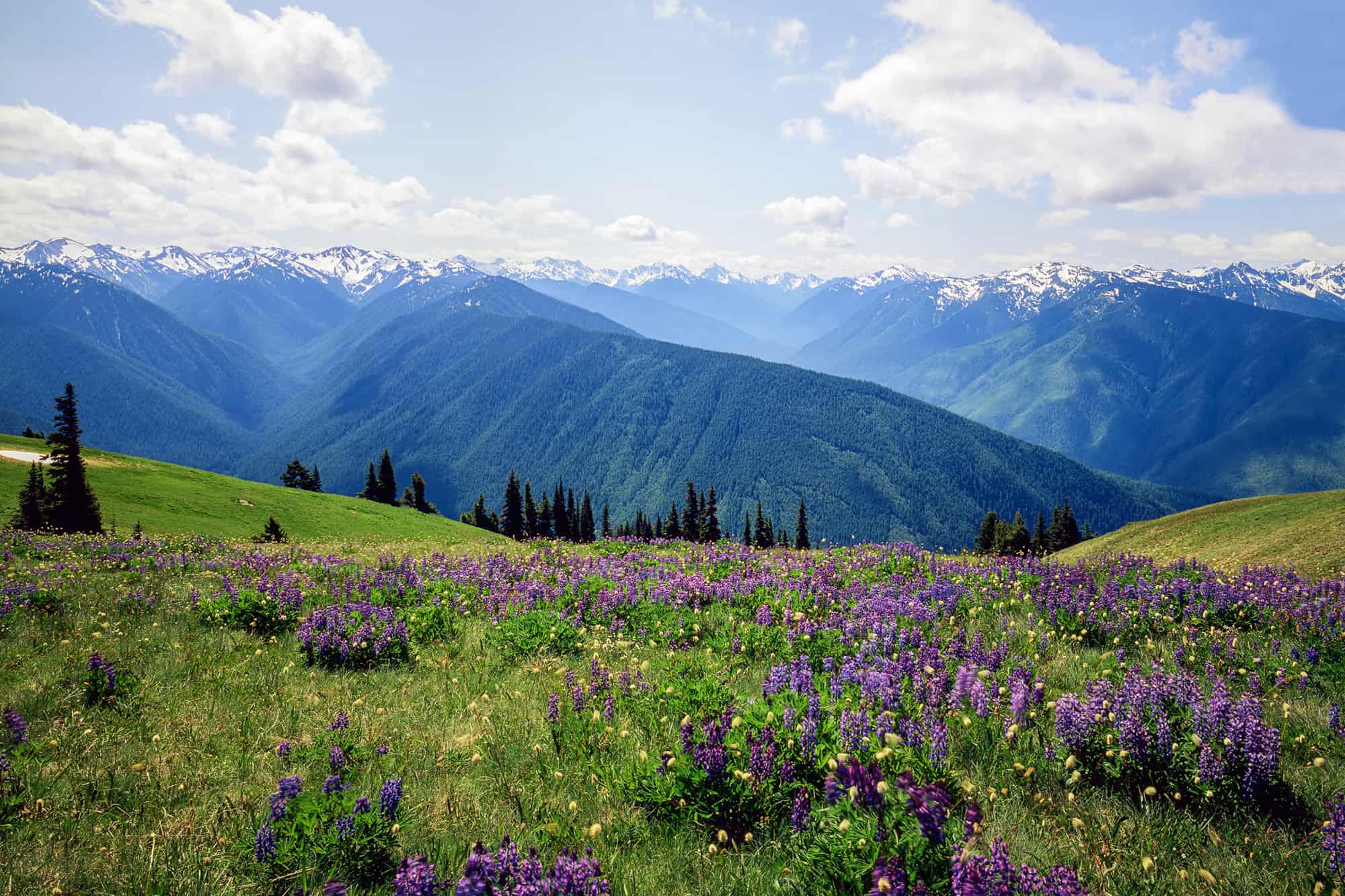
The drive from Seattle to Hurricane Ridge is generally the most straightforward in terms of road access compared to the more remote rainforest and coastal areas. The primary route involves driving to Port Angeles, the largest city on the Olympic Peninsula and a convenient gateway to the northern part of the park.
- Seattle to Port Angeles: Taking Highway 101 north and west, or utilizing the Bainbridge Island ferry followed by Highway 101, will lead you to Port Angeles. The drive to Port Angeles from Seattle typically takes 2.5 to 3.5 hours, depending on ferry waits and traffic.
- Port Angeles to Hurricane Ridge: From Port Angeles, it’s a scenic and well-maintained paved road that ascends to Hurricane Ridge. This drive takes approximately 45 minutes to 1 hour.
Total Travel Time to Hurricane Ridge: Therefore, the total estimated travel time from Seattle to Hurricane Ridge is around 3.5 to 4.5 hours.
Road Closures for Hurricane Ridge: Be aware that the road to Hurricane Ridge can be subject to temporary closures due to snow, ice, or other severe weather conditions, particularly outside of the summer months. Always check the park’s official website for current road status before your visit.
Experiencing Olympic National Park: Beyond the Drive
Once you’ve arrived at Olympic National Park, the possibilities for exploration are vast. The park caters to a wide range of interests and travel styles, from the adventurous hiker seeking solitude to the family looking for accessible natural beauty.
Accommodation Options Near the Park
While camping within the park is a popular choice, numerous hotels, resorts, and vacation rentals are available in towns surrounding Olympic National Park. These accommodations provide a comfortable base from which to explore the park’s diverse regions.
- Port Angeles: As the largest city and a primary gateway, Port Angeles offers a range of hotels, from budget-friendly motels to more upscale inns. It’s an ideal location for visiting Hurricane Ridge and exploring the northern coast. Popular choices might include the Olympic Lodge or various chain hotels.
- Forks: Known for its association with the “Twilight” series, Forks is a convenient hub for accessing the Hoh Rainforest and the coastal areas like La Push and Rialto Beach. Accommodation options here are more limited but include motels and lodges.
- Lake Quinault and Lake Crescent: For a more immersive nature experience, consider lodging near Lake Quinault or Lake Crescent. The historic Lake Quinault Lodge and the Lake Crescent Lodge offer charming, rustic settings directly on the water, providing excellent access to hiking trails and scenic views. These lodges offer a distinct experience, often catering to a luxury travel or romantic getaway vibe.
When booking your accommodation, consider the specific areas of the park you plan to visit most frequently. Staying closer to your primary exploration zone can save significant driving time each day.
Activities and Experiences
Olympic National Park is a playground for outdoor enthusiasts.
- Hiking: Trails abound, from short, accessible interpretive walks like the Hall of Mosses in the Hoh Rainforest to strenuous backcountry treks in the Olympic Mountains. Must-do hikes include the Spruce Nature Trail (Hoh), the Hurricane Hill Trail (Hurricane Ridge), and trails along the coast to explore tide pools and sea stacks.
- Wildlife Viewing: Keep an eye out for Roosevelt elk, black bears, deer, and a variety of bird species. The coast is a prime location for observing marine life, including whales during migration seasons.
- Scenic Drives: Highway 101 offers access to many park attractions, and scenic byways like the Hurricane Ridge Road provide stunning vistas without strenuous effort.
- Beachcombing and Photography: The rugged coastline with its driftwood and dramatic sea stacks offers endless opportunities for exploration and capturing memorable photographs.
- Stargazing: Far from city lights, the park’s remote locations offer incredible stargazing opportunities, particularly at Hurricane Ridge on clear nights.
Navigating Your Trip: Tips for a Smooth Journey
A well-planned trip to Olympic National Park from Seattle ensures you maximize your time and enjoyment.
Best Times to Visit
The best time to visit Olympic National Park depends on your priorities.
- Summer (June – August): This is the most popular time, offering the best weather with drier conditions and warmer temperatures, especially at higher elevations like Hurricane Ridge. However, expect larger crowds and higher accommodation prices.
- Spring (April – May): Wildflowers bloom in the lower elevations, and the rainforest is at its most lush. Coastal areas are generally accessible, but mountain passes may still be snow-covered.
- Fall (September – October): This season offers beautiful fall colors, fewer crowds, and often pleasant weather. The coastal areas are particularly beautiful, and wildlife viewing can be excellent.
- Winter (November – March): The park transforms into a winter wonderland. Hurricane Ridge offers opportunities for snowshoeing and skiing (though amenities are limited), while the rainforest and coast provide a moody, dramatic atmosphere. Many park roads and facilities may be closed or have limited access.
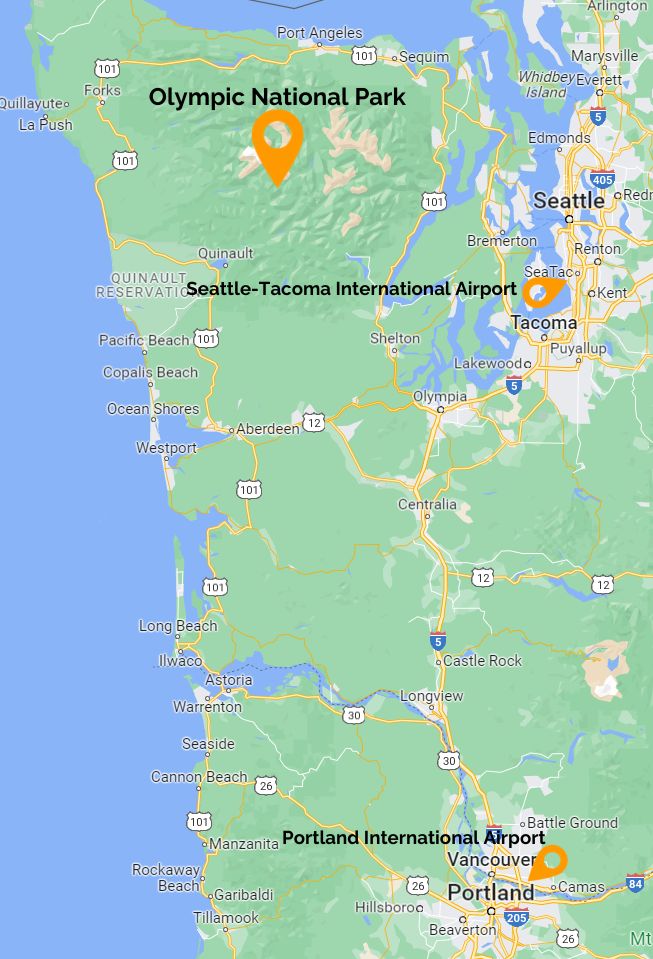
Essential Preparations
- Park Pass: You will need a National Park Service entrance pass to enter Olympic National Park. Consider an America the Beautiful Pass if you plan to visit multiple national parks within a year.
- Navigation: Cell service can be spotty to non-existent in many parts of the park. Download offline maps and carry a physical map for navigation.
- Weather Preparedness: The weather in Olympic National Park can change rapidly, even within the same day. Pack layers of clothing, including waterproof and windproof outer shells, regardless of the season. Sturdy hiking shoes are essential.
- Wildlife Safety: Be aware of wildlife and maintain a safe distance. Never feed animals.
- Food and Water: While there are some dining options within or near the park, it’s advisable to pack snacks and plenty of water, especially if you plan to spend a full day exploring.
By understanding the distances and travel times from Seattle and preparing adequately, you can ensure a seamless and unforgettable visit to the magnificent Olympic National Park.
LifeOutOfTheBox is a participant in the Amazon Services LLC Associates Program, an affiliate advertising program designed to provide a means for sites to earn advertising fees by advertising and linking to Amazon.com. Amazon, the Amazon logo, AmazonSupply, and the AmazonSupply logo are trademarks of Amazon.com, Inc. or its affiliates. As an Amazon Associate we earn affiliate commissions from qualifying purchases.