
While many travelers focus on the iconic sights and vibrant culture when planning a trip to a new city, understanding the local economic landscape, including the minimum wage, can offer a deeper insight into the destination and enhance your travel experience. For those considering visiting or even relocating to the Emerald City, understanding the minimum wage in Seattle is a crucial piece of information. This isn’t just about abstract economic policy; it directly impacts the cost of living, the price of services you might encounter, and the overall economic vibe of the city.
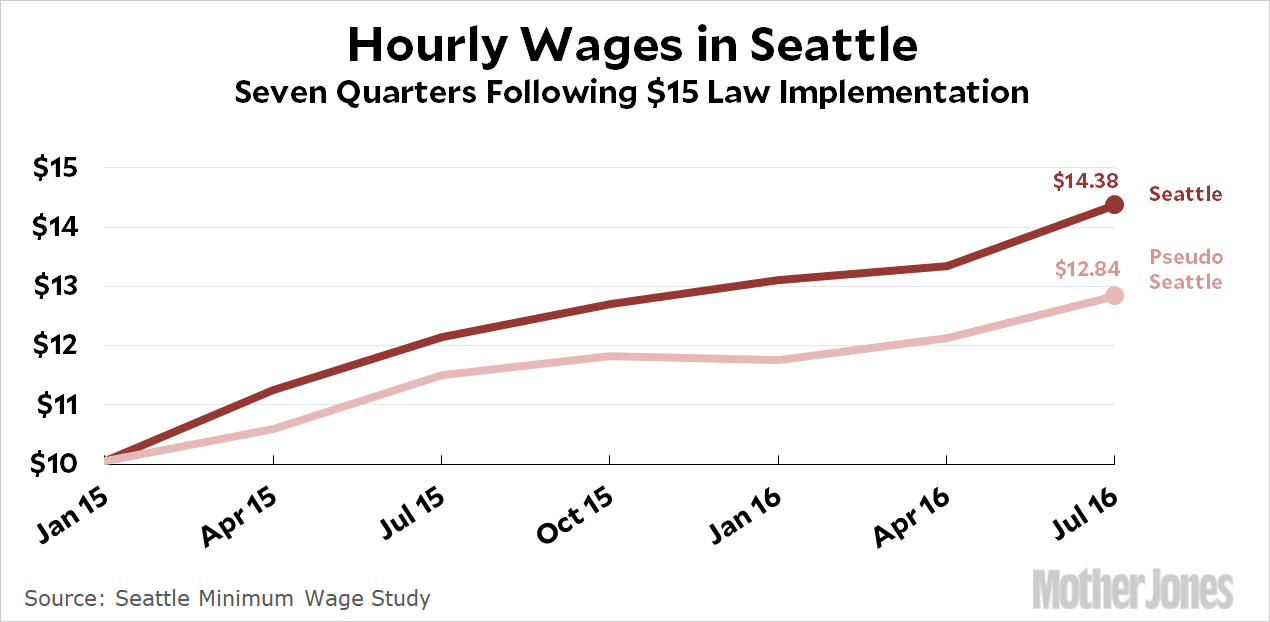
The minimum wage in any given location is more than just a number; it’s a reflection of the city’s commitment to its workforce and a significant factor in its economic health. For travelers, knowing this can influence budget planning, tipping practices, and even where you choose to spend your money. A higher minimum wage often correlates with higher prices for goods and services, including those offered by hotels, restaurants, and tour operators. Conversely, it can also indicate a more robust local economy with greater disposable income among residents, potentially leading to a more vibrant and diverse offering of experiences.
Understanding Seattle’s Minimum Wage Landscape
Seattle has been at the forefront of the movement for a higher minimum wage, often making national headlines for its ambitious policies. This has been driven by a desire to address rising living costs in a rapidly growing tech hub. The conversation around the minimum wage in Seattle is dynamic, with adjustments typically made annually to account for inflation and other economic factors.
The Evolution of Seattle’s Minimum Wage
The journey towards the current minimum wage in Seattle has been a progressive one. For years, the city has been implementing phased increases, with different benchmarks set for large employers versus small businesses, and often with a link to healthcare benefits. This tiered approach was designed to ease the transition for smaller businesses while ensuring that workers at larger companies saw more immediate gains.
The debate has often centered on the economic impact of these increases. Proponents argue that a higher minimum wage boosts consumer spending, reduces poverty, and decreases employee turnover, ultimately benefiting businesses. Opponents express concerns about potential job losses, increased prices for consumers, and the burden placed on small businesses struggling to absorb higher labor costs. Numerous studies have been conducted, with varying conclusions, reflecting the complexity of this economic issue.
As of recent adjustments, the minimum wage in Seattle is set by the City of Seattle and is adjusted annually on January 1st based on the regional Consumer Price Index (CPI). This mechanism ensures that the purchasing power of the minimum wage keeps pace with the cost of living. It’s important for visitors to be aware that the minimum wage can differ slightly from the state of Washington‘s minimum wage, as cities can set their own higher rates.
Factors Influencing the Minimum Wage
Several key factors dictate the minimum wage in Seattle:
- Annual Adjustments: The most significant factor is the annual adjustment based on the CPI. This is a built-in mechanism to maintain the real value of the minimum wage.
- Employer Size: Historically, there have been different minimum wage rates depending on the size of the employer. Businesses with a certain number of employees, often 500 or more, may be subject to a higher rate, especially if they do not offer qualifying health benefits. Smaller businesses might have had a slightly lower rate or a longer transition period. However, recent legislation has aimed to simplify these distinctions.
- Health Benefits and Paid Sick Leave: The availability of qualifying health benefits and paid sick leave has played a role in determining the applicable minimum wage for employers in Seattle. Employers who provide these benefits may have been subject to a slightly lower rate than those who did not. This policy was intended to incentivize employers to offer comprehensive benefits packages.
- Inflation: The CPI-linked adjustment directly accounts for inflation, ensuring that the minimum wage doesn’t erode in purchasing power over time.
What This Means for Travelers
For visitors to Seattle, understanding the minimum wage has several practical implications:
- Cost of Services: You’ll likely find that the cost of services that rely heavily on minimum wage labor, such as restaurant meals, hotel housekeeping, and local tours, might be higher in Seattle compared to cities with lower minimum wages. This is a direct consequence of businesses needing to meet higher labor cost requirements.
- Tipping Practices: While tipping customs can vary, understanding the prevailing minimum wage can inform your tipping decisions. In a city where the baseline wage is higher, the expectation for tips might still exist, but it can also be viewed as a supplement to a more livable wage, rather than the primary source of income for many service workers. Always observe local customs and err on the side of generosity if you receive excellent service.
- Economic Vibrancy and Local Experiences: A higher minimum wage often contributes to a stronger local economy. This can translate into more disposable income for residents, supporting a wider array of local businesses, restaurants, and cultural attractions. You might discover a more diverse and vibrant scene of independent eateries, unique shops, and community events, which can greatly enrich your travel experience. Exploring neighborhoods beyond the main tourist hubs can reveal these authentic gems.
- Accommodation Choices: When booking accommodation, from luxury suites at hotels like the Four Seasons Hotel Seattle to more budget-friendly apartments or villas, the cost of labor is a factor in the overall pricing. While Seattle offers a range of options, be prepared for potentially higher rates across the board, reflecting the city’s economic realities. This might encourage more travelers to consider vacation rentals or boutique hotels that offer a different value proposition.
- Budgeting for Your Trip: It’s prudent to factor in the higher cost of living in Seattle when setting your travel budget. This includes not just accommodation and flights but also daily expenses like dining, local transportation, and activities. Researching the average cost of meals and attractions in advance can help you manage your finances effectively.
Exploring Seattle: Minimum Wage and Your Travel Experience
Seattle, a city renowned for its stunning natural beauty, innovative spirit, and vibrant cultural scene, offers a plethora of experiences for every type of traveler. From the iconic Space Needle to the bustling Pike Place Market, there’s no shortage of landmarks and activities. Understanding the local minimum wage adds another layer to appreciating the city’s economic dynamism and how it shapes the visitor experience.
Impact on Dining and Local Cuisine
The culinary scene in Seattle is a significant draw for visitors. The city boasts a diverse range of dining options, from upscale restaurants to casual cafes and food trucks, reflecting its multicultural population and access to fresh, local ingredients. The prevailing minimum wage directly influences the operational costs for these establishments.
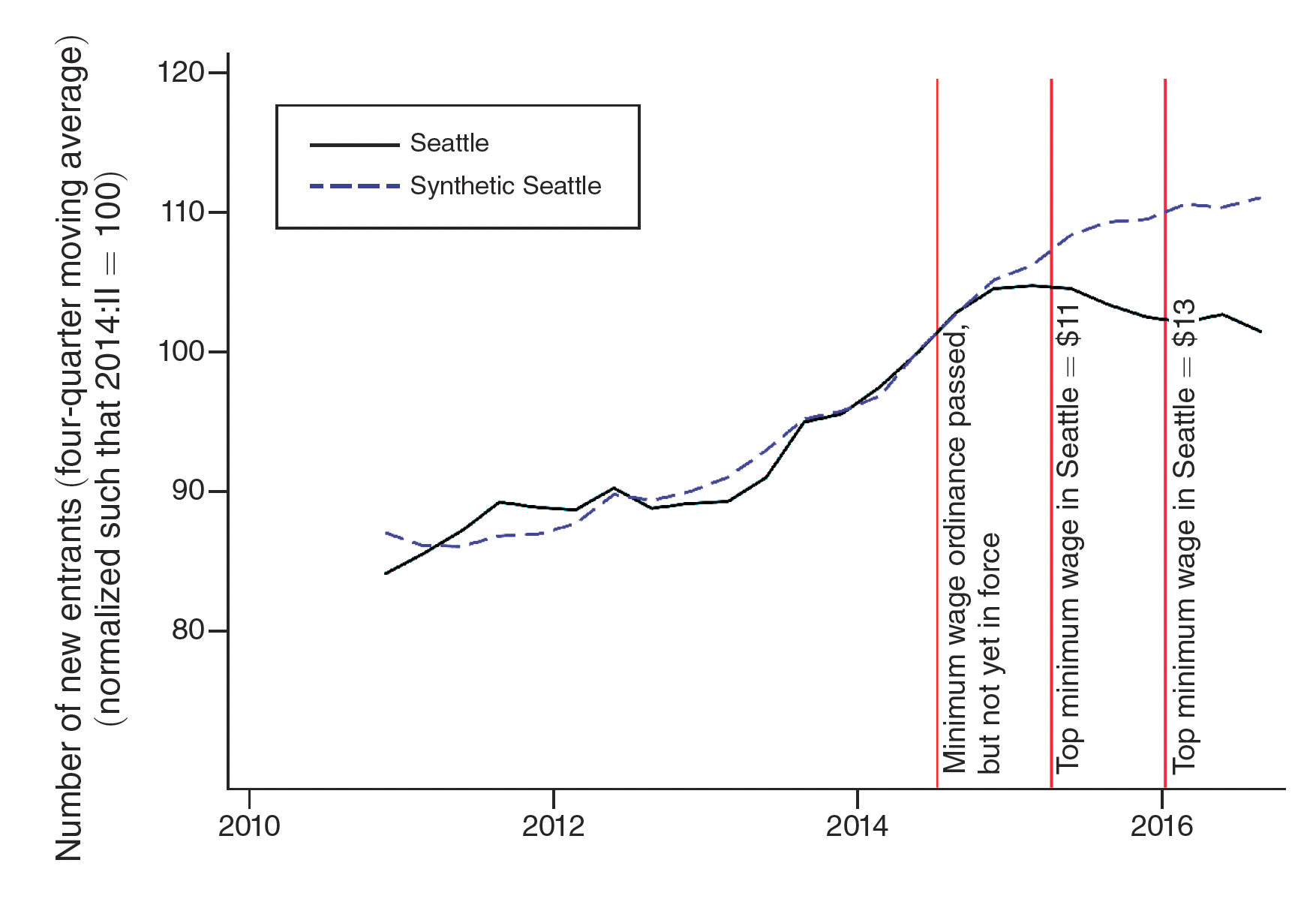
- Restaurant Pricing: Expect that menu prices at many restaurants, particularly those that rely on a larger service staff, will reflect the higher labor costs. This doesn’t necessarily mean a diminished dining experience; rather, it’s an indication that workers are earning a more substantial baseline wage. This can lead to a greater emphasis on quality ingredients and skilled preparation.
- Support for Local Businesses: A higher minimum wage can bolster the financial stability of local restaurant workers, contributing to a more consistent customer base and a healthier local economy. When you dine out, you’re not only enjoying the flavors of Seattle but also contributing to a system that aims to provide a living wage. This might encourage travelers to explore more independent restaurants and cafes, which often are the heart of a city’s culinary identity.
- Service Quality: While service standards are generally high across the United States, a higher minimum wage can contribute to lower employee turnover in the service industry. This can result in a more experienced and dedicated workforce, potentially leading to enhanced service quality for diners.
Accommodation and Hospitality Sector
Seattle’s hospitality sector is extensive, catering to both leisure and business travelers. The city offers a wide spectrum of accommodation, from luxurious resorts and boutique hotels to budget-friendly hostels and serviced apartments. The minimum wage policies have a significant bearing on this industry.
- Hotel Pricing: The cost of labor is a substantial component of hotel operating expenses. Therefore, the minimum wage in Seattle can influence the nightly rates for rooms, whether you’re considering a stay at the Thompson Seattle or a more economical option. This is particularly true for the labor-intensive services such as housekeeping, front desk operations, and food and beverage services within the hotels.
- Amenities and Service Offerings: Businesses may adjust their service offerings or the pricing of amenities to accommodate higher labor costs. This could manifest in various ways, such as changes to breakfast buffets, the availability of certain in-room services, or the staffing levels in different hotel departments.
- Long-Term Stays and Apartments: For those considering longer stays in Seattle, perhaps in serviced apartments or rental villas, the economic factors that influence hotel pricing can also indirectly affect rental costs, as they contribute to the overall cost of living and property management in the city.
Tourism and Local Attractions
Seattle is a premier tourist destination, attracting millions of visitors each year. The city’s numerous attractions, from the Chihuly Garden and Glass to the Museum of Pop Culture (MoPOP), are managed by organizations that also adhere to local labor laws.
- Ticket Prices and Tour Costs: The cost of admission to museums, attractions, and guided tours can be influenced by the minimum wage. Operators need to ensure their staff are compensated fairly, and this cost is often passed on to consumers through ticket prices.
- Experiences and Guides: If you’re looking to engage in local experiences, such as guided walking tours, outdoor adventures, or cultural workshops, the rates charged will reflect the operating costs, including labor. A higher minimum wage can support a more stable workforce of knowledgeable guides and experienced activity leaders, potentially enhancing the quality and authenticity of the experiences offered.
- Community Impact: By visiting Seattle and engaging with its attractions and services, travelers contribute to the local economy. The higher minimum wage aims to ensure that a greater portion of this economic activity benefits the city’s residents directly, fostering a more equitable distribution of wealth. This can lead to a more sustainable and inclusive tourism model for the city.
Navigating Seattle on a Budget (or Splurge)
Whether you’re a budget-conscious backpacker or seeking a luxurious escape, understanding Seattle‘s economic context, including its minimum wage, is key to maximizing your enjoyment and managing your expenses effectively. The city offers a diverse range of lifestyle experiences, from budget travel adventures to high-end luxury stays.
Budget Travel Strategies in Seattle
For travelers aiming to keep costs down, a higher minimum wage in Seattle requires a strategic approach. While some prices might be higher, smart planning can unlock affordable experiences.
- Embrace Public Transportation: Seattle has a robust public transportation system, including buses and the Link light rail, which can be significantly more economical than ride-sharing services or renting a car. This allows you to explore various neighborhoods, from downtown to the Fremont Troll, without incurring high transportation costs.
- Explore Free Attractions: Many of Seattle’s most iconic sights are free to enjoy. A stroll through Pike Place Market, walking along the waterfront, or hiking in nearby parks like Discovery Park offer incredible experiences without an entry fee. Visiting the many public art installations scattered throughout the city is another excellent free activity.
- Seek Out Affordable Eats: While fine dining might be pricier, Seattle has a thriving food truck scene and numerous casual eateries offering delicious and reasonably priced meals. Exploring neighborhoods like the International District can reveal a wealth of authentic and budget-friendly culinary options. Packing your own snacks and water bottle can also help curb incidental expenses.
- Consider Budget Accommodation: Options like hostels, budget hotels, or vacation rentals outside the immediate downtown core can offer significant savings. Websites comparing accommodation prices can be invaluable in finding deals on suites, apartments, or even rooms in well-located, affordable guesthouses.
Luxury Travel and Premium Experiences
For those opting for a more luxurious travel experience in Seattle, the city’s premium offerings are designed to provide unparalleled comfort and exceptional service, reflecting the higher standards of its workforce.
- High-End Hotels and Resorts: Seattle boasts world-class hotels, such as the Fairmont Olympic Hotel and the Thompson Seattle, offering exquisite suites, fine dining, and impeccable service. These establishments often provide a full range of amenities, from spa services to concierge assistance, ensuring a pampered stay.
- Fine Dining and Culinary Delights: The city’s Michelin-starred restaurants and acclaimed culinary institutions offer gastronomic journeys that reflect the quality and skill of their chefs and service staff. While these experiences come at a premium, they are a testament to the thriving food culture in Seattle.
- Exclusive Tours and Activities: Luxury travelers might opt for private guided tours of landmarks like the Museum of Flight, exclusive boat tours on Puget Sound, or behind-the-scenes experiences at local breweries and wineries. These curated activities often involve higher price points due to personalized service and specialized arrangements.

Family Trips and Business Stays
Seattle caters effectively to families and business travelers alike, with accommodations and activities tailored to their specific needs, all within the context of the city’s economic framework.
- Family-Friendly Options: Numerous hotels offer family suites and amenities like pools, and attractions like the Woodland Park Zoo and the Seattle Aquarium are designed for younger visitors. Understanding the cost of services can help families budget for meals and activities.
- Business Travel Essentials: For business travelers, Seattle offers a range of well-equipped hotels with business centers, conference facilities, and convenient access to the city’s business districts. The cost of staying in these business-oriented accommodations will be influenced by the city’s overall economic landscape.
In conclusion, while the precise minimum wage figure in Seattle is subject to annual adjustments, understanding its existence and impact provides a valuable lens through which to view your travel experience. It’s a factor that subtly influences everything from the price of a cup of coffee to the cost of your hotel room, ultimately contributing to the city’s unique character and economic vitality. By being aware of these economic realities, travelers can better plan their trips, appreciate the value of the services they receive, and gain a deeper understanding of this dynamic Pacific Northwest metropolis.
LifeOutOfTheBox is a participant in the Amazon Services LLC Associates Program, an affiliate advertising program designed to provide a means for sites to earn advertising fees by advertising and linking to Amazon.com. Amazon, the Amazon logo, AmazonSupply, and the AmazonSupply logo are trademarks of Amazon.com, Inc. or its affiliates. As an Amazon Associate we earn affiliate commissions from qualifying purchases.