
When planning a trip to the vibrant Emerald City, understanding the prevailing weather conditions in Seattle is paramount to curating the perfect itinerary. Seattle, Washington is renowned for its stunning natural beauty, from the shimmering waters of Puget Sound to the majestic peaks of the Olympic Mountains and the iconic silhouette of Mount Rainier. However, the city’s climate plays a significant role in shaping the visitor experience, influencing everything from packing essentials to the types of activities one can enjoy. This comprehensive guide delves into Seattle’s typical weather patterns throughout the year, offering insights for travelers seeking to maximize their visit, whether they are drawn by the allure of its bustling downtown, the tranquility of its natural landscapes, or the charm of its diverse neighborhoods.
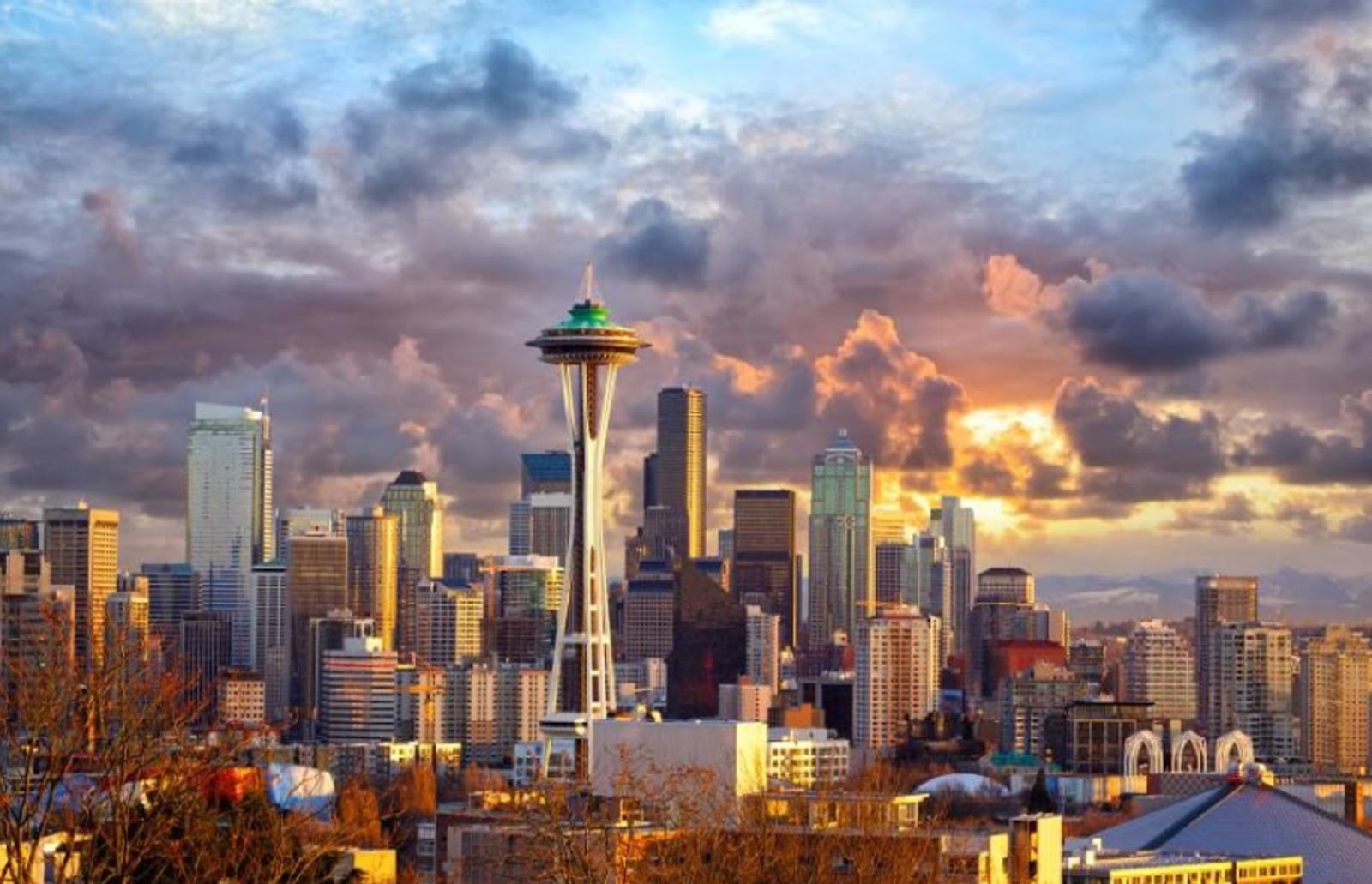
The Pacific Northwest is often characterized by its mild, temperate climate, and Seattle is no exception. Unlike many other major cities, it doesn’t experience extreme temperature fluctuations. This means you’re unlikely to encounter scorching heatwaves or bone-chilling blizzards. However, what Seattle is famous for is its rain. The city consistently ranks among the rainiest in the United States, but this perception often overshadows a more nuanced reality. Much of the precipitation falls as a fine drizzle or light rain, and the overcast skies are a defining feature of the local atmosphere. Understanding these nuances will help you pack appropriately and plan activities that embrace, rather than avoid, the quintessential Seattle weather.
Navigating Seattle’s Seasons: A Month-by-Month Outlook
To truly grasp the weather in Seattle, Washington, it’s beneficial to break down the year by season. Each period offers a unique charm and distinct meteorological characteristics that can influence your travel plans, from visiting renowned landmarks to exploring local culinary delights.
Spring: The Awakening of the Emerald City (March – May)
Spring in Seattle is a time of renewal and gradual warming. While the early part of the season can still be quite damp and cool, the latter half brings increasing sunshine and blooming flora.
- March: This month often mirrors winter’s lingering dampness. Expect cool temperatures, averaging in the low 50s Fahrenheit (around 10-12°C), and frequent rain showers. It’s wise to pack layers, a waterproof jacket, and an umbrella. This is a good time for indoor attractions like the Museum of Pop Culture or enjoying a cozy coffee shop experience.
- April: As April progresses, the rain typically begins to wane, and temperatures start to climb. The average highs can reach the mid-60s Fahrenheit (around 16-18°C), with more sunshine interspersed with occasional showers. The city’s numerous parks, such as Discovery Park, begin to showcase vibrant colors.
- May: May is often considered one of the most pleasant months in Seattle. The weather is generally mild and increasingly dry, with average temperatures in the high 60s Fahrenheit (around 18-20°C). This is an excellent time for outdoor activities, exploring the Pike Place Market, or taking a ferry ride across Puget Sound.
What to Pack for Spring: Waterproof jacket, umbrella, light sweaters, comfortable walking shoes, jeans, and a scarf.
Summer: The Sunniest and Driest Season (June – August)
Seattle summers are famously beautiful and are often the most sought-after period for tourism. The long daylight hours and relatively dry conditions make it ideal for exploring all that the city and its surroundings have to offer.
- June: June marks the official start of summer and often ushers in a significant decrease in rainfall. Temperatures are pleasantly warm, typically in the low 70s Fahrenheit (around 21-23°C). The city comes alive with outdoor festivals and events. This is perfect for visiting landmarks like the Space Needle and enjoying waterfront activities.
- July: July is often the warmest and driest month in Seattle. Average highs hover in the mid-70s Fahrenheit (around 23-25°C), but it’s not uncommon to see temperatures creep into the 80s. Clear skies are prevalent, making it perfect for day trips to Olympic National Park or exploring the islands of San Juan Islands.
- August: August continues the trend of warm, dry weather, with temperatures similar to July. The long daylight hours extend well into the evening, offering ample time to experience the city’s nightlife or enjoy a sunset cruise. This is an excellent period for hiking in the nearby mountains or enjoying the beaches along the coast.
What to Pack for Summer: Light clothing, t-shirts, shorts, sundresses, a light jacket or sweater for cooler evenings, sunglasses, sunscreen, and comfortable sandals.
Autumn: A Tapestry of Color and Cooler Air (September – November)
As the summer sun recedes, Seattle transitions into autumn, a season characterized by crisp air, changing foliage, and a gradual return of rain.
- September: September is often a delightful transition month. The weather remains quite pleasant, with daytime temperatures in the high 60s to low 70s Fahrenheit (around 18-22°C). While there’s a slight increase in the chance of rain compared to summer, it’s usually not disruptive. The fall colors begin to emerge in parks and along the Washington Park Arboretum.
- October: October is when the classic Seattle weather truly starts to assert itself. Temperatures cool down, with average highs in the 50s Fahrenheit (around 10-15°C). Expect more frequent rain showers and overcast skies. It’s a great time for cozying up with a book in a boutique hotel or exploring the city’s renowned coffee culture.
- November: November is typically one of the wettest and coolest months of the year. Daytime temperatures often remain in the 40s Fahrenheit (around 5-10°C), and rain is a near-constant companion. This is a period when indoor activities, museums, and experiencing the city’s culinary scene take center stage. Prepare for distinctly damp and chilly conditions.
What to Pack for Autumn: Layers are key. Include long-sleeved shirts, sweaters, a waterproof and windproof jacket, jeans, and closed-toe shoes. An umbrella is a must.
Winter: The Season of Mists and Mild Temperatures (December – February)
Seattle winters are generally mild and wet, lacking the harshness of snow and extreme cold found in many other parts of the country. The focus shifts to indoor pursuits and enjoying the festive atmosphere of the holiday season.
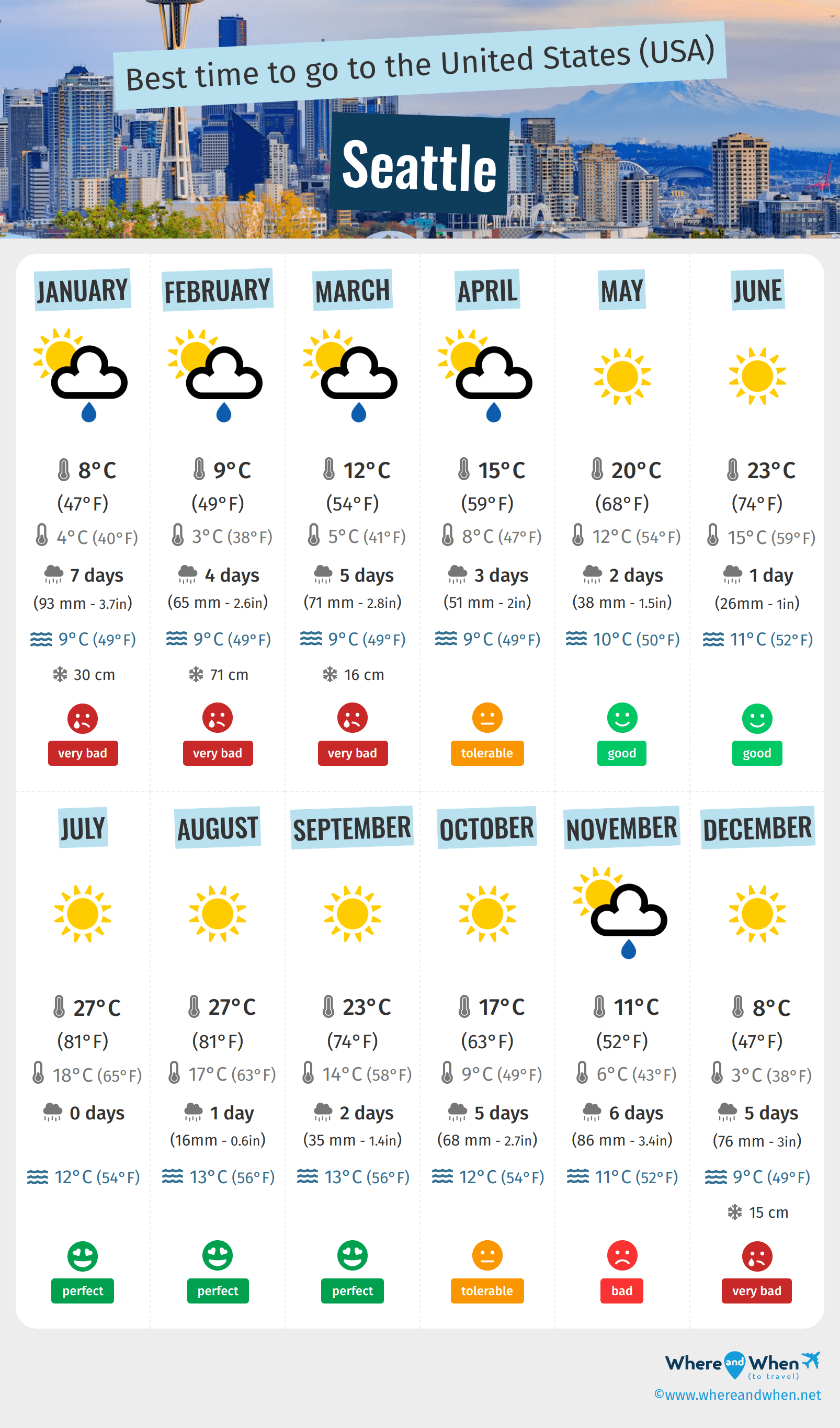
- December: December is cold and rainy, with average highs in the low 40s Fahrenheit (around 5-7°C). Snow is infrequent and rarely accumulates significantly in the city itself, though the surrounding mountains offer opportunities for winter sports. The city sparkles with holiday lights, making it a charming time for exploring markets and enjoying seasonal events.
- January: January is typically the coldest and wettest month. Temperatures remain in the low 40s Fahrenheit (around 5-7°C), and prolonged periods of rain are common. It’s advisable to embrace the cozy indoor atmosphere and perhaps plan a visit to the Seattle Aquarium or enjoy a performance at the Paramount Theatre.
- February: February sees a slight uptick in temperatures, though it remains cool and wet. Highs are still in the low 40s Fahrenheit (around 5-7°C). There’s a subtle shift towards spring by the end of the month, with days gradually becoming longer and a hint of returning sunshine.
What to Pack for Winter: Warm, waterproof clothing is essential. This includes a heavy, waterproof coat, warm sweaters, thermal layers, waterproof boots, gloves, and a hat. An umbrella is indispensable.
Beyond the Drizzle: Understanding Seattle’s Microclimates and Unique Weather Phenomena
While “rainy” is the most common descriptor for Seattle’s weather, the reality is more nuanced. The city’s geography, nestled between Puget Sound and Lake Washington, influences its microclimates.
The “Seattle Mist” vs. “Real” Rain
A crucial distinction to make is between the persistent, light drizzle that is common for much of the year and heavier, more sustained rainfall. The former, often referred to as “Seattle mist” or “drizzle,” can be quite manageable with the right gear. It rarely impedes outdoor activities for long, and many locals simply carry on with their day. True downpours are less frequent than the reputation might suggest.
The Impact of the Olympic Rain Shadow
The Olympic Mountains play a significant role in shaping the weather patterns of western Washington. They create a “rain shadow” effect, meaning that much of the heavy precipitation falls on the western slopes of the mountains, leaving areas to the east, including Seattle, with significantly less rainfall than one might expect for a coastal city at this latitude.
Occasional Sunshine and Dramatic Skies
Despite the reputation, Seattle does experience beautiful, sunny days, particularly in the summer and early autumn. When the sun does break through the clouds, the city’s natural beauty is amplified, with vibrant colors and clear vistas. The interplay of light and clouds also creates dramatic and often breathtaking sky formations, adding to the region’s scenic allure.
Making the Most of Your Seattle Trip, Whatever the Weather
Whether you’re planning a luxury getaway or a budget-friendly adventure, understanding Seattle’s weather will allow you to tailor your experience to perfection.
Embracing the Outdoors, Rain or Shine
Even on a drizzly day, Seattle offers a wealth of outdoor activities. A walk through the lush greenery of Kerry Park, with its iconic skyline views, can be magical even under a soft mist. Taking a ferry to Bainbridge Island provides stunning panoramic views of the city and the surrounding waterways, and the journey itself is a classic Seattle experience. For the more adventurous, the temperate climate makes it ideal for hiking in the nearby foothills of the Cascades or exploring the trails in Mount Rainier National Park, especially during the shoulder seasons when crowds are smaller.
Indoor Delights and Culinary Adventures
When the weather calls for staying inside, Seattle boasts an impressive array of indoor attractions. The Chihuly Garden and Glass is a mesmerizing display of vibrant glass art, a perfect escape from any weather. The Seattle Art Museum offers a rich collection for art enthusiasts, while the Pacific Science Center provides engaging exhibits for all ages.
Seattle’s culinary scene is also a significant draw, and exploring its diverse offerings is a fantastic way to spend time regardless of the weather. From the bustling energy of Pike Place Market, where you can sample local produce and artisanal goods, to the cozy atmosphere of its numerous coffee shops and restaurants, there’s always something delicious to discover. Consider a food tour that delves into the city’s vibrant neighborhoods like Capitol Hill or Ballard.
Accommodation and Travel Tips for All Seasons
When booking your accommodation, whether it’s a luxury suite at the Four Seasons Hotel Seattle or a budget-friendly apartment, consider its proximity to the attractions you plan to visit. Many hotels offer amenities like indoor pools or spa services, perfect for a rainy day. For longer stays, consider renting a villa or apartment, which can offer more space and flexibility.
Regardless of the season, always pack layers. The Pacific Northwest climate can be unpredictable, and transitioning from outdoor activities to indoor spaces, or vice versa, often requires adjusting your clothing. An umbrella and a waterproof jacket are essential year-round. Lastly, embrace the local culture and the unique atmosphere of Seattle. The city’s charm is deeply intertwined with its natural environment and its distinctive climate. By understanding and respecting the weather, you can ensure a memorable and enjoyable experience in this captivating corner of the United States.
LifeOutOfTheBox is a participant in the Amazon Services LLC Associates Program, an affiliate advertising program designed to provide a means for sites to earn advertising fees by advertising and linking to Amazon.com. Amazon, the Amazon logo, AmazonSupply, and the AmazonSupply logo are trademarks of Amazon.com, Inc. or its affiliates. As an Amazon Associate we earn affiliate commissions from qualifying purchases.