
When planning any gardening endeavor, understanding your region’s planting zone is paramount. This classification system, developed by the United States Department of Agriculture (USDA), provides a crucial framework for determining which plants are likely to thrive in a specific geographic area. It’s based on the average annual minimum winter temperature, offering a snapshot of a location’s cold hardiness. For residents and visitors to the Emerald City, the question “What planting zone is Seattle, Washington?” is not just a horticultural curiosity but a gateway to unlocking the city’s vibrant green potential.
Understanding Seattle’s Climate and Its Impact on Gardening
Seattle, Washington, nestled along the Puget Sound, boasts a temperate maritime climate. This means it experiences mild, wet winters and relatively dry, warm summers. The influence of the Pacific Ocean is significant, moderating temperature extremes and contributing to the lush, green landscapes for which the region is renowned. This consistent, moderate climate has a profound impact on what can be grown successfully, from delicate annuals to hardy perennials and robust trees.
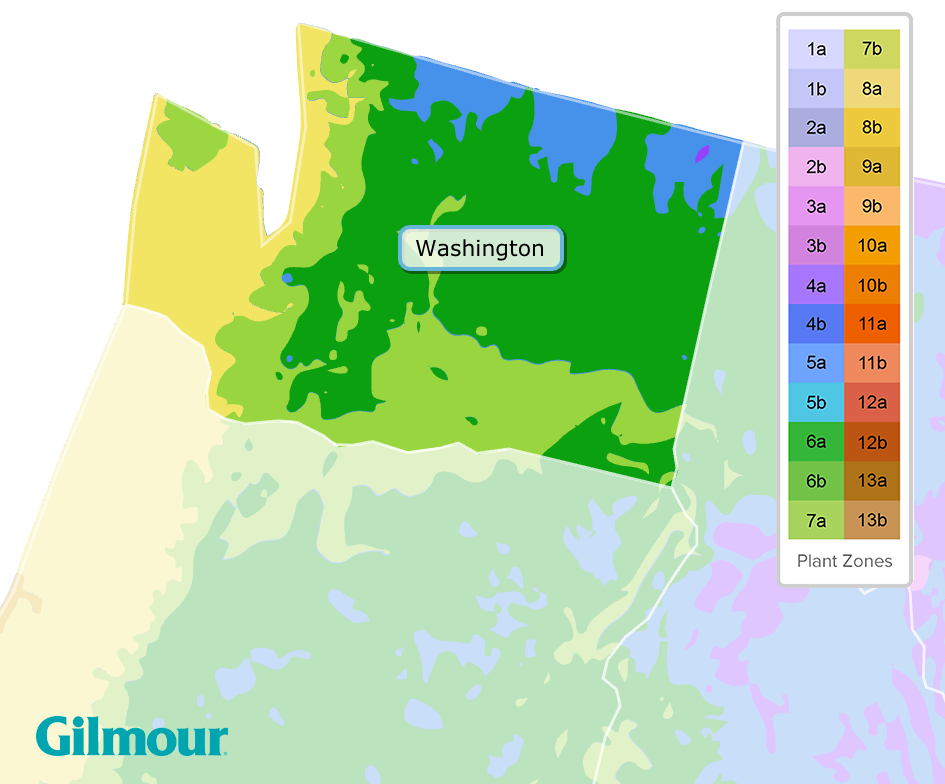
Seattle’s USDA Planting Zone: A Closer Look
The USDA divides the United States into ten zones, with Zone 1 being the coldest and Zone 10 being the warmest. Each zone is further divided into ‘a’ and ‘b’ subzones, representing a 5-degree Fahrenheit difference within the zone. For Seattle, Washington, the most commonly cited planting zone is USDA Hardiness Zone 8b.
Zone 8b: The Sweet Spot for Many Plants
Zone 8b signifies that the average annual minimum winter temperature in Seattle typically ranges from 15 to 20 degrees Fahrenheit (-9.4 to -6.7 degrees Celsius). This range is ideal for a vast array of plant species that cannot withstand prolonged or severe freezes but also benefit from a distinct cooler period. The mild winters mean that many plants that might be considered tender in colder climates can survive and even flourish in Seattle. This includes a wide variety of flowering shrubs, fruit trees, and perennial flowers.
The relative absence of extreme cold is a significant advantage for gardeners. Unlike regions with harsh winters, Seattle doesn’t typically experience prolonged periods of deep frost, which can damage or kill the roots of less hardy plants. This allows for a longer growing season and the successful cultivation of a more diverse palette of flora.
Factors Beyond Temperature: Microclimates in Seattle
While the USDA Planting Zone provides a general guideline, it’s important to acknowledge that Seattle is a city with diverse microclimates. Factors such as proximity to water, elevation, urban heat island effects, and prevailing wind patterns can all influence the specific conditions in a backyard or a public garden.
- Proximity to the Puget Sound: Areas closer to the water tend to have more moderate temperatures, with winters being slightly warmer and summers cooler due to the moderating influence of the sea. This can make these areas feel slightly warmer than the general Zone 8b designation might suggest, allowing for even more tender plants to thrive. Neighborhoods like West Seattle or those along the shoreline might benefit from this effect.
- Elevation: Higher elevations within the city, though not dramatically so, can experience slightly cooler temperatures than areas at sea level. This might mean a plant that struggles in a low-lying area could do better on a slight incline.
- Urban Heat Island Effect: Like many large cities, Seattle experiences an urban heat island effect. Paved surfaces, buildings, and reduced vegetation can trap heat, making urban cores slightly warmer than surrounding suburban or rural areas. This can extend the growing season in downtown Seattle and its immediate surroundings, offering a slight advantage for heat-loving plants.
- Wind Exposure: Exposed locations can experience colder wind chills, which can impact plant hardiness. Conversely, sheltered spots, perhaps protected by buildings or dense tree cover, will offer more protection.
Therefore, while Zone 8b is the overarching classification, a keen gardener in Seattle will observe their specific microclimate to fine-tune their plant selections. This might involve visiting local nurseries like the Seattle Wholesale Growers Market or consulting with experienced local gardeners to understand the nuances of their particular micro-environment.
Gardening in Seattle: Leveraging Your Planting Zone for Success
Knowing that Seattle resides in USDA Hardiness Zone 8b is the first step to successful gardening. This knowledge empowers you to choose plants that are not only likely to survive but also to thrive, bringing beauty, fragrance, and even edible delights to your home.

Plants That Flourish in Seattle’s Zone 8b
The mild winters and moderate summers of Seattle open up a world of horticultural possibilities. Many plants that are considered “tender” in colder regions can be grown as perennials in Seattle, meaning they can live for multiple years, returning each spring.
- Flowering Shrubs: Consider hydrangeas, rhododendrons, azaleas, camellias, and fuchsias. These popular choices add vibrant color and texture to gardens throughout the spring and summer. Many varieties of camellias are particularly well-suited to Seattle’s climate, blooming in the late fall through winter, providing welcome color during the cooler months.
- Perennial Flowers: Lavender, hostas, coneflowers, daylilies, and salvias are excellent choices. These provide continuous blooms and greenery, reducing the need for annual replanting. For a touch of the Pacific Northwest’s natural beauty, consider native plants like sword ferns and salal.
- Edible Plants: Many vegetables and fruits thrive in Seattle. Broccoli, cauliflower, kale, spinach, lettuce, peas, and carrots can all be grown successfully. Fruit trees like apples, pears, and plums do well, as do berries such as blueberries, raspberries, and strawberries. The longer growing season also allows for success with plants that might need a bit more time, like tomatoes and peppers, particularly in warmer microclimates.
- Trees and Evergreens: Seattle is known for its beautiful evergreen trees, such as Douglas firs and Western red cedars. Many ornamental trees, including Japanese maples and magnolias, also thrive. This allows for year-round structure and appeal in gardens.
Considerations for Planting and Care
Even within Zone 8b, thoughtful planting and care are essential.
- Soil Drainage: While Seattle is known for its rain, the soil can vary. Ensuring good drainage is crucial for most plants, especially those sensitive to waterlogged roots. Raised beds can be an excellent solution in areas with heavy clay soil.
- Sun Exposure: Even with a mild climate, understanding the sun exposure in your garden is key. Some plants require full sun, while others prefer shade. Observe how the sun moves across your garden throughout the day and across the seasons.
- Watering: Despite the rainfall, Seattle experiences dry spells, particularly in the summer. Consistent watering is necessary, especially for newly planted specimens and during dry periods.
- Frost Protection: While severe frosts are rare, occasional dips below the average minimum can occur. Having frost cloths or other protective measures ready for particularly sensitive plants can be a wise precaution.
Exploring Seattle’s Gardens and Green Spaces
Beyond private gardens, Seattle, Washington offers a wealth of public spaces where you can witness the results of its favorable planting zone. These locations not only provide inspiration but also offer fantastic opportunities for tourism and experiencing local culture.
Iconic Gardens and Natural Landmarks
- Volunteer Park Conservatory: Located in Volunteer Park, this historic greenhouse houses a stunning collection of tropical plants, cacti, and succulents, demonstrating the diversity that can be cultivated even within a temperate climate.
- Washington Park Arboretum: This expansive urban park features a diverse collection of trees and shrubs from around the world, showcasing a wide range of species that can adapt to Seattle’s climate. It’s an excellent place to explore different plant types and see them in a mature setting.
- Kerry Park: While perhaps more famous for its iconic skyline views of downtown Seattle and Mount Rainier, the landscaping around Kerry Park showcases hardy, attractive plants that can withstand the elements and contribute to the city’s beauty.
- Discovery Park: Seattle’s largest city park, Discovery Park, offers a more wild and natural experience. You can explore meadows, forests, and beaches, observing native flora in its natural habitat. It’s a testament to the natural beauty that the region supports.

Experiencing Seattle’s Lifestyle Through its Greenery
The love for gardening and green spaces is deeply woven into Seattle’s lifestyle. From farmers’ markets overflowing with local produce to the prevalence of container gardens on balconies and the meticulous care of public parks, the city celebrates its connection to nature.
For travelers interested in lifestyle and local culture, exploring these green spaces offers a unique perspective. It’s an opportunity to:
- Discover Local Produce: Visit farmers’ markets like the Ballard Farmers Market or the University District Farmers Market to sample fruits and vegetables grown in and around Seattle, a direct result of its favorable climate.
- Appreciate Urban Planning: Observe how Seattle integrates green spaces into its urban fabric, from the small pocket parks to the larger, more expansive natural reserves. This highlights the city’s commitment to livability and environmental consciousness.
- Find Inspiration for Your Own Garden: Whether you are a seasoned gardener or a beginner, visiting Seattle’s gardens can provide a wealth of ideas for plants that will perform well in similar climates.
By understanding Seattle’s planting zone and its implications, visitors can gain a deeper appreciation for the city’s natural beauty, its thriving horticultural scene, and the lifestyle that embraces its lush environment. Whether you’re planning a trip or are a local resident, this knowledge is a fertile ground for exploring all that the Emerald City has to offer, both in its gardens and beyond.
LifeOutOfTheBox is a participant in the Amazon Services LLC Associates Program, an affiliate advertising program designed to provide a means for sites to earn advertising fees by advertising and linking to Amazon.com. Amazon, the Amazon logo, AmazonSupply, and the AmazonSupply logo are trademarks of Amazon.com, Inc. or its affiliates. As an Amazon Associate we earn affiliate commissions from qualifying purchases.