
The rumble of engines, the steady flow of commuters, the lifeline connecting countless journeys – Interstate 5 (I-5) in Seattle is a vital artery. Its closure, therefore, is not just an inconvenience; it’s a significant disruption that ripples through the city and beyond. When this critical transportation corridor shuts down, whether for a planned event or an unexpected emergency, it impacts everything from daily commutes and local tourism to the logistics of hotels and the very fabric of Seattle life. Understanding the reasons behind an I-5 closure is crucial for anyone navigating the Emerald City today, whether you’re a local resident, a business traveler, or a leisure seeker eager to explore Seattle’s renowned landmarks and vibrant lifestyle.

The I-5 corridor itself is a marvel of modern engineering, stretching from the Mexican border in the south to the Canadian border in the north. In Washington, it serves as the primary north-south route, funneling traffic through major population centers like Tacoma, Olympia, and, of course, Seattle. Its presence is fundamental to the regional economy and the daily lives of millions. When a section of I-5 is closed, especially within the bustling confines of Seattle, the consequences are immediate and far-reaching. Travel plans are thrown into disarray, hotels face potential cancellations or adjusted guest arrivals, and the seamless flow of tourism activities can be significantly hampered. This article aims to delve into the common reasons for I-5 closures in Seattle and provide insights to help you navigate the situation, ensuring your travel and accommodation experiences remain as smooth as possible.
Understanding the Disruptions: Common Causes for I-5 Closures in Seattle
The closure of I-5 in Seattle isn’t a random occurrence. While unpredictable incidents can and do happen, many closures are either planned well in advance or are direct consequences of specific events or maintenance needs. For travelers and residents alike, being aware of these potential causes can aid in preparedness and reduce the stress associated with unexpected travel disruptions. The primary categories of I-5 closures typically fall into the following: significant construction and maintenance projects, major events, and emergency situations. Each of these can have a profound impact on your travel plans, your choice of accommodation, and your ability to experience Seattle’s diverse offerings.
Planned Construction and Maintenance: The Unavoidable Facelift
Washington State Department of Transportation (WSDOT) routinely undertakes a variety of projects to maintain and improve the integrity and efficiency of I-5. These can range from minor repairs like pothole patching and guardrail replacements to more substantial undertakings such as bridge rehabilitation, seismic retrofitting, or widening efforts. While essential for long-term safety and performance, these projects often necessitate lane closures or full directional closures of the freeway.
Heading3: Major Paving and Bridge Work
Projects involving extensive paving or significant bridge work are prime candidates for substantial I-5 closures. These activities require heavy machinery, large work crews, and the complete closure of affected lanes or directions to ensure the safety of both workers and the public. For example, a major resurfacing project on a critical section of I-5 through Seattle might require overnight closures or weekend-long shutdowns. Similarly, repairs or upgrades to aging bridges, such as the Ship Canal Bridge, can lead to extended closures or detours. WSDOT typically announces these closures well in advance through their website, social media channels, and local news outlets, often providing alternative routes and estimated durations. This allows drivers to adjust their travel plans accordingly, perhaps opting for public transportation, carpooling, or choosing a different route altogether. For those staying in hotels in the vicinity, understanding these long-term projects can influence booking decisions, especially if proximity to I-5 is a key factor.
Heading3: Utility Work and Drainage System Upgrades
Beyond the visible road surface, I-5 relies on an intricate network of underground utilities and drainage systems. Upgrades or repairs to these crucial components can also lead to closures. This might include replacing aging water mains, sewer lines, or expanding storm drain capacity. While less visually dramatic than bridge work, these projects can be equally disruptive, requiring excavation and heavy equipment that necessitates closing lanes or entire sections of the freeway. The planning and execution of such work are vital for the long-term health of the infrastructure and the surrounding environment, but they inevitably create temporary bottlenecks for travelers.
Major Events: When Seattle Comes Alive (and Closes Down)
Seattle is a vibrant city that hosts numerous large-scale events throughout the year, from sporting spectacles to cultural festivals and official parades. When these events occur in or near the I-5 corridor, closures become a necessary measure to ensure public safety, manage crowd flow, and facilitate access for attendees. These closures are often announced in conjunction with the event schedules and are typically limited to specific times and sections of the freeway.
Heading3: Sporting Events and Stadium Access
The presence of major sporting venues like Lumen Field (home to the Seattle Seahawks and Seattle Sounders FC) and T-Mobile Park (home to the Seattle Mariners) frequently leads to I-5 closures or significant lane restrictions on game days or during major events. To accommodate thousands of fans converging on these locations, WSDOT often implements temporary closures of specific I-5 ramps or lanes to direct traffic towards designated parking areas and public transport hubs. For visitors attending a game, understanding these traffic patterns is paramount to avoid missing kick-off or the first pitch. Hotels near these stadiums often provide information to their guests about expected traffic impacts and suggest alternative modes of transport.
Heading3: Parades, Festivals, and Public Gatherings
Annual events such as the Seattle Pride Parade, the Seafair festivities, or holiday parades can also necessitate significant closures of I-5 or its access points. These events often require extensive street closures throughout the city, and managing the influx of attendees often extends to managing the flow of traffic on the surrounding freeways. For tourists hoping to experience Seattle’s vibrant local culture and activities, these events are fantastic opportunities, but they come with the understanding that travel in and around the city might require patience and alternative planning. Booking accommodation that is easily accessible via public transit during these times can be a wise strategy.
Emergency Situations: The Unforeseen and Urgent

The most disruptive and often least predictable I-5 closures stem from emergency situations. These can range from severe weather events that make driving unsafe to accidents involving hazardous materials or major structural damage to the freeway itself. When emergencies strike, safety becomes the absolute priority, and authorities will close I-5 without hesitation to protect the public and allow emergency responders to do their work.
Heading3: Accidents and Vehicle Incidents
Traffic accidents, particularly those involving multiple vehicles, overturned trucks, or the spillage of hazardous materials, are a common cause of sudden and prolonged I-5 closures. These incidents require extensive investigation, cleanup operations, and potentially the assessment of any damage to the roadway or surrounding infrastructure. During such events, WSDOT will establish detours, but drivers can expect significant delays and lengthy diversions. For those en route to the airport for a flight or to catch a ferry, these unexpected closures can be incredibly stressful. Travel insurance and flexibility in travel plans are always advisable.
Heading3: Severe Weather and Natural Disasters
While Seattle is not typically prone to extreme weather events like hurricanes, heavy snowfall, ice storms, or flash floods can occasionally impact I-5 and lead to closures. Snow or ice accumulation can make the freeway treacherous, while flooding can render sections impassable. In the event of a significant natural disaster, such as an earthquake, the integrity of the freeway itself would be assessed, and closures would be implemented until it’s deemed safe for passage. These situations highlight the importance of staying informed about weather forecasts and official advisories when planning travel in or through the Seattle area.
Navigating the Disruption: Tips for Travelers and Tourists
When I-5 is closed in Seattle, the immediate impact is felt by everyone on the move. However, with a bit of foresight and a proactive approach, you can significantly mitigate the disruption to your travel and accommodation plans. Understanding the city’s alternative transportation options and staying informed are key. Whether you’re a first-time visitor eager to explore Seattle’s iconic landmarks or a seasoned business traveler with an important meeting, being prepared for I-5 closures will ensure a smoother experience.
Leveraging Alternative Transportation Options
Seattle has a robust and growing public transportation system that becomes even more critical when I-5 is unavailable. Familiarizing yourself with these options can turn a potential travel nightmare into a manageable journey.
Heading3: Sound Transit and Local Bus Services
Sound Transit operates a light rail system that connects Sea-Tac International Airport to downtown Seattle and extends north and east. This is an excellent alternative for airport transfers or for reaching destinations along its route, bypassing freeway congestion entirely. Additionally, King County Metro provides an extensive network of bus services throughout Seattle and surrounding areas. Many bus routes are designed to connect key neighborhoods and transit hubs, offering a viable alternative for intracity travel. For those staying in hotels outside the immediate downtown core, checking bus routes that might offer direct service or connect to light rail can be a smart move.
Heading3: Ferry Services and Pedestrian/Cycling Routes
For those looking to travel to destinations across Puget Sound, Washington State Ferries offers a scenic and often efficient way to bypass road traffic. Seattle has ferry terminals serving islands like Bainbridge Island and Vashon Island, as well as points north. While not a direct alternative for freeway travel, ferries can be a part of a multi-modal journey. Furthermore, for shorter distances, especially within downtown Seattle or adjacent neighborhoods, walking or cycling can be a pleasant and effective way to get around. Many of Seattle’s attractions are within walkable distances of each other, and the city has been investing in improved cycling infrastructure.
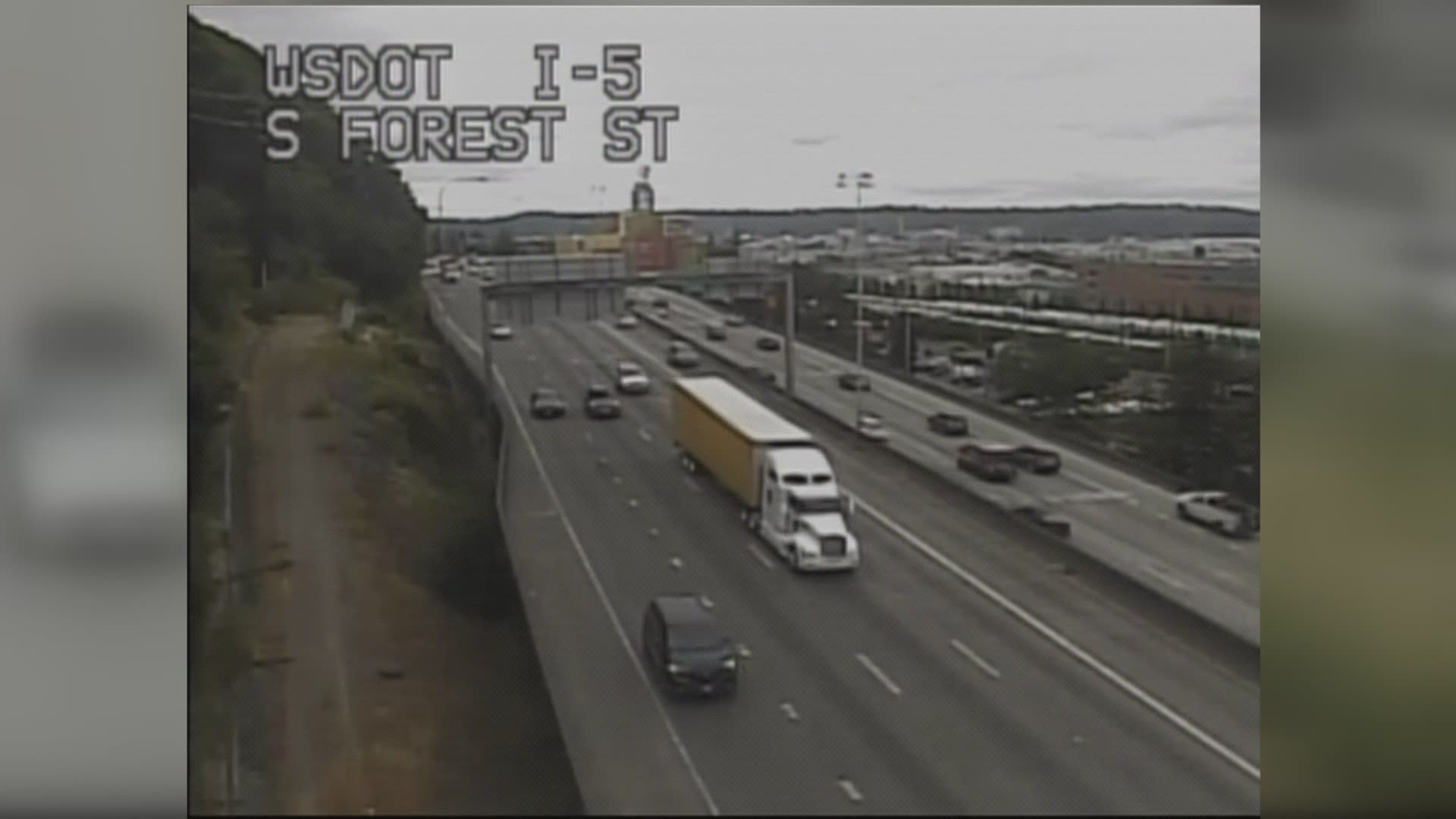
Staying Informed and Flexible with Your Plans
The single most effective strategy for dealing with I-5 closures is to stay informed and maintain flexibility. Proactive planning and a willingness to adapt can save you time, stress, and money.
Heading3: Utilizing Real-Time Traffic Apps and Websites
Before embarking on any journey in Seattle, especially when I-5 closures are known or suspected, consult real-time traffic information. Apps like Google Maps, Waze, or Apple Maps provide up-to-the-minute traffic conditions, suggest alternative routes, and estimate travel times. WSDOT also maintains a comprehensive website and active social media accounts (Twitter is particularly useful for immediate updates) that provide detailed information on planned and unplanned I-5 closures, including estimated reopening times and detour information. This information is invaluable for making informed decisions about your travel.
Heading3: Adjusting Accommodation and Itinerary
If you’re staying in Seattle and aware of an upcoming I-5 closure that might impact your travel to or from your hotel, consider adjusting your plans. If your accommodation is significantly impacted by access issues, you might consider a temporary relocation to a more accessible area, if feasible. For tourists, flexibility with your daily itinerary is also crucial. If a planned excursion relies on quick access via I-5, have a backup plan or be prepared for longer travel times. This might mean spending more time exploring areas closer to your hotel or opting for attractions that are more easily reachable by public transport. Embracing the spirit of adventure and adapting to the city’s rhythm can lead to unexpected discoveries and enhance your overall Seattle experience, even amidst disruptions.
LifeOutOfTheBox is a participant in the Amazon Services LLC Associates Program, an affiliate advertising program designed to provide a means for sites to earn advertising fees by advertising and linking to Amazon.com. Amazon, the Amazon logo, AmazonSupply, and the AmazonSupply logo are trademarks of Amazon.com, Inc. or its affiliates. As an Amazon Associate we earn affiliate commissions from qualifying purchases.