
The Seattle Space Needle, an iconic silhouette against the Pacific Northwest sky, is more than just a striking piece of architecture. It’s a testament to innovation, a symbol of ambition, and a lasting legacy of a pivotal moment in Seattle‘s history. Its construction, spurred by a blend of forward-thinking vision and a desire to showcase the city’s potential, has cemented its status as a premier landmark and a must-visit attraction for millions. But what was the specific impetus behind its creation? The answer lies in a remarkable event that aimed to capture the world’s attention and propel Seattle into the future.
The Vision of a World’s Fair
The genesis of the Space Needle is intrinsically linked to the 1962 World’s Fair, officially known as the Century 21 Exposition. This grand event was conceived with a powerful overarching theme: “The Age of Space.” In the midst of the burgeoning Space Race, a global competition between the United States and the Soviet Union to achieve superiority in spaceflight capabilities, the fair sought to explore the possibilities and promise of this new frontier. Seattle was chosen as the host city, a decision that presented an unprecedented opportunity to showcase its burgeoning technological prowess and its vibrant cultural scene.
The Century 21 Exposition was envisioned not merely as a collection of exhibits, but as a visionary glimpse into the future, with a particular focus on advancements in science, technology, and space exploration. The fair’s organizers aimed to create a lasting impact, a tangible symbol that would embody the spirit of innovation and optimism that characterized the era. It was within this ambitious context that the idea for a towering structure, one that would symbolize the fair’s theme and offer unparalleled views of the host city and beyond, began to take shape. The Space Needle was born from this desire to create a memorable, awe-inspiring centerpiece for an exposition that would define Seattle‘s place on the global stage.
The Birth of an Idea
The initial concept for the Space Needle was reportedly born during a dinner conversation in 1959. Edward E. Carlson, a businessman and former vice president of the Great Northern Railway, sketched out his idea on a napkin. His vision was a tall, slender tower, reminiscent of the Eiffel Tower, but with a futuristic, space-age design. He envisioned it as a restaurant and observation deck, offering visitors a unique perspective on the fair and the city. This initial sketch, simple as it was, laid the groundwork for what would become one of the most recognizable structures in the world.
The idea quickly gained traction among the fair’s planning committee. They recognized the immense potential of such a landmark. It would serve as a powerful advertising tool, drawing attention to the World’s Fair and, by extension, to Seattle itself. The tower’s height and unique design would make it instantly identifiable, a beacon that would guide visitors and capture their imagination. Furthermore, the concept of an observation deck and restaurant aligned perfectly with the fair’s goal of providing memorable experiences for its attendees, offering panoramic views that would leave a lasting impression. This initial spark of an idea, born from a dinner napkin sketch, quickly evolved into a concrete plan for a groundbreaking architectural marvel.
Architectural Innovation and Design
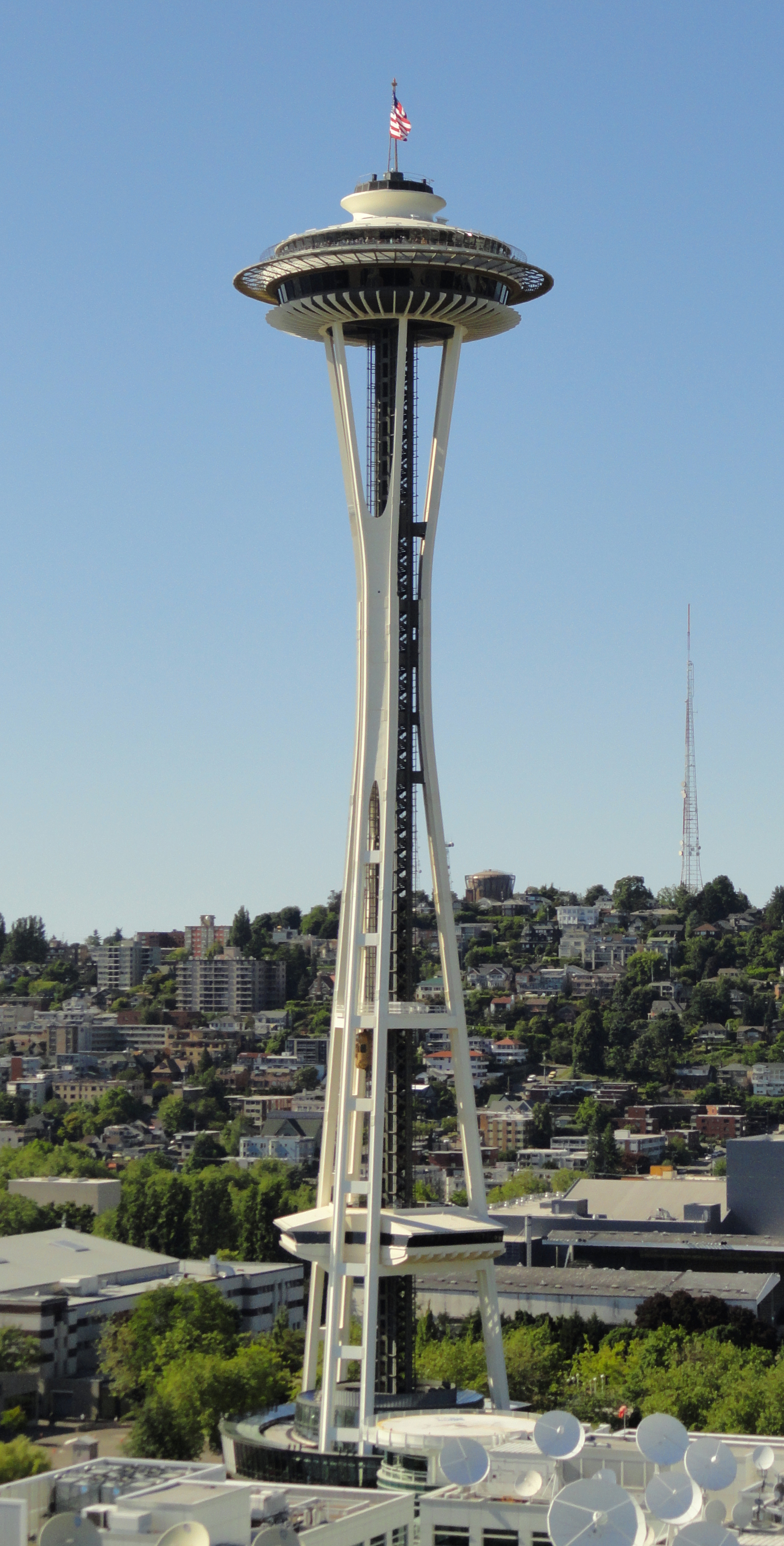
The realization of the Space Needle‘s ambitious design was a feat of engineering and architectural ingenuity. The concept, while inspiring, presented significant challenges. Building a structure of such height, in an area prone to seismic activity, required careful planning and innovative construction techniques. The chosen design, with its distinctive tripod base and saucer-shaped top, was not only aesthetically striking but also functionally robust.
Engineering a Futuristic Icon
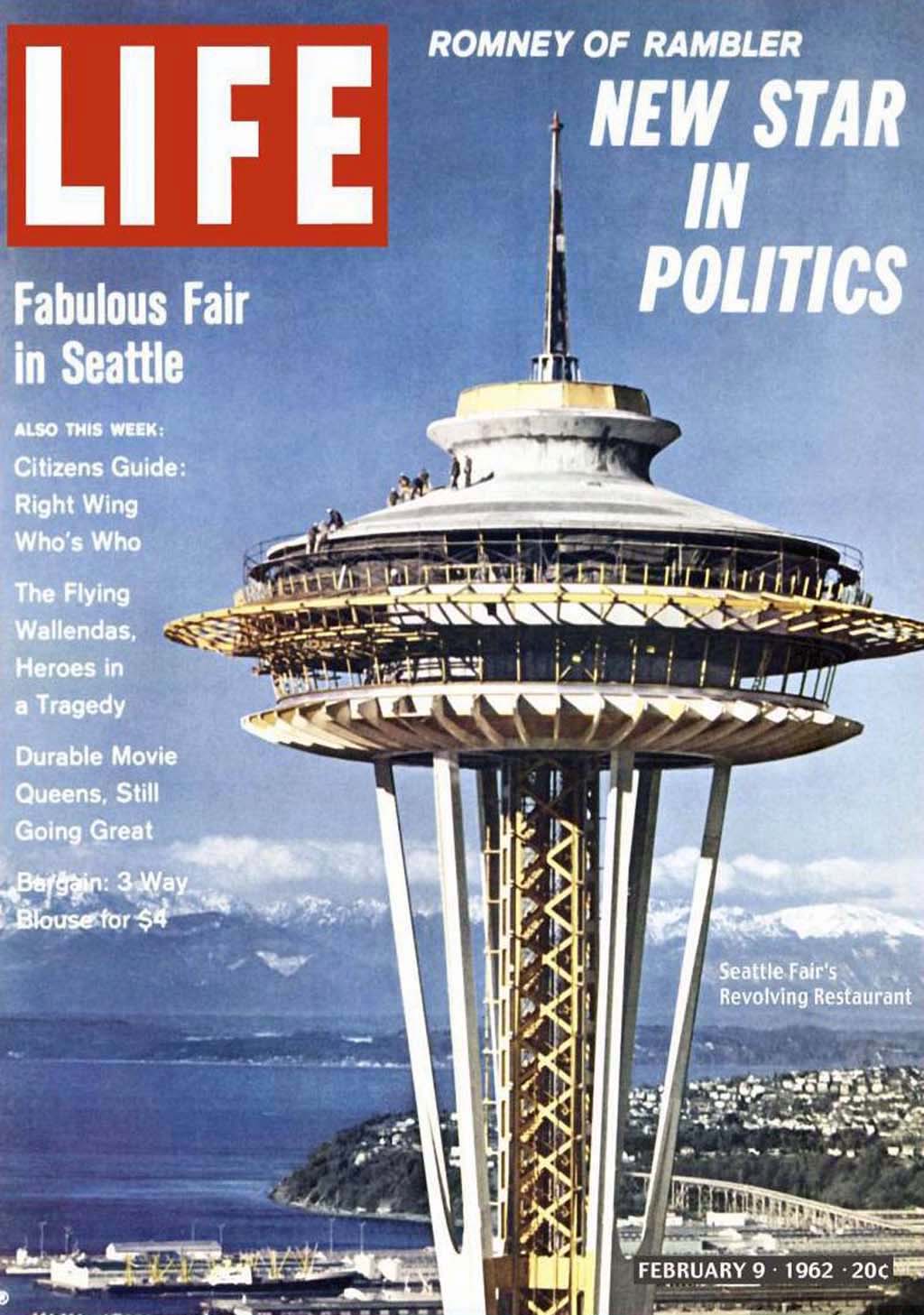
The engineering team faced the daunting task of creating a stable and resilient tower that could withstand wind loads and earthquakes, all while supporting a revolving restaurant and observation deck at its apex. The design, led by architect John Graham Jr., was a departure from conventional building practices. The steel structure was built in sections, hoisted into place, and then assembled. The base, with its three legs, provided a wide and stable foundation, crucial for the tower’s integrity.
One of the most significant engineering challenges was the construction of the cantilevered top house. This saucer-like structure, housing the restaurant and observation deck, had to be strong enough to support the weight of diners and visitors while remaining relatively lightweight. To achieve this, a steel framework was used, with reinforced concrete forming the floor and roof. The foundation also played a critical role, extending deep into the ground to anchor the immense structure securely. The use of a unique, self-climbing formwork system allowed for the continuous pouring of concrete, enabling the rapid ascent of the central shaft. This innovative approach to construction was essential for meeting the tight deadlines imposed by the World’s Fair.
The Iconic Saucer and Rotating Restaurant
The distinctive saucer shape of the Space Needle‘s upper level is perhaps its most recognizable feature. This design was not merely for aesthetics; it was a practical solution to accommodate the amenities intended for the top. The saucer housed a luxury revolving restaurant, a marvel of its time. Diners could enjoy a meal while slowly rotating, offering a constantly changing panorama of Seattle, Puget Sound, and the distant Cascade Mountains. The rotating mechanism, powered by a 1/12 horsepower motor, was a testament to the technological advancements that the Century 21 Exposition aimed to celebrate.
The observation deck, located just above the restaurant, provided an even more expansive view. Visitors could step out onto the open-air platform or peer through the floor-to-ceiling windows, taking in the breathtaking scenery. The design of the top also incorporated elements that would become synonymous with the Space Age aesthetic, such as the pointed spire and the overall sleek, futuristic profile. The Space Needle was envisioned as a beacon of the future, and its design undeniably delivered on that promise, becoming an instant symbol of Seattle‘s forward-looking spirit.
The Legacy and Impact
The Space Needle was an unqualified success at the 1962 World’s Fair, exceeding all expectations and leaving an indelible mark on Seattle and the world. It not only served as the fair’s star attraction but also played a crucial role in shaping the city’s identity and future development.
A Star Attraction for the Century 21 Exposition
The Space Needle was the undisputed highlight of the Century 21 Exposition. Millions of visitors flocked to Seattle to experience the fair, and a significant portion of them made the pilgrimage to the tower. Its unique design and the unparalleled views it offered were unlike anything most visitors had ever encountered. It became the subject of countless photographs and postcards, its image disseminated globally. The tower’s presence generated immense excitement and a sense of wonder, contributing significantly to the overall success and positive reception of the World’s Fair. It provided a tangible representation of the fair’s “Age of Space” theme, making the abstract concept of space exploration relatable and exciting for the general public.

Symbol of Seattle and Beyond
Beyond the immediate success of the fair, the Space Needle quickly became an enduring symbol of Seattle. Its iconic silhouette is now synonymous with the city, appearing in logos, artwork, and virtually every depiction of Seattle. It represents the city’s spirit of innovation, its connection to the aerospace industry (particularly with Boeing‘s presence), and its beautiful natural surroundings. The Space Needle has transcended its origins as a fair attraction to become a beloved landmark, a point of pride for residents, and a must-see destination for tourists. It has also inspired countless other architectural marvels and has become a global icon of modern design. Its enduring appeal continues to draw visitors, offering them not just a view, but a connection to the history and aspirations of Seattle. Its presence has undoubtedly boosted tourism to the region, solidifying its status as a key economic driver for the city. Travelers often seek out such iconic landmarks when planning their trips, and the Space Needle remains at the top of many itineraries. The hotel and accommodation sectors in Seattle have benefited immensely from the constant influx of visitors drawn by the Space Needle and other attractions. It has become a crucial element in Seattle‘s narrative, a testament to its past achievements and a hopeful gaze towards the future.
LifeOutOfTheBox is a participant in the Amazon Services LLC Associates Program, an affiliate advertising program designed to provide a means for sites to earn advertising fees by advertising and linking to Amazon.com. Amazon, the Amazon logo, AmazonSupply, and the AmazonSupply logo are trademarks of Amazon.com, Inc. or its affiliates. As an Amazon Associate we earn affiliate commissions from qualifying purchases.