
A spa is a sanctuary, a place where individuals escape the stresses of everyday life to rejuvenate their bodies and minds. Whether it’s a luxurious resort spa offering a holistic wellness experience, a charming boutique spa nestled in a vibrant city, or a therapeutic clinic focused on specific treatments, the common thread is the expectation of pristine cleanliness and an inviting atmosphere. For spa owners and operators, maintaining this high standard of hygiene is not just a matter of customer satisfaction; it’s paramount for health and safety, brand reputation, and ultimately, business success. This comprehensive guide will walk you through the essential steps and considerations for effectively cleaning a spa, ensuring it remains a haven of tranquility and well-being.
The Importance of Spa Cleanliness
Before diving into the nitty-gritty of cleaning protocols, it’s crucial to understand why impeccable cleanliness is non-negotiable in a spa environment.
Health and Safety First
Spas are environments where clients are often in close physical contact with surfaces and shared equipment. Think about massage tables, Jacuzzis, saunas, steam rooms, and relaxation lounges. These areas can become breeding grounds for bacteria, viruses, and fungi if not properly sanitized. A rigorous cleaning regimen directly prevents the spread of infections, safeguarding both clients and staff. This is particularly important in areas where skin is exposed, such as during facials or body treatments. The use of shared towels, robes, and even the air in treatment rooms necessitates a proactive approach to hygiene. Neglecting this can lead to outbreaks of skin conditions, respiratory illnesses, and other health concerns, resulting in negative reviews, potential lawsuits, and a damaged reputation that can be incredibly difficult to repair.
Enhancing the Client Experience
The visual and sensory aspects of a spa contribute significantly to its overall appeal. A clean, fresh-smelling environment immediately communicates professionalism and care. Conversely, even the most skilled therapists and luxurious amenities can be overshadowed by visible dirt, unpleasant odors, or a general sense of neglect. Clients come to a spa seeking relaxation and escape. The last thing they want to encounter is evidence of poor hygiene. From sparkling clean treatment rooms to spotless changing areas and refreshingly pure water in hydrotherapy tubs, every detail matters. A well-maintained spa fosters trust, encourages repeat business, and generates positive word-of-mouth referrals, essential for sustained growth. Imagine a client stepping into a beautifully appointed treatment room, only to notice dust on surfaces or an unkempt restroom – their entire experience can be diminished.
Maintaining Brand Reputation and Professionalism
Your spa’s cleanliness is a direct reflection of your brand’s values and commitment to excellence. In the competitive world of wellness and hospitality, a spa’s reputation is its most valuable asset. Consistent, high-quality cleaning practices build trust and credibility. Positive online reviews and testimonials often highlight the cleanliness and ambiance of a spa. Conversely, negative feedback concerning hygiene can quickly deter potential customers. For establishments like The Ritz-Carlton or Four Seasons Hotels and Resorts, where luxury and impeccable service are expected, cleanliness is a fundamental pillar of their brand promise. Maintaining a spotless spa ensures that every guest leaves with a memorable and positive impression, reinforcing the brand’s image as a purveyor of premium wellness experiences.
Daily Cleaning and Disinfection Protocols
A comprehensive cleaning strategy involves daily tasks that ensure the spa remains in peak condition. These routines should be established and followed meticulously by all staff members.
Treatment Rooms: The Heart of the Spa
Treatment rooms are the most intimate spaces within a spa, requiring the most diligent attention. After each client, a thorough cleaning and disinfection process must be implemented.
- Surface Cleaning: All surfaces that come into contact with clients or therapists should be wiped down. This includes massage tables, chairs, countertops, door handles, light switches, and any equipment used during the treatment. Use an EPA-approved disinfectant that is safe for the specific surfaces. Always allow the disinfectant to air dry or follow the manufacturer’s recommended contact time to ensure efficacy.
- Linens and Towels: Used linens, towels, and robes should be immediately removed and placed in a designated laundry hamper. Launder them according to the manufacturer’s instructions, using hot water and appropriate detergents. Ensure that clean linens are stored hygienically, away from potential contaminants. Many high-end spas will have separate linen services to ensure maximum sanitation.
- Flooring: Sweep or vacuum floors daily to remove hair, dust, and debris. Mop with a disinfectant solution, paying close attention to high-traffic areas.
- Tools and Equipment: All reusable tools, such as brushes, bowls, and spatulas, must be thoroughly cleaned and disinfected after each use. Sterilization may be required for certain instruments, depending on local health regulations and the nature of the treatments offered. Consider ultrasonic cleaners for thorough sanitization of smaller implements.
Hydrotherapy Areas: Jacuzzis, Saunas, and Steam Rooms
These areas present unique cleaning challenges due to their high humidity and constant use.
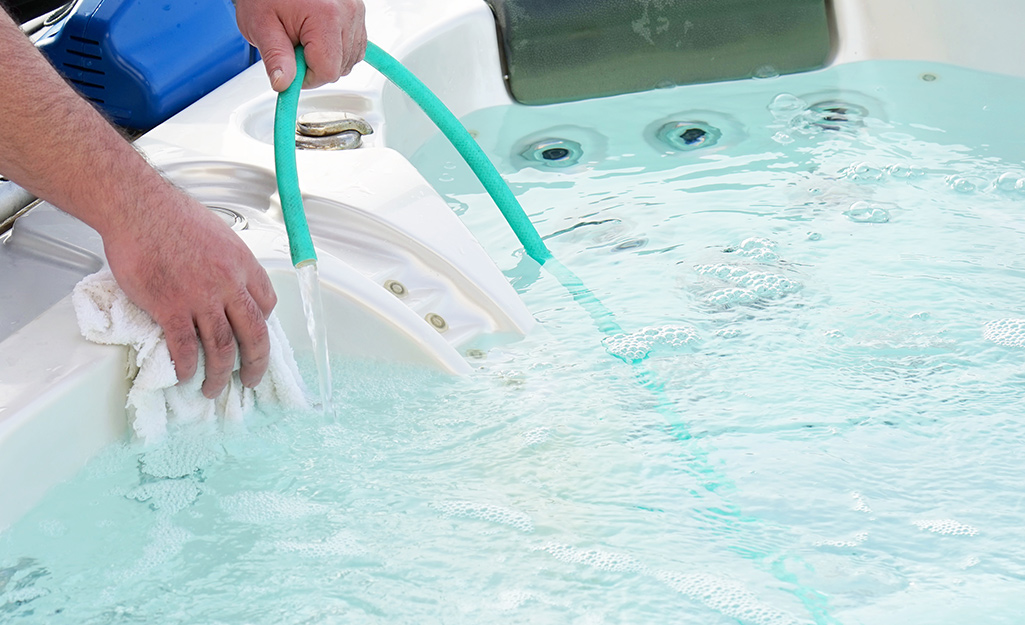
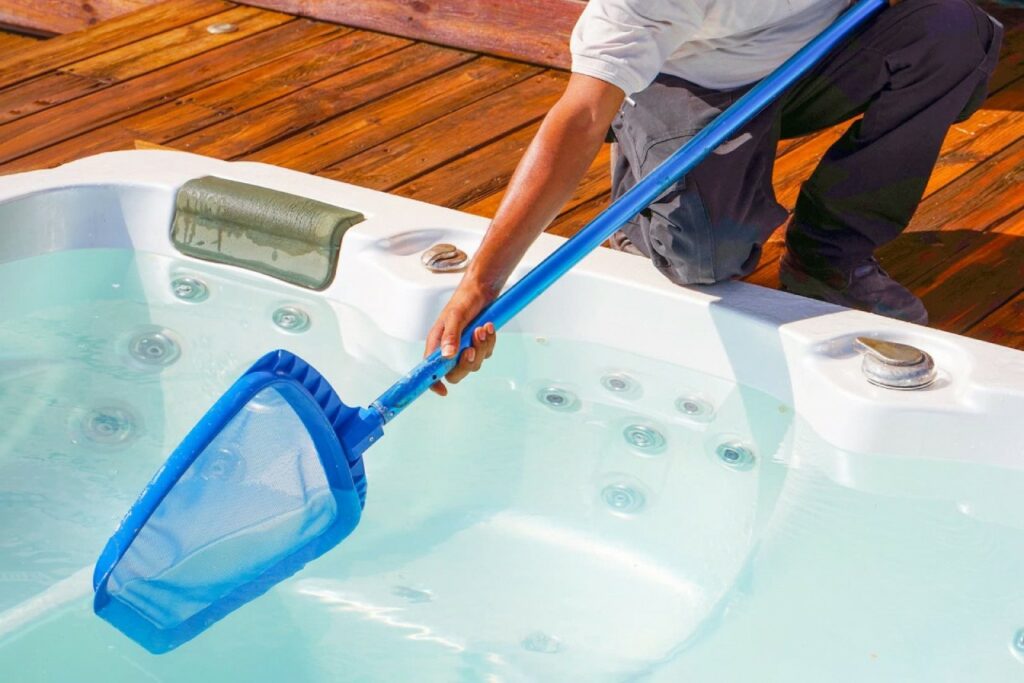
- Jacuzzis and Hot Tubs: The water in Jacuzzis and hot tubs should be tested regularly for chemical balance (e.g., chlorine or bromine levels, pH). The filters need to be cleaned or replaced frequently. After closing each day, drain and clean the tub thoroughly with a specialized spa cleaner. Scrub all surfaces, jets, and drains. Rinse completely and refill with fresh water. Regular deep cleaning, perhaps weekly or bi-weekly, depending on usage, is essential. For facilities like those at The Springs Resort & Spa, maintaining pristine hydrotherapy facilities is a top priority.
- Saunas and Steam Rooms: Regularly wipe down the benches, walls, and floors of saunas and steam rooms with a disinfectant. Ensure adequate ventilation to prevent moisture buildup and mold growth. Steam room nozzles should be checked for blockages and cleaned. For wooden saunas, use specific wood cleaners and conditioners to maintain their appearance and hygiene. Ensure the flooring can withstand constant moisture and heat, and is easy to clean and dry.
Relaxation Lounges and Common Areas
These spaces are crucial for the overall spa ambiance and require consistent attention.
- Furniture and Surfaces: Dust and wipe down all furniture, tables, and decorative items in relaxation lounges. Clean any magazines or reading materials.
- Beverage Stations: If refreshments are offered, ensure the beverage station is kept clean and stocked. This includes wiping down surfaces, refilling water pitchers, and cleaning any coffee machines or dispensers.
- Restrooms: Restrooms are critical touchpoints. They must be cleaned and restocked frequently throughout the day. This includes toilets, sinks, mirrors, floors, and door handles. Ensure an adequate supply of soap, toilet paper, and paper towels. The scent in restrooms should be fresh and pleasant, not overpowering.
Deep Cleaning and Specialized Tasks
Beyond the daily routines, periodic deep cleaning and specialized tasks are vital for maintaining a truly immaculate spa.
Weekly and Monthly Cleaning Schedules
- Deep Cleaning Treatment Rooms: Once a week or bi-weekly, a more intensive cleaning of treatment rooms should be performed. This might include cleaning walls, ceilings, light fixtures, and thoroughly scrubbing grout in tiled areas. Upholstery should be cleaned and sanitized.
- Ventilation Systems: Clean or replace air filters in the spa’s HVAC system regularly (monthly or quarterly, depending on usage and manufacturer recommendations). This is crucial for maintaining air quality and preventing the circulation of allergens and pathogens.
- Deep Cleaning Hydrotherapy Equipment: Beyond daily maintenance, deeper cleaning of Jacuzzi filters, pumps, and pipework may be necessary monthly or quarterly to prevent the buildup of biofilm, which can harbor bacteria.
- Cleaning of Spa Linens and Uniforms: While daily laundering is essential, a monthly deep clean or specialized treatment for spa linens might be beneficial to remove stubborn stains or odors. This also applies to staff uniforms.
Specialized Cleaning Considerations
- Aromatherapy Diffusers and Humidifiers: These devices can accumulate mold and bacteria if not cleaned regularly. Follow manufacturer instructions for cleaning and disinfecting them weekly.
- Aromatherapy Oils and Lotions: Store oils and lotions in a cool, dark place. Ensure pumps and bottles are wiped clean to prevent residue buildup. Dispose of expired products.
- Stone and Tile Surfaces: Many spas feature natural stone or intricate tile work. These surfaces require specific cleaning agents that won’t etch or damage them. Always consult the manufacturer’s recommendations for cleaning and sealing.
- Carpets and Upholstery: Professionally clean carpets and upholstery at least twice a year, or more frequently in high-traffic areas, to remove embedded dirt, allergens, and odors. Spot clean spills immediately.
- Changing Rooms and Lockers: These areas require thorough cleaning and disinfection of lockers, benches, showers, and changing cubicles. Ensure they remain well-ventilated.
Staff Training and Best Practices
The most effective cleaning protocols are only as good as the staff who implement them. Comprehensive training and a culture of cleanliness are essential.
Developing a Cleaning Manual
Create a detailed cleaning manual that outlines all protocols, procedures, and schedules. This manual should be readily accessible to all staff members and updated regularly. It should include:
- Job Descriptions for Cleaning Staff: Clearly define responsibilities for each team member regarding cleaning tasks.
- Schedules and Checklists: Provide daily, weekly, and monthly checklists for each area of the spa.
- Product Information: List all cleaning and disinfecting agents used, along with safety data sheets (SDS) and proper usage instructions.
- Disposal Procedures: Outline correct procedures for disposing of waste, including sharps if applicable.
- Emergency Protocols: Include procedures for handling spills of bodily fluids or other biohazards.
Training and Accountability
- Onboarding and Ongoing Training: New staff should receive thorough training on all cleaning procedures during their onboarding process. Regular refresher courses should be conducted for the entire team to reinforce best practices and introduce any new methods or products.
- Demonstrations and Supervision: Conduct hands-on demonstrations of cleaning techniques and supervise staff to ensure adherence to protocols.
- Accountability and Feedback: Implement a system for accountability, such as signed checklists. Encourage staff to provide feedback on cleaning processes and identify areas for improvement. A positive reinforcement approach, recognizing staff who consistently uphold high standards, can be very effective.
- Hygiene for Staff: Emphasize personal hygiene for all staff members, including regular handwashing, proper attire, and maintaining personal grooming standards.

Using the Right Products and Equipment
- EPA-Approved Disinfectants: Always use disinfectants that are registered with the Environmental Protection Agency (EPA) and approved for use in healthcare or spa settings.
- Appropriate Cleaning Tools: Invest in high-quality cleaning tools, such as microfiber cloths, color-coded mops and buckets to prevent cross-contamination, and effective vacuum cleaners. Ensure tools are cleaned and maintained after each use.
- Gloves and Protective Gear: Provide staff with appropriate personal protective equipment (PPE), including gloves, masks, and aprons, especially when handling chemicals or dealing with potentially biohazardous materials.
By implementing a robust cleaning strategy that encompasses daily routines, deep cleaning, specialized tasks, and comprehensive staff training, any spa, from a grand Montage Hotels & Resorts property to a local wellness center, can ensure it remains a pristine, safe, and inviting destination for relaxation and rejuvenation. A commitment to cleanliness is not merely a chore; it’s an investment in the health of your clients, the reputation of your brand, and the ultimate success of your spa.
LifeOutOfTheBox is a participant in the Amazon Services LLC Associates Program, an affiliate advertising program designed to provide a means for sites to earn advertising fees by advertising and linking to Amazon.com. Amazon, the Amazon logo, AmazonSupply, and the AmazonSupply logo are trademarks of Amazon.com, Inc. or its affiliates. As an Amazon Associate we earn affiliate commissions from qualifying purchases.