
The Lone Star State, a land of vast horizons, iconic cowboys, and a unique cultural tapestry, often conjures images of arid deserts and sprawling ranches. But ask a visitor or even some residents, “Are there palm trees in Texas?” and you might receive a surprising answer. Contrary to popular belief, Texas is not just a cactus-and-scrub country. Its diverse climate and geography allow for a surprisingly wide variety of plant life, and yes, that includes palms. In fact, palm trees are a vibrant and integral part of the Texas landscape, particularly in its southern and coastal regions, contributing to the state’s distinct charm and allure for travelers and locals alike.
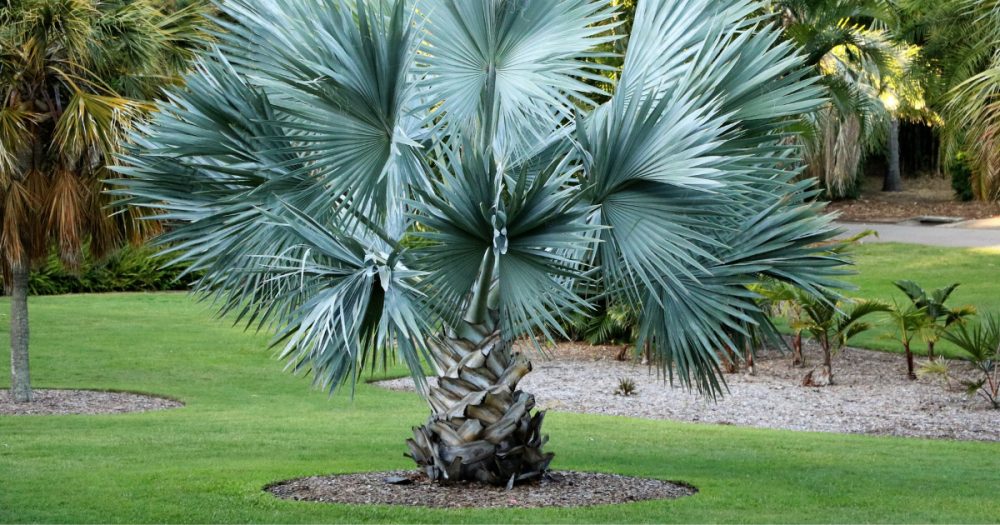
The presence of palm trees in Texas paints a picture far more nuanced than the stereotypical Western image. These iconic symbols of tropical and subtropical climes thrive in a significant portion of the state, transforming ordinary towns into picturesque paradises and offering a unique visual contrast to the traditional Texan aesthetic. From the bustling energy of Houston and the vibrant cultural hub of San Antonio to the sun-drenched shores of the Gulf Coast, palm trees are a ubiquitous and beloved feature. They dot the landscapes of family resorts, add a touch of elegance to urban streets, and enhance the natural beauty of state parks, making them an essential element for anyone exploring the diverse attractions and experiences Texas has to offer.
Exploring the Palm-Lined Landscapes of Texas
When contemplating a visit to Texas, many travelers envision wide-open spaces and rugged terrain. However, a closer look reveals a state brimming with lush vegetation and surprising greenery, much of which is defined by the graceful presence of palm trees. These magnificent plants are not merely an afterthought in the Texan environment; they are a defining characteristic of many popular destinations, influencing the very essence of their appeal. Understanding where and why these palms flourish is key to appreciating the full spectrum of Texas tourism.
The Coastal Charm: A Subtropical Oasis
The most prominent and thriving populations of palm trees in Texas are found along its extensive Gulf Coast. This region, characterized by its warm, humid climate and sandy soils, provides an ideal environment for a variety of palm species to flourish. Cities like Galveston, Corpus Christi, and South Padre Island are practically synonymous with palm trees. They line the boulevards, grace the entrances to hotels and resorts, and sway gently in the ocean breeze, creating an unmistakable tropical ambiance.
For vacationers seeking sun, sand, and relaxation, the Texas Gulf Coast offers a wealth of attractions. Galveston, with its historic architecture and lively entertainment districts, showcases palm trees as a key element of its island charm. The Strand Historic District, while steeped in history, also features palm-lined streets that add a touch of the exotic to its Victorian-era buildings. Moody Gardens, a popular educational and entertainment complex, incorporates palm trees into its lush, tropical-themed exhibits, further enhancing the immersive experience for visitors.
Further south, Corpus Christi and its surrounding areas, including Padre Island National Seashore, are a haven for palm enthusiasts. The warm waters of the Gulf of Mexico and the consistent sunshine create a perfect setting for these trees. Visitors can enjoy a wide array of activities, from exploring the vibrant Texas State Aquarium to relaxing on the beaches, all while being serenaded by the rustling fronds of native and introduced palm species. The presence of these trees significantly contributes to the region’s reputation as a premier destination for family trips and beachfront getaways.
South Padre Island arguably boasts the most concentrated and iconic palm tree landscape in Texas. This barrier island is a quintessential tropical escape, with palm trees adorning virtually every corner. From luxury resorts offering beachfront suites to charming apartments and villas, the architectural styles are often designed to complement the surrounding palm groves. The island’s vibrant nightlife, water sports, and natural attractions, such as the Sea Turtle, Inc. rescue center, are all experienced against a backdrop of swaying palms, solidifying its status as a top destination for both leisure and adventure.
Beyond the Coast: Palms in Inland Texas

While the Gulf Coast is the undisputed capital of Texan palm trees, their presence extends inland, particularly in the southern and southeastern parts of the state. The warm, humid climate of East Texas, while not as consistently tropical as the coast, still supports certain hardy palm species, adding a touch of unexpected greenery to the piney woods and rolling hills.
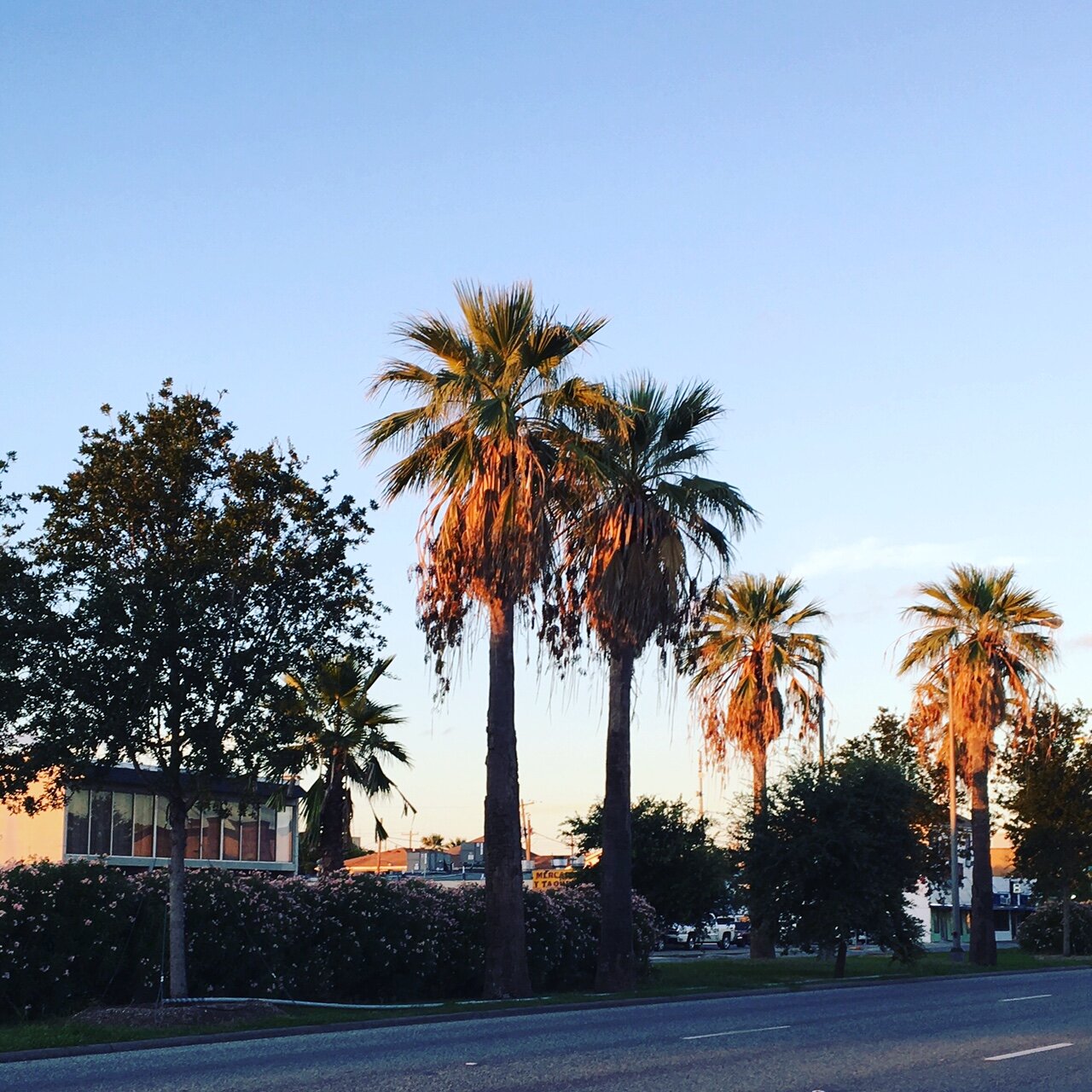
In cities like Houston, the state’s largest metropolis, palm trees are a common sight, especially in newer developments and upscale neighborhoods. They are often strategically planted along major thoroughfares, in urban parks, and around commercial centers, contributing to the city’s modern and cosmopolitan feel. While Houston might not immediately bring palm trees to mind, a drive through certain areas reveals their significant presence, enhancing the cityscape and providing a welcome splash of green. This urban greenery plays a role in the city’s lifestyle, from outdoor dining experiences to leisurely strolls in parks like Discovery Green.
The southern tip of Texas, often referred to as the Rio Grande Valley, is another significant area for palm trees. Cities such as McAllen, Brownsville, and Harlingen benefit from a climate that is warm year-round, allowing for a diverse range of palm species to thrive. These regions offer a unique blend of Texan and Mexican cultures, reflected in their cuisine, architecture, and local activities. The palm trees here contribute to a subtropical atmosphere, making them a key element for exploring the local culture and attractions.
Even in areas further north, where winter temperatures can be more pronounced, certain cold-hardy palm varieties have been successfully introduced and cultivated. This includes species like the native Texas Sabal Palm, which demonstrates remarkable resilience. While not as dense as coastal groves, these scattered palms serve as reminders of Texas’s diverse climate and the adaptability of plant life, contributing to the state’s natural beauty in unexpected places.
The Role of Palm Trees in Texas Tourism and Lifestyle
The presence of palm trees in Texas significantly impacts its tourism appeal and contributes to its unique lifestyle. They are not just ornamental; they are a draw for visitors seeking a particular kind of vacation experience and a part of the everyday aesthetic for residents.
For travelers, palm trees evoke feelings of relaxation, warmth, and escape. They are a visual cue that signifies a break from the ordinary, promising sunshine, beaches, and a more laid-back pace of life. This is particularly true for the Texas Gulf Coast, where the palm-lined shores are central to the region’s identity as a premier vacation destination. The accommodation options in these areas, from luxurious resorts to budget-friendly apartments, often highlight their proximity to palm-fringed beaches, further emphasizing the tropical appeal.
Palm trees also play a role in the state’s luxury travel offerings. High-end resorts and hotels often feature meticulously landscaped grounds adorned with palm trees, creating an ambiance of tropical sophistication. This contributes to the overall experience of upscale stays, whether for business or leisure. Even in urban centers like San Antonio, while not as prevalent as on the coast, strategic landscaping with palms can elevate the aesthetic of hotels and restaurants, adding a touch of glamour to the city’s vibrant cultural scene.
Furthermore, palm trees are intrinsically linked to the outdoor lifestyle that many Texans embrace. They provide shade for outdoor patios, enhance the beauty of gardens, and are a common sight in public parks and along walking trails. This contributes to the relaxed and enjoyable lifestyle associated with many Texan communities, especially in the warmer months. The ability to enjoy outdoor activities, dining, and events is often enhanced by the presence of these verdant trees, adding to the overall appeal of living in or visiting these regions.
The iconic Texas Sabal Palm, Sabal texensis, is a native species that holds special significance. Its resilience and adaptation to the Texan environment make it a symbol of the state’s natural heritage. While other, more tropical palm species have been introduced and thrive, the presence of a native palm underscores the ecological richness of Texas and its ability to support unique flora. Exploring the natural landmarks and parks where these palms can be found offers a deeper connection to the state’s environment and biodiversity.
In conclusion, the answer to “Are there palm trees in Texas?” is a resounding yes. Their presence is not an anomaly but a significant characteristic of many of the state’s most beloved destinations. From the breezy shores of the Gulf Coast to the urban oases of its major cities and the subtropical landscapes of the Rio Grande Valley, palm trees contribute immeasurably to the beauty, allure, and distinct lifestyle of the Lone Star State, making it a truly captivating place to explore.
LifeOutOfTheBox is a participant in the Amazon Services LLC Associates Program, an affiliate advertising program designed to provide a means for sites to earn advertising fees by advertising and linking to Amazon.com. Amazon, the Amazon logo, AmazonSupply, and the AmazonSupply logo are trademarks of Amazon.com, Inc. or its affiliates. As an Amazon Associate we earn affiliate commissions from qualifying purchases.