
The vast, sun-drenched landscapes of Texas evoke images of sprawling ranches, vibrant cities, and a rich cultural tapestry. It’s a state that beckons travelers with its diverse attractions, from the historic Alamo to the bustling streets of Austin and the serene beauty of the Texas Hill Country. For those planning a visit, whether for leisure or a business stay, understanding the local climate is paramount to ensuring a safe and enjoyable experience. A common question that arises, especially for those unfamiliar with the region, is: “Are there tornadoes in Texas?” The answer is a resounding yes, and understanding this aspect of Texas weather can significantly enhance travel preparedness.
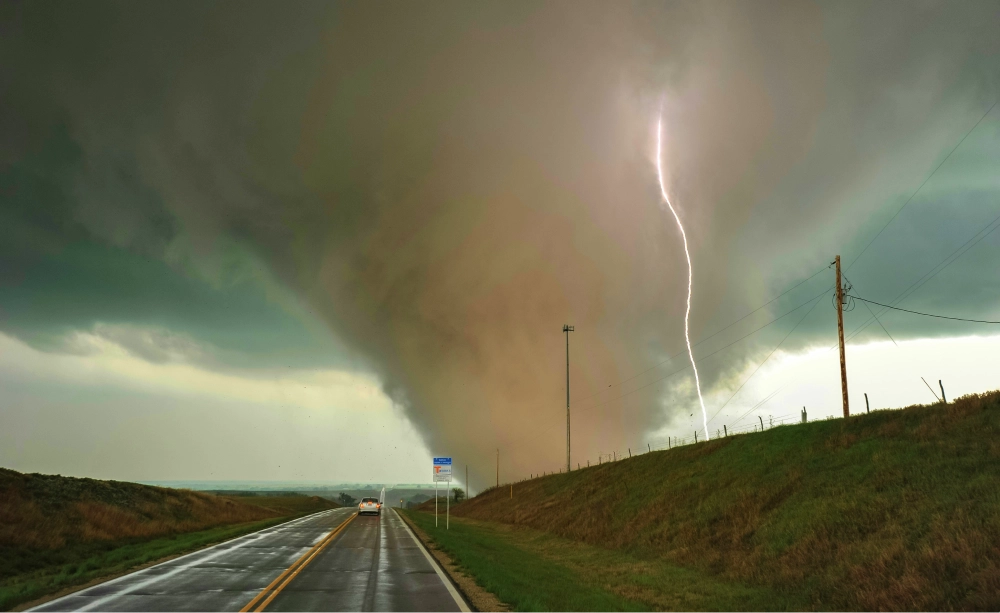
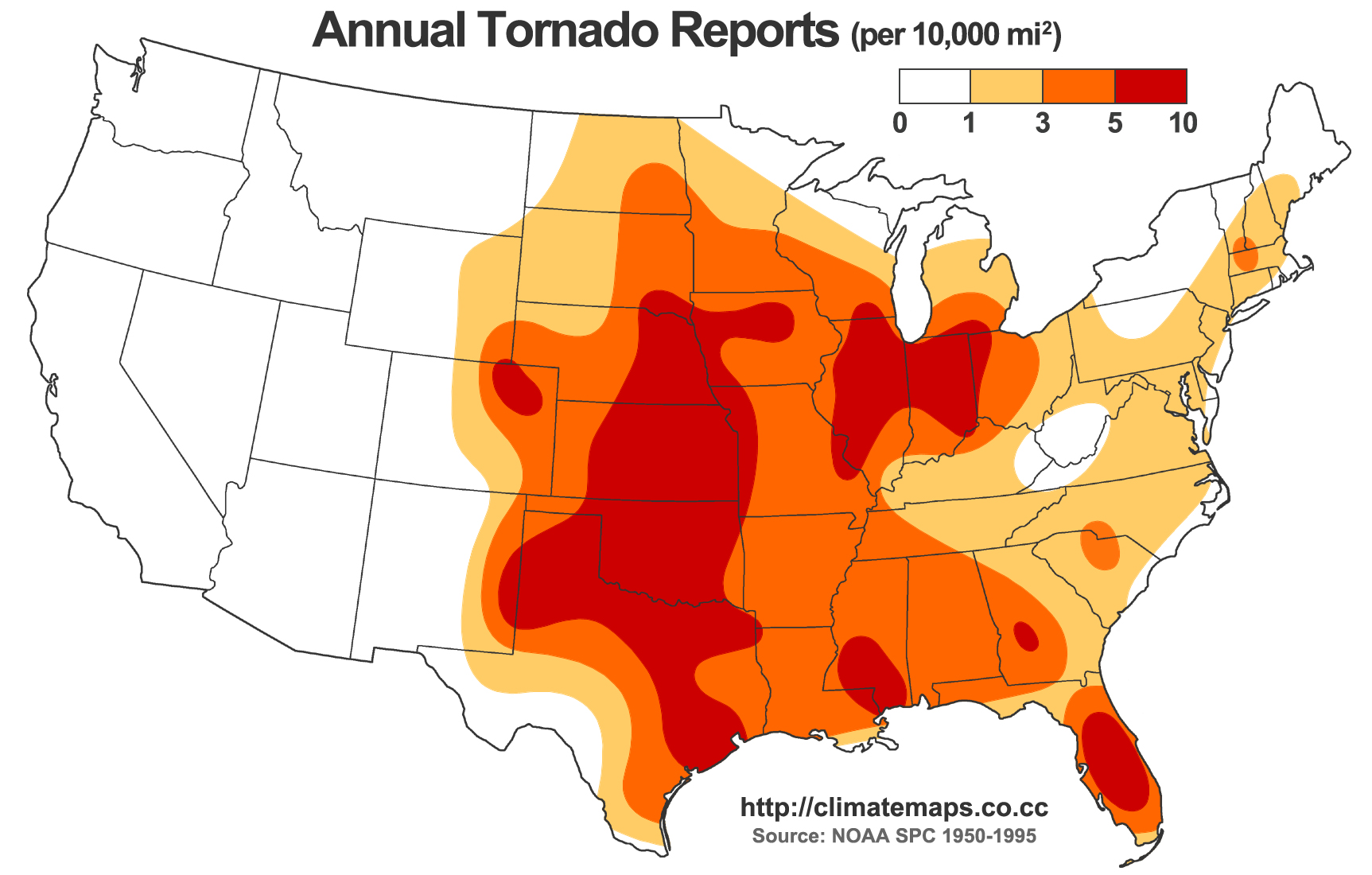
Texas experiences a significant number of tornadoes annually, making it a key player in Tornado Alley, a loosely defined region in the central United States that is known for frequent and severe thunderstorms that can produce tornadoes. While the term “Tornado Alley” is more a meteorological phenomenon than a precisely defined geographical area, the central and northern parts of Texas are undeniably within its heartland. This means that while a tornado is not an everyday occurrence in every part of the state, the potential for them exists, particularly during certain seasons.
For travelers, this doesn’t mean avoiding Texas. Far from it. The state offers an incredible array of experiences, from the world-class museums in Houston to the lively music scene in Dallas and the culinary delights of San Antonio. However, awareness and preparedness are key. Understanding the typical tornado season, recognizing warning signs, and knowing what to do in the event of a tornado warning can turn a potentially frightening situation into a manageable one. This article aims to provide a comprehensive overview of tornadoes in Texas, offering insights relevant to travelers, tourists, and anyone considering accommodation or exploring the state’s many landmarks.
Understanding Tornadoes in Texas
Texas is not just a large state in terms of area; it’s also a state with a dynamic and often dramatic climate. Situated in the southern plains of the United States, it lies in a unique geographical position that fosters the development of severe weather. The state’s sheer size means that weather patterns can vary significantly from one region to another. For instance, the Panhandle of Texas might experience different weather than the Gulf Coast.
The Geography of Tornado Formation
Tornadoes are born from powerful thunderstorms called supercells. These supercells require a specific set of atmospheric conditions to form: warm, moist air near the ground, cooler, dry air aloft, and strong wind shear (winds blowing at different speeds and directions at different altitudes). Texas is ideally situated to receive these ingredients. The warm, humid air often originates from the Gulf of Mexico, while dry air can surge from the desert Southwest. The jet stream, a fast-flowing current of air in the upper atmosphere, plays a crucial role in providing the necessary wind shear, especially during the spring and early summer.
The vast, open plains of Texas allow these storms to develop and strengthen without significant topographical obstructions. This is why the state is so prone to severe weather. The confluence of these atmospheric factors makes the Texas Panhandle, North Texas, and Central Texas particularly susceptible to tornado activity. Cities like Oklahoma City (just north of Texas), Wichita Falls, Dallas, and Fort Worth have historically been impacted by significant tornado events.
Tornado Season and Peak Activity
While tornadoes can occur in Texas at any time of year, there are distinct seasons when the risk is highest. The primary tornado season for Texas generally runs from March through May, with peak activity often occurring in April. During these months, the clash between retreating winter air masses and advancing warm, moist air from the Gulf of Mexico creates an unstable atmosphere ripe for severe thunderstorms.
However, it’s important to note that tornadoes have been documented in Texas outside of this typical window. Late fall, particularly October and November, can also see a secondary peak in tornado activity, especially in the eastern and southern parts of the state. This is due to the southward movement of cooler air masses and the continued presence of moisture from the Gulf.
For travelers, understanding these seasonal patterns is crucial for planning. If you are visiting Texas during the spring, particularly in April or May, it’s wise to be aware of the potential for severe weather and to have a plan in place. Likewise, a late fall trip to East Texas might warrant similar precautions. Regardless of the season, staying informed about weather forecasts is always recommended.
Planning Your Texas Travel Safely
When planning a trip to Texas, whether you’re booking a luxurious suite at a resort in San Antonio, exploring historical landmarks in Galveston, or seeking adventure in the Big Bend National Park, understanding potential weather hazards is an essential part of responsible travel. Tornadoes, while a serious concern, are a manageable risk with proper preparation.
Understanding Tornado Watches and Warnings
The first step in staying safe is knowing the difference between a tornado watch and a tornado warning. This distinction is critical for immediate action.

- Tornado Watch: This means that conditions are favorable for tornadoes to develop in and near the watch area. A watch doesn’t mean a tornado has been spotted, but rather that the ingredients are present. During a tornado watch, it’s essential to stay informed, monitor weather updates, and be prepared to act if a warning is issued. This is a good time to review your shelter plan and identify safe places in your accommodation or at attractions.
- Tornado Warning: This means a tornado has been sighted by trained spotters or indicated by weather radar. A tornado warning signifies an imminent threat to life and property. When a tornado warning is issued for your area, immediate action is required. Seek shelter immediately in a designated safe place.
Accommodation and Shelter Options
When booking your accommodation in Texas, consider the potential for severe weather. Many hotels, resorts, and vacation rentals offer specific guidance or have designated safe areas.
- Hotels and Resorts: Larger hotels and resorts often have basements or interior rooms on lower floors that are considered safe havens during a tornado. Some newer or more upscale properties may even have specially reinforced storm shelters. Always familiarize yourself with the hotel’s emergency procedures upon check-in. Look for signs indicating emergency exits and designated shelter areas. For example, a well-equipped resort might have a storm cellar accessible to guests.
- Apartments and Villas: If you are staying in a rental apartment or villa, identify the safest place within the property. This is typically an interior room on the lowest floor, away from windows. A bathroom or closet can offer additional protection. Avoid areas with large open spaces, such as garages or rooms with expansive windows.
- Long-term Stays: For those planning a longer visit, consider the location’s historical tornado activity and the specific safety features of the property. Some long-term rental properties might not be as well-equipped for severe weather as a dedicated hotel.
Essential Preparedness Tips for Travelers
Beyond knowing the difference between a watch and a warning, there are several practical steps travelers can take:
- Monitor Weather Forecasts: Stay updated on the weather, especially if traveling during tornado season. Utilize reliable weather apps, local news channels, and NOAA Weather Radio. Many smartphones have built-in emergency alert systems that will notify you of severe weather.
- Identify Safe Shelter: Before a severe weather event, know where you will go. This could be a storm cellar, a basement, an interior room on the lowest floor of a building, or even a sturdy vehicle if no other shelter is available (though this is a last resort). In public places, look for signs indicating tornado shelters.
- Stay Informed: During a watch or warning, keep your phone charged and with you. Listen to local authorities and emergency management officials.
- Travel During Daylight Hours: If possible, plan your travel to avoid driving long distances during the evening or at night, as spotting severe weather can be more difficult.
- Secure Outdoor Items: If you are staying in a vacation rental with outdoor amenities, secure any loose items like patio furniture that could become projectiles in high winds.
- Know Your Route: If you are traveling between cities, be aware of potential road closures due to severe weather or its aftermath.
By incorporating these preparedness measures into your travel plans, you can confidently explore the wonders of Texas, from its vibrant city life to its breathtaking natural landscapes, while ensuring your safety and peace of mind.
Experiencing Texas Beyond the Storms
Texas is a state brimming with attractions and experiences that draw millions of visitors each year. While understanding and respecting its weather patterns is important, it’s crucial to remember that tornadoes are not an everyday occurrence for most visitors and that the vast majority of Texas experiences are wonderful and uneventful. The state offers a rich tapestry of culture, history, and natural beauty, from the iconic San Antonio Riverwalk to the artistic flair of Marfa and the historical significance of Goliad.
Embracing the Local Culture and Cuisine
The local culture of Texas is as diverse as its landscapes. From the cowboy heritage of West Texas to the Tejano influences in the south, there’s a unique blend of traditions to explore. Food is a cornerstone of Texas culture, and travelers can indulge in everything from world-famous barbecue in Lockhart to authentic Tex-Mex cuisine in El Paso. Exploring local markets, attending festivals, and engaging with the friendly locals are all part of the authentic Texas experience. Don’t miss out on trying kolaches in Central Texas, or the fresh seafood along the Gulf Coast near Corpus Christi.
Exploring Texas Landmarks and Natural Wonders
Texas boasts a wealth of landmarks and natural wonders that cater to every interest. History buffs can delve into the past at sites like the San Jacinto Monument or the Texas State Capitol in Austin. For nature enthusiasts, the Big Bend National Park offers stunning desert vistas, while the Texas Hill Country provides rolling hills, wineries, and charming small towns like Fredericksburg. The Guadalupe River State Park is another excellent destination for outdoor activities. Even within the major cities, you’ll find remarkable attractions, such as the Dallas Arts District or the Museum District in Houston.
Lifestyle and Travel Choices in Texas
Whether you’re seeking a luxurious escape, a budget-friendly adventure, or a family-friendly vacation, Texas offers a lifestyle that suits every traveler.
- Luxury Travel: For those who prefer the finer things, Texas offers opulent resorts, high-end shopping districts in cities like Dallas and Houston, and fine dining experiences. Consider a stay at a luxury hotel in Austin or a golf resort in the Texas Hill Country.
- Budget Travel: Texas is also incredibly accessible for budget travelers. Many state parks offer affordable camping and day-use fees, and exploring the unique charm of small towns can be done without breaking the bank. Look for local diners and roadside attractions for an authentic and economical experience.
- Family Trips: Texas is a fantastic destination for families. Theme parks like Six Flags Fiesta Texas in San Antonio, numerous historical sites, and outdoor activities provide endless entertainment for children of all ages. Many hotels and attractions are family-oriented, ensuring a comfortable and enjoyable stay for everyone.
- Business Stays: With major economic hubs like Houston, Dallas, and Austin, Texas is a prime destination for business travelers. The state offers a wide range of accommodation options, from business-class hotels to serviced apartments, and excellent infrastructure to support corporate needs.
In conclusion, while the question “Are there tornadoes in Texas?” warrants a “yes,” it is crucial to view this within the broader context of a state that offers unparalleled travel experiences. By understanding the climate, planning responsibly, and staying informed, travelers can fully embrace the vibrant culture, rich history, and stunning natural beauty that make Texas such an extraordinary destination. The allure of Texas extends far beyond its weather, inviting exploration, discovery, and lasting memories.
LifeOutOfTheBox is a participant in the Amazon Services LLC Associates Program, an affiliate advertising program designed to provide a means for sites to earn advertising fees by advertising and linking to Amazon.com. Amazon, the Amazon logo, AmazonSupply, and the AmazonSupply logo are trademarks of Amazon.com, Inc. or its affiliates. As an Amazon Associate we earn affiliate commissions from qualifying purchases.