
Texas, a state renowned for its vast landscapes, vibrant culture, and a spirit of independent living, often sparks curiosity about what makes a unique companion. Among the more unconventional possibilities that arise is the question: can you have a pet raccoon in the Lone Star State? The allure of these intelligent, masked mammals is undeniable, but before you envision a wild critter sharing your Texas home, it’s crucial to delve into the legalities, practicalities, and ethical considerations involved. This exploration will not only answer the direct question but also shed light on the broader lifestyle choices and travel considerations that might intersect with such an unusual pet.

Understanding Texas Wildlife Laws and Raccoon Ownership
The core of the question “Can you have a pet raccoon in Texas?” hinges on the state’s wildlife regulations. Unlike domesticated animals like cats and dogs, raccoons are classified as native wildlife, and their ownership is strictly controlled. The Texas Parks and Wildlife Department (TPWD) oversees these regulations, aiming to protect both native wildlife populations and public safety.
The Legal Landscape: A Strict Prohibition
In Texas, it is generally illegal to possess a wild raccoon as a pet. The TPWD’s regulations are designed to prevent the spread of diseases, such as rabies and distemper, which can be carried by raccoons and pose a risk to humans and other animals. Furthermore, keeping native wildlife in captivity can disrupt natural ecosystems and lead to animal welfare issues if the animals are not properly cared for or if they escape and cannot survive in the wild.
The law distinguishes between owning a wild-caught animal and acquiring one through a licensed breeder. However, even with a licensed breeder, obtaining a raccoon for private pet ownership is exceptionally difficult, if not impossible, in Texas. The state’s primary objective is to keep native wildlife in its natural habitat. This means that attempting to capture a raccoon from the wild or purchase one from an unlicensed individual is a serious offense that can result in significant fines and penalties.
There are very limited exceptions, typically for licensed wildlife rehabilitators who are permitted to temporarily possess injured or orphaned raccoons for the sole purpose of rehabilitation and eventual release back into the wild. These individuals undergo rigorous training and adhere to strict protocols to ensure the well-being of the animals and public safety. For the average Texan dreaming of a raccoon companion, these exceptions do not translate into permission for private pet ownership.
Why the Restriction? Protecting Wildlife and Public Health
The restrictions on keeping pet raccoons in Texas are not arbitrary. They are rooted in several important considerations:
- Disease Transmission: Raccoons are known carriers of rabies, a fatal viral disease that can be transmitted to humans and other mammals. They can also carry other diseases and parasites. The TPWD’s regulations are a vital public health measure to minimize the risk of zoonotic disease transmission.
- Animal Welfare: Raccoons are wild animals with complex behavioral needs. Providing them with an environment that meets these needs in a typical household setting is extremely challenging. They require specialized diets, ample space for climbing and exploring, and opportunities for natural foraging behaviors. Inadequate care can lead to stress, illness, and behavioral problems for the raccoon.
- Ecological Impact: Releasing non-native or captive-bred wildlife back into the environment can have detrimental effects on local ecosystems. They can outcompete native species, introduce diseases, or disrupt food chains. Conversely, if a captive raccoon escapes, it may not possess the skills necessary to survive in the wild, leading to a slow and potentially painful demise.
- Public Safety: Even raccoons raised from a young age can retain their wild instincts. They can become unpredictable and potentially aggressive, especially as they reach maturity. Bites and scratches from raccoons can cause serious injury and necessitate medical treatment, including rabies post-exposure prophylaxis.
Considering Alternatives and Related Travel Experiences
Given the legal prohibitions, the idea of a pet raccoon in Texas is, for most residents, a non-starter. However, the fascination with these intriguing creatures can lead to exploring alternative ways to interact with them or experience wildlife in a safe and legal manner. This often ties into travel, tourism, and lifestyle choices that allow for unique encounters without the legal and ethical burdens of private ownership.
Wildlife Encounters and Ethical Tourism
While owning a raccoon as a pet is not feasible in Texas, there are still ways to appreciate these animals and other wildlife. Ethical wildlife tourism offers opportunities for observation and learning in a responsible manner.
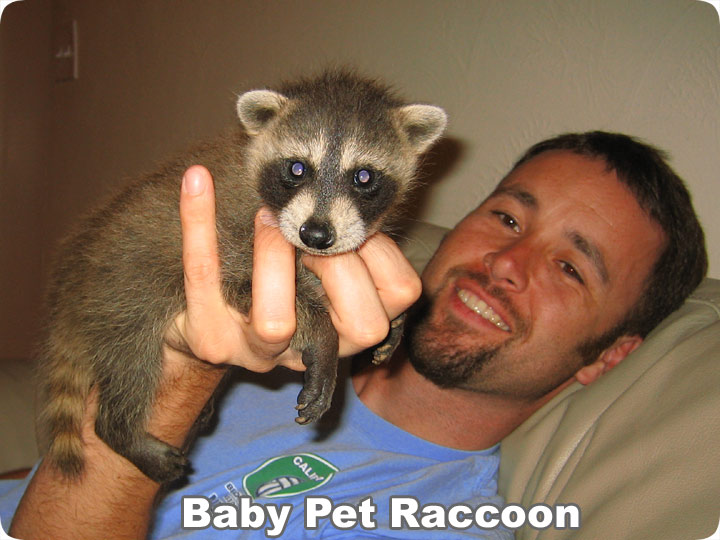
- Wildlife Refuges and Parks: Texas boasts numerous state parks and national wildlife refuges where you can observe raccoons and other native species in their natural habitats. Places like the Big Thicket National Preserve or the Colorado River Wildlife Refuge offer chances to see animals in the wild, provided you maintain a safe distance and respect their environment. It’s important to remember that these are wild animals, and feeding or approaching them is discouraged and often illegal.
- Zoos and Sanctuaries: Reputable zoos and animal sanctuaries often have raccoons as part of their educational exhibits. These institutions provide a safe environment for the animals and offer visitors an opportunity to learn about their behavior, ecology, and conservation status. Many zoos participate in breeding programs that help maintain healthy populations of various species.
- Educational Programs: Some nature centers and wildlife organizations in Texas offer educational programs that might include close-up, supervised encounters with ambassador animals, which could sometimes include raccoons that are not suitable for release. These programs are designed for learning and appreciation, not for fostering pet-like relationships.
When planning your travels in Texas with an interest in wildlife, look for destinations that prioritize conservation and ethical animal encounters. Researching local attractions and tour operators beforehand can help you find experiences that are both enjoyable and responsible.
Lifestyle Choices: Luxury vs. Budget, Family vs. Solo Travel
The concept of unconventional pets often intersects with broader lifestyle choices. For those drawn to the idea of exotic companions, exploring the possibilities that align with a particular lifestyle is key.
- Luxury Travel: While not directly related to pet ownership, the desire for unique experiences can manifest in luxury travel. Imagine staying in a secluded Texas resort where guided nature walks allow you to spot diverse wildlife, including raccoons, from a distance. Destinations offering guided tours through pristine natural reserves or exclusive lodges with wildlife viewing platforms cater to a discerning traveler looking for memorable encounters.
- Budget Travel: Even on a budget, experiencing Texas wildlife is accessible. Camping in state parks or visiting local nature preserves often comes with minimal fees and abundant opportunities for wildlife observation. The thrill of spotting a raccoon foraging at dusk in your campsite’s vicinity, without any legal repercussions, can be incredibly rewarding.
- Family Trips: For families, visiting zoos or wildlife parks that house raccoons can be an educational and entertaining outing. These venues are designed to be family-friendly, offering interactive exhibits and informative presentations that can spark a child’s interest in wildlife and conservation. It’s a safe way to introduce children to the wonders of animals they might not otherwise encounter.
- Solo Adventures: For the solo traveler, a quiet hike in a national forest or a visit to a less-trafficked wildlife area can offer a chance for introspection and connection with nature. Observing a raccoon in its natural element, on its own terms, provides a unique and personal experience.
The Raccoon as a Symbol: Understanding Wildness
The fascination with owning a raccoon as a pet often stems from a romanticized view of their intelligence, agility, and their somewhat mischievous reputation. However, it’s crucial to understand that these are wild animals with inherent instincts that cannot be entirely suppressed, regardless of how they are raised.
Beyond the Cute Facade: The Reality of Wild Animal Behavior
Raccoons are intelligent, curious, and highly adaptable. Their dextrous paws, often described as “hands,” allow them to manipulate objects with surprising skill. This intelligence, however, translates into a constant need for stimulation and a propensity for exploration that can be destructive in a domestic setting. They can learn to open cabinets, doors, and even complex latches, making a secure environment a significant challenge.
Their diet in the wild is omnivorous and varied, encompassing fruits, nuts, insects, small vertebrates, and carrion. Replicating this complex nutritional requirement in captivity is difficult, and improper diets can lead to serious health problems.
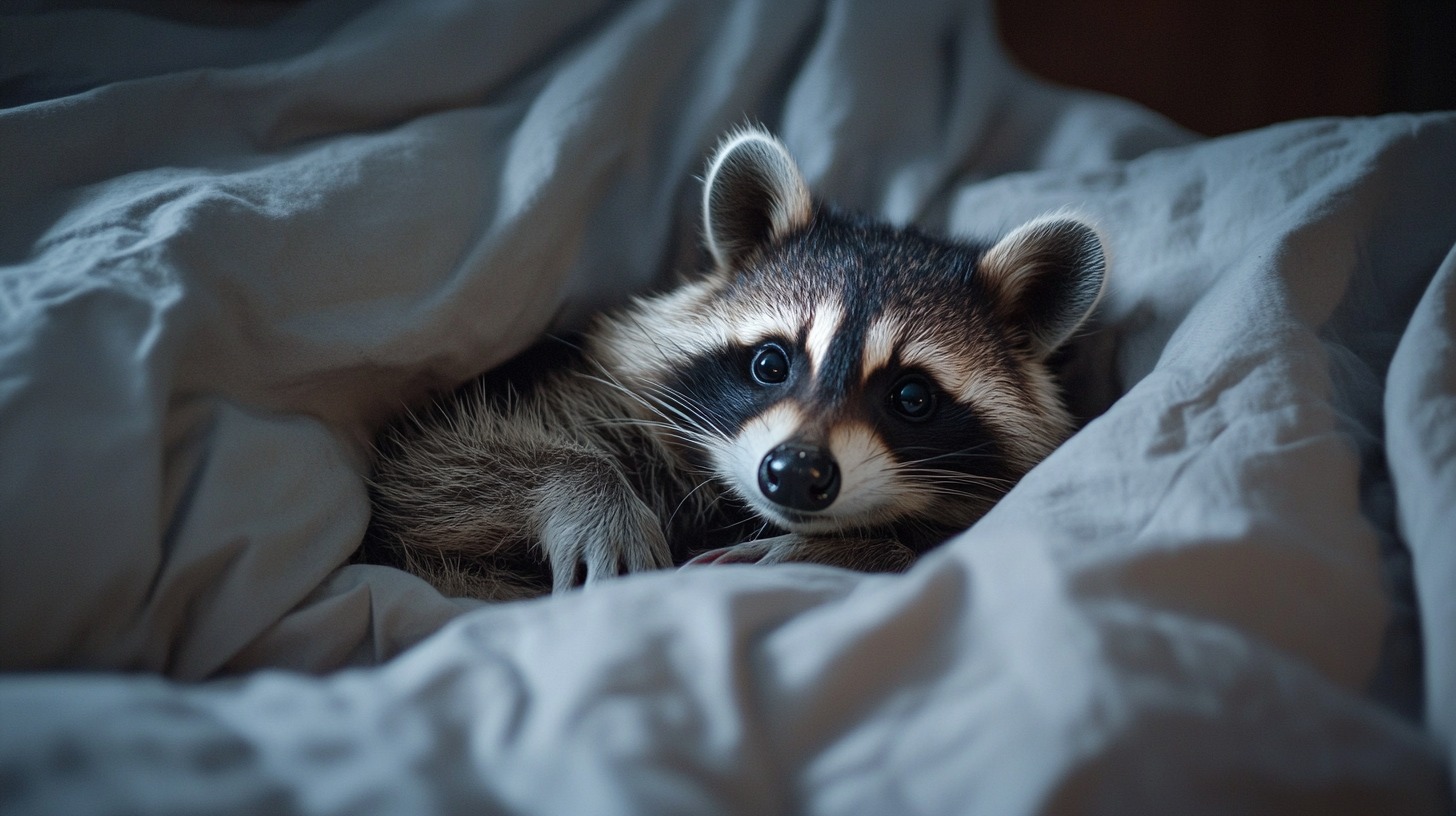
Furthermore, raccoons are primarily nocturnal or crepuscular, meaning they are most active during dawn and dusk. This natural behavior pattern can lead to significant disruption for human households, with raccoons being active and potentially noisy throughout the night.
The Ethical Dilemma: Is Domestication Truly Possible?
The core ethical question surrounding keeping a raccoon as a pet revolves around whether it is truly possible to domesticate a wild animal. Domestication is a long evolutionary process where animals are selectively bred over generations to exhibit traits that are beneficial for living alongside humans. Raccoons, while intelligent and capable of learning, have not undergone this process. Their wild instincts, though potentially tempered by early socialization, remain deeply ingrained.
The desire to own a raccoon often comes from a place of admiration for its wild nature. Ironically, by attempting to integrate it into a human domestic setting, we diminish that very wildness, potentially leading to a diminished quality of life for the animal. The most ethical way to appreciate raccoons is to respect their wildness and support efforts to conserve their natural habitats.
In conclusion, while the idea of having a pet raccoon in Texas might spark an adventurous spirit, the legal realities and ethical considerations make it an unfeasible and ill-advised pursuit. Instead, focus on appreciating these captivating creatures through responsible wildlife tourism, educational initiatives, and by preserving their natural homes. Texas offers a wealth of natural beauty and opportunities for ethical wildlife encounters that can satisfy your curiosity and provide unforgettable experiences, aligning perfectly with the spirit of exploration and lifestyle enrichment that lifeoutofthebox.com celebrates.
LifeOutOfTheBox is a participant in the Amazon Services LLC Associates Program, an affiliate advertising program designed to provide a means for sites to earn advertising fees by advertising and linking to Amazon.com. Amazon, the Amazon logo, AmazonSupply, and the AmazonSupply logo are trademarks of Amazon.com, Inc. or its affiliates. As an Amazon Associate we earn affiliate commissions from qualifying purchases.