
The vastness of our planet is often difficult to grasp. When we speak of immense geographical areas, we often resort to comparisons to familiar locations. For those residing in the United States, the state of Texas often serves as a benchmark for size. It’s a state so large that it’s said you could fit several European countries within its borders. But what about areas beyond the contiguous United States? How does a colossal island like Greenland stack up against the Lone Star State? The answer is, perhaps surprisingly, that Greenland dwarfs Texas in a way that redefines our understanding of scale.

Unveiling the Colossal: Greenland’s Immense Footprint
When we talk about islands, we often picture places like the Bahamas or the Hawaiian Islands, beautiful destinations for a tropical getaway. However, Greenland is an island in a league of its own, the largest in the world, excluding continents. Its sheer size is a testament to the planet’s geological wonders. Understanding Greenland’s dimensions is crucial to appreciating its unique environment and the challenges and opportunities it presents.
The Mammoth Scale of Greenland
Greenland is an autonomous territory within the Kingdom of Denmark. Despite its name, much of its landmass is covered by an enormous ice sheet, the second largest in the world after Antarctica. This ice sheet alone is a significant factor when considering its overall size and how it impacts the habitable land available. The total area of Greenland is approximately 2,166,086 square kilometers (836,330 square miles). This figure encompasses both the ice-covered and ice-free regions. The ice-free coastal areas, where most of the population resides and where human activities like tourism and settlement occur, are considerably smaller, but the ice sheet itself is a massive geological feature that cannot be ignored when discussing the island’s “size.”
To put this into perspective, the ice sheet itself covers about 1,755,637 square kilometers (677,875 square miles). This means that a significant portion of Greenland’s total area is a thick, frozen expanse. The ice thickness varies, averaging around 1,500 meters (4,900 feet), but can reach over 3,000 meters (9,800 feet) in some areas. This ice sheet is a critical component of global climate systems, reflecting solar radiation and influencing ocean currents. Its sheer volume is staggering, holding an estimated 2.85 million cubic kilometers of freshwater.
Texas: The Lone Star State’s Grandeur
Texas, on the other hand, is the second-largest state in the United States by both area and population. It’s a state renowned for its diverse landscapes, from vast plains and rolling hills to deserts and the Gulf Coast. Its size is a significant part of its identity and its economic prowess, influencing its vast ranches, extensive highway systems, and varied cultural regions.
Measuring the Extent of Texas
The total area of Texas is approximately 695,662 square kilometers (268,596 square miles). This area is comprised of land and inland water bodies. Unlike Greenland, Texas is entirely ice-free, meaning its entire landmass is available for human habitation, agriculture, industry, and recreation. This distinction is important when comparing the two in terms of usable land and potential for development.
Texas is larger than many countries, and its internal diversity is remarkable. From the piney woods of East Texas to the arid landscapes of West Texas, and the bustling metropolises like Houston, Dallas, and Austin, the state offers a wide range of experiences and environments. Its size contributes to its significant economic output, particularly in the energy and agricultural sectors.
The Mammoth Comparison: Greenland vs. Texas
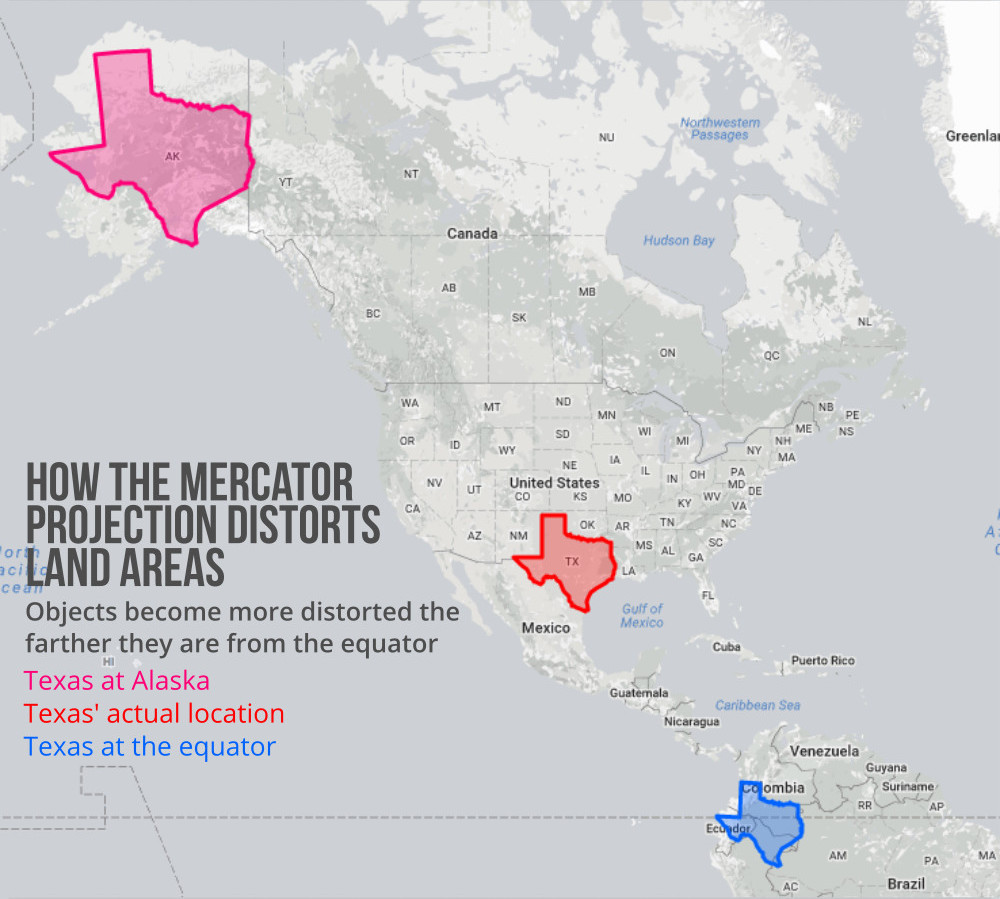
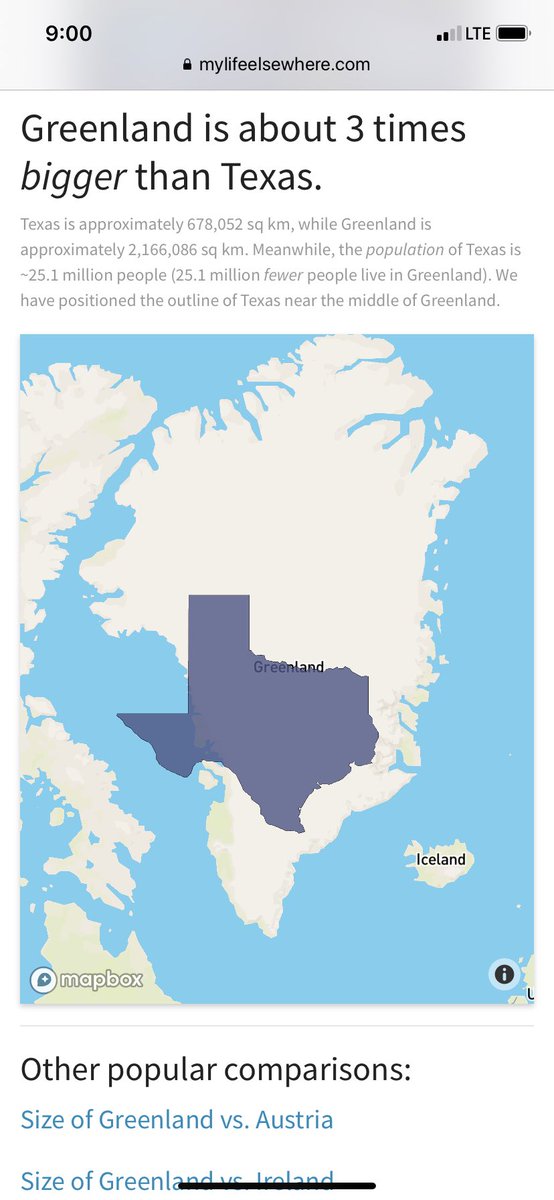
The core of our comparison lies in understanding the sheer numerical difference between these two entities. When Greenland is placed side-by-side with Texas on a map, or when their areas are directly compared, the disparity becomes incredibly clear.
A Stark Visual and Numerical Contrast
Greenland covers approximately 2,166,086 square kilometers. Texas covers about 695,662 square kilometers. To find out how many times larger Greenland is than Texas, we can perform a simple division:
2,166,086 sq km / 695,662 sq km ≈ 3.11
This calculation reveals that Greenland is over three times the size of Texas. To put this into more relatable terms, you could fit approximately three Texases within the landmass of Greenland, with room to spare. This means that if you were to draw the outline of Texas on a map of Greenland, you could place three such outlines and still have a considerable portion of Greenland left uncovered.
This comparison highlights the truly colossal scale of Greenland. While Texas is a vast state by United States standards, Greenland operates on a planetary scale of immensity. This size difference has profound implications for everything from climate and environment to potential for exploration and resource management. The ice sheet, even though frozen, is a landmass in itself, contributing to the overall footprint that makes Greenland so exceptionally large.
Implications of Size: Travel, Tourism, and Lifestyle
The significant difference in size between Greenland and Texas has a direct impact on how we perceive and interact with these places, influencing travel experiences, tourism opportunities, and even lifestyle considerations.
Navigating Vast Landscapes and Diverse Experiences
Travel to Greenland is often an adventure into the extreme. Due to its large size and the dominant presence of the ice sheet, accessibility can be a challenge. Most visitors fly into Kangerlussuaq Airport or Nuuk Airport, the capital city. From there, travel within Greenland often involves flights, boat tours, or specialized vehicles to navigate the rugged terrain and coastal settlements. The primary attractions are its dramatic natural landscapes, including massive glaciers, fjords, icebergs, and opportunities for activities like ice hiking, kayaking, and wildlife watching. The limited infrastructure means that travel is often focused on specific regions, such as the UNESCO World Heritage site of Ilulissat Icefjord, or the south coast known for its milder climate and sheep farming.
Hotels and accommodation in Greenland are typically found in the towns and villages, ranging from simple guesthouses to more comfortable hotels. For example, in Ilulissat, you might find options like the Hotel Hvide Falk, offering stunning views of the icefjord. In Nuuk, travelers can find amenities and services suitable for a capital city. Due to the remote nature of many locations, booking in advance is highly recommended, especially during the peak summer season.
Tourism in Greenland is focused on experiencing raw nature and unique Arctic culture. Visitors can immerse themselves in the local way of life, learn about the Inuit heritage, and witness the profound impact of climate change on the ice. Activities are often dictated by the seasons, with summer offering hiking and boat trips, while winter provides opportunities for dog sledding and viewing the Northern Lights.
In contrast, Texas offers a completely different spectrum of travel experiences. Its size allows for road trips covering vast distances, exploring diverse ecosystems and vibrant cities. Travel can range from visiting historical sites like the Alamo in San Antonio to experiencing the bustling cultural scene in Austin or the sprawling urban landscapes of Houston and Dallas.
Hotels and accommodation in Texas are abundant, catering to every budget and preference. From luxury resorts in the Hill Country to boutique apartments in city centers and family-friendly villas, the options are seemingly endless. Major hotel chains like Marriott and Hilton have a strong presence, alongside unique local establishments.
Tourism in Texas is incredibly varied. It encompasses everything from historical exploration and cultural immersion to outdoor adventures in national parks like Big Bend, and experiencing the state’s renowned culinary scene, particularly its barbecue. The sheer diversity of attractions means Texas appeals to a wide range of travelers, from history buffs and nature enthusiasts to foodies and families.
Lifestyle Considerations: Luxury, Budget, and Family
The lifestyle associated with visiting or living in these two places is vastly different. Greenland often appeals to those seeking unique, adventurous, and sometimes luxurious experiences in remote wilderness. Luxury travel in Greenland might involve private guided tours, helicopter excursions over glaciers, or stays in exclusive lodges that offer unparalleled access to nature. Budget travel is possible but requires careful planning, often involving simpler guesthouses and more reliance on local transport options. Family trips to Greenland are less common due to the logistical challenges and the nature of the activities, but they can be incredibly educational and memorable for adventurous families.
Texas, with its wide array of options, caters to all lifestyle preferences. Luxury travel abounds in cities like Dallas and Houston, with high-end shopping, fine dining, and opulent resorts. Budget travel is readily achievable, with numerous affordable hotels, campgrounds, and free attractions across the state. Family trips are a cornerstone of Texas tourism, with theme parks, museums, historical sites, and natural parks offering entertainment and education for all ages. The sheer scale and diversity of Texas make it a destination that can be explored repeatedly, with new experiences awaiting at every turn.
Ultimately, the comparison between Greenland and Texas isn’t just about square miles; it’s about the vastly different worlds these areas represent. Greenland’s immense, icy expanse offers a glimpse into the raw power of nature and a unique Arctic lifestyle, while Texas’s sprawling, diverse terrain provides a quintessential American experience with a vast array of travel, tourism, and lifestyle possibilities.
LifeOutOfTheBox is a participant in the Amazon Services LLC Associates Program, an affiliate advertising program designed to provide a means for sites to earn advertising fees by advertising and linking to Amazon.com. Amazon, the Amazon logo, AmazonSupply, and the AmazonSupply logo are trademarks of Amazon.com, Inc. or its affiliates. As an Amazon Associate we earn affiliate commissions from qualifying purchases.