
The Lone Star State, often envisioned as a sun-drenched expanse of ranches and wide-open spaces, conjures images of scorching summers and mild winters. However, the reality of Texas weather is far more nuanced, particularly when it comes to the chillier months. While it’s true that Texas rarely experiences the deep freezes common to its northern neighbors, the question of “How cold does it get in Texas?” elicits a surprisingly varied answer, depending on where you are and when you visit. From the subtropical humidity of the coast to the elevated plains of the Panhandle, Texas’s sheer geographical diversity plays a significant role in dictating its winter climate. Understanding this climatic spectrum is crucial for anyone planning a trip, from seeking cozy accommodations in a charming bed and breakfast to enjoying outdoor activities without being deterred by an unexpected frost.

The vastness of Texas is a primary factor in its climatic variations. Spanning over 268,000 square miles, the state stretches from the Gulf of Mexico in the south to the Oklahoma border in the north, and from the Sabine River in the east to the New Mexico border in the west. This immense size means that while one part of the state might be basking in unseasonably warm sunshine, another could be under a blanket of frost or even snow.
Winter Weather Across the Lone Star State: A Geographical Breakdown
To truly understand how cold it gets in Texas, it’s essential to divide the state into its major climatic regions and examine their typical winter experiences. Each region offers a unique flavor of winter, influencing everything from local festivals to the types of activities available.
The Panhandle and North Texas: Embracing the Chill
The northernmost regions of Texas, including the Panhandle and areas around Dallas and Fort Worth, experience the most significant winter cold. Here, temperatures can regularly dip below freezing, especially during the overnight hours. Snowfall, while not a daily occurrence, is more common here than in the southern parts of the state.
The Panhandle’s Crisp Winters
The Panhandle of Texas shares a climate with parts of the Great Plains, meaning it’s no stranger to cold fronts. Amarillo, situated in the heart of the Panhandle, sees average January highs in the low 50s Fahrenheit (around 10°C) and average lows that hover around freezing (0°C). However, it’s not uncommon for temperatures to plummet much lower, with occasional arctic blasts bringing sub-zero temperatures. Snow is a distinct possibility, transforming the landscape into a starkly beautiful, albeit cold, panorama. The Palo Duro Canyon State Park, a stunning natural landmark, can be particularly breathtaking with a dusting of snow, offering a different perspective on its rugged beauty. For visitors, packing warm layers is paramount, and enjoying indoor attractions like the Cadillac Ranch’s unique art installation (while still an outdoor sight) might be more appealing on particularly frigid days. Cozy accommodations, perhaps a rustic cabin or a comfortable hotel in Amarillo, become a welcome retreat.
North Texas: A Mix of Cold Snaps and Milder Days
North Texas, encompassing major metropolitan areas like Dallas and Fort Worth, experiences winters that are a blend of cold snaps and milder, almost spring-like days. Average January temperatures tend to be in the mid-50s Fahrenheit (around 13°C) for highs and the mid-30s Fahrenheit (around 2°C) for lows. However, periods of freezing temperatures are not uncommon, and ice storms can occasionally disrupt travel. While significant snowfall is rare, a light dusting can occur, making the city parks and the iconic Klyde Warren Park a more somber yet still enjoyable place for a brisk walk. Visitors can explore the Dallas Arts District or immerse themselves in history at the Sixth Floor Museum at Dealey Plaza to escape any chilly weather. For those seeking warmth and comfort, North Texas offers a wide range of hotels, from luxurious downtown suites to budget-friendly options.
Central Texas: A Moderate Winter with Occasional Frost
Moving south, Central Texas, including the vibrant cities of Austin and San Antonio, experiences a more moderate winter. Freezing temperatures are less frequent and generally don’t last for extended periods.
Austin’s Mild Winter Wanderings
Austin, the state capital, enjoys a relatively mild winter. Average January highs are typically in the high 60s Fahrenheit (around 20°C), with lows often staying in the 40s Fahrenheit (around 7°C). Frost is possible, and occasional dips below freezing can occur, but prolonged cold spells are unusual. This makes Austin an attractive destination for those seeking to escape harsh winters. Outdoor activities are often still viable, allowing visitors to explore the beautiful Barton Creek Greenbelt or enjoy the lively atmosphere of South Congress Avenue. The Texas State Capitol Building, an architectural marvel, is a perfect indoor excursion on cooler days. When the temperature does drop, Austin‘s diverse culinary scene and abundant live music venues offer plenty of warmth and entertainment. Accommodation options range from boutique hotels in the South Congress district to expansive resorts on the outskirts.
San Antonio’s Historic Charm in Cooler Air
San Antonio, steeped in history, also benefits from a temperate winter climate. Average temperatures are similar to Austin, with highs in the mid-60s Fahrenheit (around 18°C) and lows in the mid-40s Fahrenheit (around 7°C). Frost is a possibility, and a few days each winter might see temperatures dip below freezing. The iconic Alamo and the historic San Antonio Missions National Historical Park are excellent attractions that can be enjoyed regardless of the temperature. Strolling along the River Walk is particularly pleasant during the cooler months, with fewer crowds and comfortable temperatures for dining al fresco. For those seeking more warmth, the numerous museums and indoor markets provide ample opportunities for exploration. The city boasts a variety of accommodations, from historic hotels along the River Walk to modern apartments for longer stays.
South Texas and the Gulf Coast: A Subtropical Embrace
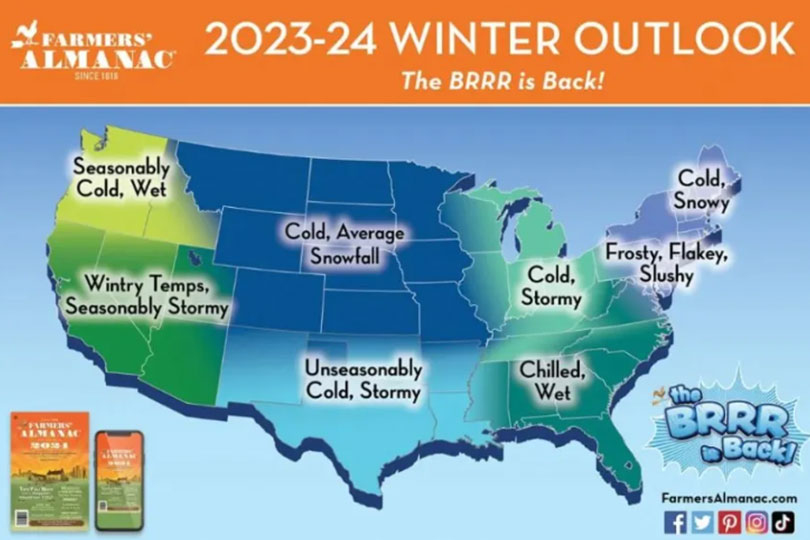
The southernmost reaches of Texas, including the Gulf Coast and cities like Houston and Corpus Christi, experience the mildest winters. Freezing temperatures are a rarity, and snow is virtually unheard of.
Houston’s Humid Mildness
Houston, Texas‘s largest city, enjoys a subtropical climate, which means its winters are generally mild and humid. Average January highs are in the low 70s Fahrenheit (around 22°C), and lows rarely drop below the 50s Fahrenheit (around 10°C). Frost is infrequent, and prolonged periods of cold are extremely uncommon. This allows for year-round outdoor enjoyment. Visitors can explore the Space Center Houston, wander through the Museum District, or enjoy the sprawling Hermann Park. The Galveston Bay area offers coastal attractions, though swimming in the Gulf of Mexico might be brisk. For accommodation, Houston offers an extensive range of options, from luxury hotels in the Galleria district to convenient apartment rentals.
The Coastal Charm of Corpus Christi
Corpus Christi, a vibrant coastal city, experiences a winter that is akin to a perpetual spring. Average January highs are in the mid-60s Fahrenheit (around 18°C), with lows typically in the 50s Fahrenheit (around 10°C). Freezing temperatures are exceptionally rare, and snow is a novelty. This makes it an ideal destination for those seeking to escape winter altogether. The Texas State Aquarium and the USS Lexington Museum are popular attractions, as is simply enjoying the ocean breeze along Padre Island National Seashore. Water sports might be a bit chilly for some, but beachcombing and enjoying the coastal scenery are always rewarding. Corpus Christi offers a variety of beachfront resorts and charming seaside inns for visitors.
Factors Influencing Texas Cold Snaps
While the general climate zones provide a good overview, several factors can influence the intensity and duration of cold weather in Texas.
Arctic Outbreaks and Polar Vortexes
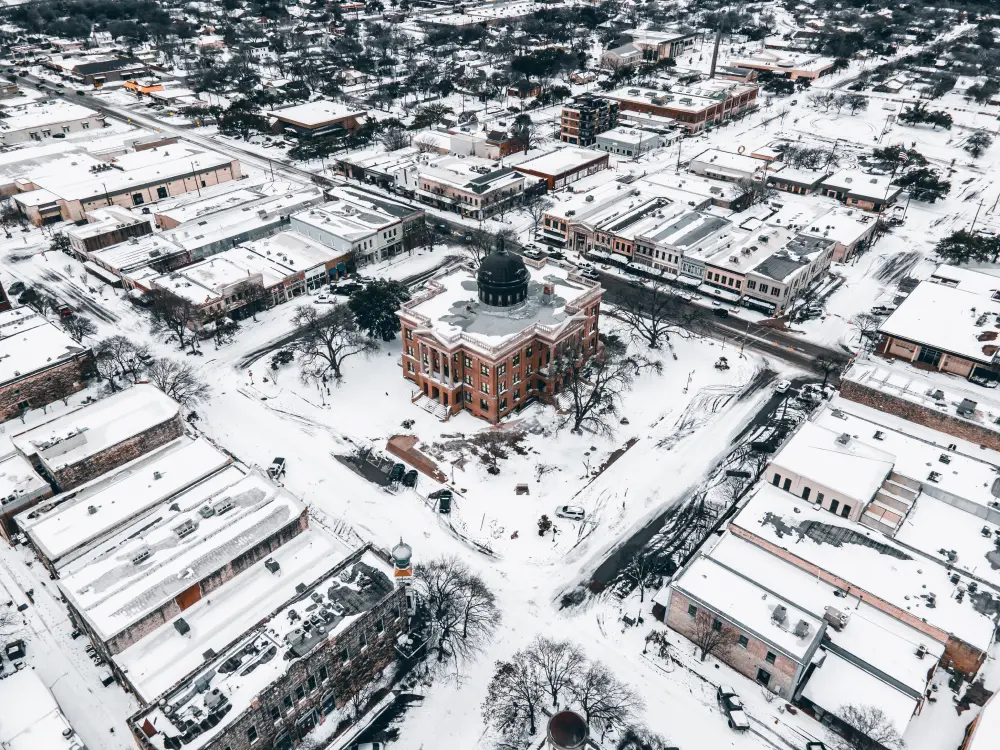
Occasionally, Texas is susceptible to incursions of frigid air from the Arctic. These events, often referred to as “arctic outbreaks” or influenced by the “polar vortex,” can send temperatures plummeting across the state, even into the southern regions. These are the times when even Houston or San Antonio might experience freezing temperatures, ice, and even a rare dusting of snow. During such events, travel can become hazardous, and it’s wise to check weather advisories and consider indoor activities or adjusting travel plans. The impact can be significant, affecting power grids and daily life, as seen in the widespread outages during the February 2021 winter storm.
The Role of the Gulf of Mexico
The proximity to the Gulf of Mexico plays a crucial role in moderating temperatures, especially along the coast and in South Texas. The warm waters of the Gulf tend to keep coastal areas warmer than inland regions, buffering them from the most severe cold. However, when cold air masses do push south, the combination of cold air and high humidity can lead to icy conditions, particularly on bridges and overpasses, making driving treacherous.
Preparing for a Texas Winter: Tips for Travelers
Whether you’re planning a luxury getaway to a Texas resort or a budget-friendly road trip, understanding the potential for cold weather is key to a comfortable and enjoyable experience.
Packing Wisely for Varying Conditions
Even if you’re visiting South Texas during winter, it’s advisable to pack layers. A light jacket, a sweater, and a scarf can be useful for cooler evenings or unexpected temperature drops. If you’re heading to North Texas or the Panhandle, warmer outerwear, gloves, and a hat are essential. Comfortable walking shoes are always a good idea, regardless of the weather, as exploring Texas often involves a good deal of walking.
Accommodation Choices for Comfort
When booking accommodation, consider the region you’re visiting and the time of year. In colder areas, look for hotels with good heating systems or consider renting a cozy cabin. In warmer regions, beachfront resorts or hotels with pools might still be enjoyable, even if the water is a bit cool. For those considering longer stays, researching apartment rentals or extended-stay hotels can provide a more home-like experience. Websites offering hotel comparisons can be invaluable in finding the best deals and amenities for your needs.
Embracing Winter Activities in Texas
Don’t let the possibility of a chill deter you from exploring Texas in the winter. Many of the state’s most beloved attractions are still accessible and enjoyable. Explore the historical sites in San Antonio, immerse yourself in art in Dallas, or enjoy the natural beauty of Big Bend National Park (though be prepared for significantly colder temperatures at higher elevations). Many cities host winter festivals and holiday markets, offering unique cultural experiences. And, of course, the culinary scene across Texas, from barbecue joints to fine dining establishments, provides a delicious way to warm up.
In conclusion, the answer to “How cold does it get in Texas?” is not a simple one. It’s a state of diverse climates, offering everything from brisk, frosty mornings in the north to balmy, almost spring-like days in the south. By understanding these regional differences and being prepared for the occasional cold snap, visitors can fully appreciate the multifaceted charm of the Lone Star State, no matter the season.
LifeOutOfTheBox is a participant in the Amazon Services LLC Associates Program, an affiliate advertising program designed to provide a means for sites to earn advertising fees by advertising and linking to Amazon.com. Amazon, the Amazon logo, AmazonSupply, and the AmazonSupply logo are trademarks of Amazon.com, Inc. or its affiliates. As an Amazon Associate we earn affiliate commissions from qualifying purchases.