
While the core of starting a nonprofit in Texas involves understanding legal and procedural requirements, this endeavor can be deeply intertwined with the very fabric of travel, tourism, and community experiences that we often explore and celebrate. Imagine a nonprofit dedicated to preserving Texas‘s rich historical landmarks, promoting its vibrant local culture, or even facilitating accessible travel for individuals with disabilities to its diverse attractions. Understanding the steps to establish such an organization can empower individuals to create lasting positive impacts within the Lone Star State and beyond, enriching the lives of both residents and visitors.
Starting a nonprofit isn’t merely about paperwork; it’s about building a sustainable entity that can fulfill a mission. This mission could be anything from supporting local artisans in Austin to conserving the natural beauty of Big Bend National Park, or even providing educational travel opportunities for underserved youth. The process, while requiring diligence, is ultimately about bringing a vision for community betterment to life.
Laying the Foundation: From Vision to Mission
The journey of establishing a nonprofit organization in Texas begins with a clear and compelling vision. What problem are you aiming to solve? What positive change do you wish to bring about? This foundational clarity will guide every subsequent step, from defining your organization’s purpose to recruiting dedicated individuals who share your passion.
Defining Your Purpose and Mission Statement
Before diving into legalities, it’s crucial to articulate the core purpose of your organization. This involves identifying the specific needs your nonprofit will address and the community it will serve. For instance, if your interest lies in promoting Texas tourism, your mission might focus on highlighting lesser-known attractions, supporting local businesses in the hospitality sector, or enhancing the visitor experience through educational initiatives.
A well-crafted mission statement is more than just a sentence; it’s the guiding star for your organization. It should be concise, inspiring, and clearly communicate your nonprofit’s primary objectives. Consider how your mission aligns with the broader themes of travel, tourism, and lifestyle. Perhaps your nonprofit could focus on advocating for sustainable tourism practices in San Antonio, or developing accessible travel guides for those seeking to explore the unique landscapes of West Texas.
Choosing a Name for Your Nonprofit
The name of your nonprofit is its public identity. It should be memorable, reflective of your mission, and available for use. It’s important to conduct a thorough search to ensure your chosen name isn’t already in use by another organization, especially within Texas. This typically involves checking with the Texas Secretary of State’s office and potentially performing a broader federal trademark search.
Think about how your name can resonate with potential donors, volunteers, and the community you aim to serve. A name that evokes images of adventure, cultural immersion, or community spirit can be particularly effective if your nonprofit’s work touches upon these aspects. For a nonprofit focused on promoting Texas history, a name like “Lone Star Heritage Preservation” might be fitting. If the focus is on local culinary experiences, “Taste of Texas Trails” could be an option.
Assembling Your Founding Board of Directors
A strong, committed board of directors is vital for the success of any nonprofit. These individuals will provide governance, strategic direction, and oversight. When selecting board members, consider their expertise, passion for your mission, and willingness to dedicate their time and resources.
For a nonprofit involved in travel and tourism, board members with experience in hospitality, marketing, community outreach, or financial management would be invaluable. They could help shape strategies for promoting Texas destinations, developing partnerships with hotels and tour operators, or organizing cultural events. The board plays a critical role in ensuring the organization operates ethically and effectively, always with the mission at its forefront.
Navigating the Legal Landscape: Incorporation and Tax Exemption
Once your foundational elements are in place, the next phase involves formalizing your organization through legal incorporation and securing tax-exempt status. These steps are crucial for operating legally and for being able to accept tax-deductible donations.
Incorporating Your Nonprofit in Texas
The first formal step is to incorporate your nonprofit as a Texas nonprofit corporation. This is done by filing a Certificate of Formation with the Texas Secretary of State. This document will outline basic information about your organization, including its name, purpose, registered agent, and initial directors.
The registered agent is a designated individual or entity responsible for receiving official legal and tax documents on behalf of the nonprofit. This ensures that your organization remains in good standing and responsive to all communications. The incorporation process legally establishes your nonprofit as a distinct entity, separate from its founders. This protection is crucial for managing liability and financial responsibilities.
Obtaining an Employer Identification Number (EIN)
After incorporation, you will need to obtain an Employer Identification Number (EIN) from the Internal Revenue Service (IRS). This unique nine-digit number is essentially a Social Security number for your business and is required for tax filing purposes, opening a bank account, and hiring employees. You can apply for an EIN online through the IRS website, and it’s a free and relatively quick process.
Applying for 501(c)(3) Tax-Exempt Status
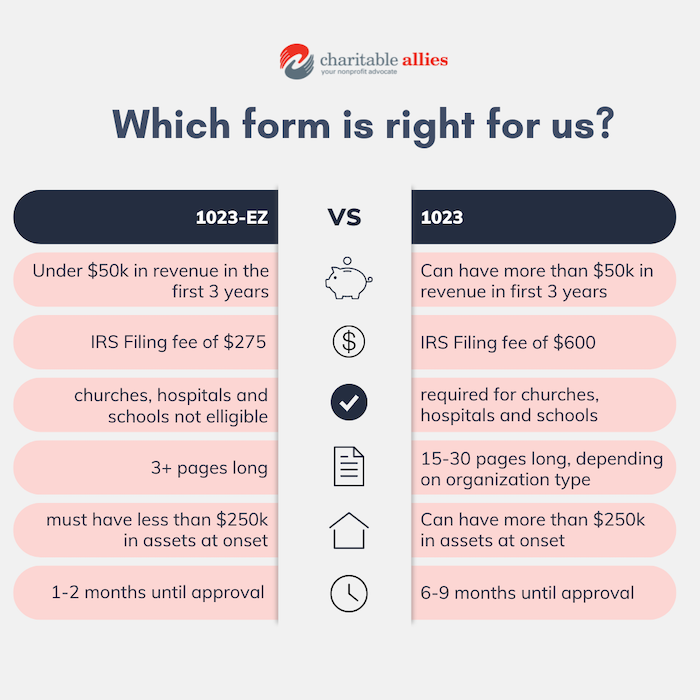
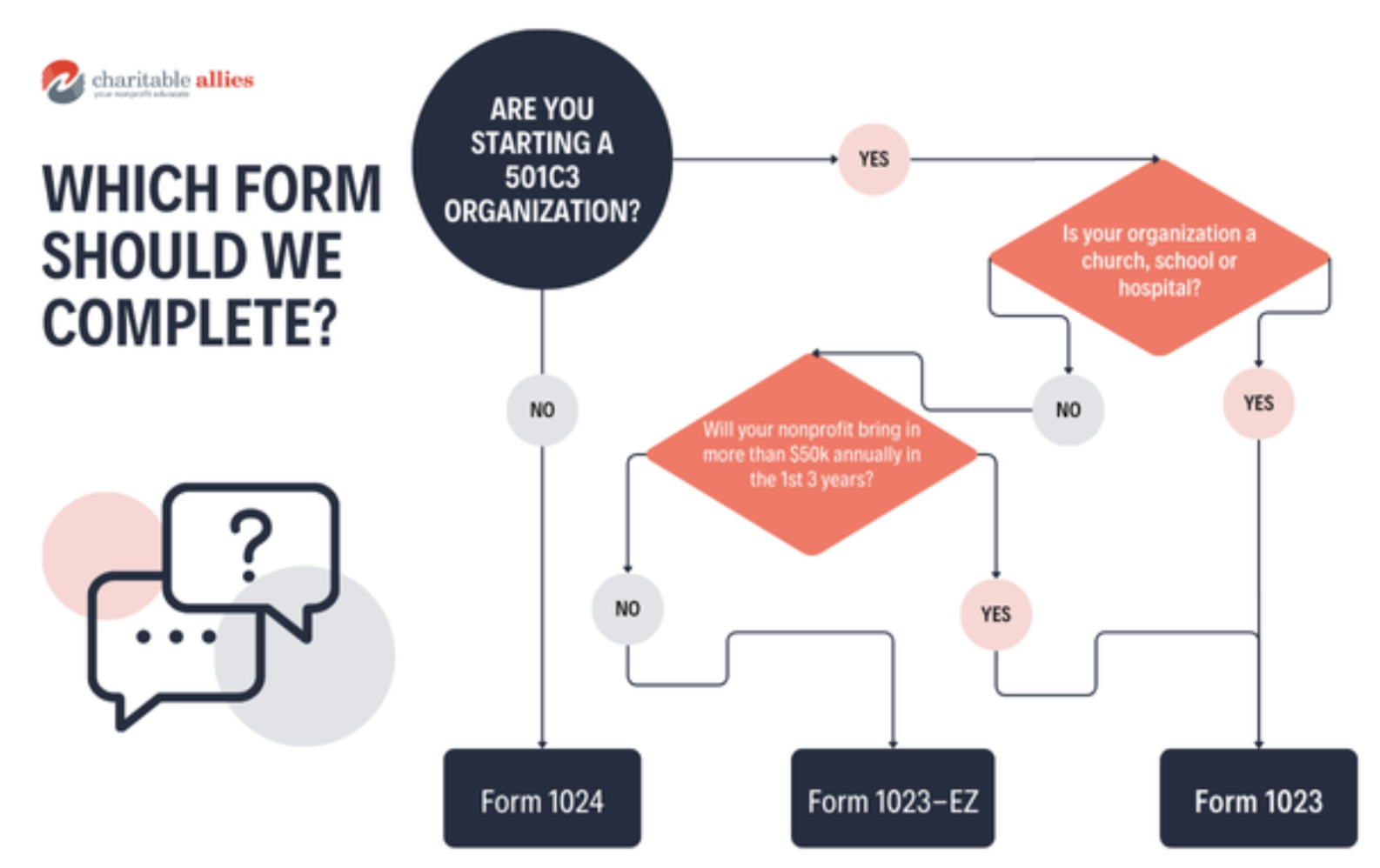
The most significant legal step for most nonprofits is applying for federal tax-exempt status under Section 501(c)(3) of the Internal Revenue Code. This designation allows your organization to be exempt from federal income tax and enables donors to deduct their contributions. The application is filed with the IRS on Form 1023.
This application is comprehensive and requires detailed information about your organization’s activities, governance, and financial projections. You will need to demonstrate that your organization is operated for charitable, educational, religious, scientific, or literary purposes. For a nonprofit focused on tourism, you might emphasize educational aspects, such as teaching about local history or promoting cultural understanding through travel. For instance, a program that guides students through historical Texas landmarks like the Alamo or the Texas State Capitol would clearly fall under an educational purpose.
This process can take several months, and meticulous attention to detail is crucial. Many organizations choose to seek assistance from legal professionals or consultants experienced in nonprofit law to ensure a successful application.
Operationalizing Your Nonprofit: From Fundraising to Program Delivery
With the legal framework established, the focus shifts to the operational aspects of running your nonprofit. This includes developing strategies for fundraising, managing finances, and most importantly, delivering on your mission through impactful programs and services.
Developing a Fundraising Strategy
Securing funding is essential for the sustainability of any nonprofit. A diversified fundraising strategy can include individual donations, grants from foundations and corporations, corporate sponsorships, special events, and earned income opportunities.
If your nonprofit is involved in promoting Texas tourism, you might explore partnerships with hotels in cities like Dallas or Houston, or with tour operators offering unique experiences. Sponsorships for cultural festivals or historical reenactments could also be a viable avenue. Consider how your mission can translate into compelling narratives that will resonate with potential donors. Highlighting the preservation of a historic Texas ranch or the facilitation of cultural exchange through guided tours of San Antonio‘s missions can be powerful fundraising tools.
Financial Management and Reporting
Sound financial management is paramount for maintaining trust and accountability. This involves creating a budget, tracking expenses, and ensuring compliance with all financial reporting requirements. For Texas nonprofits, this includes annual reporting to the Texas Secretary of State and the IRS.
Maintaining transparent financial records is not only a legal requirement but also a cornerstone of good governance. It assures donors and stakeholders that their contributions are being used effectively and ethically to further the organization’s mission.
Designing and Implementing Programs
The heart of your nonprofit lies in its programs and services. These are the tangible activities through which you fulfill your mission. Whether you’re organizing guided tours of Texas landmarks, developing educational materials on local history, facilitating cultural immersion experiences in Galveston, or creating accessible travel guides, your programs are where the real impact is made.
Ensure your programs are well-designed, effectively managed, and aligned with your mission statement. Regularly evaluate your programs to assess their effectiveness and identify areas for improvement. For example, a nonprofit focused on promoting Texas heritage might develop a series of workshops on traditional crafts or host lectures at historical sites across the state. The success of these programs will ultimately determine the impact and longevity of your nonprofit.
LifeOutOfTheBox is a participant in the Amazon Services LLC Associates Program, an affiliate advertising program designed to provide a means for sites to earn advertising fees by advertising and linking to Amazon.com. Amazon, the Amazon logo, AmazonSupply, and the AmazonSupply logo are trademarks of Amazon.com, Inc. or its affiliates. As an Amazon Associate we earn affiliate commissions from qualifying purchases.