
Navigating the complexities of unemployment in any state can be a daunting prospect, especially when you’re unfamiliar with the specific processes and requirements. Texas, a state renowned for its vast landscapes, vibrant cities, and diverse economy, has its own unique system for managing unemployment benefits. While the core principles of unemployment insurance are universal – providing a safety net for those who have lost their jobs through no fault of their own – the specifics of eligibility, application, and benefit distribution can vary significantly from state to state. For residents of the Lone Star State, understanding how unemployment works in Texas is crucial for accessing the support they need during a period of joblessness.
This guide aims to demystify the Texas unemployment system, breaking down the essential components from eligibility criteria to the benefits themselves, and the steps involved in filing a claim. Whether you’re planning a trip to explore the historical sites of San Antonio, seeking a luxurious resort experience in Austin, or simply considering a long-term stay in a different Texas city, understanding the economic landscape and its safety nets can offer valuable insight into the lifestyle and stability of the region.
Eligibility for Unemployment Benefits in Texas
To be eligible for unemployment benefits in Texas, an individual must meet several key criteria. These are designed to ensure that benefits are provided to those who genuinely need them and have contributed to the unemployment insurance system through their past employment. The system is administered by the Texas Workforce Commission (TWC).
Work History and Earnings Requirements
The primary determinant of eligibility hinges on an individual’s work history and earnings during a specific period known as the “base period.” The Texas Workforce Commission uses the base period to evaluate if a claimant has earned sufficient wages to qualify for benefits. This base period typically consists of the first four of the last five completed calendar quarters before the claimant files for unemployment.
To qualify, a claimant must have earned wages in at least two calendar quarters within the base period. Furthermore, their total earnings during the base period must meet a minimum threshold, which is recalculated annually by the Texas Workforce Commission. This minimum amount ensures that individuals have a substantial attachment to the workforce. For example, if the current minimum earnings requirement is $4,000, a claimant must have earned at least $4,000 during their base period.
Reason for Unemployment
Crucially, the reason for unemployment is a significant factor in determining eligibility. Benefits are generally available to individuals who have lost their jobs through no fault of their own. This typically includes situations like:
- Layoffs: When a company downsizes or closes, leading to the termination of employees.
- Lack of Work: If an employer eliminates a position due to a lack of business need.
- Business Closure: When an employer ceases operations entirely.
Conversely, individuals who quit their jobs voluntarily without good cause or are discharged for misconduct are usually disqualified from receiving unemployment benefits. “Good cause” for quitting is narrowly defined and often relates to compelling circumstances such as unsafe working conditions, domestic violence, or significant changes in job duties that were not part of the original agreement. Similarly, “misconduct” typically refers to intentional disregard of the employer’s interests, violation of company policies, or repeated instances of tardiness or absenteeism without justification. The Texas Workforce Commission will investigate the circumstances of the separation to make a determination.
Availability and Actively Seeking Work
Beyond meeting the work history and reason for separation requirements, claimants must also be able and available to work and must actively search for new employment. This means that individuals who are physically unable to work, incarcerated, or otherwise unavailable to accept suitable employment are not eligible.
The Texas Workforce Commission requires claimants to actively seek work each week they claim benefits. This involves taking concrete steps to find a new job, such as:
- Applying for job openings.
- Attending job interviews.
- Networking with potential employers.
- Participating in job training programs.
Claimants are expected to keep a detailed record of their job search activities, as the Texas Workforce Commission may request this information to verify compliance. The TWC also offers resources and assistance through its WorkInTexas.com website, which provides job listings, career counseling, and information about training opportunities. This proactive approach to job searching is a fundamental part of the unemployment insurance system, aiming to help individuals return to gainful employment as quickly as possible.
The Application Process and Benefit Claims
Applying for unemployment benefits in Texas involves a structured process managed by the Texas Workforce Commission. This process is designed to be as accessible as possible, with options for online, phone, and in-person applications. Once a claim is filed, ongoing requirements must be met to continue receiving benefits.
Filing an Initial Claim
The first step to receiving unemployment benefits is to file an initial claim with the Texas Workforce Commission. This can be done in several ways:

- Online: The most efficient method is typically through the Texas Workforce Commission’s Reemployment Assistance (RA) portal on their website. This allows for 24/7 access and provides immediate confirmation of submission.
- By Phone: Claimants can call the TWC’s Tele-Serve system to file their claim.
- In Person: For those who prefer face-to-face assistance or lack internet access, TWC Work Centers are available throughout Texas to help with the application process.
When filing an initial claim, applicants will need to provide detailed personal information, including their Social Security number, mailing address, and phone number. They will also need to supply information about their employment history, including the names and addresses of all employers for whom they worked during the last 18 months, their dates of employment, and the reason for separation from each job. It’s important to have this information readily available to ensure a smooth and accurate application.
Weekly Certifications and Job Search Requirements
Once an initial claim is approved, claimants must “certify for benefits” on a weekly basis. This is a crucial step that confirms the claimant’s continued eligibility for the preceding week. Weekly certifications can be done online through the Reemployment Assistance portal or by phone.
During the weekly certification, claimants will be asked a series of questions to verify:
- That they were able to work.
- That they were available for work.
- That they actively searched for work as required.
- Whether they refused any job offers or referrals.
- Whether they earned any wages during the week.
Failure to certify for benefits each week will result in a loss of benefits for that period. It’s essential to adhere to the designated certification schedule. As mentioned earlier, actively seeking employment is a core requirement. Claimants are expected to log their job search activities, and the TWC may audit these records. Specific requirements for the number of job contacts per week can vary, so it’s important to check the latest guidelines provided by the TWC.
Benefit Payments and Duration
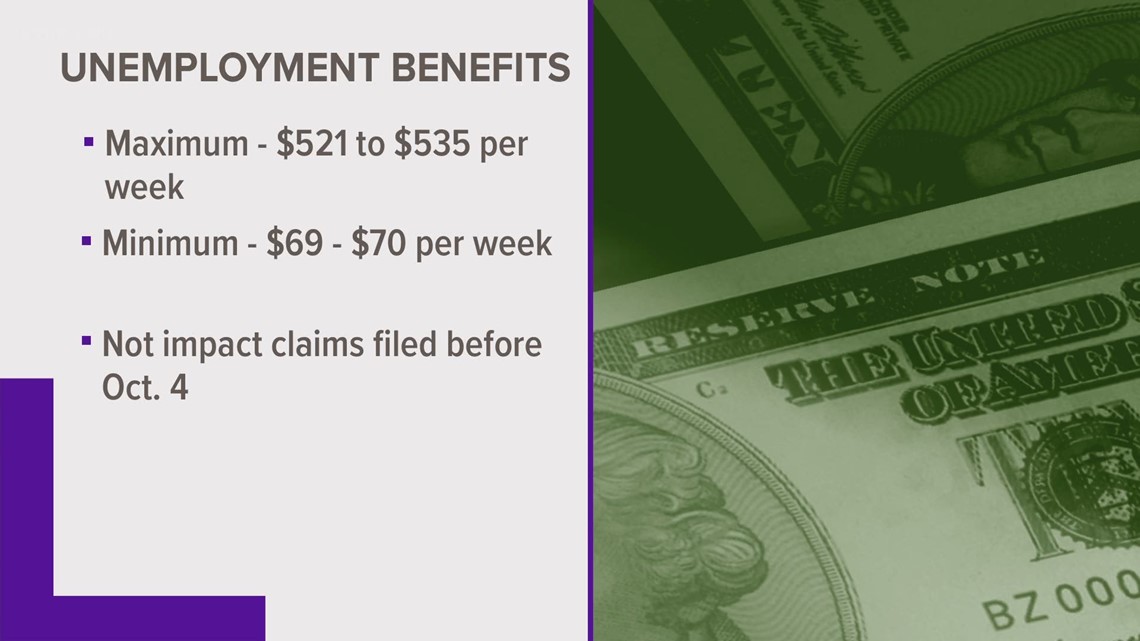
If a claimant meets all the eligibility requirements and continues to certify weekly, they will begin to receive unemployment benefit payments. The amount of the weekly benefit is determined by the claimant’s past earnings during their base period. Texas has a maximum weekly benefit amount, which is subject to change. The duration of benefits is also limited, typically up to 26 weeks in a standard benefit year, although this can be extended during periods of high unemployment as determined by federal or state legislation.
Benefit payments are usually made via direct deposit or a debit card. Claimants are often advised to set up direct deposit for faster and more secure access to their funds. It’s important to note that unemployment benefits are considered taxable income, and claimants will have the option to have federal income tax withheld from their payments.
Navigating Challenges and Additional Resources
The unemployment process, while designed to be supportive, can sometimes present challenges. The Texas Workforce Commission offers various resources and appeals processes to assist claimants who encounter difficulties or disagree with a decision made on their claim. Understanding these avenues can be critical for ensuring that rightful benefits are received.
Appeals Process
If an initial claim is denied, or if a claimant disagrees with a decision made by the Texas Workforce Commission regarding their eligibility or benefit amount, they have the right to appeal. The appeals process typically begins with a request for a hearing before an administrative law judge.
The appeals process generally involves several stages:
- Appeal Request: The claimant must file a written appeal within a specified timeframe after receiving the initial decision. This timeframe is usually clearly stated in the denial letter.
- Pre-hearing Conference: Sometimes, a pre-hearing conference may be held to attempt to resolve the issue without a formal hearing.
- Formal Hearing: If the issue is not resolved, a formal hearing will be scheduled. Both the claimant and the employer have the opportunity to present evidence, call witnesses, and argue their case before an administrative law judge.
- Appeal Tribunal Decision: The administrative law judge will issue a decision based on the evidence presented.
- Further Appeals: If the claimant disagrees with the decision of the administrative law judge, they may have the option to appeal to the Unemployment Compensation Appeals Board and, ultimately, to the state courts.
It is essential to thoroughly prepare for any appeal hearing, gathering all relevant documentation and evidence to support the claim.
WorkInTexas.com and Other Support Services
The Texas Workforce Commission provides a wealth of resources beyond just unemployment benefits to help individuals find new employment. The primary online platform for job seekers is WorkInTexas.com. This website offers:
- Job Listings: A comprehensive database of job openings across Texas, searchable by occupation, location, and employer.
- Resume Building Tools: Assistance in creating and improving resumes.
- Career Exploration: Information on various occupations, required skills, and potential career paths.
- Training Opportunities: Details on workforce training programs and educational resources that can enhance job skills.
- Virtual Career Fairs: Opportunities to connect with employers online.
In addition to online resources, Texas has TWC Work Centers located throughout the state. These centers provide in-person assistance with job searching, resume writing, interview skills, and access to computers and internet. They also offer workshops and career counseling services. For individuals facing specific challenges, such as those with disabilities or veterans, the TWC offers specialized programs and dedicated staff to provide tailored support. Understanding and utilizing these resources can significantly improve an individual’s chances of finding suitable employment and transitioning back into the workforce smoothly, whether they are contemplating a move to a new city for better job prospects or seeking local opportunities.
LifeOutOfTheBox is a participant in the Amazon Services LLC Associates Program, an affiliate advertising program designed to provide a means for sites to earn advertising fees by advertising and linking to Amazon.com. Amazon, the Amazon logo, AmazonSupply, and the AmazonSupply logo are trademarks of Amazon.com, Inc. or its affiliates. As an Amazon Associate we earn affiliate commissions from qualifying purchases.