
The bustling metropolises of Washington D.C. and New York City stand as two of the most iconic destinations in the United States, each offering a distinct tapestry of history, culture, and modern life. While one serves as the nation’s political heart, the other beats as its economic and cultural pulse. For travelers looking to experience both the monumental gravitas of the capital and the vibrant dynamism of the Big Apple, understanding the distance and myriad travel options between them is paramount. This comprehensive guide will not only detail the geographical separation but also delve into the best ways to traverse this popular corridor, alongside recommendations for enriching your journey, where to stay, and what to explore in each magnificent city.
The Distance Unpacked: Miles, Kilometers, and Travel Time
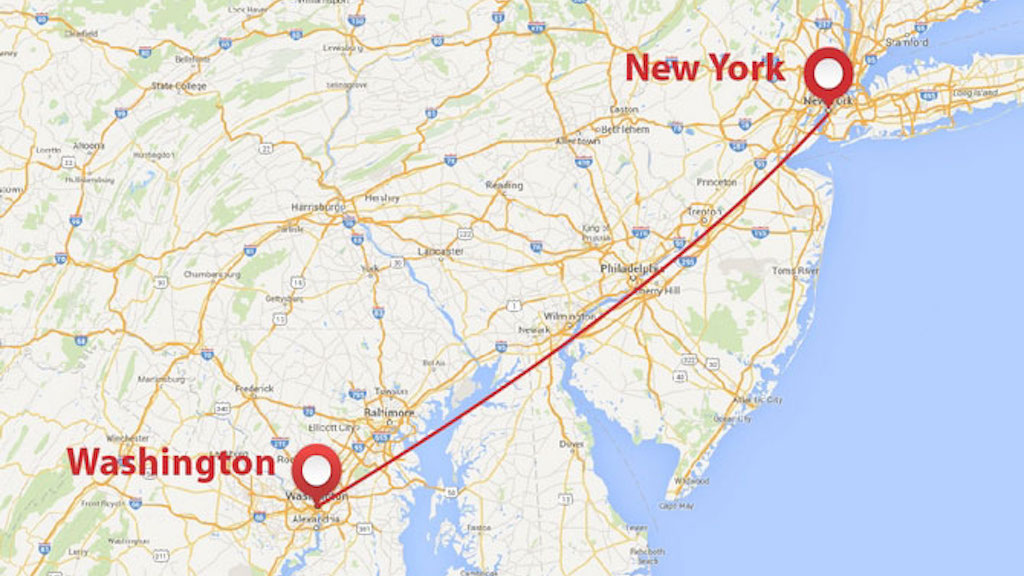
The distance between Washington D.C. and New York City is generally around 200 to 230 miles (approximately 320 to 370 kilometers), depending on the specific starting and ending points within each city. This relatively short distance makes travel between the two quite manageable, offering a variety of transportation modes to suit different preferences, budgets, and time constraints.
By Road: Driving Between D.C. and NYC
For those who prefer the flexibility of their own vehicle or a rental car, driving is a viable option. The primary route connecting the two cities is Interstate 95 (I-95), a major highway that runs along the East Coast.
- Distance: Approximately 225 miles (362 km)
- Travel Time: Typically ranges from 3.5 to 5 hours without significant traffic delays. However, factors like rush hour in Baltimore, Philadelphia, or entering New Jersey and New York can easily extend this to 6-7 hours or more.
- Considerations: Tolls are prevalent along I-95, particularly in Delaware, Maryland, and New Jersey. Parking in New York City is notoriously expensive and difficult to find, often making a car more of a hindrance than a convenience once you arrive. If driving, consider parking at a transit hub outside Manhattan and taking public transport into the city. A scenic detour could include a stop in Philadelphia for some historical sightseeing or a cheesesteak.
Rail Journeys: Amtrak and Scenic Routes
Traveling by train is a popular and often stress-free choice, especially along the Northeast Corridor. Amtrak offers frequent services, including both high-speed and conventional options.
- Provider: Amtrak
- Travel Time:
- Acela Express: The fastest option, taking approximately 2 hours and 50 minutes to 3 hours and 15 minutes. This premium service offers comfortable seating, Wi-Fi, and a cafe car, ideal for business travelers or those seeking a quicker, more luxurious journey.
- Northeast Regional: A more economical and frequent service, with travel times ranging from 3.5 to 4 hours. This service makes more stops, allowing passengers to observe the changing landscapes between cities.
- Departure/Arrival Points: Trains typically depart from Washington D.C. Union Station and arrive at New York Penn Station. Both stations are centrally located and well-connected to local public transportation, making onward travel convenient.
- Advantages: Avoids traffic, allows for productivity or relaxation during the journey, and offers a more eco-friendly travel option. Booking tickets in advance is highly recommended, especially for peak travel times, to secure better fares and availability.
Taking to the Skies: Flights Between Key Hubs
For those prioritizing speed, flying is the quickest way to cover the distance, though the total travel time can be extended by airport procedures.
- Flight Time: Actual airborne time is roughly 1 hour to 1 hour and 15 minutes.
- Total Travel Time: When factoring in travel to and from airports, security checks, and boarding, the total door-to-door journey can often equate to 3.5 to 5 hours, comparable to driving or taking the train.
- Airports:
- For New York City: LaGuardia Airport (LGA), John F. Kennedy International Airport (JFK), and Newark Liberty International Airport (EWR) serve the New York City area.
- For Washington D.C.: Ronald Reagan Washington National Airport (DCA) is the closest to downtown D.C., followed by Washington Dulles International Airport (IAD) and Baltimore/Washington International Thurgood Marshall Airport (BWI).
- Airlines: Major carriers like American Airlines, Delta, and United Airlines offer frequent flights.
- Recommendation: Flying is best suited for those connecting from longer flights or if a significant time constraint demands it. Otherwise, the train often offers a more seamless and less stressful experience for this particular route.
Budget-Friendly Buses: An Economical Choice
Bus travel presents the most economical way to travel between Washington D.C. and New York City. Numerous companies operate along this route, offering competitive fares.
- Providers: Popular operators include Greyhound, Megabus, and FlixBus.
- Travel Time: Typically 4.5 to 6 hours, heavily dependent on traffic conditions, particularly when entering or exiting major cities.
- Departure/Arrival Points: In D.C., buses often depart from Union Station. In New York City, they usually arrive at Port Authority Bus Terminal or various curbside stops in Midtown Manhattan.
- Advantages: Unbeatable prices, especially when booked in advance. Many modern buses offer amenities like Wi-Fi, power outlets, and reclining seats, making the journey more comfortable.
- Considerations: While budget-friendly, bus travel can be slower and more susceptible to traffic delays. However, for backpackers, students, or those simply looking to save money, it’s an excellent option.
Planning Your Journey: Tips for a Seamless Trip
Regardless of your chosen mode of transport, a well-planned trip enhances the overall experience. Considering the best time to visit and where to stay can significantly impact your enjoyment.
Best Time to Travel
Both Washington D.C. and New York City experience distinct seasons.
- Spring (April-May): Generally considered ideal, with pleasant temperatures and blossoming cherry trees in D.C.. Both cities are vibrant with outdoor activities.
- Fall (September-October): Another excellent period, offering comfortable weather and beautiful foliage, especially outside the urban centers.
- Summer (June-August): Can be hot and humid, but also a popular time for tourists, especially families. Expect larger crowds and higher prices for accommodation and flights.
- Winter (November-March): Cold, with a chance of snow, but offers unique holiday festivities (especially in NYC) and fewer crowds at attractions. Prices might be lower for hotels.
- Booking Tips: Always book transportation and accommodation well in advance, particularly during peak seasons or major events. Utilize comparison websites for flights and hotels, and consider flexible booking options where available.
Accommodation Choices in NYC and Washington D.C.
Both cities boast an extensive range of accommodation options, catering to every style and budget, from luxury suites and boutique hotels to budget-friendly apartments and long-term stays.
In New York City:
- Luxury: Hotels like the Four Seasons Hotel New York Downtown or The Langham, New York, Fifth Avenue offer unparalleled service, amenities, and prime locations, often near landmarks like Central Park or Wall Street.
- Mid-Range: Options such as Hotel Edison or Row NYC provide comfortable stays with good access to Times Square and Broadway at more accessible price points.
- Budget-Friendly: Hostels, guesthouses, and smaller hotels in areas like Queens or Brooklyn can offer more affordable rates without sacrificing access to public transport for exploring Manhattan. Consider serviced apartments for longer stays or family trips.
In Washington D.C.:
- Luxury: The St. Regis Washington, D.C. or The Ritz-Carlton, Washington, D.C. offer opulent experiences near the White House and other government buildings.
- Mid-Range: Hotels like the Hilton Garden Inn Washington D.C./Downtown provide excellent value and convenience for exploring the city’s main attractions.
- Budget-Friendly: Options can be found further from the core tourist areas, often still well-connected by the Metro system. Look into neighborhoods like Dupont Circle or Adams Morgan for a mix of accommodation and local flavor.
Reviews and comparison sites are invaluable for finding the best deals and ensuring your chosen accommodation meets your needs. Look for amenities like complimentary breakfast, fitness centers, and good Wi-Fi.
Maximizing Your Stay: Attractions and Experiences
To make the most of your visit, consider prioritizing key attractions that resonate with your interests. Both cities offer tourism boards with comprehensive guides and tips.
Exploring the Capital: Washington D.C. Highlights
Washington D.C. is a city where history comes alive, where every corner seems to tell a story of nation-building and significant events. Its structured layout and abundance of free museums make it an exceptional destination for history buffs, political enthusiasts, and families alike.
Iconic Landmarks and Historical Sites
The heart of D.C. is undoubtedly the National Mall, a vast, open-air park stretching from the U.S. Capitol Building to the Lincoln Memorial.
- U.S. Capitol Building and Library of Congress: Explore the seat of American democracy and the nation’s oldest federal cultural institution.
- White House: The iconic residence and workplace of the President of the United States.
- Washington Monument: An enduring obelisk offering panoramic views of the city (check for reopening status as it sometimes undergoes maintenance).
- Lincoln Memorial, Jefferson Memorial, and WWII Memorial: Grand tributes to pivotal figures and moments in American history.
- Smithsonian Museums: A collection of 19 museums, galleries, and a zoo, many clustered around the National Mall, offering free admission. Highlights include the National Museum of Natural History, the National Air and Space Museum, and the National Museum of American History.
- National Archives Museum: Home to the Declaration of Independence, the U.S. Constitution, and the Bill of Rights.
Culinary Delights and Local Culture
Beyond the monuments, D.C. boasts a vibrant culinary scene and diverse neighborhoods.
- Georgetown: Explore historic streets, upscale boutiques, and fine dining.
- U Street Corridor: A historic jazz district now known for its lively nightlife and diverse restaurants.
- Adams Morgan: Eclectic neighborhood with international eateries and independent shops.
- Food Tours: Consider a food tour to sample local specialties, from Ethiopian cuisine to classic American dishes.
- Performing Arts: Catch a show at the Kennedy Center, a living memorial to President John F. Kennedy, or experience local theater.
The Big Apple Beckons: New York City Experiences
New York City is a dazzling mosaic of cultures, a global trendsetter, and a city that truly never sleeps. Its sheer energy and endless array of attractions make it a destination unlike any other.
World-Renowned Attractions
From towering skyscrapers to verdant parks, NYC offers an unparalleled variety of sights.
- Times Square: The iconic crossroads of the world, dazzling with billboards and bustling crowds.
- Statue of Liberty and Ellis Island: A powerful symbol of freedom and immigration, accessible via ferry from Battery Park.
- Empire State Building and Top of the Rock Observation Deck: Experience breathtaking panoramic views of the city skyline.
- Central Park: An urban oasis offering respite from the city’s hustle, perfect for walks, picnics, or simply people-watching.
- Broadway: Home to the world’s most famous theater district, offering an array of award-winning musicals and plays.
- Museums: Explore world-class institutions like the Metropolitan Museum of Art (The Met), the Museum of Modern Art (MoMA), and the American Museum of Natural History.
- 9/11 Memorial & Museum: A solemn and moving tribute to the victims of the September 11, 2001 attacks.
Diverse Neighborhoods and Lifestyle
New York is a collection of distinct neighborhoods, each with its unique character.
- Greenwich Village: Historic bohemian hub, now famed for its charming streets, jazz clubs, and off-Broadway theaters.
- SoHo: Known for its cast-iron architecture, high-end boutiques, and art galleries.
- Dumbo, Brooklyn: Offers stunning views of the Manhattan skyline and Brooklyn Bridge, along with trendy shops and eateries.
- Harlem: Rich in African American history and culture, with gospel churches, historic brownstones, and soulful food.
- Culinary Scene: From Michelin-starred restaurants to diverse street food vendors, NYC is a global gastronomic destination. Explore diverse cuisines in neighborhoods like Chinatown, Little Italy, or Jackson Heights in Queens.
- Shopping: From flagship stores on Fifth Avenue to quirky boutiques in East Village, New York is a shopper’s paradise.
Making the Most of Both Worlds: Combined Itineraries
Given the relative proximity and excellent transport links, combining a trip to Washington D.C. and New York City into a single itinerary is a fantastic way to experience the multifaceted character of the United States.
Creating a Multi-City Adventure
- Duration: A minimum of 7-10 days is recommended to comfortably explore both cities without feeling rushed – perhaps 3-4 days in D.C. and 4-6 days in NYC.
- Travel Flow: Start in one city and end in the other to minimize backtracking. Many travelers choose to begin in D.C. for its historical gravitas, then move on to the energetic pace of NYC.
- Thematic Exploration: Consider structuring your trip around themes. For instance, delve into American history and politics in D.C., then pivot to arts, culture, and innovation in NYC.
- Budgeting: Be mindful of the cost differences. While many attractions in D.C. are free (especially the Smithsonian Museums), NYC can be significantly more expensive for accommodation, dining, and entertainment. Factor in public transport passes for both cities.
- Booking in Advance: Especially for popular attractions, Broadway shows, or high-demand restaurants, secure your reservations ahead of time to avoid disappointment.
In conclusion, the journey between Washington D.C. and New York City is not just a matter of covering miles; it’s an opportunity to transition between two vastly different yet equally captivating urban landscapes. Whether you opt for the efficiency of the Acela, the scenic drive, the quick flight, or the budget-friendly bus, the path connecting these two powerhouse cities is well-trodden and rich with possibilities. By carefully planning your transportation and accommodation, and by immersing yourself in the unique tourism, landmarks, and lifestyle offerings of each destination, you’re set for an unforgettable East Coast adventure.
LifeOutOfTheBox is a participant in the Amazon Services LLC Associates Program, an affiliate advertising program designed to provide a means for sites to earn advertising fees by advertising and linking to Amazon.com. Amazon, the Amazon logo, AmazonSupply, and the AmazonSupply logo are trademarks of Amazon.com, Inc. or its affiliates. As an Amazon Associate we earn affiliate commissions from qualifying purchases.