
The vast expanse of Texas, a state synonymous with its independent spirit and sprawling landscapes, is further defined by its intricate administrative divisions: counties. These geographical and governmental units form the backbone of the state’s organization, influencing everything from local governance to the very way Texans experience their homeland. But when the question arises, “How many counties are there in Texas?”, the answer reveals a significant facet of the Lone Star State’s identity. The definitive number, etched into the fabric of Texas governance, is 254. This figure isn’t just a statistic; it represents a complex tapestry of communities, each with its own unique character and contribution to the state’s rich heritage.
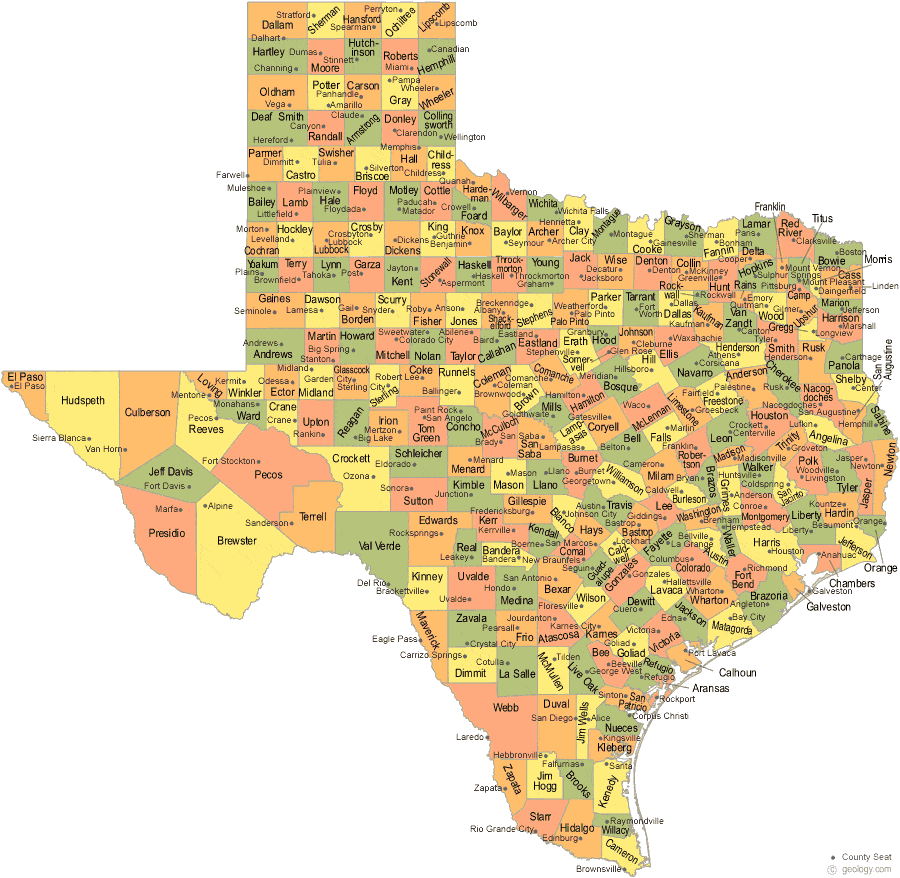
Understanding the sheer number of counties in Texas is a gateway to appreciating the state’s diverse offerings, whether you’re planning a grand tour of its iconic landmarks, seeking out charming local eateries, or looking for the perfect accommodation for a family adventure. Each county, from the bustling metropolises to the quiet, rolling plains, contributes to the vibrant mosaic that is Texas.
The Structure and Significance of Texas Counties
The 254 counties of Texas are not merely arbitrary lines on a map; they are fundamental units of state government, operating under the umbrella of Texas law. Each county is empowered to provide essential services, including maintaining roads and bridges, operating courthill courthouses, and managing elections. The county judge presides over the Commissioners Court, a body composed of the judge and four county commissioners, which serves as the primary administrative and legislative body for the county. This system ensures that local needs are addressed with a degree of autonomy, while still adhering to the broader framework of Texas governance.
The existence of 254 counties also speaks to the historical development of Texas. As the state grew and was settled, new counties were formed to accommodate the expanding population and to bring governance closer to the people. This process often reflects the patterns of Texas history, from the days of Spanish and Mexican rule to the Republic of Texas and its eventual statehood within the United States. The naming of counties often pays homage to historical figures, significant events, or geographical features, providing a narrative thread that connects the present to the past.
Exploring the Diversity Within Texas’s County Lines
The immense number of counties in Texas directly translates to an extraordinary level of diversity in terms of landscape, culture, and experiences. From the piney woods of East Texas to the arid beauty of West Texas, each county offers a unique slice of the Texan life.
For the avid traveler, this means an almost endless array of destinations. Consider the sprawling ranches of the counties in the Hill Country, where rolling hills are dotted with live oaks and the air is filled with the scent of wildflowers. Here, you might find charming bed and breakfasts or luxurious resorts offering a tranquil escape. Then there are the coastal counties, where the Gulf of Mexico provides opportunities for beachcombing, fishing, and enjoying fresh seafood. Towns like Galveston offer a rich historical tapestry, with Victorian architecture and a vibrant arts scene.
Venture further west, and you’ll encounter the dramatic desert landscapes of counties bordering New Mexico. This region is home to striking natural wonders like Big Bend National Park, a testament to the raw, untamed beauty of Texas. For those interested in history and culture, counties in Central Texas boast a wealth of historical sites, from San Antonio’s missions to the vibrant music scene in Austin. Each county, in its own way, contributes to the distinct identity of Texas, offering travelers and residents alike a chance to delve into its multifaceted character.

The tourism sector in Texas thrives on this very diversity. Local culture is deeply intertwined with the geography and history of each county. In South Texas, you’ll find a strong influence of Tejano culture, evident in the food, music, and traditions. Explore a county known for its barbecue, and you’ll discover regional variations that are fiercely debated and celebrated. The sheer number of counties means that there’s always a new culinary experience waiting to be discovered, a new local festival to attend, or a hidden gem of natural beauty to explore.
Practical Implications for Travelers and Residents
The 254 counties of Texas have practical implications for everyone, whether you’re a lifelong resident or a first-time visitor. For those planning a trip, understanding the county structure can help in navigating the state and identifying specific areas of interest. For instance, if you’re looking for world-class golf courses and upscale resorts, you might focus your search on counties known for their luxury tourism. If budget travel is your priority, exploring counties with numerous state parks and campgrounds might be more appealing.
Navigating Accommodation and Activities Across the Lone Star State
When it comes to accommodation, the vastness of Texas, underscored by its 254 counties, offers an unparalleled range of choices. From boutique hotels in charming small towns to sprawling resorts in major cities, the options are as varied as the counties themselves. Many counties are home to unique attractions that cater to specific interests. For example, counties in East Texas are renowned for their fishing and hunting opportunities, while counties in North Texas might boast impressive art museums and performance venues.
Planning a family trip often involves considering the amenities and activities available within a particular county. Are there kid-friendly attractions, educational museums, or ample outdoor spaces for recreation? These are questions that can be answered by delving into the specific offerings of individual counties. The lifestyle of Texas can be experienced in myriad ways, from the fast-paced urban energy of counties containing cities like Dallas and Houston to the more laid-back rhythms of rural counties.
The 254 counties also represent a rich source of landmarks. These can range from iconic historical sites like the Alamo in Bexar County to stunning natural formations found in counties across the state. Architecture enthusiasts will find a wealth of examples, from the grand state capitol building in Travis County to the historic courthouses found in many county seats. Each county has its own story to tell, and its landmarks are often the most tangible expressions of that narrative.
For those seeking long-term stays or even considering relocation, understanding the distinct characteristics of different counties is paramount. Some counties are industrial hubs, offering abundant job opportunities, while others are agricultural powerhouses. The quality of life, cost of living, and community atmosphere can vary significantly from one county to another. This is where detailed guides and reviews become invaluable, helping individuals make informed decisions about where to establish roots or plan extended visits.
The sheer number of counties also means that Texas is a state that rewards exploration. Renting a car and embarking on a road trip, county by county, is an excellent way to uncover its hidden treasures. You might stumble upon a local festival celebrating regional cuisine, discover a small-town museum dedicated to a niche historical subject, or find a breathtaking vista that was not listed in any guidebook. The experiences to be had are as boundless as the Texan sky.
In essence, the 254 counties of Texas are more than just administrative divisions; they are the building blocks of the Texan identity and the keys to unlocking the state’s immense potential for travel, tourism, and lifestyle exploration. Each county offers a unique narrative, a distinct set of attractions, and a welcoming spirit that beckons you to discover its charms. Whether you’re drawn by the allure of its natural beauty, its rich history, or its vibrant culture, Texas invites you to explore its 254 distinct chapters, each waiting to be written into your own adventure.
LifeOutOfTheBox is a participant in the Amazon Services LLC Associates Program, an affiliate advertising program designed to provide a means for sites to earn advertising fees by advertising and linking to Amazon.com. Amazon, the Amazon logo, AmazonSupply, and the AmazonSupply logo are trademarks of Amazon.com, Inc. or its affiliates. As an Amazon Associate we earn affiliate commissions from qualifying purchases.