
Embarking on a journey between two of America’s most iconic metropolises, Washington D.C. and New York City, offers a fascinating contrast of history, power, culture, and urban dynamism. While one is the stately capital of the United States, brimming with monumental grandeur and political gravitas, the other is a vibrant, ceaseless hub of global commerce, arts, and entertainment. Many travelers often ponder the practicalities of traversing this relatively short yet significant stretch of the Northeast Corridor. Beyond the mere distance, understanding the various travel options, the unique experiences each city offers, and how to seamlessly plan your itinerary is key to an unforgettable adventure.
This comprehensive guide will not only answer the fundamental question of “How far is Washington D.C. from New York City?” but also delve into the nuances of travel, tourism, accommodation, and lifestyle considerations for making the most of your dual-city exploration. Whether you’re a history buff, a culture connoisseur, a culinary adventurer, or simply seeking an urban escape, these two cities promise a rich tapestry of experiences.
The Journey Between Two Iconic Cities: Distance and Travel Options
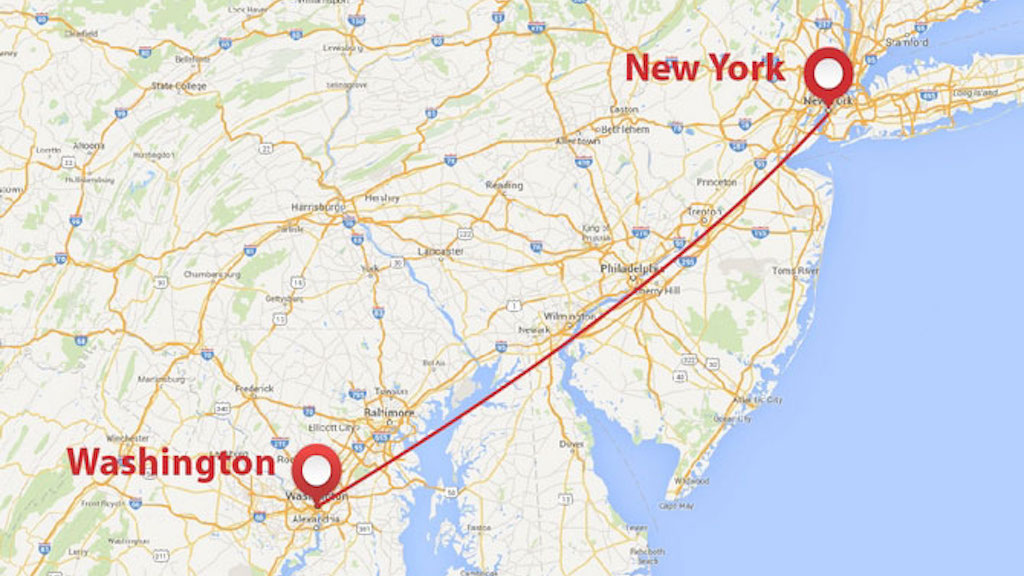
The distance between Washington D.C. and New York City is a frequently asked question, and the answer depends slightly on your exact starting and ending points within each sprawling urban area. However, generally speaking, it’s a manageable distance that allows for various convenient modes of transport.
Unpacking the Distance: Miles, Kilometers, and Travel Time
On average, the driving distance between downtown Washington D.C. and New York City is approximately 225 to 235 miles (360 to 378 kilometers). This isn’t a vast expanse, but the travel time can vary significantly based on your chosen method and the notorious East Coast traffic.
- By Car: A direct drive without significant stops or heavy traffic typically takes 3.5 to 4.5 hours. However, anyone familiar with the Northeast Corridor knows that traffic, especially around major cities like Baltimore, Philadelphia, and entering New York City itself, can easily extend this to 5-6 hours or more. Factoring in gas stops, potential detours, and tolls, it’s wise to budget at least half a day for this journey if driving.
- By Train: One of the most popular and often efficient ways to travel between the two cities is by train. Amtrak operates frequent services along the Northeast Corridor. The high-speed Acela Express can complete the journey in approximately 2.5 to 3 hours, offering a comfortable and productive travel experience with Wi-Fi and power outlets. The slower Northeast Regional service takes around 3.5 to 4 hours. Both services provide the convenience of arriving directly into city centers, avoiding airport transfers and parking woes.
- By Bus: Bus services offer the most budget-friendly option. Companies like Greyhound and Megabus provide multiple daily departures. The journey typically takes anywhere from 4 to 5.5 hours, depending on traffic and the number of stops. While slower, it’s a practical choice for cost-conscious travelers who prioritize savings.
- By Air: Though the flight itself is very short (around 1 hour), the total travel time often negates any speed advantage over the train. When you factor in traveling to and from airports, security checks, boarding, and potential delays, the door-to-door time can easily stretch to 3.5 to 5 hours. Major airports serving Washington D.C. include Ronald Reagan Washington National Airport (DCA), Washington Dulles International Airport (IAD), and Baltimore-Washington International Thurgood Marshall Airport (BWI). For New York City, you have John F. Kennedy International Airport (JFK), LaGuardia Airport (LGA), and Newark Liberty International Airport (EWR).
Navigating the Northeast Corridor: Planes, Trains, and Automobiles
Choosing your mode of transport involves weighing cost, convenience, comfort, and time.
- Train Travel: For many, Amtrak is the optimal choice. It provides a comfortable, scenic journey directly connecting Union Station in Washington D.C. with Moynihan Train Hall at Penn Station or Grand Central Terminal in New York City. You can relax, work, or enjoy the views without the stress of driving or airport procedures. Business class on the Acela Express offers even more space and amenities, making it a viable option for business travelers or those seeking a touch of luxury.
- Driving: While offering flexibility for spontaneous stops, driving between these cities requires careful planning. The primary route is Interstate 95 (I-95), which can be heavily congested. Consider using navigation apps that provide real-time traffic updates. Renting a car allows for side trips to charming towns or historical sites along the way, transforming a simple commute into a road trip experience. Remember to factor in parking costs, which can be exorbitant in both cities.
- Bus Services: Ideal for budget-conscious travelers, buses offer a no-frills but reliable service. Many buses offer Wi-Fi and power outlets, allowing you to stay connected or entertained. Pick-up and drop-off points are typically convenient, though not always as central as train stations. Booking in advance can yield significant savings, especially during off-peak times.
- Flying: For those who prefer air travel, flights are plentiful. However, the time spent getting to and from the airports, navigating security, and waiting for baggage often makes the overall journey longer than the train, especially when considering city center to city center travel. Flights might be a better option if you’re connecting from a longer journey or have specific airline loyalty.
Exploring the Charms of Washington D.C.: History, Culture, and Grandeur
Washington D.C. is a city built on history and power, offering an unparalleled array of national treasures, world-class museums, and solemn memorials. It’s a destination that educates and inspires, perfect for family trips, educational tours, or anyone with an interest in American governance and heritage.
Iconic Landmarks and Must-See Attractions
The heart of Washington D.C.’s appeal lies in its iconic landmarks, many of which are clustered around the magnificent National Mall. This sprawling green space connects the U.S. Capitol at one end to the Lincoln Memorial at the other, with the towering Washington Monument standing sentinel in between.
- Government Buildings: Take a tour of the U.S. Capitol building, visit the exterior of the White House, or explore the Supreme Court and Library of Congress. These sites offer a glimpse into the democratic process and the nation’s legislative history.
- Memorials: Beyond the Lincoln Memorial, don’t miss the poignant World War II Memorial, the contemplative Jefferson Memorial, and the moving Martin Luther King, Jr. Memorial. Each provides a unique perspective on pivotal moments and figures in American history.
- Smithsonian Museums: A true gem of Washington D.C. is the collection of Smithsonian Institution museums, most of which offer free admission. Highlights include the National Air and Space Museum, the National Museum of Natural History, the National Museum of American History, the National Gallery of Art, and the powerful National Museum of African American History and Culture. For a different kind of thrill, the International Spy Museum offers interactive exhibits on espionage.
Culinary Delights and Cultural Immersions
Washington D.C. offers more than just monuments; its diverse neighborhoods boast thriving culinary scenes and unique cultural experiences.
- Georgetown: Historic and charming, Georgetown is renowned for its cobblestone streets, high-end boutiques, and upscale dining. It’s a fantastic place for a leisurely stroll, boutique shopping, and enjoying a gourmet meal.
- Dupont Circle: A lively neighborhood known for its vibrant LGBTQ+ scene, art galleries, bookstores, and diverse restaurants. The iconic fountain serves as a central meeting point, and the area is perfect for people-watching and enjoying a sophisticated evening.
- The Wharf: A relatively new development, The Wharf has transformed D.C.’s waterfront into a bustling hub of seafood restaurants, live music venues, trendy bars, and waterfront activities. It’s a fantastic spot for fresh oysters and lively entertainment.
- Beyond the Plate: Explore the vibrant Adams Morgan neighborhood for international cuisine and nightlife, or visit the historic U Street Corridor for its rich African American heritage and legendary jazz clubs. Food tours are an excellent way to sample the local flavors and learn about the city’s culinary evolution.
Where to Stay: Accommodation Options in the Nation’s Capital
Washington D.C. caters to a wide range of accommodation preferences, from luxurious historic hotels to budget-friendly stays and boutique apartments.
- Luxury Hotels: For an opulent experience, consider the iconic The Hay-Adams with its unparalleled views of the White House, the historic Willard InterContinental Washington D.C. offering classic grandeur, or The Ritz-Carlton for its impeccable service. These establishments often feature lavish suites, fine dining restaurants, and state-of-the-art amenities, perfect for luxury travel.
- Boutique Stays: Georgetown offers charming boutique hotels like The Graham Georgetown, providing a more intimate and personalized experience. These hotels often blend historical charm with modern comforts.
- Mid-Range and Budget-Friendly: Numerous chain hotels and more affordable options are available, especially near the National Mall or metro stations. Hotels like Pod DC offer compact yet stylish rooms for budget-conscious travelers. Look for hotels in areas like Dupont Circle, Downtown, or NoMa for good access to attractions and public transport.
- Apartments and Long-Term Stays: For longer visits or family trips, vacation rentals and serviced apartments offer more space and kitchen facilities, providing a home-away-from-home feel. Websites for booking accommodation allow you to compare prices and amenities to find the best fit for your travel style.
The Allure of New York City: A Metropolis of Endless Possibilities
From the historical gravitas of Washington D.C., we pivot to the electrifying energy of New York City, a global epicenter of finance, fashion, art, and entertainment. Known as “the city that never sleeps,” New York City offers an inexhaustible list of experiences, appealing to every kind of traveler, from budget backpackers to luxury seekers.
World-Renowned Attractions and Urban Exploration
New York City’s landmarks are instantly recognizable worldwide, each offering a unique slice of the city’s vibrant character.
- Iconic Landmarks: Start with the quintessential experience of visiting the Statue of Liberty and Ellis Island, symbols of freedom and immigration. Ascend to the top of the Empire State Building or Top of the Rock for breathtaking panoramic views of the skyline. Stroll through the urban oasis of Central Park, a sprawling green space offering endless activities, from rowing to Shakespeare in the Park.
- Entertainment Hubs: Immerse yourself in the dazzling lights and energy of Times Square, and catch a world-class show on Broadway. From classic musicals to cutting-edge plays, Broadway offers an unforgettable theatrical experience.
- Cultural Institutions: Explore the vast collections of the Metropolitan Museum of Art (The Met), marvel at modern masterpieces at the Museum of Modern Art (MoMA), or reflect at the poignant 9/11 Memorial & Museum.
- Neighborhood Exploration: Wander across the iconic Brooklyn Bridge for stunning city views, explore the trendy shops and art galleries of SoHo and Greenwich Village, or take a leisurely walk along The High Line, an elevated park built on historic railway lines. Each neighborhood boasts its own distinct personality, from the bohemian charm of the Village to the artistic flair of Chelsea.
From Fine Dining to Food Trucks: New York’s Gastronomic Scene
New York City is a culinary melting pot, offering an unparalleled gastronomic landscape that reflects its diverse population.
- Michelin-Starred Experiences: For luxury travelers, New York City is home to some of the world’s most exclusive and innovative fine dining restaurants. Indulge in exquisite cuisine from renowned chefs offering multi-course tasting menus.
- Diverse Cuisines: From authentic Italian in Little Italy to vibrant Chinese in Chinatown, and tantalizing Indian in Curry Hill, the city’s ethnic enclaves offer an authentic taste of cultures from around the globe. Hell’s Kitchen is particularly known for its concentration of international restaurants.
- Casual Eats: Don’t miss out on classic New York street food – grab a slice of authentic New York-style pizza, a hot dog from a street cart, or a bagel with cream cheese. Food halls like Chelsea Market offer a curated selection of gourmet vendors and local delicacies.
- Brunch Culture: New York City takes its brunch seriously. Many restaurants offer elaborate brunch menus, perfect for a leisurely weekend meal with friends or family.
Finding Your Perfect NYC Abode: Accommodation for Every Style
New York City’s accommodation scene is as diverse as its population, with options to suit every budget and lifestyle.
- Luxury Resorts and Hotels: For those seeking the ultimate in luxury travel, hotels like The Plaza Hotel overlooking Central Park, the sophisticated St. Regis New York, or The Peninsula New York offer unparalleled service, exquisite suites, and world-class amenities including spas, rooftop bars, and concierge services. Many of these hotels are landmarks in themselves.
- Boutique Hotels: SoHo, Greenwich Village, and Tribeca are home to a plethora of stylish boutique hotels that offer unique designs, personalized service, and a more intimate atmosphere, perfect for a distinct travel experience.
- Mid-Range and Value Options: While New York City is known for being expensive, there are many mid-range hotels that offer comfort and convenience without breaking the bank. Chains like YOTEL New York Times Square or citizenM New York Times Square provide modern, compact rooms and excellent locations. Consider hotels in neighborhoods slightly outside the immediate tourist hotspots for better value.
- Apartments and Vacation Rentals: For longer stays, family trips, or groups, renting an apartment can be a cost-effective and authentic way to experience the city. Platforms for booking accommodation allow you to find options ranging from cozy studios to spacious lofts across various neighborhoods.
Crafting Your Ideal Itinerary: Tips for an Unforgettable Trip
Planning a trip that seamlessly blends the historical gravitas of Washington D.C. with the vibrant energy of New York City requires thoughtful consideration of timing, budget, and personal interests.
Best Time to Visit and Travel Planning Essentials
The ideal time to visit both cities largely depends on your preferences for weather and crowd levels.
- Spring (April-May): Generally considered the best time to visit Washington D.C., especially for the blooming cherry blossoms around the Tidal Basin, which is a truly spectacular sight. Temperatures are pleasant for walking, and crowds are manageable before the peak summer season. New York City also enjoys pleasant weather during this time, with parks coming alive.
- Fall (September-October): Another excellent period, offering comfortable temperatures, beautiful fall foliage, and fewer crowds than summer. It’s a fantastic time for sightseeing and enjoying outdoor activities in both cities.
- Summer (June-August): While popular, summer can be hot and humid, especially in Washington D.C.. Both cities experience high tourist volumes, leading to larger crowds and higher prices for accommodation and flights. However, summer brings outdoor concerts, festivals, and extended daylight hours.
- Winter (November-March): Offers the lowest prices and fewest crowds (excluding the holiday season in New York City). Expect cold temperatures and potential for snow. New York City during the holidays (late November to December) is magical but incredibly busy and expensive. Washington D.C. is quieter, offering an opportunity for indoor museum exploration.
Essential Tips:
- Book in Advance: Especially for Amtrak tickets, popular hotel rooms, and Broadway shows, booking ahead can secure better prices and availability.
- Consider City Passes: Both cities offer various tourist passes (e.g., CityPASS, Go City) that can provide significant savings on attractions if you plan to visit many sites.
- Utilize Public Transport: Both cities have excellent public transportation systems (Metro in D.C., subway in NYC). Investing in a multi-day pass or using contactless payment systems is highly recommended for efficient travel within each city.
- Pack Smart: Comfortable walking shoes are a must. Dress in layers, especially during spring and fall, as temperatures can fluctuate throughout the day. Check the weather forecast close to your departure date.
Lifestyle Considerations: Budget vs. Luxury and Family Travel
Tailoring your trip to your lifestyle ensures a more satisfying experience.
- Luxury Travel: If you’re planning a luxury escape, consider upgrading your travel class on Amtrak, opting for five-star hotels with concierge services, enjoying private tours, and indulging in fine dining experiences in both cities. Consider a helicopter tour over New York City for an unparalleled view or a private guide for the Smithsonian museums in D.C.
- Budget Travel: For budget-conscious travelers, bus services are the most economical option between cities. In New York City, hostels, micro-hotels, and hotels slightly outside of Midtown can offer better value. In Washington D.C., utilize the free Smithsonian museums and enjoy picnics on the National Mall. Both cities offer a plethora of affordable and delicious food options, from food trucks to ethnic eateries.
- Family Trips: Both cities are fantastic for families. In D.C., the interactive exhibits at the National Air and Space Museum or the National Museum of Natural History are huge hits. In NYC, Central Park offers playgrounds and kid-friendly activities, while a visit to the American Museum of Natural History or a Broadway matinee can create lasting memories. When traveling with children, consider hotels with family suites or apartments for more space and convenience.
In conclusion, the journey between Washington D.C. and New York City is not just about the miles but about the transition between two profoundly different yet equally captivating American experiences. Whether you choose the efficiency of the Acela Express or the adventure of a road trip, both cities promise a rich tapestry of sights, sounds, and flavors waiting to be discovered. By planning thoughtfully and embracing the unique character of each destination, your combined trip will be nothing short of extraordinary.
LifeOutOfTheBox is a participant in the Amazon Services LLC Associates Program, an affiliate advertising program designed to provide a means for sites to earn advertising fees by advertising and linking to Amazon.com. Amazon, the Amazon logo, AmazonSupply, and the AmazonSupply logo are trademarks of Amazon.com, Inc. or its affiliates. As an Amazon Associate we earn affiliate commissions from qualifying purchases.