
The United States presidential election hinges on a complex system: the Electoral College. Unlike a direct popular vote, where the candidate with the most individual votes wins, the Electoral College assigns a specific number of electoral votes to each state based on its representation in Congress. This system has been a cornerstone of American democracy since its inception, shaping the outcome of presidential contests and influencing campaign strategies. For states like Texas, a vast and populous entity, understanding its electoral vote count is crucial to grasping its influence on national elections.
The number of electoral votes a state receives is determined by the sum of its senators and representatives in the U.S. Congress. Each state is allocated two senators, regardless of population. The number of representatives is based on the state’s population as determined by the U.S. Census, conducted every ten years. This apportionment ensures that more populous states have a greater voice in presidential elections. Therefore, as a state’s population grows, its number of representatives, and consequently its electoral votes, can increase. Conversely, a declining population can lead to a reduction in electoral power.
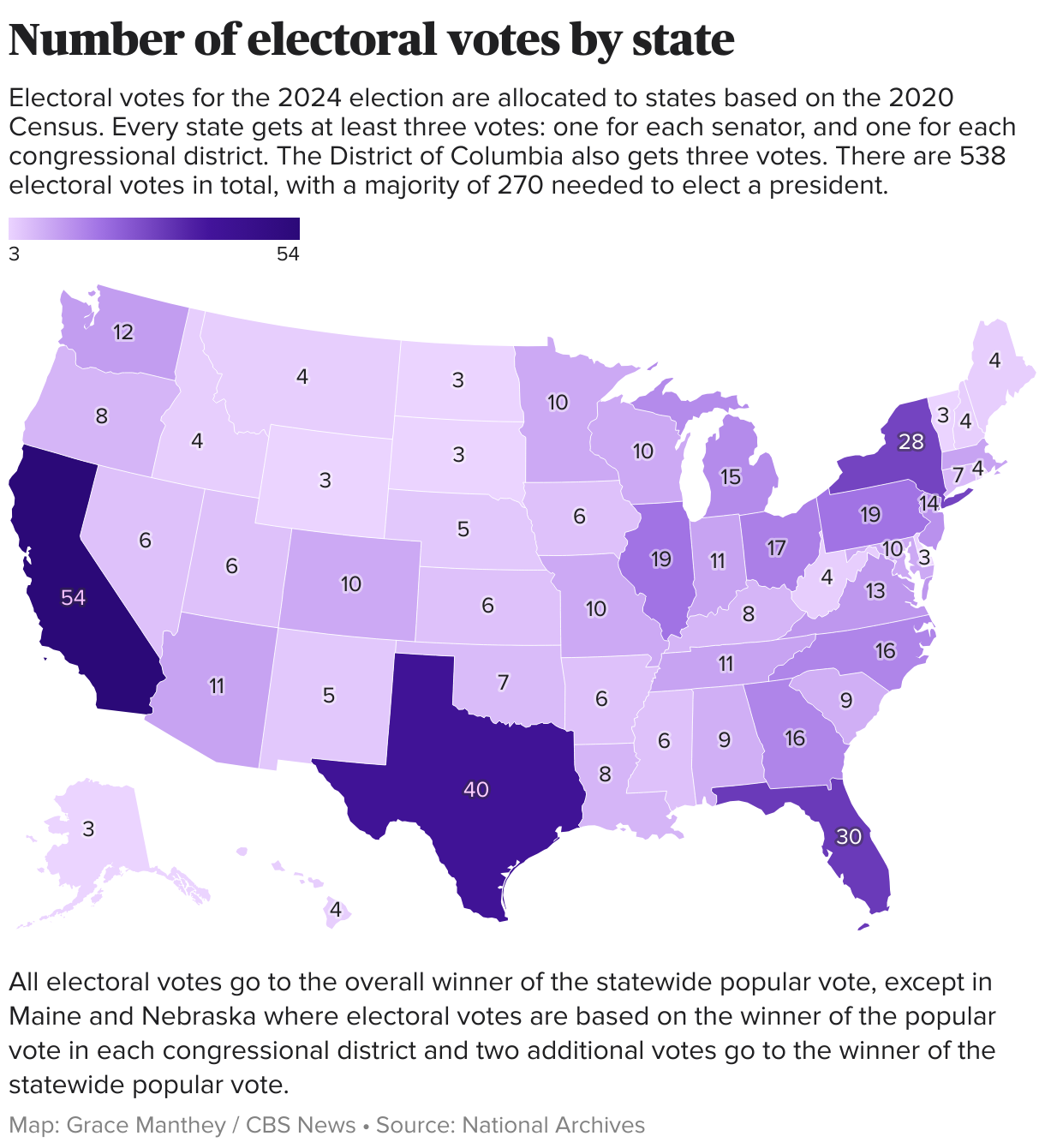
The U.S. Census Bureau plays a pivotal role in this process. Following each decennial census, the Bureau determines the population of each state and then reapportions the seats in the House of Representatives among the states. This reapportionment is a critical moment for states, as it directly impacts their electoral vote allocation for the next ten years. The total number of representatives in the House is fixed at 435, meaning that as some states gain representatives, others must lose them to maintain this balance. This dynamic can shift the electoral landscape significantly.
The Electoral College system means that a candidate can win the presidency without winning the national popular vote. This has occurred several times in U.S. history, most notably in the elections of 2000 and 2016. This outcome often sparks debate about the fairness and efficacy of the Electoral College. Proponents argue that it protects the interests of less populous states and promotes national unity by requiring candidates to build broad coalitions across different regions. Critics, however, contend that it disenfranchises voters in states where the outcome is perceived as predetermined and gives disproportionate power to a few swing states.
For Texas, a state known for its significant population and economic dynamism, its electoral vote count has a substantial bearing on national presidential elections. The sheer size of its population translates into a considerable number of electoral votes, making it a state that both major political parties vie for. Understanding how Texas arrives at its electoral vote total provides insight into its role in the broader presidential contest and the strategic considerations of candidates on the campaign trail.
The Determinants of Texas’s Electoral Vote Count
The foundation of Texas’s electoral vote count, like all other states, is its representation in the United States Congress. This representation is comprised of two components: its senators and its representatives in the House of Representatives.
Senate Representation
Every state in the United States is guaranteed two senators, serving as equal representatives of their state in the Senate. This aspect of representation is not tied to population. Therefore, Texas, despite its large population, has the same number of senators as a state with a much smaller population, such as Wyoming. This ensures that all states, regardless of size, have a foundational voice in the federal government.
House of Representatives Apportionment
The number of representatives Texas has in the House of Representatives is directly linked to its population as determined by the U.S. Census. The Census Bureau conducts a count of every person residing in the United States every ten years. Based on these figures, seats in the House are reapportioned. If a state’s population has grown significantly relative to other states, it will likely gain representatives. Conversely, if its population growth lags behind, it may lose representatives.
The Reapportionment Act of 1929 capped the total number of voting members in the House of Representatives at 435. This fixed number means that the gains in representatives for some states come at the expense of others. The process of reapportionment is therefore a zero-sum game in terms of House seats.
Calculating Texas’s Electoral Votes
The total number of electoral votes for Texas is the sum of its senators and its representatives.
Electoral Votes = Number of Senators + Number of Representatives
Since Texas has two senators, its electoral vote count will always be at least two. The remaining electoral votes are determined by its congressional delegation in the House of Representatives.
For instance, if following a census, Texas is allocated, say, 38 representatives, its total electoral votes would be 2 (senators) + 38 (representatives) = 40 electoral votes. This number fluctuates based on population shifts and the subsequent reapportionment of House seats.
The Texas Legislative Council or similar state bodies are responsible for tracking these figures and ensuring accurate representation following each census. The impact of this fluctuating number is significant, as a higher number of electoral votes means Texas wields more influence in presidential elections.

The Evolution of Texas’s Electoral Vote Count
The electoral vote count for Texas has not remained static throughout U.S. history. It has evolved in tandem with the state’s demographic shifts and the nation’s overall population growth. Understanding this evolution provides context for Texas’s growing influence in presidential politics.
Post-Civil War Growth and Representation
Following the American Civil War, Texas began a period of significant population growth, driven by westward expansion, the cattle industry, and later, oil exploration. As its population increased, Texas was granted more representatives in the House, which in turn boosted its electoral vote count. Early censuses after Texas joined the Union reflected its relatively smaller population compared to established eastern states. However, its expansionary trajectory meant a steady upward trend in its congressional delegation.
The Mid-20th Century and Beyond
The mid-20th century saw continued rapid growth in Texas, particularly with the rise of major cities like Houston, Dallas, and San Antonio. This demographic boom resulted in Texas gaining more congressional seats and thus more electoral votes after each subsequent census. The post-World War II era, in particular, was a period of substantial migration to the Sun Belt states, with Texas being a prime destination.
The 1960 Census marked a significant turning point, leading to a substantial increase in Texas’s representation. Subsequent censuses continued to affirm Texas’s status as a rapidly growing state, consistently adding to its electoral vote tally. This trend has made Texas a crucial state for presidential candidates, as winning its bloc of electoral votes can significantly bolster a candidate’s path to the presidency.
Recent Reapportionments and Their Impact
The most recent reapportionments based on the 2000, 2010, and 2020 Censuses have highlighted Texas’s continued population growth. The 2010 Census, for example, resulted in Texas gaining four new seats in the House of Representatives, increasing its electoral vote count by four. This reflected Texas’s position as the second-most populous state in the nation.
The 2020 Census results further cemented Texas’s growing influence. Texas once again gained congressional seats, underscoring its ongoing demographic expansion relative to other states. This continuous growth means that Texas’s electoral vote count is consistently among the highest in the United States, placing it firmly in the category of a major player in the Electoral College. This demographic reality translates directly into increased attention from presidential campaigns, as candidates allocate significant resources to win over Texan voters. The state’s electoral votes are often considered a vital component for securing the 270 electoral votes needed to win the presidency.
Texas’s Role in Presidential Elections
Texas’s considerable electoral vote count places it in a strategically vital position within the American presidential election system. Its size and demographic trends make it a focal point for both major political parties, shaping campaign strategies and resource allocation.
A Republican Stronghold with Shifting Dynamics
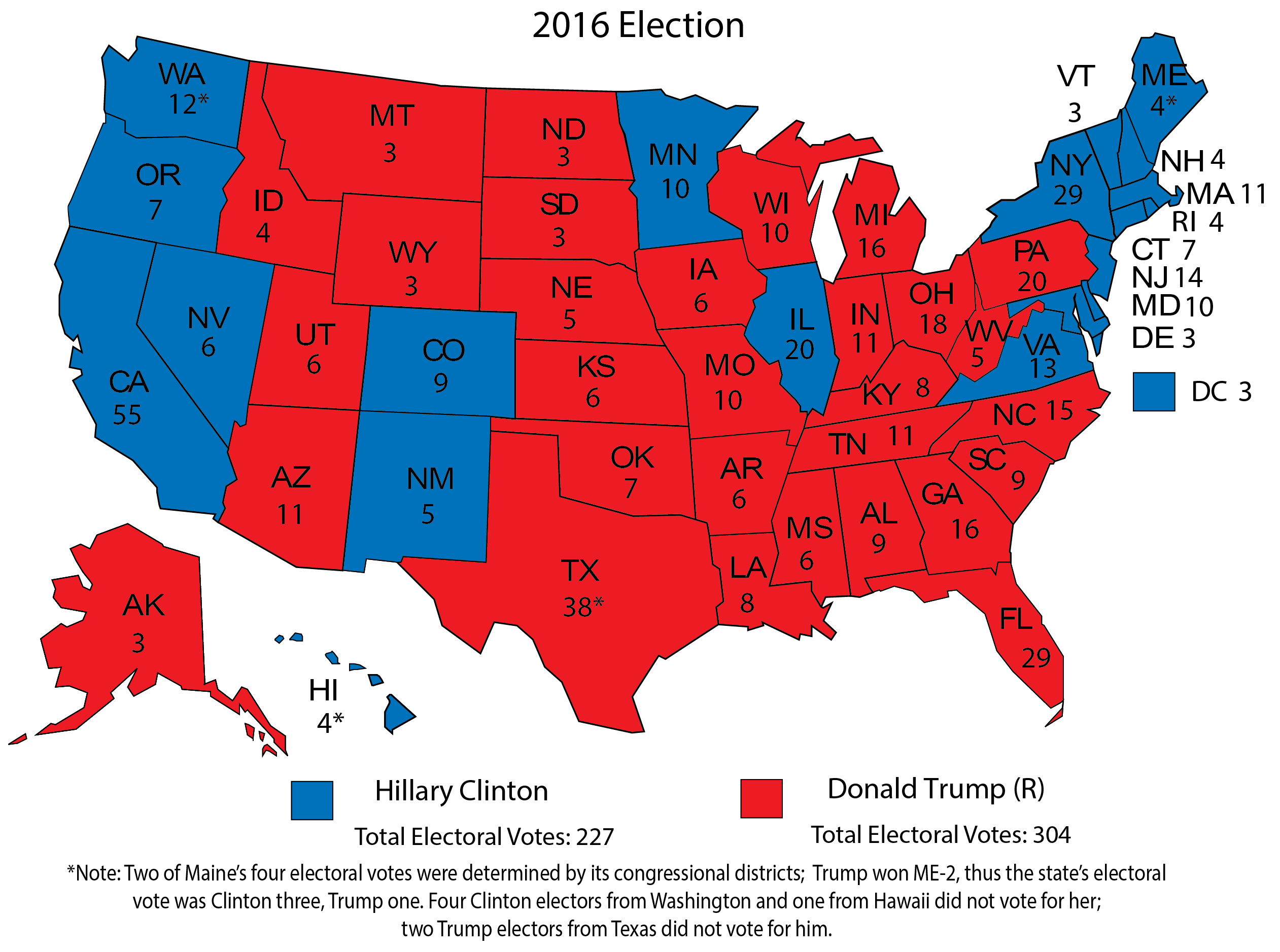
Historically, Texas has been a reliable stronghold for the Republican Party. Its political landscape has been largely dominated by conservative values, which have translated into consistent Republican victories in presidential elections for decades. The state’s electoral votes have frequently been considered a near-certain win for the Republican nominee, providing a substantial foundation of electoral votes early in the election.
However, the demographic shifts within Texas have led to increasing interest from the Democratic Party. The growing Hispanic and Asian populations in urban centers like Houston, Dallas, and Austin have begun to alter the state’s political complexion. While still largely Republican, the margins of victory have tightened in recent elections, and some analysts believe Texas could eventually become a competitive swing state. This potential shift makes Texas a target for Democrats seeking to expand their electoral map and a state that Republicans must work harder to retain.
Campaign Strategies and Resource Allocation
The sheer number of electoral votes Texas offers means that presidential campaigns must dedicate significant resources to the state. While traditionally Republicans might focus on mobilizing their base and ensuring high turnout in rural and suburban areas, Democrats increasingly invest in voter registration drives and outreach in urban and diverse communities.
Even if a state is not considered a toss-up, candidates will still make campaign stops, run advertisements, and engage in get-out-the-vote efforts to maximize their support. For Texas, this often involves visits from presidential and vice-presidential candidates, as well as significant spending on television and digital advertising. The goal is not only to win the state but to win it by a sufficiently large margin to discourage the opposition and to build momentum for future elections.
The importance of Texas’s electoral votes is amplified by the winner-take-all system employed by most states in the Electoral College. In Texas, the candidate who wins the popular vote in the state receives all of its electoral votes. This makes every vote cast in Texas crucial, as a narrow victory can secure the entire bloc of electoral votes for that candidate. This winner-take-all mechanism further intensifies the focus on Texas during presidential campaigns, transforming it from merely a populous state into a critical battleground for presidential aspirations. The potential for Texas to shift allegiances in the future makes it a subject of constant analysis and a state that will undoubtedly continue to play a pivotal role in shaping the outcome of future U.S. presidential elections.
LifeOutOfTheBox is a participant in the Amazon Services LLC Associates Program, an affiliate advertising program designed to provide a means for sites to earn advertising fees by advertising and linking to Amazon.com. Amazon, the Amazon logo, AmazonSupply, and the AmazonSupply logo are trademarks of Amazon.com, Inc. or its affiliates. As an Amazon Associate we earn affiliate commissions from qualifying purchases.