
The transatlantic journey from New York to London is one of the most iconic and frequently traveled routes in the world, connecting two of the globe’s most vibrant cultural and financial hubs. For anyone planning this significant trip, whether for business or leisure, understanding the flight duration is paramount. It influences everything from how you pack to how you manage your schedule upon arrival, especially when grappling with the inevitable time difference. While a definitive single answer is elusive due to various factors, we can provide a comprehensive guide to what you can expect when flying from the United States to the United Kingdom.
Understanding the Average Flight Duration
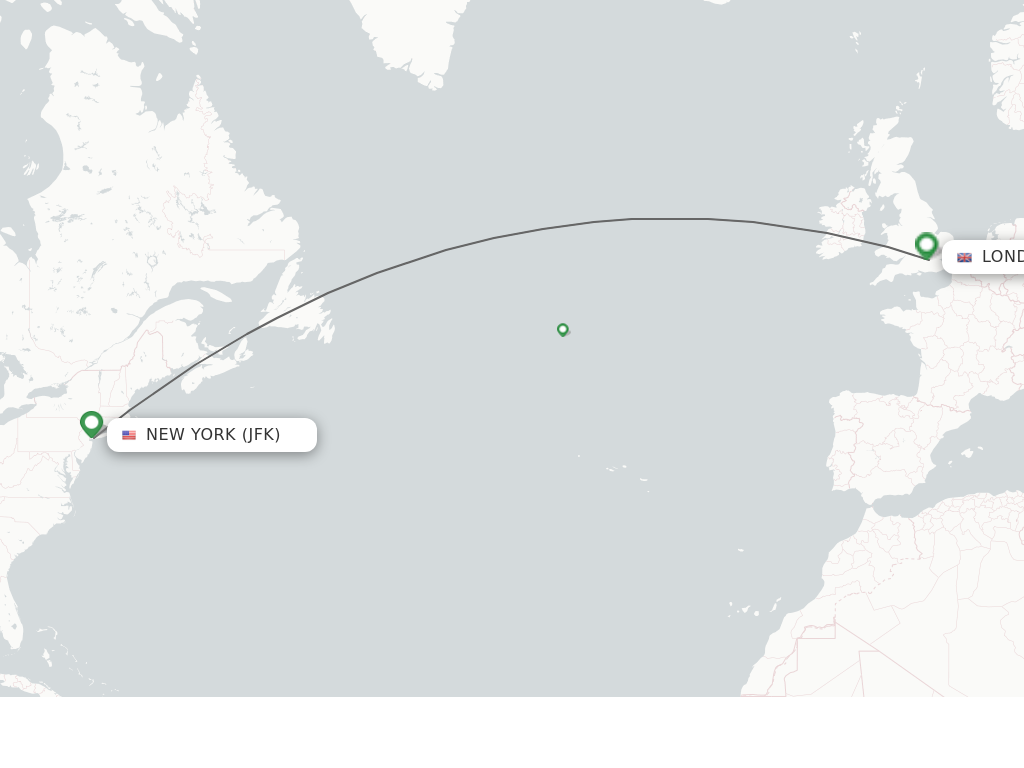
When considering the flight time from New York to London, the most common scenario is a direct, non-stop flight. These flights typically span a distance of approximately 3,450 miles (around 5,550 kilometers) and cross the vast expanse of the Atlantic Ocean. The average duration for a direct flight falls within a predictable range, but several elements can cause slight variations.
For most commercial airlines, a direct flight from New York to London will take approximately 6 hours and 30 minutes to 7 hours and 30 minutes. This is for eastbound flights, benefiting from the prevailing tailwinds. Westbound flights, from London to New York, often take a bit longer, typically ranging from 7 hours and 30 minutes to 8 hours, due to flying against the jet stream. This difference in duration is a crucial detail for travelers to note, especially when planning return journeys or considering connecting flights.
Direct Flights vs. Connecting Journeys
The vast majority of travelers undertaking the New York to London route opt for direct flights, and for good reason. They offer the quickest travel time, minimize the risk of missed connections, and simplify the overall travel experience. Airlines such as British Airways, Virgin Atlantic, Delta Air Lines, United Airlines, and American Airlines all offer frequent non-stop services, providing a wealth of choices for departure times, cabin classes, and pricing. These direct routes are ideal for business travelers with tight schedules or leisure travelers prioritizing convenience and swift arrival.
However, connecting flights are sometimes an option, particularly for those looking for potentially lower fares or traveling from a New York area airport with fewer direct international options, or even connecting from other parts of the United States via New York. A connecting flight will invariably extend your total travel time significantly. Depending on the layover duration and the connecting city, which could be another major U.S. city or even a European hub, the total journey could easily stretch to 10-15 hours or more. While offering a chance to break up the journey or save money, connecting flights introduce additional complexities and time commitments. For the quintessential New York to London experience, direct is generally the preferred and most efficient option.
Factors Influencing Flight Times
Several dynamic factors contribute to the exact duration of your flight, making each journey a unique experience:
- Jet Stream and Winds: This is arguably the most significant natural factor. The powerful jet stream, a band of strong winds flowing from west to east across the Atlantic, acts as a natural tailwind for eastbound flights. This “push” can shave 30 minutes to an hour off the flight time. Conversely, westbound flights fly against the jet stream, often adding time to the journey. Pilots and air traffic control constantly monitor these conditions, and flight plans are adjusted accordingly.
- Aircraft Type: Modern aircraft are designed for fuel efficiency and speed. Newer models like the Boeing 787 Dreamliner or the Airbus A350 are generally faster and more efficient than older planes like the Boeing 747 (though still very capable). The cruising speed of the specific aircraft used by your airline will have a direct impact on the flight duration.
- Air Traffic Control (ATC) and Route Optimization: Air traffic controllers manage hundreds of flights simultaneously, ensuring safety and efficiency. While airlines aim for the most direct route, ATC might issue diversions due to congestion, weather phenomena, or military airspace restrictions. Advanced flight planning software constantly optimizes routes to minimize flight time and fuel consumption, but unforeseen circumstances can still lead to minor adjustments.
- Airport Congestion: Take-off and landing queues at busy airports like London Heathrow Airport (LHR) or John F. Kennedy International Airport (JFK) can add minutes to the total journey. While not part of “flight time” in the air, gate-to-gate time (which is what passengers experience) includes taxiing, which can vary.
Preparing for Your Transatlantic Journey
A flight from New York to London is more than just getting from point A to point B; it’s a significant segment of your travel experience. Proper preparation can make a considerable difference in comfort and how quickly you adapt upon arrival.
Choosing Your Departure and Arrival Airports
The choice of airports on both ends of your journey can impact convenience and overall travel time. In the New York metropolitan area, travelers typically depart from:
- John F. Kennedy International Airport (JFK): The busiest international gateway, offering the most direct flights to London and generally the widest range of airlines and times. It’s well-connected to Manhattan and beyond.
- Newark Liberty International Airport (EWR): Located in New Jersey, EWR also serves as a major hub for transatlantic flights, particularly for United Airlines. It offers comparable direct flight options to JFK.
- LaGuardia Airport (LGA): Primarily serves domestic flights, so direct international options from LGA to London are not available. Travelers would need to connect elsewhere.
Upon arrival in London, you’ll likely land at one of the following:
- London Heathrow Airport (LHR): The busiest airport in the UK and a primary hub for international travel. LHR is typically the default arrival point for most direct flights from New York and offers excellent public transport links to central London via the Heathrow Express or Elizabeth Line.
- London Gatwick Airport (LGW): The second-busiest airport, LGW also handles a significant number of transatlantic flights, including some from New York. It’s located south of London and connected to the city center by the Gatwick Express.
- London Stansted Airport (STN), London Luton Airport (LTN), and London City Airport (LCY): These airports primarily cater to European and domestic flights. Direct services from New York are rare or non-existent, making LHR and LGW the main contenders for most travelers.
Considering the ease of access to your final destination in London and the overall flight schedule, JFK to LHR often offers the most straightforward and time-efficient route.
Navigating Time Zones and Jet Lag
One of the most challenging aspects of transatlantic travel is the significant time difference. New York (Eastern Time Zone) is typically five hours behind London (Greenwich Mean Time/British Summer Time). This means that a flight departing New York in the evening will arrive in London the following morning, often feeling like the middle of the night to your body.
Jet lag is a real concern and can impact your initial days in London. To mitigate its effects:
- Adjust Before You Go: Start shifting your sleep schedule a few days before departure, moving it closer to London time.
- Hydrate: Drink plenty of water before, during, and after your flight. Avoid excessive alcohol and caffeine, which can exacerbate dehydration and disrupt sleep.
- Sleep on the Plane: If flying overnight, try to get some sleep. Consider using an eye mask, earplugs, or noise-canceling headphones to create a conducive environment.
- Embrace Local Time Immediately: Upon arrival, adjust your watch to London time and try to stick to the local schedule for meals and sleep. Exposure to natural light during the day can help reset your circadian rhythm.
- Gentle Activity: Light exercise or a walk upon arrival can help invigorate you and signal to your body that it’s daytime.
Planning your first day in London with jet lag in mind is crucial. Avoid scheduling demanding meetings or activities immediately after arrival. Instead, plan for a relaxed day, perhaps exploring a local neighborhood or enjoying a traditional British meal before an early night.
Maximizing Comfort During Your Flight
A 6- to 8-hour flight, while not the longest long-haul journey, still requires preparation to ensure comfort, especially for those accustomed to shorter domestic trips. Making the most of your time in the air can significantly enhance your overall travel experience.
Essential Packing for Long-Haul Travel
What you bring in your carry-on can make all the difference. Think about creating a “comfort kit” for your journey:
- Comfortable Clothing: Opt for loose, breathable layers. Compression socks can also be beneficial for circulation on longer flights.
- Entertainment: While in-flight entertainment systems are standard, having your own loaded tablet, e-reader, or a good book provides backup and personal preference. Don’t forget your chargers and a portable power bank.
- Noise-Canceling Headphones: A game-changer for tuning out engine noise and fellow passengers, allowing for better sleep or focused entertainment.
- Travel Pillow, Eye Mask, Earplugs: These three items are essential for maximizing the chances of restful sleep, particularly on overnight flights.
- Hydration and Snacks: Although meals and drinks are provided, having your own water bottle (filled after security) and a few healthy snacks can stave off hunger and ensure consistent hydration.
- Personal Care Items: A small bag with a toothbrush, toothpaste, moisturizer, lip balm, and hand sanitizer can help you feel refreshed before landing.
Consider the lifestyle aspect of your travel. For luxury travelers, this might mean packing a designer sleep mask or premium skincare products. For budget travelers, it’s about efficient, multi-purpose items. Business travelers might prioritize reliable tech and comfortable, wrinkle-resistant attire.
Onboard Comfort and Entertainment
Airlines operating the New York to London route understand the importance of passenger comfort on transatlantic flights. Most offer a range of amenities designed to make the journey enjoyable:
- In-flight Entertainment (IFE): Modern IFE systems typically feature a wide selection of movies, TV shows, music, and games, often with personal screens in every seat.
- Wi-Fi Connectivity: Many airlines now offer onboard Wi-Fi, though it often comes at an additional cost and speeds can vary. It’s a useful option for staying connected or getting some work done.
- Meals and Beverages: Expect at least one main meal and a snack service on direct flights. Special dietary meals can usually be requested in advance.
- Cabin Choices: From economy to premium economy, business class, and first class, each offers increasing levels of space, service, and amenities.
- Economy provides standard seating and services.
- Premium Economy offers more legroom, wider seats, and enhanced service.
- Business Class features lie-flat seats, gourmet dining, and lounge access, ideal for ensuring a restful sleep before a busy day in London.
- First Class provides the ultimate in luxury, with private suites, personalized service, and exceptional dining.
Choosing your cabin depends on your budget, travel style (luxury travel vs. budget travel), and the importance of arriving feeling refreshed. For a 6-7 hour flight, the upgrade to premium economy or business class can make a significant difference in mitigating jet lag and enhancing the overall travel experience, allowing you to land ready to explore.
Arriving in London: Beyond the Flight
Once your flight touches down at London Heathrow or Gatwick, the next phase of your journey begins. A smooth transition from airport to accommodation and a thoughtful plan for your first hours can set the tone for your entire visit to the UK.
Seamless Transitions to Your Accommodation
Upon clearing customs and immigration, which can sometimes be a lengthy process, especially at busy times, your primary goal will be reaching your hotel or accommodation. London’s airports are well-equipped with various transport options:
- Heathrow Express: A fast train service directly from Heathrow to Paddington Station in central London, taking about 15-20 minutes.
- Elizabeth Line: Offers a modern, efficient, and direct route from Heathrow through central London to the east, providing wider connectivity.
- Piccadilly Line (Tube): A more budget-friendly option from Heathrow into central London, though it takes longer (around 50 minutes to an hour).
- Gatwick Express: Connects Gatwick to London Victoria Station in approximately 30 minutes.
- Taxis/Ride-Shares: Available from all airports but can be significantly more expensive and subject to traffic delays. Pre-booking a private transfer can offer peace of mind, especially if traveling with a lot of luggage or as a family.
Regarding accommodation, London offers an extensive range, from luxurious hotels like The Ritz London or the Four Seasons Hotel London at Park Lane to boutique hotels, serviced apartments, and budget-friendly hostels. It’s advisable to have your booking confirmed and transport plan sorted before you land to ensure a smooth arrival. Checking in and settling into your suite or room offers the first true moment of relaxation after your flight.
Embracing London’s Culture and Landmarks
Once you’ve settled in, London awaits with its unparalleled wealth of history, culture, and attractions. To fully immerse yourself in the tourism and local culture, consider an itinerary that balances iconic landmarks with authentic local experiences.
For first-time visitors, must-see landmarks include:
- Big Ben and the Houses of Parliament: Iconic symbols of British democracy.
- Buckingham Palace: The official residence of the monarch, famous for its Changing of the Guard ceremony.
- Tower of London: A historic castle with a dark past, home to the Crown Jewels.
- Westminster Abbey: A UNESCO World Heritage Site, famous for royal coronations and burials.
- The British Museum: Home to a vast collection of world art and artifacts.
- The Shard: Offering panoramic views of the city from its observation deck.
Beyond the famous sites, dive into London’s diverse neighborhoods, each with its unique charm. Explore the vibrant markets of Borough Market for delicious food, wander through the trendy streets of Shoreditch, or enjoy a peaceful stroll in Hyde Park. From world-class theatre in the West End to cozy pubs serving traditional British fare, London offers an endless array of activities to suit every taste and lifestyle.
In conclusion, the flight from New York to London is a manageable transatlantic journey, typically taking between 6.5 and 7.5 hours for eastbound direct flights. While the flight itself is a significant part of your travel, intelligent planning for airport transfers, jet lag management, and initial sightseeing will ensure you make the most of your time in one of the world’s most captivating cities. Safe travels!
LifeOutOfTheBox is a participant in the Amazon Services LLC Associates Program, an affiliate advertising program designed to provide a means for sites to earn advertising fees by advertising and linking to Amazon.com. Amazon, the Amazon logo, AmazonSupply, and the AmazonSupply logo are trademarks of Amazon.com, Inc. or its affiliates. As an Amazon Associate we earn affiliate commissions from qualifying purchases.