
The Lone Star State, a land of sprawling ranches, vibrant cities, and rich history, beckons travelers with its diverse landscapes and unique cultural tapestry. When planning a journey through this immense state, a common question arises: “How many towns are in Texas?” While a definitive, universally agreed-upon number can be surprisingly elusive, the sheer abundance of named places across the vast Texan terrain hints at an answer that is far greater than one might initially imagine. This exploration delves into the complexities of defining a “town” in Texas, highlights some of its most captivating destinations, and touches upon the experiences that make a trip to this remarkable state an unforgettable adventure.
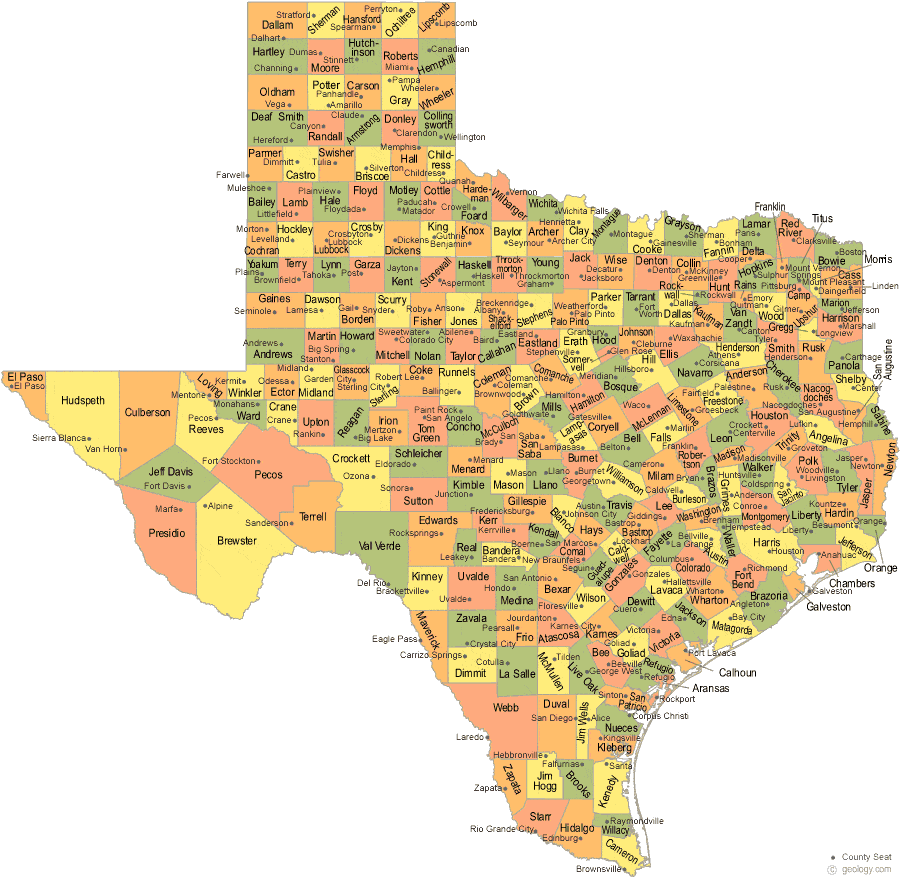
The Nuances of Counting Texas Towns
The challenge in pinpointing an exact number of towns in Texas lies in the varying definitions and classifications of human settlements. Are we counting incorporated cities, recognized villages, unincorporated communities, or even ghost towns that whisper tales of the past? Each category adds layers of complexity to the count.
Incorporated Cities and Towns
The most straightforward approach involves looking at officially incorporated municipalities. The Texas Municipal League is a good resource for understanding the structure of these entities. These are places that have established their own local government, providing services such as police, fire, and public works. As of recent counts, there are over 1,200 incorporated cities and towns in Texas. This figure alone showcases the significant number of self-governing communities scattered across the state, from bustling metropolises to quiet, close-knit communities. Each incorporated town has its own unique character, history, and attractions, contributing to the rich mosaic of Texan life.
Unincorporated Communities and Census-Designated Places
Beyond the incorporated municipalities, Texas is dotted with a multitude of unincorporated communities and Census-Designated Places (CDPs). Unincorporated communities often lack a formal municipal government and are typically governed by county authorities. CDPs, on the other hand, are statistical areas defined by the U.S. Census Bureau for the purpose of presenting data. While they may function much like towns with a distinct identity and population, they are not legally incorporated. The number of these unofficial settlements is considerably higher than that of incorporated towns, potentially adding thousands more to any tally. These communities can range from small hamlets to larger settlements that might feel every bit as much like a town to a visitor. They often preserve unique local traditions and offer a more authentic glimpse into everyday Texan life.
The Spectrum of Texan Settlements
It’s also important to consider the broader spectrum of settlements. Texas has numerous named places that might be referred to colloquially as towns but don’t fit neatly into official classifications. These can include historic settlements, former mining towns that have faded into obscurity, or even communities clustered around a particular landmark or natural feature. The spirit of Texas is deeply tied to its history, and many of these smaller, less formally recognized places hold significant cultural and historical importance. For a traveler, distinguishing between these different types of settlements might not be as important as recognizing the unique charm and experiences each offers. Whether you’re exploring a major city like Houston or Dallas, or a smaller community like Gruene, Texas offers a diverse range of places to discover.
Exploring the Diverse Landscape of Texas Towns
The sheer number of towns, however one defines them, is a testament to Texas’s vastness and its varied history of settlement and development. From the piney woods of East Texas to the rugged deserts of West Texas, and from the Gulf Coast to the Panhandle, each region boasts its own distinct collection of communities, each with its own story to tell.
East Texas Charm: Piney Woods and Southern Hospitality
In East Texas, the landscape is dominated by dense pine forests, rolling hills, and a palpable sense of Southern hospitality. Towns here often exude a slower pace of life, with a rich history tied to logging, cotton farming, and a strong sense of community.
- Nacogdoches: Often referred to as the “Oldest Town in Texas,” Nacogdoches is steeped in history, boasting a vibrant downtown square, the Old Stone Fort, and the beautiful Stephen F. Austin State University. Its historic buildings and friendly atmosphere make it a delightful stop for history buffs and those seeking a charming getaway.
- Jefferson: This picturesque riverport town on Caddo Lake is famous for its well-preserved Victorian architecture, horse-drawn carriage tours, and its reputation as a haunted destination. Exploring Jefferson feels like stepping back in time, with its antique shops, historic homes, and the mysterious allure of the bayou.
- Canton: Known for its massive First Monday Trade Days, the largest and oldest outdoor flea market in the United States, Canton transforms into a bustling hub of commerce and community every month. It’s a unique experience that draws visitors from far and wide, showcasing a different facet of Texan commerce and culture.
Central Texas: Hill Country and Cultural Hubs
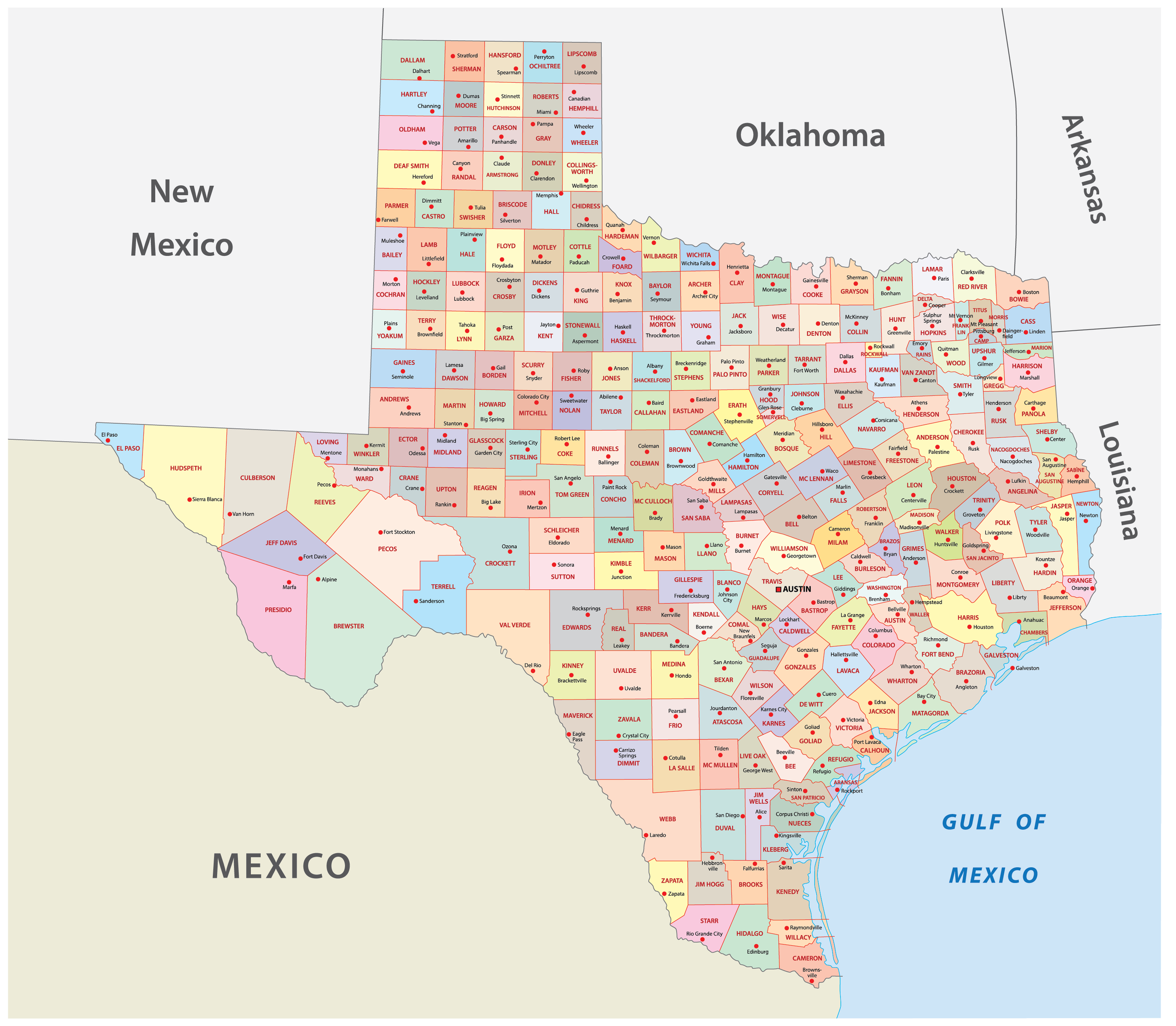
Central Texas, particularly the Texas Hill Country, is renowned for its scenic beauty, wineries, and a blend of German heritage and Texan spirit. Beyond the Hill Country, major cultural hubs offer a dynamic urban experience.
- Austin: The state capital and live music capital of the world, Austin is a vibrant metropolis known for its eclectic music scene, thriving food culture, and outdoor activities. From the iconic Texas State Capitol to the bustling South Congress Avenue, there’s always something happening in Austin.
- San Antonio: A city rich in history and culture, San Antonio is famous for its Alamo, the historic San Antonio River Walk, and its deep Spanish colonial roots. Exploring the missions, enjoying authentic Tex-Mex cuisine, and soaking in the vibrant atmosphere makes San Antonio a must-visit destination.
- Fredericksburg: Founded by German immigrants, Fredericksburg offers a unique blend of Texan and European charm. It’s a premier destination for wine tasting, with numerous wineries and tasting rooms. The town’s Main Street is lined with boutiques, art galleries, and restaurants, making it a delightful place to explore.
- Waco: Home to Magnolia Market at the Silos, Waco has become a popular destination for fans of the HGTV show “Fixer Upper.” Beyond its modern fame, Waco also boasts a rich history, including the Waco Mammoth National Monument, offering a fascinating glimpse into prehistoric life.
West Texas: Big Skies and Frontier Spirit
West Texas is a land of vast open spaces, dramatic desert landscapes, and a rugged frontier spirit. Towns here often serve as gateways to natural wonders and offer a glimpse into a more isolated, yet equally captivating, way of life.
- Marfa: This small desert town has gained international acclaim for its minimalist art scene, the enigmatic Marfa Lights, and its stylish, understated hotels. Marfa attracts artists, collectors, and curious travelers seeking a unique cultural experience in the heart of the high desert.
- El Paso: Situated on the Rio Grande border with Mexico, El Paso is a vibrant city with a rich cultural heritage influenced by both American and Mexican traditions. Visitors can explore historic missions, enjoy authentic Tex-Mex food, and take in the stunning desert vistas from Franklin Mountains State Park.
- Fort Davis: This charming town is home to Fort Davis National Historic Site, a well-preserved 19th-century cavalry post, and the McDonald Observatory, offering incredible stargazing opportunities. The surrounding Davis Mountains provide a dramatic backdrop and opportunities for hiking and exploring the unique high-desert ecosystem.
The Gulf Coast: Coastal Breezes and Maritime History
The Texas Gulf Coast offers a different kind of allure, with sandy beaches, vibrant fishing communities, and a history tied to the sea.
- Galveston: This historic island city boasts beautiful Victorian architecture, a lively entertainment district along The Strand, and miles of beaches. Galveston offers a perfect blend of relaxation and historical exploration, with attractions like the Moody Gardens and the Bishop’s Palace.
- Corpus Christi: Known for its beautiful bayfront, the Texas State Aquarium, and the USS Lexington Museum, Corpus Christi is a popular destination for families and outdoor enthusiasts. The warm climate and coastal activities make it an attractive year-round destination.
Beyond the Count: The Experiential Value of Texas Towns
While the precise number of towns in Texas may remain a subject of debate, their collective impact on the state’s identity and appeal to travelers is undeniable. Each town, regardless of its size or official designation, contributes to the rich tapestry of experiences that Texas offers. From the bustling energy of its major cities to the quiet charm of its smallest hamlets, these places are where you’ll find the heart of Texas – in its people, its culture, its history, and its unparalleled natural beauty.
Accommodation and Lifestyle in Texas
When exploring these diverse towns, travelers have a wide array of accommodation options to suit every style and budget. Whether you’re seeking a luxurious resort experience in a city like Dallas, a cozy bed and breakfast in a Hill Country town, or a budget-friendly apartment for a longer stay, Texas has it all. The lifestyle of Texas itself is a significant draw, from the glitz and glamour of luxury travel in its urban centers to the adventurous spirit of budget travel in its more remote regions.
- Hotels and Resorts: From world-class brands like the Ritz-Carlton Dallas to charming boutique hotels, the state offers a spectrum of lodging. Travelers can find suites with all the amenities, sprawling resorts with golf courses and spas, and unique properties that reflect the local character.
- Unique Stays: For those seeking something different, Texas boasts a growing number of unique accommodations, including converted historic buildings, modern apartments, and even glamping experiences. Long-term stays are also readily available, making it an ideal destination for extended exploration or business travel.
- Budget-Friendly Options: Texas is also a fantastic destination for budget travelers. Numerous affordable hotels, motels, and vacation rentals are scattered throughout the state, allowing visitors to experience its wonders without breaking the bank. Camping and RV parks are also plentiful, especially in the state’s numerous parks and natural areas.

Experiencing Texas: Tourism and Attractions
The tourism landscape in Texas is as vast and varied as the state itself. Each town offers its own unique set of attractions and activities, catering to diverse interests.
- Landmarks and History: Texas is brimming with historical landmarks, from the iconic Alamo in San Antonio to the Texas State Capitol in Austin. National and state parks, such as Big Bend National Park and Palo Duro Canyon State Park, offer breathtaking natural beauty and opportunities for outdoor adventures.
- Local Culture and Food: The culinary scene in Texas is legendary, ranging from world-famous barbecue to authentic Tex-Mex and diverse international flavors. Exploring local festivals, live music venues, and art galleries provides a deep dive into the state’s vibrant culture.
- Activities and Experiences: Whether you’re interested in exploring the vastness of Big Bend National Park, attending a rodeo, visiting a winery in the Hill Country, or enjoying the nightlife in Houston, Texas offers an endless array of experiences. The spirit of Texas is about exploration, adventure, and embracing the unique character of each place you visit.
In conclusion, while counting every single town in Texas is a near-impossible task due to the varied definitions of settlements, the true essence of the Lone Star State lies not in a number, but in the vast array of experiences waiting to be discovered within its countless communities. Each town, from the largest city to the smallest village, plays a vital role in the grand narrative of Texas, offering a unique perspective and an unforgettable journey for every traveler.
LifeOutOfTheBox is a participant in the Amazon Services LLC Associates Program, an affiliate advertising program designed to provide a means for sites to earn advertising fees by advertising and linking to Amazon.com. Amazon, the Amazon logo, AmazonSupply, and the AmazonSupply logo are trademarks of Amazon.com, Inc. or its affiliates. As an Amazon Associate we earn affiliate commissions from qualifying purchases.