
While the allure of the open road and the promise of exploring breathtaking landscapes often dominate discussions about Texas, it’s essential to understand the diverse economic tapestry that underpins this vast state. From the bustling metropolises like Houston and Dallas to the more serene stretches of the Texas Hill Country, a robust workforce fuels its growth and development. Among the many skilled trades contributing significantly to this economy is welding. For those considering a career in this demanding yet rewarding field, or perhaps for visitors curious about the livelihoods of the people who build and maintain the infrastructure they traverse, understanding welding salaries in Texas is a key piece of information. This exploration delves into the earning potential of welders across the Lone Star State, considering various factors that influence their income, from experience levels and specializations to geographical location and industry demands.
The life of a welder in Texas can be as varied as the state’s geography. Imagine a welder working on an offshore oil rig in the Gulf of Mexico, their skills crucial for maintaining these complex structures. Contrast this with a craftsman meticulously joining custom metalwork for a boutique hotel in Austin, or a technician repairing vital infrastructure in a thriving industrial park in San Antonio. Each scenario demands a unique skillset, and consequently, a different salary expectation. This article aims to paint a comprehensive picture, moving beyond simple averages to provide a nuanced understanding of how much a welder can realistically expect to earn in Texas. We’ll examine the primary drivers of salary, explore the differences in pay across various regions, and touch upon how career progression and additional certifications can impact earning potential, offering valuable insights for anyone interested in the economic realities of this vital profession within the context of Texas‘s vibrant tourism and lifestyle landscape.
Factors Influencing Welder Salaries in Texas
The earning potential of a welder in Texas is not a monolithic figure; rather, it’s a dynamic sum influenced by a confluence of interconnected factors. Understanding these elements is crucial for anyone aspiring to a career in welding or simply curious about the economic contributions of these skilled professionals to the state’s diverse industries. From the foundational elements of experience and education to the more specialized aspects of certifications and industry-specific demands, each component plays a role in shaping a welder’s paycheck.
Experience and Skill Level
Perhaps the most significant determinant of a welder’s salary is their level of experience. Entry-level welders, often those fresh out of trade school or with limited on-the-job training, will naturally command a lower starting salary. Their primary focus is on building foundational skills, mastering various welding techniques, and gaining proficiency in different equipment. As they accumulate hours, tackle more complex projects, and demonstrate a consistent ability to produce high-quality work, their value to employers increases.
A welder with 1-3 years of experience might find themselves earning somewhere in the range of $35,000 to $45,000 annually. This period is crucial for skill refinement and for building a portfolio of successful projects. Mid-level welders, typically those with 3-7 years of experience, have proven their capabilities and can often handle more challenging tasks, work with less supervision, and contribute to training newer team members. Their average salaries can climb into the $45,000 to $55,000 range.
The seasoned professionals, those with over 7-10 years of experience, are invaluable assets to any company. They possess a deep understanding of welding metallurgy, advanced techniques, problem-solving abilities, and often, leadership qualities. These experienced welders, sometimes referred to as master welders or senior welders, can expect to earn $55,000 and upwards, with some highly specialized and in-demand individuals potentially exceeding $70,000 or even $80,000 annually. This progression is not just about time served; it’s about the continuous development of expertise and the ability to consistently deliver reliable and safe welds across a spectrum of applications.
Certifications and Specializations
Beyond general experience, specific certifications and specializations can dramatically enhance a welder’s earning potential. In Texas, as in many other states, various certifying bodies, such as the American Welding Society (AWS), offer credentials that validate a welder’s proficiency in specific welding processes, materials, and positions. Holding certifications like AWS D1.1 (Structural Steel) or AWS D1.3 (Sheet Steel) can open doors to more lucrative job opportunities, particularly in industries with stringent quality control requirements.
Specialized welding fields also command higher salaries. For instance, underwater welders, who often work in demanding and hazardous environments related to offshore oil and gas platforms or shipbuilding, are among the highest-paid welders. Their unique skill set and the inherent risks associated with their work justify significantly higher compensation. Similarly, welders specializing in aerospace, pipelines, or heavy industrial fabrication, where precision and adherence to strict codes are paramount, often earn premium wages.
Pipe welding is another area that frequently offers higher pay. Welding pipes, especially for high-pressure applications in industries like oil and gas, chemical processing, or power generation, requires a high degree of skill and accuracy. Welders proficient in various pipe welding techniques, often certified in specific procedures, are in high demand and can therefore negotiate more favorable salaries. The investment in obtaining these specialized certifications and developing these niche skills often yields a substantial return on investment in terms of annual income.
Industry and Sector Demands
The industry in which a welder operates is a critical factor in determining their salary. Texas boasts a diverse economic landscape, with several key sectors employing a significant number of welders. The oil and gas industry, a cornerstone of the Texas economy, consistently offers competitive wages for welders involved in the exploration, production, and transportation of resources. This includes work on drilling rigs, refineries, and pipeline infrastructure. The sheer scale and critical nature of these operations mean that skilled welders are highly sought after and well-compensated.
The construction sector is another major employer of welders. This encompasses everything from building commercial structures and residential complexes to infrastructure projects like bridges and highways. The demand for welders in construction can fluctuate with economic cycles but remains a steady source of employment. Wages in this sector can vary based on the complexity of the projects, the specific region within Texas, and the union or non-union status of the construction sites.
Manufacturing, particularly in the automotive, aerospace, and heavy machinery sectors, also provides numerous welding opportunities. Companies producing large-scale equipment or intricate components often require specialized welding expertise. Furthermore, the growing renewable energy sector, including wind turbine manufacturing and installation, is creating new avenues for welders, often with competitive pay scales. The demand for welders in industries like shipbuilding, particularly along the Texas coast, can also be substantial.
The sheer volume of tourism and the associated infrastructure development also indirectly supports welding jobs. From the construction and maintenance of hotels and resorts in areas like San Antonio or Galveston, to the fabrication of artistic metalwork seen in public spaces in Dallas or Fort Worth, welders are integral to the state’s ability to accommodate and impress visitors. The ongoing need to maintain and expand attractions, transportation networks, and hospitality services ensures a steady demand for skilled welding professionals across numerous sectors.
Regional Salary Variations Across Texas
The economic landscape of Texas is characterized by its immense size and diversity, and this is reflected in the salary expectations for welders across different regions. While a statewide average provides a general benchmark, the reality is that where a welder works can significantly impact their earning potential. Factors such as the cost of living, the concentration of specific industries, and the local demand for skilled labor all contribute to these regional disparities.
Major Metropolitan Areas: Houston, Dallas, and San Antonio
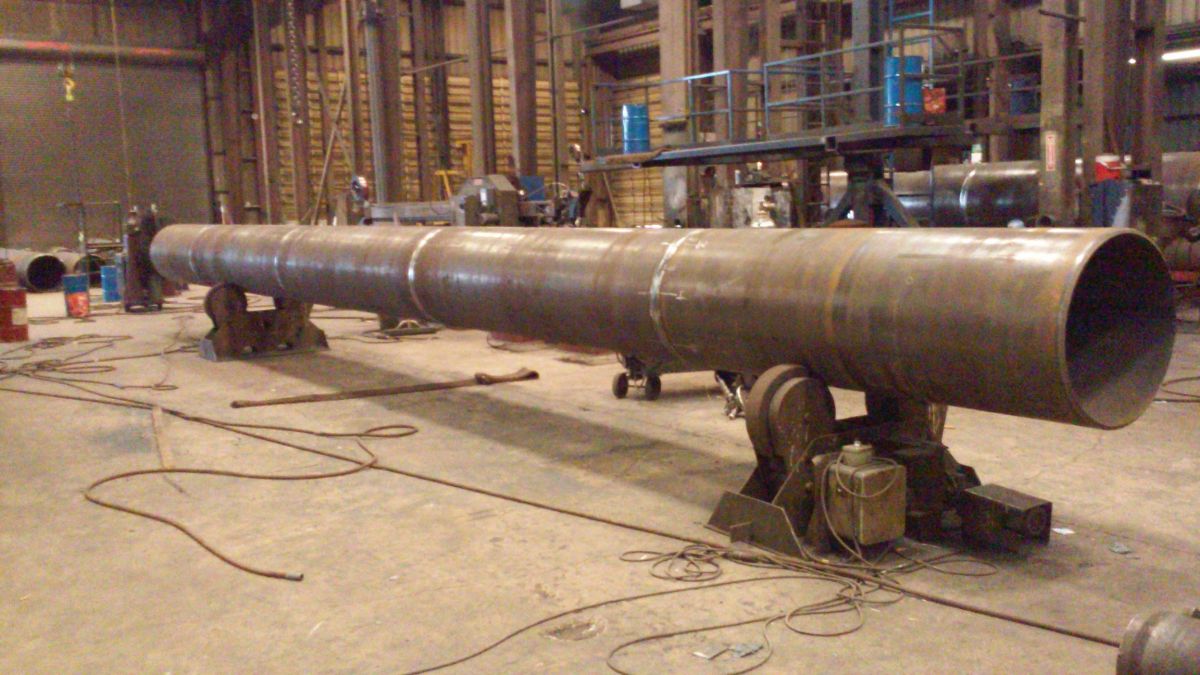
The major metropolitan areas of Texas typically offer the highest average salaries for welders, driven by a robust industrial base, significant construction activity, and a higher cost of living.
Houston, often dubbed the “Energy Capital of the World,” naturally has a strong demand for welders in the oil and gas sector, petrochemical plants, and heavy manufacturing. This demand, coupled with the city’s status as a major industrial hub, generally translates into higher wages. Welders in Houston might expect to earn, on average, $50,000 to $65,000 annually, with specialized roles and extensive experience pushing these figures higher. The presence of major shipyards and extensive port facilities also contributes to a steady need for skilled welding professionals.
Dallas-Fort Worth (DFW) metroplex is another economic powerhouse with a diverse range of industries, including manufacturing, construction, aerospace, and technology. The ongoing development and expansion of infrastructure, commercial properties, and residential areas create consistent demand. Welders in the DFW area can anticipate salaries in a similar range to Houston, often falling between $48,000 and $63,000 per year, depending on their specialization and employer. The significant presence of logistics and distribution centers also requires skilled welders for maintenance and construction.
San Antonio, while perhaps not as heavily industrialized as Houston or Dallas, still presents attractive opportunities for welders. The city has a growing manufacturing sector, significant military presence (requiring specialized welding for equipment maintenance and upgrades), and a thriving tourism and hospitality industry that necessitates ongoing construction and facility upkeep. Welders in San Antonio might see average salaries ranging from $45,000 to $58,000 annually. The historical architecture and cultural attractions of San Antonio, which draw visitors year-round, also benefit from the maintenance and restoration efforts that skilled tradespeople provide.
Industrial Centers and Coastal Regions
Beyond the major metropolises, other regions in Texas offer specialized opportunities and competitive compensation for welders.
The Texas Gulf Coast, encompassing cities like Corpus Christi and Beaumont, is a hub for petrochemical plants, refineries, and shipbuilding. The demanding nature of working in these industrial facilities, often with strict safety regulations and continuous operational needs, leads to competitive salaries. Welders in these areas might find themselves earning anywhere from $50,000 to $70,000 annually, particularly those with specialized certifications for offshore work or pipeline welding. The proximity to offshore oil and gas platforms means that opportunities for highly skilled and certified welders can be particularly lucrative.
West Texas, including the Permian Basin region around Midland and Odessa, is synonymous with oil and gas extraction. This area experiences high demand for welders involved in drilling, pipeline construction, and the maintenance of extraction equipment. Salaries in this region can be exceptionally high due to the intense demand and the often remote or challenging working conditions. While averages might hover around $55,000 to $75,000, experienced welders on specialized projects can earn significantly more.
Rural and Less Industrialized Areas
In contrast, rural or less industrialized parts of Texas might offer lower average salaries for welders. The demand for skilled tradespeople is typically lower in areas with less economic activity. However, the cost of living in these regions is also generally lower, which can partially offset the difference in earnings. Welders in these areas might find their annual income ranging from $35,000 to $50,000. Despite potentially lower wages, opportunities can still exist for those who are versatile and willing to travel for specific projects, or who cater to local needs like agricultural equipment repair or small-scale construction. The charm of exploring smaller towns and experiencing local culture in these regions can be a significant draw for some, even if the economic incentives are not as pronounced as in the major urban centers.
Career Progression and Future Outlook for Welders in Texas
The career path for a welder in Texas is far from static. It’s a journey of continuous learning, skill enhancement, and increasing responsibility, all of which can lead to substantial growth in earning potential and job satisfaction. The outlook for skilled welders in the Lone Star State remains largely positive, driven by the state’s ongoing economic development, infrastructure needs, and thriving industrial sectors.
Advancing Your Welding Career
For aspiring welders in Texas, the initial step often involves completing a reputable welding program at a vocational school or community college. Upon graduation, entry-level positions provide the essential on-the-job training and practical experience. To truly advance, however, welders should actively seek out opportunities to expand their skillset and gain industry-recognized certifications.
As mentioned previously, acquiring certifications from organizations like the American Welding Society (AWS) in various welding processes (e.g., SMAW, GMAW, GTAW) and materials (e.g., steel, aluminum, stainless steel) is paramount. Furthermore, specializing in high-demand areas such as pipeline welding, structural steel welding, pipe welding for power plants or refineries, or even exotic metals for aerospace applications can significantly boost earning potential. Many employers offer on-site training for specific equipment or techniques, which welders should readily embrace.
Beyond technical skills, welders can move into supervisory or leadership roles. With experience, a welder might become a lead welder, responsible for overseeing a team, ensuring quality control, and managing project timelines. This often involves improved communication and problem-solving skills. Further progression could lead to roles like welding inspector, quality assurance manager, or even starting their own welding business. These advanced positions typically come with significantly higher salaries and greater autonomy. The experience gained in diverse settings, from constructing a luxury resort in Austin to maintaining critical industrial infrastructure, provides a broad foundation for career advancement.

Job Outlook and Demand in Texas
The job outlook for welders in Texas is generally strong, reflecting the state’s continued growth and its status as a major industrial and energy producer. Industries such as oil and gas, construction, manufacturing, and defense are consistently in need of skilled welders. The ongoing need to maintain and upgrade existing infrastructure, from pipelines and refineries to bridges and power grids, ensures a steady demand for experienced professionals.
The renewable energy sector, including wind and solar power, is also a growing source of employment for welders. The construction of wind farms across Texas and the manufacturing of components for both wind and solar installations require specialized welding skills. Furthermore, the state’s commitment to expanding its transportation networks and developing new commercial and residential properties means that construction-related welding jobs will remain abundant.
While technological advancements, such as automation and robotic welding, are becoming more prevalent, they are not expected to replace the need for human welders entirely. Instead, they are likely to complement the work of skilled tradespeople, requiring welders with the ability to operate and maintain these advanced systems. The adaptability and problem-solving skills inherent in experienced welders will continue to be highly valued.
The diverse array of tourist attractions and the continuous development of the hospitality sector across Texas, from the historic sites of San Antonio to the modern attractions of Dallas, also indirectly contribute to the demand for welders. The construction of new hotels, convention centers, and entertainment venues, as well as the ongoing maintenance and renovation of existing ones, all rely on the expertise of welders. This continuous investment in infrastructure and services creates a sustained need for skilled labor across various economic strata.
Ultimately, the future for welders in Texas is one of opportunity. By continuously honing their skills, pursuing certifications, and staying abreast of industry trends, welders can secure a well-compensated and fulfilling career in a state that offers a dynamic and expansive economic landscape. The ability to contribute to building and maintaining the very fabric of this great state, from its iconic landmarks to its vital industries, makes welding a profession of tangible impact and significant economic reward.
LifeOutOfTheBox is a participant in the Amazon Services LLC Associates Program, an affiliate advertising program designed to provide a means for sites to earn advertising fees by advertising and linking to Amazon.com. Amazon, the Amazon logo, AmazonSupply, and the AmazonSupply logo are trademarks of Amazon.com, Inc. or its affiliates. As an Amazon Associate we earn affiliate commissions from qualifying purchases.