
Embarking on a fishing adventure in the vast and diverse landscapes of Texas is a quintessential experience for many outdoor enthusiasts. From the sprawling Gulf Coast to the tranquil rivers and reservoirs scattered across the state, Texas offers an angler’s paradise. However, before you cast your line, understanding the licensing requirements is paramount. This guide will navigate you through the intricacies of obtaining a Texas fishing license, detailing costs, types, and considerations for both residents and non-residents, all while keeping in mind the broader context of exploring the Lone Star State.

Understanding the Basics of Texas Fishing Licenses
The Texas Parks and Wildlife Department (TPWD) is the governing body responsible for regulating fishing activities and issuing licenses. Their primary goal is to ensure the sustainability of fish populations and the health of aquatic ecosystems for generations to come. A fishing license is not merely a permit; it’s a contribution to conservation efforts that support everything from habitat restoration to research and enforcement.
The cost of a Texas fishing license can vary significantly depending on your residency status, the type of fishing you intend to do, and the duration of the license. It’s crucial to select the license that best suits your needs to avoid potential fines and to ensure you are compliant with all state regulations. The TPWD offers a range of options, catering to the casual weekend angler as well as the dedicated sportfisherman.
Residency Requirements
Determining your residency status is the first step in understanding the cost of your fishing license. Generally, to qualify for resident prices, you must have lived in Texas for at least six months prior to purchasing the license. You’ll typically need to provide proof of residency, such as a Texas driver’s license or ID card. For those who are new to the state or are in the process of relocating, it’s important to be aware of these requirements. If you are a student enrolled in a Texas university, you may also qualify for resident licenses under specific conditions.
Non-Resident Considerations
For those visiting Texas from out of state, the license fees are understandably higher. However, the TPWD offers various options to make fishing accessible even for short visits. Understanding these differences will help you budget effectively for your Texas travel experience, whether you’re planning a dedicated fishing trip or incorporating angling into a broader exploration of Texas attractions.
Types of Fishing Licenses and Their Costs
The TPWD offers a tiered system of fishing licenses, each designed to meet different angler needs. Understanding these categories is key to finding the most economical and appropriate license for your planned activities.
Resident Licenses
For Texas residents, there are several popular options:
-
Resident Freshwater Fishing, All-Water Package: This is a comprehensive license that allows you to fish in both freshwater and saltwater environments within the state. It’s a popular choice for anglers who enjoy a variety of fishing experiences, from bass fishing in inland lakes to redfish and speckled trout fishing along the coast. The cost for this package is typically around $30 for an annual license. This all-water package is an excellent value, providing broad access without needing separate permits for different water types.
-
Resident Freshwater Fishing Only: If your fishing pursuits are strictly limited to Texas‘s many lakes, rivers, and streams, this license is a more budget-friendly option. It excludes saltwater fishing privileges. The cost is generally around $25 annually. This is ideal for anglers who primarily target species like largemouth bass, catfish, and crappie in inland waters.
-
Resident Saltwater Fishing Only: For those who dream of battling tarpon, snapper, and drum along the Texas Gulf Coast, this license is the appropriate choice. It grants access to saltwater fishing and excludes freshwater privileges. The annual cost is typically around $30. This license is perfect for visitors to coastal cities like Galveston or Corpus Christi who want to experience the thrill of saltwater angling.
-
Senior Licenses: Texas offers discounted licenses for residents aged 65 and older. These often provide significant savings on annual freshwater, saltwater, or all-water licenses, allowing senior anglers to continue enjoying their passion without a substantial financial burden.
-
Youth Licenses: For young anglers, there are specific youth licenses available, usually at a greatly reduced cost. These are often bundled with adult licenses or are available as standalone permits, encouraging the next generation of anglers to connect with nature and conservation.
Non-Resident Licenses
Non-residents have a wider array of options to accommodate different trip durations and fishing intentions:
-
Non-Resident Freshwater Fishing, All-Water Package: Similar to the resident version, this license allows non-residents to fish in both freshwater and saltwater across Texas. The annual cost is substantially higher than the resident equivalent, typically around $110. This is a good option for frequent visitors to Texas who engage in extensive fishing activities.
-
Non-Resident Freshwater Fishing Only: For visitors whose fishing is confined to Texas‘s abundant freshwater bodies, this license is a more economical choice. The annual cost is usually around $60. This is suitable for anglers planning to explore popular freshwater destinations like Lake Fork for bass or Sam Rayburn Reservoir.
-
Non-Resident Saltwater Fishing Only: Anglers focused on the Gulf Coast can opt for this saltwater-specific license. The annual cost is typically around $70. This is a practical choice for those planning a vacation to the Texas coast, perhaps staying at a resort in South Padre Island or visiting renowned fishing piers.
-
Short-Term Non-Resident Licenses: Recognizing that many visitors have shorter stays, the TPWD offers short-term licenses:
- 1-Day Freshwater Fishing Permit: Approximately $16.
- 1-Day Saltwater Fishing Permit: Approximately $16.
- 1-Day All-Water Fishing Permit: Approximately $21.
These short-term permits are ideal for tourists who want to enjoy a day or two of fishing without committing to an annual license. They are particularly useful for those on family trips or business stays who might have a free day to explore Texas‘s waterways.
-
16-Day Non-Resident Fishing Permit: This permit offers a cost-effective solution for visitors planning a longer stay where they intend to fish on multiple occasions. The cost is typically around $50, providing access to all waters for 16 consecutive days. This is a popular choice for extended vacations or for individuals who are part of a larger travel group exploring Texas‘s diverse attractions.
Special Stamps and Endorsements
Beyond the basic fishing license, certain activities or locations might require additional stamps or endorsements:
-
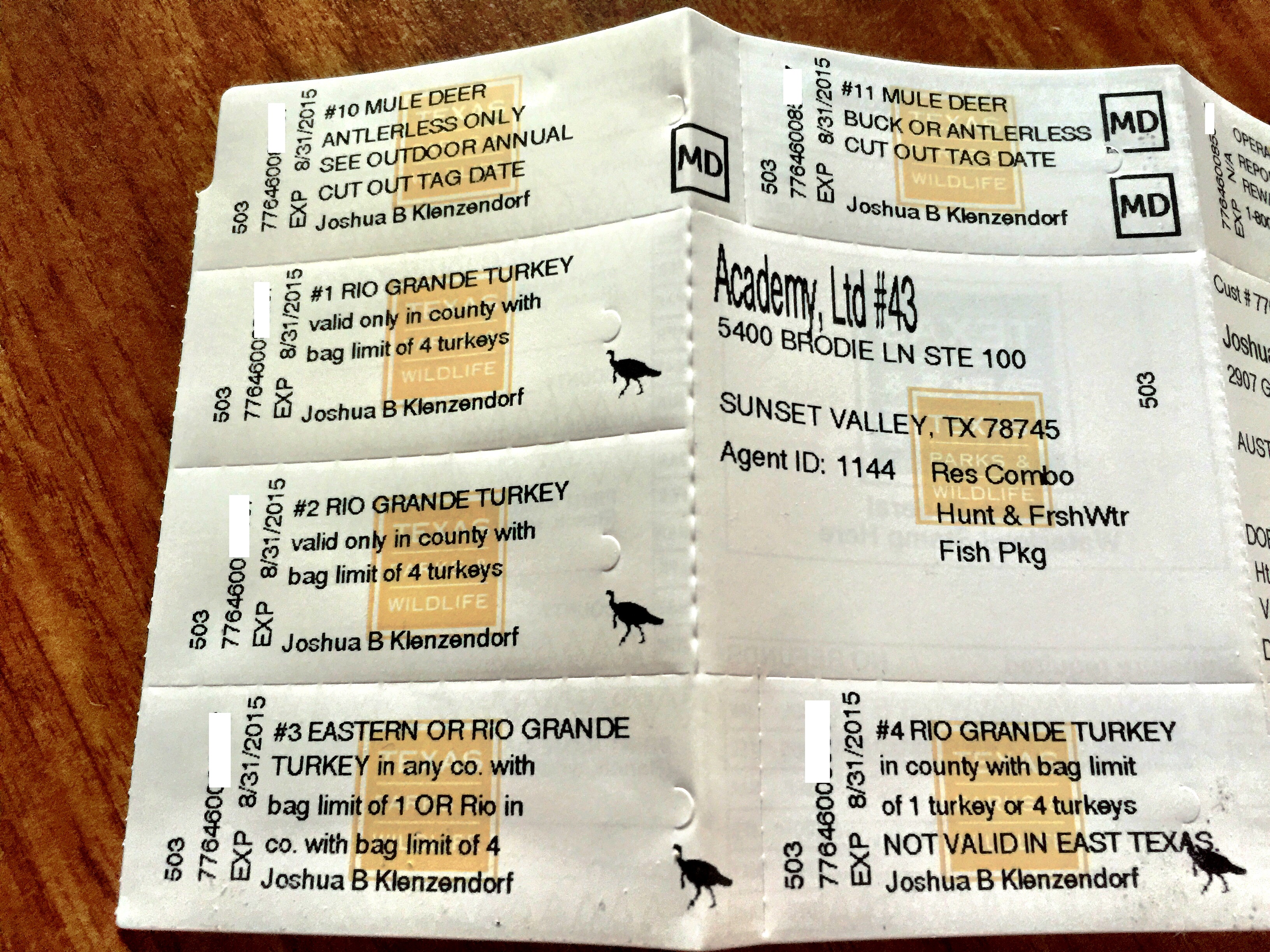
Trout Stamp: If you plan to fish for rainbow trout in designated stocked waters (often in the Texas Hill Country), you will need to purchase a Resident or Non-Resident Trout Stamp in addition to your base fishing license. The cost is typically around $10.
-
Saltwater Stamp: While the “All-Water” licenses cover saltwater fishing, if you purchase a Freshwater-Only license and decide to fish in saltwater, you would need to acquire a Saltwater Stamp to be compliant. However, purchasing an “All-Water” package is generally more cost-effective than buying separate freshwater and saltwater licenses with stamps.
-
Special Permits for Certain Species or Areas: In some specific instances, like fishing for highly regulated species or in certain protected areas, additional permits might be required. It’s always advisable to check the latest TPWD regulations for the specific area you plan to fish.
Where to Purchase Your Texas Fishing License
Acquiring your Texas fishing license is a straightforward process, with several convenient options available:
Online
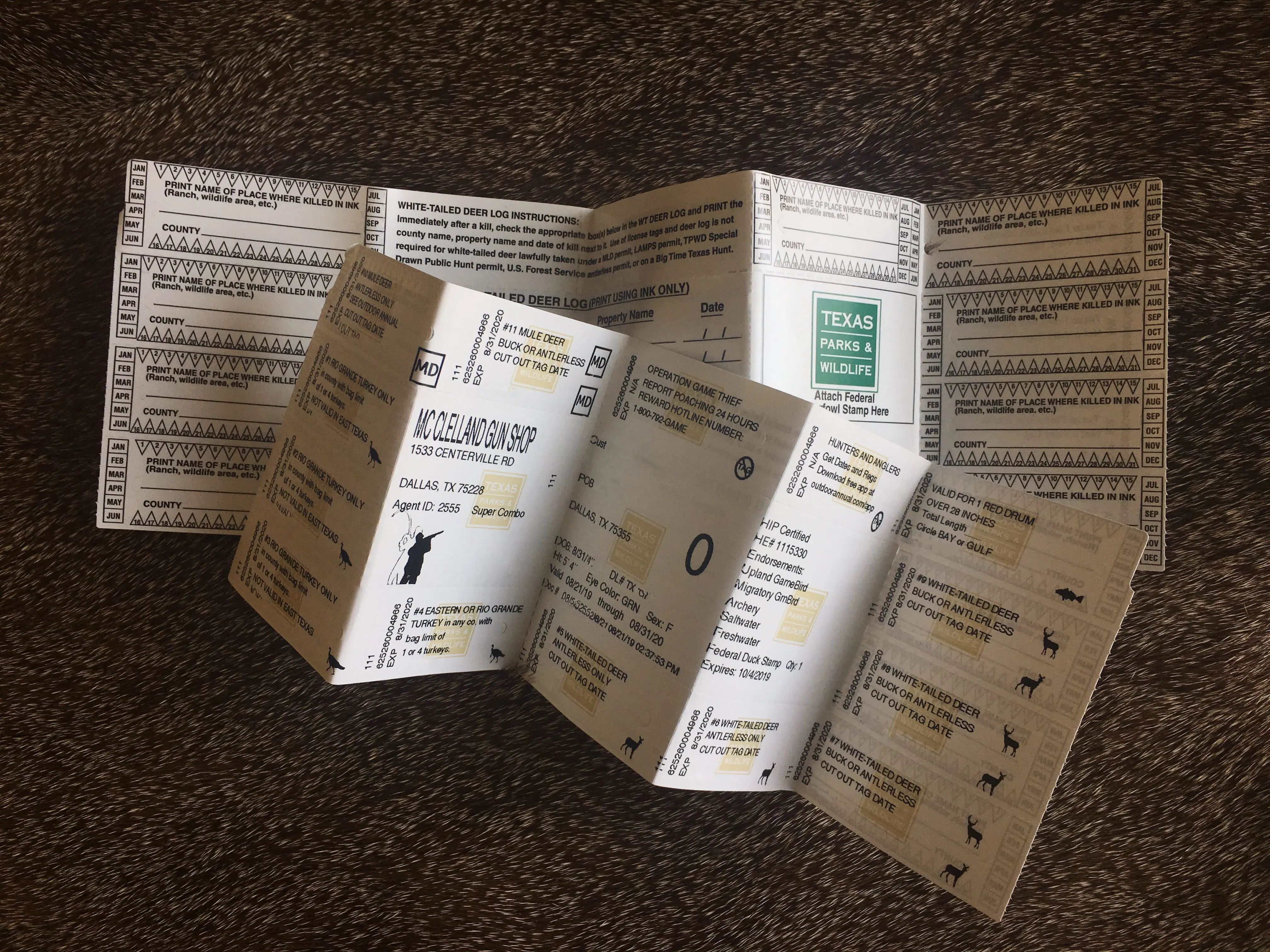
The easiest and most recommended method is to purchase your license online through the official Texas Parks and Wildlife Department website. This allows you to select your license type, pay securely, and print your license immediately. The website is user-friendly and provides up-to-date information on all regulations and license options.
In Person
You can also purchase licenses in person at various authorized vendors across the state. These include:
- Sporting Goods Stores: Many major retailers like Academy Sports + Outdoors sell fishing licenses.
- Local Bait and Tackle Shops: These small businesses are often invaluable resources for local fishing information and are authorized license vendors.
- Hardware Stores: Some local hardware stores also carry fishing licenses.
- County Tax Assessor Offices: In some counties, these offices are authorized to sell hunting and fishing licenses.
- TPWD Law Enforcement Offices: Some of their offices may also offer licenses.
By Phone
While less common, it may be possible to purchase licenses over the phone by calling the TPWD directly. However, the online portal is generally the most efficient method.
Frequently Asked Questions and Important Considerations
Navigating the world of fishing licenses can bring up a few common questions:
What if I’m only fishing with a guide?
If you are fishing with a licensed guide, the guide is responsible for ensuring that all individuals on their boat have the appropriate licenses. In many cases, a guide’s license may cover their clients for the duration of the guided trip. However, it’s always best to confirm this with your guide beforehand. This aspect is particularly relevant when booking guided fishing tours in popular destinations like Port Aransas or along the Sabine River.
Do children need a fishing license?
In Texas, children under the age of 17 generally do not need a fishing license. They can fish under the supervision of a licensed adult. However, if a child of this age wishes to fish independently or target certain species that require specific stamps, they may need their own license or stamp. This is a great way to introduce young ones to the joys of fishing without immediate cost.
What are the penalties for fishing without a license?
Fishing without a valid license in Texas can result in significant fines, ranging from $25 to $500, depending on the offense and prior history. In addition to fines, you could also face confiscation of your fishing gear and potential jail time for repeat offenses. Compliance is key to ensuring your Texas fishing experience is enjoyable and legal.
What is the lifespan of a fishing license?
Most annual fishing licenses are valid for a full 12 months from the date of purchase. Short-term licenses are valid for the specific duration indicated on the permit (e.g., one day or 16 days). Always check the expiration date on your license.
Can I use my license from another state in Texas?
No, Texas fishing licenses are specific to Texas waters. You will need to purchase a Texas fishing license to legally fish in the state, regardless of whether you hold a license from another state.
Enhancing Your Texas Fishing Experience
Beyond understanding the cost of a fishing license, planning your Texas fishing trip involves considering the broader travel and lifestyle aspects. Texas boasts incredible biodiversity, offering opportunities to catch a wide array of species, from largemouth bass in the Texas Hill Country reservoirs to red snapper in the Gulf of Mexico.
When planning your accommodation, whether it’s a luxury resort in San Antonio or a rustic cabin near Caddo Lake, consider its proximity to prime fishing spots. Many hotels and resorts offer fishing packages or can connect you with local guides. Exploring local cuisine is also a significant part of any Texas trip; enjoying freshly caught seafood or a hearty catfish dinner is an experience in itself.
Remember that fishing is an activity deeply intertwined with nature and conservation. By purchasing a fishing license, you are directly contributing to the efforts that protect Texas‘s natural resources, ensuring that its beautiful landscapes and abundant wildlife can be enjoyed by all. So, get your license, pack your gear, and get ready to experience the thrill of fishing in the great state of Texas!
LifeOutOfTheBox is a participant in the Amazon Services LLC Associates Program, an affiliate advertising program designed to provide a means for sites to earn advertising fees by advertising and linking to Amazon.com. Amazon, the Amazon logo, AmazonSupply, and the AmazonSupply logo are trademarks of Amazon.com, Inc. or its affiliates. As an Amazon Associate we earn affiliate commissions from qualifying purchases.