
Navigating the financial landscape of any destination is a crucial part of planning a trip, whether it’s a quick getaway or an extended stay. For those considering a visit or even a relocation to the Lone Star State, understanding the tax implications is paramount. While Texas is famously known for its lack of a state income tax, this doesn’t mean you’re entirely free from tax burdens. The state relies on other forms of revenue, and understanding these can significantly impact your budget and overall experience. This guide delves into the various taxes you’re likely to encounter in Texas, from sales tax on everyday purchases to property taxes on accommodations, providing a comprehensive overview for travelers and residents alike.
Unpacking the Texas Tax System: Beyond Income Tax
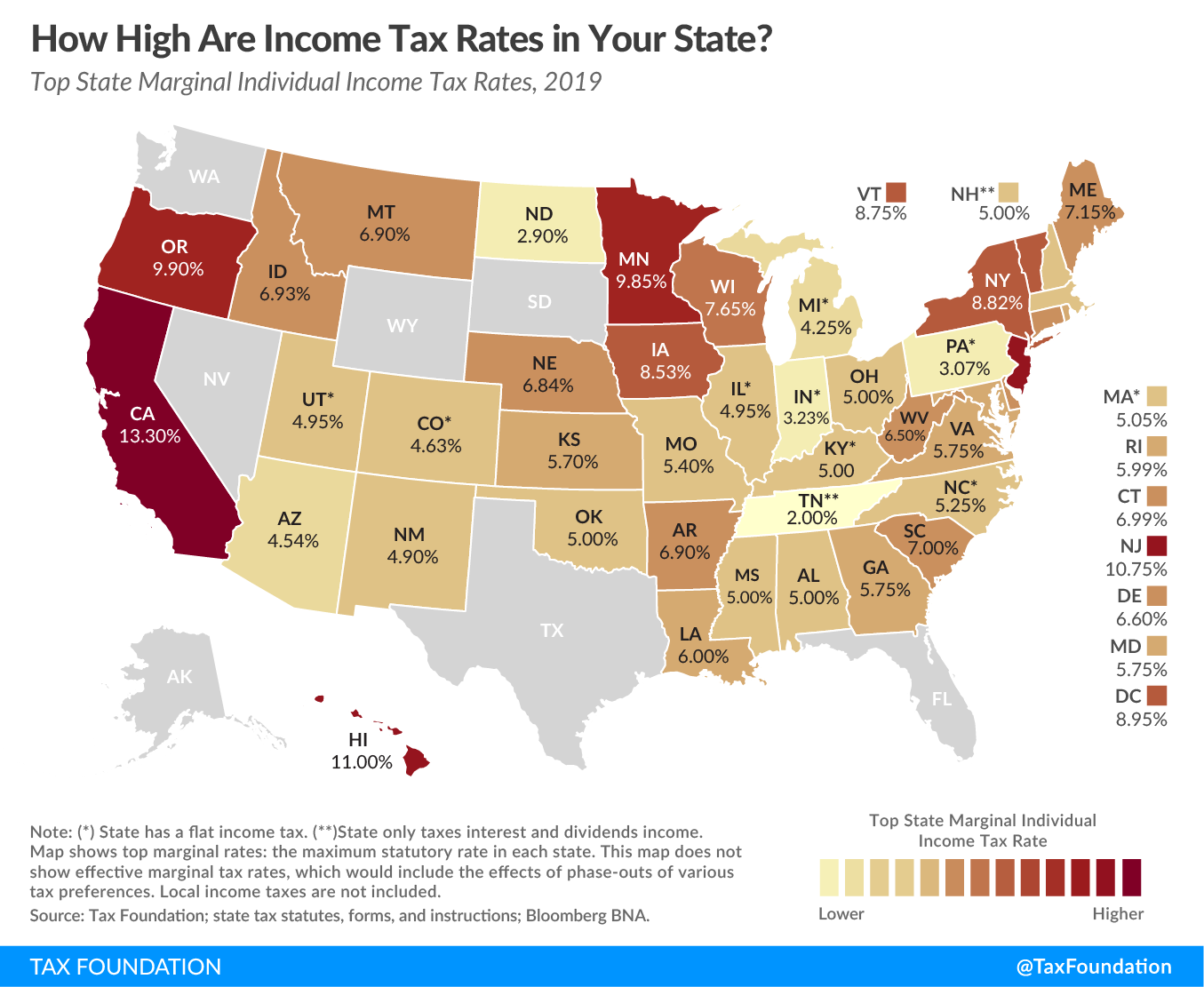
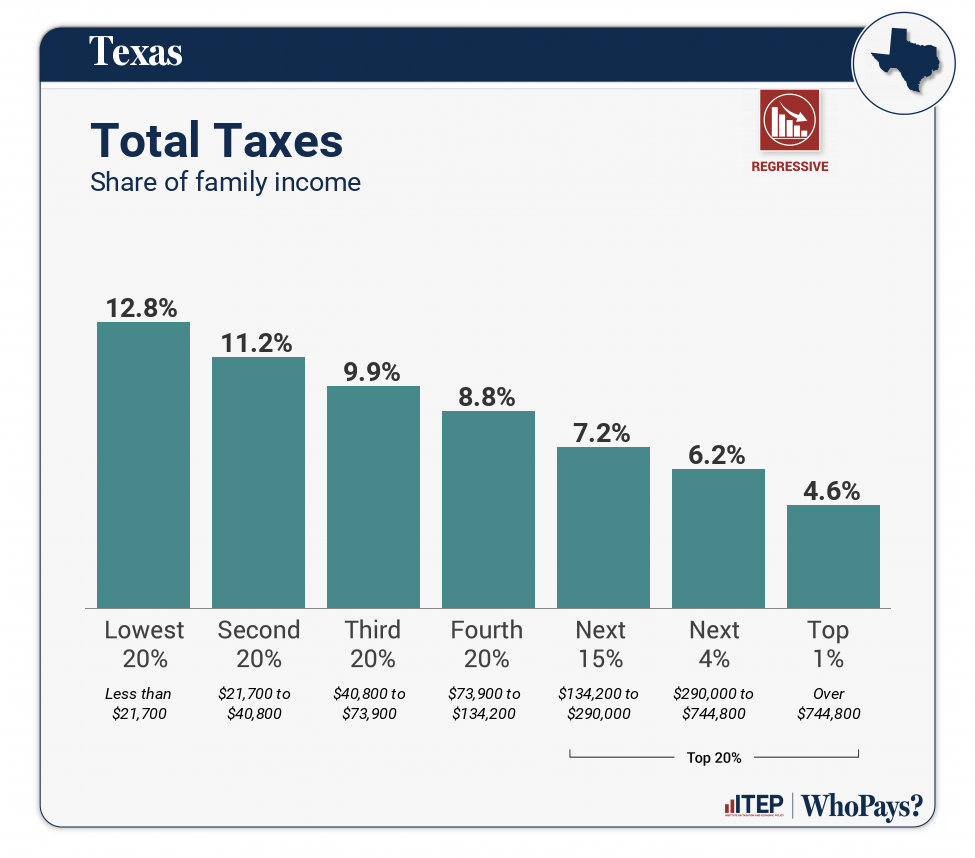
The absence of a state income tax is a major draw for many individuals and businesses considering Texas. This policy, championed by many Texans, aims to stimulate economic growth and attract investment by leaving more disposable income in the hands of its citizens and visitors. However, this absence is compensated for by a robust reliance on other tax streams, primarily sales and property taxes. These taxes form the backbone of state and local government funding, supporting essential services such as education, infrastructure, and public safety. For travelers, understanding these can help in budgeting for everything from a souvenir purchase to dining out. For those looking at longer stays or property ownership, the property tax component becomes a significant consideration.
Sales Tax: The Visitor’s Constant Companion
When you’re exploring the vibrant cities of Texas, from the bustling streets of Houston to the cultural heart of Austin, sales tax is an almost unavoidable part of your spending. The state levies a base sales tax, which is then supplemented by local city and county taxes. This means the actual rate you pay can vary significantly depending on your exact location.
State and Local Sales Tax Rates
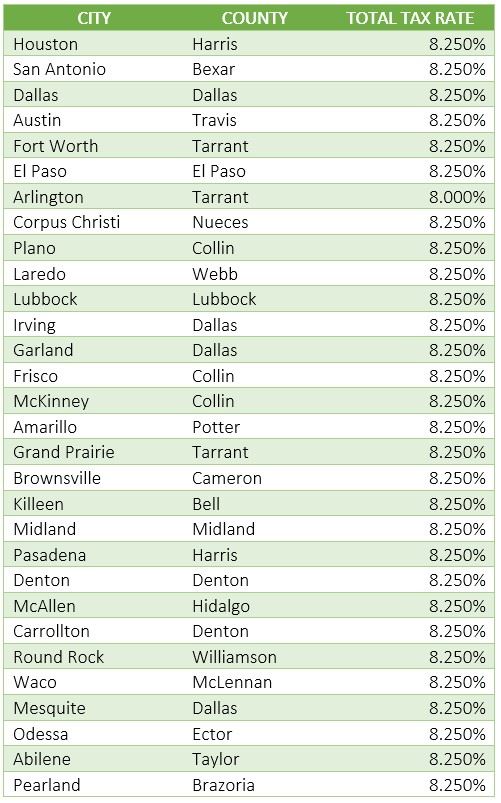
The state of Texas imposes a standard sales tax rate, currently at 6.25%. However, this is just the starting point. Cities and counties have the authority to add their own local sales taxes, which can push the combined rate higher. For instance, a tourist browsing the unique boutiques in San Antonio might encounter a sales tax rate different from someone shopping for clothes in Dallas. These local add-ons are designed to fund municipal services and infrastructure, making them an integral part of the local economy.
The maximum combined state and local sales tax rate in Texas is capped at 8.25%. This means that no matter where you are in the state, you won’t pay more than this rate. However, it’s crucial to be aware that many popular tourist destinations and major cities will be at or very close to this maximum. For travelers, this means factoring in approximately 8.25% on most goods and services purchased. This includes everything from a meal at a renowned Texan barbecue joint to a ticket for a show at the Majestic Theatre or an admission fee to attractions like the Space Center Houston.
What is Taxable?
Understanding what is subject to sales tax is key to accurate budgeting. Generally, tangible personal property and certain services are taxable. This includes most retail goods, restaurant meals, hotel stays, and admissions to entertainment venues. However, there are notable exemptions. Groceries, for example, are typically not subject to state sales tax, although prepared foods or items purchased at convenience stores might be. Prescription medications are also exempt. For business travelers, understanding the tax implications on business expenses is also important.
Some services are also taxable, such as repair services, amusement services, and hotel room rentals. This means that when you book a suite at the JW Marriott San Antonio Hill Country Resort & Spa or a cozy apartment for a longer stay, the nightly rate will include sales tax. The tourism industry in Texas is heavily reliant on these tax revenues, supporting the maintenance and development of attractions and infrastructure that draw visitors to places like the Alamo or the natural beauty of Big Bend National Park.
Exemptions and Special Considerations
While the general rule is that most purchases are taxable, Texas offers specific exemptions that can benefit travelers. As mentioned, groceries are a significant exemption. Additionally, certain types of clothing and footwear under a certain price threshold may be exempt during specific back-to-school sales events. For those planning extended stays or looking for accommodation options beyond traditional hotels, understanding the tax treatment of different types of lodging is beneficial. For instance, some short-term rentals might have different tax classifications than traditional hotels.
Furthermore, Texas offers exemptions for certain organizations and individuals, such as qualifying non-profits and purchases made by the U.S. military. For travelers, it’s always a good idea to inquire about potential exemptions if you believe your purchase or situation might qualify, though for the average tourist, sales tax will be a consistent part of their expenditure. The tax structure is designed to capture revenue from consumption, making it a direct tax on spending rather than on income.
Property Taxes: The Homeowner’s and Renter’s Consideration
While travelers might not directly pay property taxes in the same way a homeowner does, these taxes have a significant indirect impact on accommodation costs. Property taxes are a major source of revenue for local governments in Texas, funding schools, police departments, fire departments, and other essential public services.
How Property Taxes Work in Texas
Texas has one of the highest property tax burdens in the United States. This is because the state has no personal or corporate income tax, so it relies heavily on property taxes to fund local services. Property taxes are levied by local government entities, including counties, cities, school districts, and special districts (like hospital districts or water districts). Each of these entities sets its own tax rate, known as a millage rate. Your total property tax bill is determined by multiplying the assessed value of your property by the combined millage rates of all the taxing authorities in your area.
The assessed value of a property is determined by a local county appraisal district. Homeowners have the right to challenge their property’s valuation if they believe it is too high. Furthermore, Texas offers homestead exemptions, which can reduce the taxable value of a primary residence. For renters, the cost of property taxes is often passed on through higher rent payments, so even if you’re not directly writing the check to the tax assessor, you’re likely contributing to property tax revenue through your lease.
Impact on Accommodation Costs
For travelers seeking accommodation, property taxes play a role in the overall cost. While hotels and resorts are businesses that pay property taxes on their commercial real estate, these costs are typically factored into the room rates. Therefore, when you book a stay at a luxury resort like The Woodlands Resort or a budget-friendly hotel in a well-serviced area, the price you see will reflect the operational costs, including property taxes.
For those considering longer-term stays or vacation rentals, such as apartments or villas found on accommodation booking sites, the property tax implications can be more direct. While renters are usually shielded from direct property tax payments, landlords factor these costs into their rental pricing. Areas with higher property tax rates might consequently have higher rental costs. This is an important consideration for anyone planning an extended stay or looking to rent a property for a significant period. Understanding these indirect costs can help in making informed decisions about where to stay and how to budget for accommodation in Texas.
Other Taxes and Fees to Be Aware Of
Beyond sales and property taxes, Texas has other taxes and fees that might impact your visit or stay. These can include excise taxes on specific goods and services, as well as various fees associated with licenses, permits, or specific activities.
Excise Taxes and Specific Fees
Excise taxes are levied on specific goods or services, often to discourage their consumption or to fund related services. In Texas, this includes taxes on gasoline, tobacco, and alcoholic beverages. Travelers filling up their rental cars will notice the gas tax integrated into the pump price. Those enjoying a Texan craft beer or a bottle of wine will also be paying a portion of the excise tax.
Furthermore, many attractions and activities may have their own specific fees or taxes. For example, state parks often charge entrance fees, and certain entertainment venues might include a small per-ticket fee for local improvements or services. When planning a visit to iconic landmarks like the San Jacinto Monument or enjoying an activity like a boat tour on Lady Bird Lake, it’s wise to check for any additional fees beyond the advertised ticket price. These smaller charges, while individually minor, can add up over the course of a trip.
Franchise Tax and Business Considerations
While not directly impacting most tourists, it’s worth noting that Texas has a franchise tax that businesses operating in the state must pay. This tax is levied on businesses based on their “margin” (revenue minus certain costs). For business travelers or entrepreneurs considering establishing a presence in Texas, understanding the franchise tax and other business-related taxes is a critical part of financial planning. Companies might pass on some of these costs to consumers through their pricing, indirectly affecting even casual visitors. The robust business environment in cities like Fort Worth and Plano is influenced by this tax structure, making it a key factor in the state’s economic landscape.
In conclusion, while Texas offers the significant advantage of no state income tax, travelers and residents alike will encounter various other taxes. Understanding the sales tax rates across different localities, the indirect impact of property taxes on accommodation, and other excise taxes and fees is essential for accurate financial planning. Whether you’re enjoying the nightlife in Austin, exploring the historical sites of Galveston, or simply seeking a comfortable place to stay, being aware of these tax elements will contribute to a smoother and more budget-friendly experience in the great state of Texas.
LifeOutOfTheBox is a participant in the Amazon Services LLC Associates Program, an affiliate advertising program designed to provide a means for sites to earn advertising fees by advertising and linking to Amazon.com. Amazon, the Amazon logo, AmazonSupply, and the AmazonSupply logo are trademarks of Amazon.com, Inc. or its affiliates. As an Amazon Associate we earn affiliate commissions from qualifying purchases.