
The sprawling, shadowy metropolis known as Gotham City has captivated imaginations for decades, serving as the dramatic backdrop for the tales of the Caped Crusader. A city perpetually shrouded in a brooding atmosphere, where towering skyscrapers pierce a perpetually overcast sky and dark alleys whisper secrets, Gotham feels both eerily familiar and utterly fantastical. For many, its gritty realism combined with its gothic architectural flair immediately conjures images of a real-world counterpart. The question then inevitably arises: Is Gotham City truly New York in disguise?
While the creators of Gotham City have consistently maintained that it is a fictional entity, the undeniable parallels to New York City are too profound to ignore. From its majestic skyline and bustling streets to its intricate social fabric and underlying currents of both immense wealth and desperate struggle, Gotham is, in many respects, a darkly exaggerated mirror of the Big Apple. This article delves into the intricate relationship between the two cities, exploring how New York City has served as the primary inspiration for the DC Comics metropolis, while also highlighting where Gotham carves out its own unique, often ominous, identity. For travelers and urban explorers, understanding this connection offers a fascinating lens through which to experience the real-world New York, transforming a sightseeing trip into an immersive journey through a city that breathes with the spirit of both reality and myth.
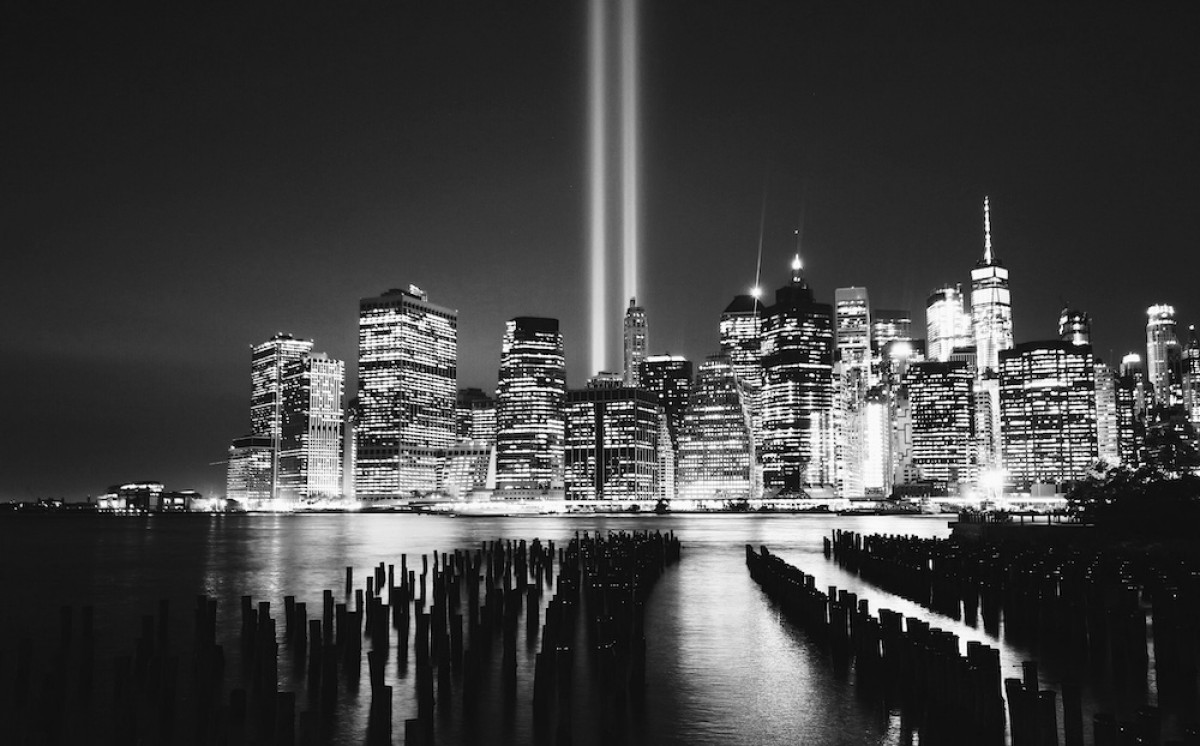
The Concrete Jungle Blueprint: New York’s Influence on Gotham
The inspiration for Gotham City is deeply rooted in the urban landscape and historical development of New York City. When comic book artists and writers sought to create a quintessential American metropolis, they looked no further than the dynamic, ever-evolving architecture and complex social tapestry of New York. The result is a fictional city that feels authentically grand, yet perpetually on the brink.
Architectural Echoes and Iconic Skylines
One of the most striking resemblances between Gotham and New York lies in their architectural DNA. New York City’s rich blend of architectural styles, from the elegant pre-war buildings to the soaring modernist skyscrapers, provides a direct blueprint for Gotham’s iconic look. Think of the brooding Gothic Revival churches juxtaposed with the sleek lines of Art Deco giants, and you begin to see the foundation of Gotham’s aesthetic. Many famous New York landmarks have direct counterparts or heavily influence Gotham’s cityscape.
The Empire State Building and the Chrysler Building, two quintessential symbols of New York’s architectural prowess, often find their reflections in Gotham’s skyline, albeit with a darker, more imposing edge. The intricate detailing and monumental scale of these structures inspire a sense of awe and power that is central to both cities. Similarly, the majestic spans of bridges like the Brooklyn Bridge echo in Gotham’s numerous elevated roadways and iconic crossings, connecting disparate districts and symbolizing the city’s vastness.
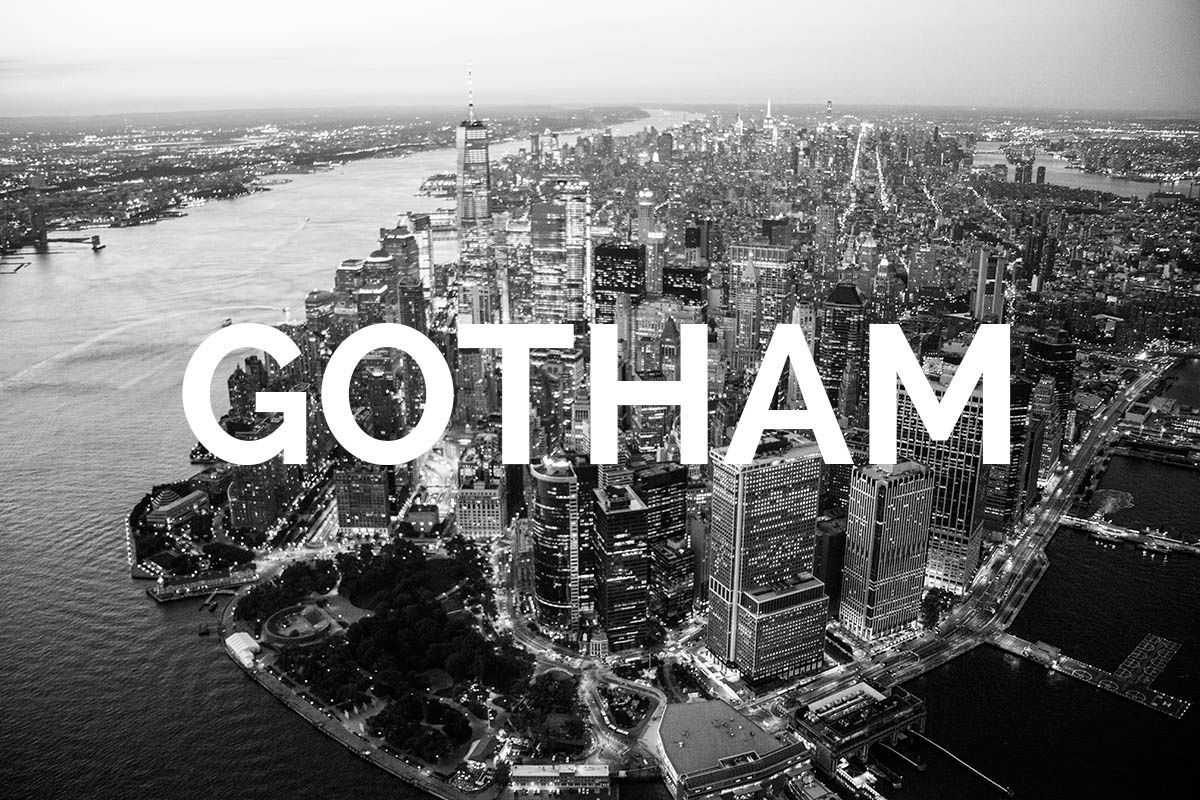
For the traveler interested in architectural wonders, a visit to New York City is like walking through the very inspirations for Gotham. Exploring areas like Lower Manhattan reveals a labyrinth of streets lined with historic buildings, their ornate facades and shadowy recesses offering a tangible sense of the ‘old Gotham.’ The gargoyles and intricate stone carvings found on many New York edifices could easily belong to a Gotham Cathedral or a grand civic building within the fictional city. This fusion of historical grandeur and industrial grit is what gives both cities their undeniable character, making them prime destinations for anyone fascinated by urban design and history.
A Tale of Two Urban Souls: Demographics and Culture
Beyond its physical appearance, Gotham City also mirrors New York’s complex social and cultural dynamics. Both cities are presented as vibrant melting pots, home to an incredibly diverse population drawn from all corners of the globe, seeking opportunities, dreams, or simply a new beginning. This diversity fuels both a rich cultural tapestry and, inevitably, a spectrum of socio-economic disparity.
In New York City, areas like Harlem, Greenwich Village, and the various ethnic enclaves across Manhattan, Brooklyn, and Queens contribute to a dynamic urban experience, brimming with distinct local cultures, cuisines, and community identities. Gotham reflects this on a darker scale, featuring distinct districts ranging from the opulent Diamond District to the crime-ridden Crime Alley, each with its own character and challenges. This duality – the coexistence of immense wealth and grinding poverty, of soaring ambition and stark desperation – is a hallmark of both cities.

The pulse of New York’s tourism is driven by its cultural offerings: Broadway shows, world-class museums like the Metropolitan Museum of Art and the Guggenheim Museum, and an unparalleled culinary scene. In turn, Gotham, too, boasts cultural institutions, albeit often with a more sinister undercurrent or a history of being targeted by supervillains. The bustling, sometimes overwhelming energy of New York captures the essence of a city that never sleeps, a characteristic frequently attributed to Gotham as well, albeit for different reasons – a city where crime never sleeps. This shared human drama, played out against a backdrop of imposing urbanity, makes both cities compelling subjects for study, exploration, and storytelling.
Beyond the Reflection: Where Gotham Forges Its Own Identity
While the inspiration from New York City is undeniable, Gotham City is far from a mere copy. The fictional metropolis has evolved its own distinct identity, one that amplifies certain aspects of urban life into a unique, often exaggerated, dark fantasy. This divergence is crucial to understanding Gotham’s enduring appeal and its power as a narrative setting.
The Permanent Night: Gotham’s Distinct Atmosphere
The most significant departure of Gotham City from its real-world muse lies in its pervasive atmosphere. Where New York, despite its challenges, embodies a spirit of resilience, innovation, and vibrant optimism, Gotham is almost perpetually cloaked in a sense of dread, corruption, and moral ambiguity. The sun rarely seems to shine fully on Gotham, casting long shadows over its imposing architecture and its inhabitants’ souls.
This oppressive ambiance isn’t merely an artistic choice; it’s fundamental to Gotham’s narrative function. It’s a city designed to foster desperation and produce extraordinary heroes and villains. The constant struggle against endemic crime and systemic corruption defines Gotham in a way that, thankfully, doesn’t apply to New York City. While New York has had its eras of high crime and political scandal, it consistently reinvents itself, striving for betterment. Gotham, on the other hand, often feels stuck in a perpetual twilight of moral decay, making it a powerful allegory for the dark side of urban existence. This distinct “mood” or “experience” of Gotham is what allows it to stand apart, offering a thematic journey that transcends mere geography. For those who appreciate a deeper dive into the psychology of cities, this contrast is incredibly compelling.
Fictional Landmarks and Unique Lore
While some of Gotham’s generic structures might echo New York’s, the city is also home to a collection of utterly unique and iconic fictional landmarks that firmly establish its own lore. These locations are not merely buildings; they are characters in themselves, integral to the stories unfolding within the city.
Places like Arkham Asylum, the infamous institution for the criminally insane, have no direct counterpart in New York. Its gothic, imposing architecture and its reputation for housing Batman’s most dangerous foes make it a cornerstone of Gotham’s mythology. Similarly, Wayne Manor, the sprawling ancestral home of Bruce Wayne on the outskirts of the city, provides a stark contrast to the urban grit, representing old money, legacy, and a hidden world of heroism. These unique landmarks, combined with other fictional locations such as the Iceberg Lounge or Ace Chemicals, contribute significantly to Gotham’s distinct narrative and sense of place. They create a world that, while inspired by reality, is undeniably its own, offering a richer, more specific context for the tales it tells. This blend of the familiar and the uniquely fantastical is what makes Gotham a landmark destination within the realm of fiction, much like real-world wonders attract tourists seeking novel experiences.
Exploring the Real-World Gotham: A Traveler’s Perspective on NYC
For travelers fascinated by the mystique of Gotham City, New York City offers an unparalleled opportunity to walk through its inspirations. By adopting a “Gotham lens,” visitors can discover a deeper, more atmospheric side to the Big Apple, merging the thrill of fictional worlds with the rich tapestry of real-life travel, accommodation, and cultural experiences.
Immersive Experiences: Hotels, Dining, and Nightlife in the Big Apple
Experiencing the echoes of Gotham in New York often begins with where you choose to stay and how you engage with the city’s vibrant lifestyle. For those seeking luxury travel with a touch of old-world grandeur that might befit a Gotham elite, historic hotels like The Plaza Hotel or the St. Regis New York offer opulent suites and amenities that conjure images of grand ballrooms and clandestine meetings. These establishments provide more than just accommodation; they offer an experience steeped in history and sophistication.
Conversely, for a more gritty, atmospheric experience, exploring boutique hotels in areas like Lower Manhattan or the artistic pockets of Greenwich Village can reveal a different side of New York – one that feels closer to the shadowy streets of Gotham. These neighborhoods are also home to an array of dining options, from Michelin-starred restaurants that might host Wayne Enterprises galas to hidden speakeasies and dimly lit jazz clubs that perfectly capture a ‘noir’ sensibility. Imagine savoring a cocktail in a discreet establishment, feeling as though you’ve stepped into a scene from a Batman comic.
Tourism in New York extends to its nightlife, and certain venues, particularly those with a historic charm or an underground vibe, can evoke the mysterious allure of Gotham. These experiences allow travelers to immerse themselves in the “local culture” of New York while simultaneously indulging their fascination with its fictional counterpart, making for a truly unique travel guide perspective.
Iconic Landmarks and Attractions That Whisper Gotham’s Name
No exploration of New York’s “Gotham-ness” would be complete without visiting its iconic landmarks and attractions. Many of these places have not only inspired Gotham’s landscape but have also been used in films and television shows portraying the fictional city.
Grand Central Terminal, with its magnificent Beaux-Arts architecture and bustling main concourse, could easily serve as a central transit hub in Gotham. Its grandeur and the constant flow of people evoke the massive scale of both cities. Times Square, despite its modern neon glare, holds a gritty history that resonates with Gotham’s darker side, especially when one considers its past as a much less sanitized urban jungle. Even the serene expanse of Central Park, while an oasis of nature, has its shadowy corners and isolated pathways that could easily host a dramatic chase or a secret meeting in the fictional city.
Other landmarks that frequently appear in “Gotham-esque” depictions of New York include the financial district of Wall Street, its towering buildings symbolizing immense power and potential corruption; Rockefeller Center, with its classic urban plaza; and even the solemn majesty of the Statue of Liberty and Ellis Island, representing hope and the continuous influx of people, themes often twisted in Gotham’s narratives. Exploring these destinations offers a tangible connection to the inspiration behind one of fiction’s most enduring cities, blending the allure of travel with a sense of literary adventure. Whether strolling along Fifth Avenue, wandering through Washington Square Park, or walking the elevated gardens of The High Line, visitors can sense the urban spirit that birthed a legend.
Lifestyle and Legacy: The Enduring Allure of Urban Fantasy
The enduring fascination with Gotham City speaks volumes about our collective intrigue with urban environments, both real and imagined. It represents the ultimate urban fantasy, a place where the grandeur and anonymity of a sprawling metropolis provide fertile ground for both heroism and villainy, order and chaos. This powerful narrative resonates deeply with the lifestyle of modern city dwellers and adventurous travelers alike.
Gotham embodies the anxieties and dreams inherent in living in a mega-city. It’s a place where the individual can feel both lost and found, where luxury travel might coexist with the stark realities of the streets. This duality is a core aspect of the “lifestyle” topic: how urban environments can offer vastly different experiences, from the opulence of five-star resorts and exclusive suites to the raw, authentic encounters found in local markets and underground scenes. For many, the draw of cities like New York is precisely this dynamic range – the ability to craft an experience that is luxurious one day and budget-conscious the next, or to blend family trips with business stays in a seamless urban tapestry.
The legacy of Gotham City is not just in its comics or films; it’s in how it shapes our perception of actual urban landscapes. It encourages us to look beyond the surface, to appreciate the architectural beauty and historical depth of cities, and to contemplate the unseen forces that shape their character. As a destination, New York City offers a tangible connection to this urban fantasy, inviting travelers to explore its landmarks, stay in its diverse accommodations, and immerse themselves in its local culture, all while sensing the shadowy spirit of Gotham lurking just beneath the surface. This unique blend of reality and imagination enriches the tourism experience, transforming a simple trip into a profound exploration of urban identity.
Conclusion
So, is Gotham City New York? Not literally, but unequivocally, New York City is its dark, gothic heart. The creators masterfully distilled the essence of the Big Apple – its architectural majesty, its unparalleled diversity, its stark contrasts of wealth and poverty, and its relentless energy – and then amplified these elements to craft a fictional metropolis that resonates with profound psychological depth. Gotham is a powerful allegory for the challenges and complexities of urban life, filtered through a lens of perpetual twilight and moral struggle.
For the intrepid traveler, this connection transforms a visit to New York City into an even richer experience. It allows for an exploration that goes beyond typical tourist guides, inviting you to seek out the architectural marvels that inspired Wayne Tower, the bustling streets that mirror Gotham’s vibrant yet dangerous thoroughfares, and the hidden corners where history and mystery converge. Whether you’re staying in opulent hotels, exploring iconic landmarks, or simply soaking in the dynamic local culture and lifestyle, New York offers a tangible pathway to understanding the spirit of Gotham. It’s a testament to the power of urban landscapes to inspire enduring myths and to invite us to see the extraordinary within the seemingly ordinary. In New York City, the spirit of Gotham is not just an echo; it’s an intrinsic part of its captivating, complex identity.
LifeOutOfTheBox is a participant in the Amazon Services LLC Associates Program, an affiliate advertising program designed to provide a means for sites to earn advertising fees by advertising and linking to Amazon.com. Amazon, the Amazon logo, AmazonSupply, and the AmazonSupply logo are trademarks of Amazon.com, Inc. or its affiliates. As an Amazon Associate we earn affiliate commissions from qualifying purchases.