
While the allure of exploring Texas often conjures images of vibrant tourism, sprawling resorts, and unforgettable travel experiences, the reality for some residents involves navigating complex legal processes. When facing harassment, abuse, or threats, understanding how to file for a restraining order in Texas is crucial for ensuring personal safety and peace of mind. This guide aims to demystify the process, making it accessible to those who may be overwhelmed by the legal jargon and procedures.
The concept of a restraining order, officially known as a Protective Order in Texas, is designed to provide legal protection from individuals who pose a threat. These orders prohibit specific actions, such as contacting, harassing, assaulting, or stalking the protected person. They are not a solution to every problem, but they are a vital tool for those in immediate danger or experiencing ongoing harassment. The Texas legal system offers avenues for individuals to seek this protection, and this article will break down the steps involved in obtaining one.
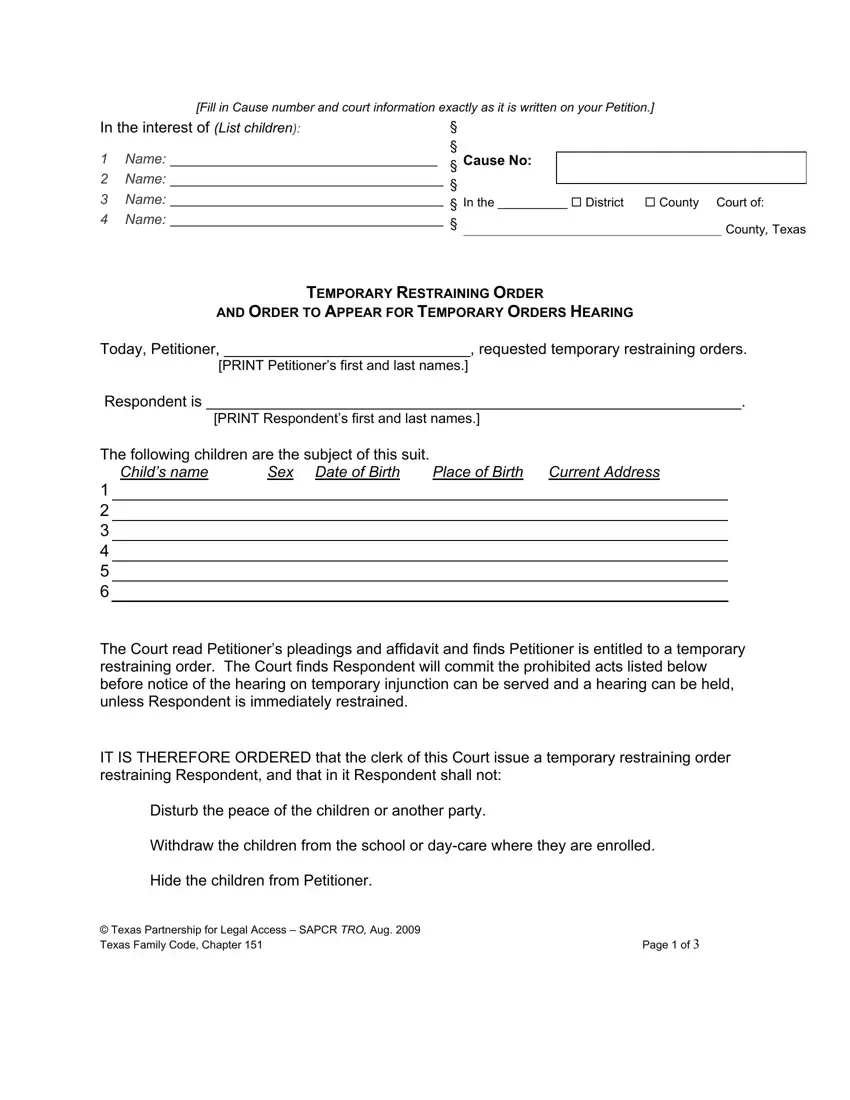
Understanding Protective Orders in Texas
Before delving into the procedural aspects, it’s important to understand what a Protective Order is and what it can achieve. In Texas, Protective Orders are issued by courts to prevent family violence, sexual assault, or dating violence. They are civil in nature, meaning they do not result in criminal charges but can have significant legal consequences if violated.
Types of Protective Orders
There are two primary types of Protective Orders in Texas, differentiated by the relationship between the parties involved:
1. Orders Against Family Violence
These orders are sought when the threat or violence involves a family member, a person with whom the applicant has or has had a dating relationship, or someone with whom the applicant shares a child. The definition of “family violence” under Texas law is broad and includes not only physical assault but also threats of physical harm, harassment, and abuse that places a person in fear of harm.
2. Orders Against Sexual Assault or Abuse
These orders are available to victims of sexual assault or abuse, regardless of whether there was a pre-existing familial or dating relationship. The focus here is on preventing further sexual misconduct and ensuring the victim’s safety from the perpetrator.
What a Protective Order Can Do
A Texas Protective Order can include a variety of provisions designed to safeguard the applicant. These can include:
- No Contact Provision: Prohibiting the restrained person from contacting the applicant in any way, including by phone, email, text message, social media, or through a third party.
- Stay Away Provision: Requiring the restrained person to remain a specified distance away from the applicant’s home, workplace, and sometimes even their children’s school or daycare.
- Prohibition of Harassment and Threats: Forbidding any behavior that is intended to harass, annoy, alarm, or torment the applicant.
- Temporary Custody and Child Support: In cases involving children, the court may grant temporary custody to the applicant and order child support payments.
- Firearm Prohibition: The restrained person may be prohibited from possessing firearms.
It is critical to remember that a Protective Order is a legal document that must be respected. Violating its terms can lead to criminal charges.
The Process of Filing for a Protective Order
Navigating the legal system can seem daunting, but understanding the steps involved in filing for a Protective Order in Texas can make the process more manageable. It generally involves a series of filings, court appearances, and evidence presentation.
Step 1: Gathering Information and Documentation
Before you begin the formal filing process, it is essential to gather all relevant information and documentation. This includes:
- Personal Information: Full legal names, dates of birth, addresses, and contact information for both yourself and the person you are seeking protection from.
- Details of Incidents: A chronological account of the incidents of violence, threats, or harassment. Be as specific as possible, including dates, times, locations, and what happened.
- Evidence: Any supporting evidence you may have, such as photographs of injuries, police reports, medical records, voicemails, text messages, emails, witness contact information, or any other documentation that supports your claims.
- Details of Children (if applicable): If children are involved, gather their personal information and any relevant details about their safety and well-being.
Step 2: Preparing the Application
The initial legal document required is an Application for a Protective Order. This form is typically available from the Texas courts or legal aid organizations. It will require you to provide detailed information about the relationship between you and the respondent (the person you are seeking protection from) and the specific acts of family violence, sexual assault, or abuse that have occurred.

You will need to clearly state why you believe you are in danger and what specific protections you are requesting. The language used in the application should be precise and factual. If you are struggling to complete the application or understand the legal terminology, seeking assistance from an attorney or a legal aid service is highly recommended. Many organizations offer free or low-cost legal assistance to victims of family violence.
Step 3: Filing the Application with the Court
Once the application is complete, it must be filed with the appropriate court. In Texas, Protective Orders are typically handled by District Courts or County Courts at Law. You will need to file the application in the county where you reside or where the respondent resides, or in some cases, where the violence occurred.
There are usually filing fees associated with legal proceedings. However, if you are a victim of family violence, you may be able to have these fees waived. You will need to request a fee waiver from the court.
Step 4: Obtaining a Temporary Ex Parte Order
After you file your application, a judge will review it to determine if there is sufficient evidence to grant an immediate temporary order. This is called a Temporary Ex Parte Order. “Ex Parte” means that the order is granted without the respondent being present or notified initially, because the court believes there is an immediate danger.
If granted, the Temporary Ex Parte Order will provide you with immediate protection. It typically includes provisions such as no contact, stay away orders, and sometimes temporary custody of children. This order is valid for a limited time, usually around 14 to 20 days, and serves as a bridge until a final hearing can be held.
Step 5: Serving the Respondent
Once the Temporary Ex Parte Order is issued, it must be officially served on the respondent. This means the respondent must be legally notified of the order and the upcoming court hearing. Service is typically carried out by a sheriff’s deputy or a private process server. You cannot personally serve the respondent. The court will typically arrange for service once the order is issued.
Step 6: The Final Hearing
After the respondent has been served, a final hearing will be scheduled. This is a formal court proceeding where both you and the respondent will have the opportunity to present your case. You will need to be prepared to testify about the incidents of violence or harassment and present any evidence you have gathered. The respondent will also have the opportunity to present their side of the story.
The judge will listen to both sides, review the evidence, and then make a decision on whether to issue a final Protective Order. A final Protective Order can last for a specified period, often up to two years, and can be renewed under certain circumstances.
Seeking Legal Assistance and Support
The legal process of obtaining a Protective Order can be emotionally taxing and complex. It is strongly advised to seek legal assistance and support throughout this journey.
Legal Representation
While it is possible to represent yourself in court, having an attorney by your side can significantly improve your chances of success. An experienced attorney specializing in family law can:
- Guide you through the legal process: They understand the nuances of Texas law and can ensure all paperwork is filed correctly and on time.
- Help you gather and present evidence effectively: They know what evidence is admissible and how to present it persuasively.
- Represent you in court: They can advocate on your behalf, cross-examine witnesses, and argue your case to the judge.
If you cannot afford an attorney, there are several resources available:
- Legal Aid Societies: Many non-profit organizations offer free legal services to low-income individuals who are victims of domestic violence.
- Bar Associations: Local and state bar associations often have referral services that can connect you with attorneys who offer reduced fees or pro bono (free) services.
- Domestic Violence Shelters and Organizations: These organizations often have legal advocates who can provide guidance and support, and sometimes connect you with legal resources.

Emotional and Practical Support
Beyond legal assistance, seeking emotional and practical support is vital for your well-being. Domestic violence shelters and crisis centers can offer:
- Safe housing: If you are in immediate danger, they can provide a safe place to stay.
- Counseling services: Emotional support and therapy to help you cope with the trauma.
- Advocacy: Assistance with navigating other systems, such as child protective services or housing assistance.
- Safety planning: Developing strategies to keep yourself and your family safe.
Remember, you do not have to go through this alone. Texas has resources in place to help individuals seeking protection. By understanding the steps involved and seeking the right support, you can take crucial steps towards regaining your safety and peace. Whether you are planning a relaxing getaway to the Texas Hill Country, exploring the vibrant streets of Austin, or seeking refuge in a quiet villa, your safety should always be paramount.
LifeOutOfTheBox is a participant in the Amazon Services LLC Associates Program, an affiliate advertising program designed to provide a means for sites to earn advertising fees by advertising and linking to Amazon.com. Amazon, the Amazon logo, AmazonSupply, and the AmazonSupply logo are trademarks of Amazon.com, Inc. or its affiliates. As an Amazon Associate we earn affiliate commissions from qualifying purchases.