
Navigating the complexities of official documentation can sometimes feel like a winding road, and obtaining your driving record in Texas is no exception. Whether you’re a seasoned driver or new to the Lone Star State, understanding the process is crucial for various reasons, from insurance premiums to employment opportunities and even personal peace of mind. This guide will demystify the steps involved in acquiring your official Texas driving record, ensuring you have the information you need at your fingertips.
While the primary purpose of obtaining a driving record is administrative, it’s often intertwined with life’s broader journeys – the travels we undertake, the accommodations we seek, and the lifestyle choices we make. A clean driving record can unlock better hotel rates, enhance your travel experiences, and even influence the types of attractions you can readily access, particularly if your activities involve driving to remote landmarks or experiencing local tourism.
Understanding Your Texas Driving Record
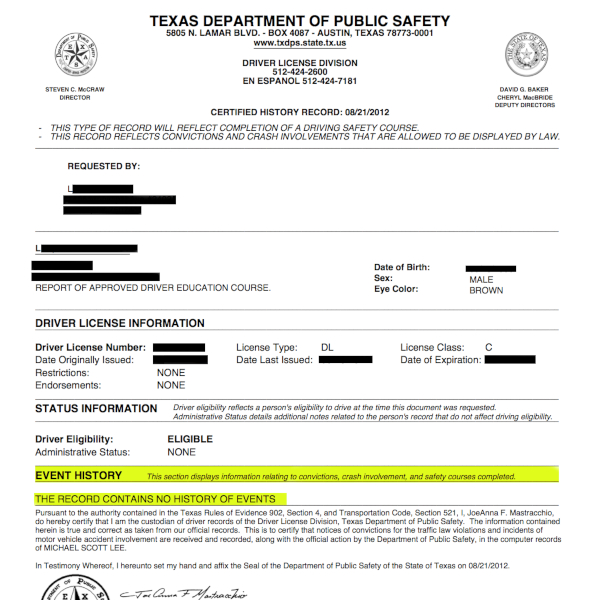
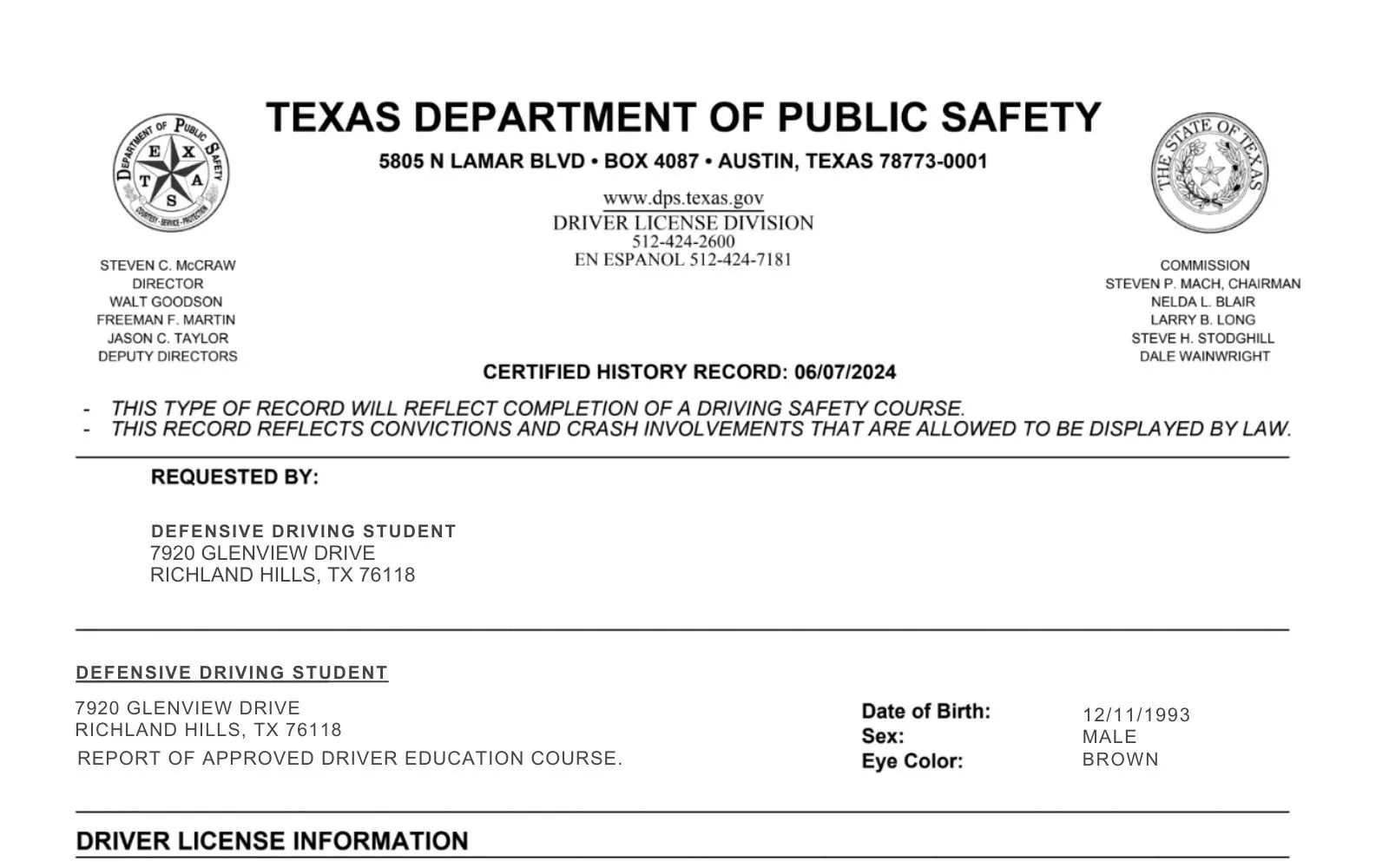
Before diving into the “how,” it’s beneficial to understand what exactly a Texas driving record, officially known as a “Texas Driver History Record” (DHR), contains. This document is a compilation of your driving history as maintained by the Texas Department of Public Safety (DPS). It typically includes:
- Personal Information: Your name, date of birth, and driver’s license number.
- Violations and Convictions: Details of any traffic tickets, moving violations, and criminal convictions related to driving. This includes information like the date of the offense, the violation code, and the court disposition.
- Administrative Actions: Any suspensions or revocations of your driver’s license, including the reasons and dates.
- Accident Information: Details of any accidents you were involved in, particularly those that resulted in injury or death.
- Points System: For certain types of convictions, the record may reflect the accumulation of points, which can lead to license suspension.
The information on your DHR is vital for several reasons. Insurance companies use it to assess your risk and determine your premiums. Employers, especially those requiring you to drive for work, will often request a copy to verify your driving eligibility and safety. Furthermore, some legal proceedings or applications for certain licenses or permits may necessitate the submission of your driving record.
Methods for Obtaining Your Texas Driving Record
The Texas Department of Public Safety (DPS) provides several avenues for obtaining your driving record, catering to different needs and preferences. Each method has its own process, associated fees, and turnaround times. Understanding these options will help you choose the most suitable one for your situation.
Online Request
The most convenient and often fastest method to acquire your Texas Driver History Record is through the official Texas DPS website. This method is ideal for individuals who are comfortable with online transactions and can provide the necessary information electronically.
Steps for Online Request:
- Visit the Official DPS Website: Navigate to the Texas Department of Public Safety’s official website. Look for the section dedicated to driver services or records.
- Locate the Driver History Record Request: You will typically find a link or button specifically for ordering your Driver History Record.
- Provide Required Information: You will be prompted to enter personal details, including:
- Your full name as it appears on your driver’s license.
- Your date of birth.
- Your driver’s license number.
- The last four digits of your Social Security Number.
- Your mailing address.
- Payment: A fee is associated with obtaining your driving record. You will need a valid credit or debit card to complete the payment process online. The fee amount is subject to change by the DPS, so it’s advisable to check the current cost on their website.
- Confirmation and Delivery: Once your request is processed and payment is confirmed, your driving record will typically be emailed to you within a few business days. Some requests may have an option for expedited delivery, though this usually incurs an additional fee.
Important Considerations for Online Requests:
- Accuracy of Information: Ensure all the information you provide is accurate and matches your driver’s license details exactly. Any discrepancies can lead to delays or rejection of your request.
- Official Website: Always use the official Texas DPS website to avoid fraudulent sites. Be wary of third-party websites that claim to provide your driving record for a higher fee, as they may not be legitimate or may offer outdated information.
- Personal Use: The online request option is generally for personal use only. If you need a record for an employer or legal purposes, there might be a different process or requirement for certified copies.
Mail-In Request
For those who prefer a more traditional approach or cannot utilize the online system, a mail-in request is a viable option. This method requires you to download and complete a physical form and mail it along with the required fee.
Steps for Mail-In Request:
- Download the Request Form: Visit the Texas DPS website and download the “Driver License Record Request” form (often referred to as DPS-32003). This form is usually available in PDF format.
- Complete the Form: Fill out the form accurately and legibly. Ensure all requested personal information, including your driver’s license number, date of birth, and address, is provided. You will also need to specify the type of record you are requesting (e.g., your own driving record for personal use).
- Include Payment: The form will specify the current fee for a mail-in request. You will need to include a check or money order payable to the Texas Department of Public Safety. Cash or credit cards are generally not accepted for mail-in requests.
- Mail the Request: Send the completed form and payment to the address provided on the form, which is typically the Texas DPS Driver Records Section. It’s recommended to use certified mail for tracking purposes.
Important Considerations for Mail-In Requests:
- Processing Time: Mail-in requests generally take longer to process than online requests due to mail delivery times and manual processing by the DPS. Expect several weeks for delivery.
- Form Accuracy: Double-check that you have filled out the form completely and accurately to avoid any delays.
- Payment Method: Ensure your check or money order is for the correct amount and made payable to the Texas Department of Public Safety.
In-Person Request
While less common for individuals seeking their own records for personal use, it is sometimes possible to obtain a driving record in person at a Texas DPS Driver License Office. This method is more often used for individuals who require a certified copy immediately or for specific legal or employment purposes.
Steps for In-Person Request:
- Locate a DPS Office: Find a Texas DPS Driver License Office that handles record requests. Not all offices may offer this service.
- Bring Identification: You will need to present valid, government-issued photo identification, such as a Texas driver’s license or identification card.
- Complete a Request Form: You will likely be given a request form to fill out at the office.
- Pay the Fee: The fee for an in-person request is typically paid at the office. Payment methods may vary, but credit cards and cash are often accepted.
Important Considerations for In-Person Requests:

- Availability: It is crucial to verify with the specific DPS office if they can fulfill your request in person, as services can vary.
- Appointment: Some offices may require an appointment, so it’s advisable to check their scheduling procedures.
- Speed: In-person requests can sometimes provide a record on the spot, especially if it’s a standard personal record. However, certified copies or more complex requests might still take time.
Certified vs. Uncertified Driving Records
When requesting your driving record, you may encounter options for either a certified or an uncertified copy. Understanding the difference is crucial for ensuring you obtain the correct document for your intended purpose.
Uncertified Driving Record
An uncertified driving record, often referred to as a “personal driving record,” is a standard document that provides a comprehensive overview of your driving history. It includes all the information mentioned earlier: violations, accidents, suspensions, etc.
- Purpose: Primarily for personal review, to understand your driving history, to see what might be affecting your insurance rates, or to provide to an employer who doesn’t require an official seal.
- Format: Typically delivered electronically via email or sometimes by mail. It may not have an official seal or signature from the DPS.
- Cost: Generally less expensive than a certified copy.
Certified Driving Record
A certified driving record is an official document that bears the seal and signature of the Texas Department of Public Safety. This certification attests to the authenticity and accuracy of the information contained within the record.
- Purpose: Required for official purposes such as:
- Court proceedings.
- Legal cases.
- Certain employment applications (especially those involving driving for hire).
- Applying for specific professional licenses.
- Submitting to government agencies for verification.
- Format: Usually a physical document with an official seal and signature. It may be mailed directly to you or, in some cases, to a third party upon specific authorization.
- Cost: Typically more expensive than an uncertified copy due to the verification and certification process.
When requesting your record, pay close attention to the options presented and select the type of record that best suits your needs. If you are unsure, it is always best to inquire with the entity requesting the record to confirm whether a certified or uncertified copy is acceptable.
Common Uses for Your Texas Driving Record
The necessity of obtaining your Texas driving record extends across a variety of personal and professional situations. Understanding these common uses can help you anticipate when you might need to procure this important document.
Insurance Purposes
One of the most frequent reasons individuals request their driving record is for insurance purposes. Auto insurance companies in Texas use your driving history to assess the risk associated with insuring you. A record with numerous violations, accidents, or suspensions can lead to higher insurance premiums. Conversely, a clean record can sometimes qualify you for discounts. By reviewing your own record, you can understand how your driving habits are impacting your insurance costs and identify any potential inaccuracies that might be affecting your rates.
Employment Verification
Many employers, particularly those whose employees drive as part of their job duties, require a driving record as part of the hiring process or for ongoing employment verification. This includes positions such as:
- Truck drivers
- Delivery personnel
- Sales representatives who travel extensively
- Any role involving the operation of company vehicles
Employers use these records to ensure that potential or current employees meet their safety standards and have a responsible driving history. This is crucial for maintaining a safe workplace and mitigating liability.
Personal Awareness and Record Keeping
Beyond formal requirements, many individuals simply wish to obtain their driving record for personal awareness and record-keeping. It’s a good practice to periodically review your driving history to:
- Ensure the accuracy of the information.
- Track any outstanding violations or pending court dates.
- Understand the points accumulated on your license, if applicable.
- Keep a personal copy for reference, especially if you frequently travel to different states or plan to move.
This proactive approach can help prevent surprises and ensure you are well-informed about your driving status.
Legal and Licensing Matters
In certain legal situations, a driving record may be requested or required. This can include:
- Traffic court proceedings where you need to present your history.
- Applications for certain professional licenses that require a driving background check.
- Resolving discrepancies or errors on your driving record.
Having your driving record readily available can streamline these processes and provide essential documentation when needed.
In conclusion, while the process of obtaining your Texas driving record might seem like a bureaucratic hurdle, it’s a straightforward procedure when you know the steps. Whether you’re planning a road trip to explore the vast landscapes of Texas, looking for the perfect accommodation for a weekend getaway to a charming resort, or simply ensuring your personal documentation is in order, having your driving record accessible is a valuable asset. By utilizing the official Texas DPS channels, you can efficiently acquire this document and maintain clarity on your driving history, supporting your everyday travels and broader life pursuits.
LifeOutOfTheBox is a participant in the Amazon Services LLC Associates Program, an affiliate advertising program designed to provide a means for sites to earn advertising fees by advertising and linking to Amazon.com. Amazon, the Amazon logo, AmazonSupply, and the AmazonSupply logo are trademarks of Amazon.com, Inc. or its affiliates. As an Amazon Associate we earn affiliate commissions from qualifying purchases.