
Navigating the process of obtaining a Texas State ID can seem daunting, but with the right information, it’s a straightforward undertaking. Whether you’re a new resident looking to establish your identity, a traveler needing official identification, or simply require a reliable form of ID for various purposes, understanding the requirements and steps is key. This guide will walk you through everything you need to know to successfully acquire your Texas State ID, ensuring a smooth and efficient experience.
Understanding the Texas State ID
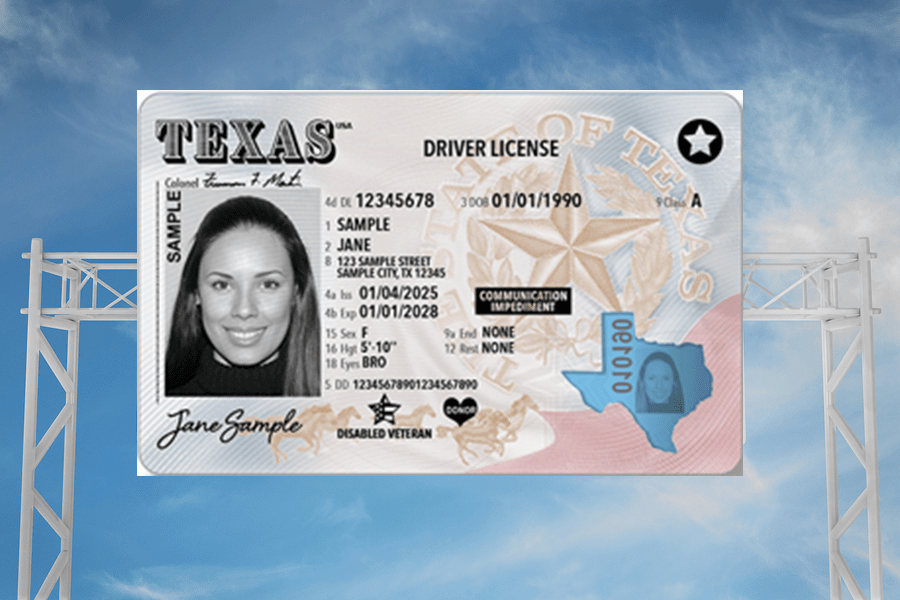
A Texas State ID, officially known as the Identification Card, is a government-issued document that serves as proof of identity for individuals who do not possess a Texas Driver’s License. It’s a crucial document for a multitude of activities, from opening a bank account and picking up prescriptions to accessing certain government services and engaging in travel. Unlike a driver’s license, it doesn’t grant driving privileges but is equally valid as a form of official identification.

The primary issuer of these IDs in Texas is the Texas Department of Public Safety (DPS). The Texas State ID card is designed to be secure, featuring holographic images and other security elements to prevent fraud. It’s a vital component of your personal documentation, offering a convenient and universally accepted way to verify who you are.
Who Needs a Texas State ID?
Several categories of individuals find a Texas State ID particularly useful:
- Non-Drivers: If you don’t drive or don’t have a driver’s license, a State ID is your primary form of official identification. This includes teenagers who are not yet of driving age, seniors who no longer drive, and individuals who rely on public transportation or other modes of travel.
- New Residents: While a driver’s license is often a priority for new residents, a State ID can be obtained sooner if driving isn’t immediately necessary. It helps in establishing residency and accessing local services.
- International Visitors: Some international visitors may find a Texas State ID a useful form of identification during their stay, especially for domestic travel or local transactions where a foreign passport might be inconvenient.
- Proof of Age: For purchasing age-restricted items like alcohol or tobacco, or for entering age-restricted venues, a State ID serves as definitive proof of age.
- Employment: Many employers require a valid government-issued ID for hiring processes, and a Texas State ID fulfills this requirement.
- Accessing Services: From healthcare providers to financial institutions and even certain tourism-related activities, a State ID is often needed to prove identity. For example, when booking a stay at a resort or accessing luxury travel experiences, you might be asked for identification.
Benefits of Having a Texas State ID
Beyond its primary function as identification, a Texas State ID offers several practical benefits:
- Convenience: It’s a compact and easy-to-carry document that eliminates the need to present multiple forms of identification in many situations.
- Security: The security features embedded in the ID card protect against misuse and identity theft.
- Official Recognition: It’s recognized by federal, state, and local government agencies, as well as private businesses across Texas and beyond.
- Access to Services: It simplifies access to a wide range of services, from banking and healthcare to travel and accommodation bookings.
- Proof of Residency: For many purposes, it serves as proof that you are a resident of Texas.
The Application Process: Step-by-Step
Obtaining a Texas State ID involves several distinct steps, from gathering the necessary documents to visiting a Texas Department of Public Safety (DPS) driver license office. Understanding each stage will help you prepare effectively.
Step 1: Gather Required Documents
The most crucial part of the application process is compiling the correct documentation. The Texas DPS requires proof of identity, Texas residency, and your Social Security number. You will need to present original documents or certified copies.
Proof of Identity
You must provide one primary document that proves your identity. Acceptable primary documents include:
- U.S. Birth Certificate: This must be a certified copy issued by a U.S. state, county, or municipality.
- Valid U.S. Passport: An unexpired U.S. passport book or card.
- Foreign Passport with Visa: A foreign passport with an unexpired U.S. visa and I-94 form.
- Certificate of Citizenship or Naturalization: Form N-560, N-561, N-445, N-400, or N-405.
- Permanent Resident Card: A valid Permanent Resident Card (Form I-551).
Proof of Social Security Number (SSN)
You need to provide proof of your Social Security number. Acceptable documents include:
- Social Security Card: The original card.
- W-2 Form: A wage and tax statement from your employer.
- 1099 Form: A tax form issued by payers of certain income.
- Pay Stub: With your full name and SSN.
- SSA-1099 Form: A Social Security Administration form.
Proof of Texas Residency
You will need to provide two different documents, each from a different source, that show your Texas address. These documents must be current and clearly display your name and Texas address. Examples of acceptable residency documents include:
- Utility Bills: Electricity, water, gas, or internet bills.
- Lease Agreements or Mortgage Statements: For your current residence.
- Bank Statements: From a Texas financial institution.
- Insurance Policies: Homeowner’s or renter’s insurance policies.
- Voter Registration Certificate: Issued by a Texas county.
- Mail from Government Agencies: Such as the IRS or Texas Workforce Commission.
- Employment Verifications: Letters from your employer stating your address.
- School Transcripts or Report Cards: For minor applicants, from a Texas school.
- Hospital or Medical Bills: Dated within the last year.
It’s crucial to check the official Texas DPS website for the most up-to-date list of acceptable documents, as requirements can occasionally change.
Step 2: Complete the Application Form
Before your visit, you can often pre-fill the driver license application form online. This can save you time at the DPS office. The application will ask for personal information, including your name, address, date of birth, and other identifying details. Ensure all information is accurate and matches the documents you will be presenting.
Step 3: Schedule an Appointment (Recommended)
While walk-ins are sometimes accepted, it is highly recommended to schedule an appointment at a Texas DPS driver license office. This will significantly reduce your waiting time. You can typically schedule appointments online through the Texas DPS website.
Step 4: Visit a Texas DPS Driver License Office
On the day of your appointment, arrive a few minutes early. Bring all your original documents with you. You will:
- Submit Your Application and Documents: A DPS representative will review your documents to ensure they meet the requirements.
- Have Your Photograph Taken: Your photograph will be taken for the ID card.
- Provide Your Fingerprint: A fingerprint scan is usually required.
- Pay the Fee: There is a fee for the Texas State ID card. The amount can vary slightly, so it’s best to check the current fee schedule on the Texas DPS website. Payment methods accepted typically include cash, check, money order, and credit/debit cards.
- Receive a Receipt: You will be given a receipt that serves as your temporary identification until your permanent card arrives in the mail.
Step 5: Receive Your Texas State ID Card
After your application is processed, your Texas State ID card will be mailed to the address you provided. This typically takes a few weeks. Once received, carefully check that all the information on the card is correct. If there are any discrepancies, contact the Texas DPS immediately.
Special Considerations for Minors and Non-U.S. Citizens
The process for obtaining a Texas State ID may have slight variations for minors and individuals who are not U.S. citizens.
For Minors (Under 18 Years Old)
Minors applying for a Texas State ID will need additional documentation and parental/guardian consent.
- Proof of Identity: A U.S. birth certificate or a valid U.S. passport is typically required.
- Proof of SSN: Same as for adults.
- Proof of Texas Residency: Two documents showing the parent/guardian’s Texas address will suffice.
- Parental/Guardian Presence: A parent or legal guardian must accompany the minor to the DPS office.
- Parental/Guardian Identification: The accompanying parent or guardian must present their own valid government-issued photo ID.
- Proof of Relationship: Documents like a birth certificate naming the parent/guardian or court orders establishing guardianship may be required.
For Non-U.S. Citizens
Individuals who are not U.S. citizens may also be eligible for a Texas State ID, provided they can demonstrate lawful presence in the United States.
- Proof of Identity and Lawful Presence: This will typically include documents such as:
- A foreign passport with an unexpired U.S. visa and I-94 form.
- A Permanent Resident Card (Form I-551).
- Employment Authorization Card (Form I-766).
- Valid foreign passport with USCIS documentation.
- Proof of SSN: If applicable, or documentation showing ineligibility for an SSN.
- Proof of Texas Residency: Two documents are still required to establish Texas residency.
It is essential for non-U.S. citizens to consult the Texas DPS website for the most precise requirements related to their specific immigration status, as the list of acceptable documents can be extensive and vary.
Maintaining and Using Your Texas State ID
Once you have your Texas State ID, it’s important to understand its validity period and how to use it appropriately.
Expiration and Renewal
A Texas State ID is typically valid for a period of six years. Before it expires, you will need to renew it to continue using it as valid identification. The renewal process is similar to the initial application, often requiring a visit to a DPS office, updated documentation, and a renewal fee. Plan to renew at least a month before your current ID expires to avoid any lapses in your identification.
Replacing a Lost or Stolen ID
If your Texas State ID is lost or stolen, you should report it to the Texas DPS as soon as possible. You will need to apply for a replacement ID. The process generally involves completing an application, providing proof of identity and Texas residency, and paying a replacement fee.
Using Your ID for Travel and Lifestyle
Your Texas State ID is a valuable tool for various aspects of life in Texas.
Travel Experiences
When planning your travel adventures, whether it’s a weekend getaway to Austin or a longer excursion to a national park like Big Bend, your State ID is essential. It’s often required for:
- Domestic Flights: While a passport is the primary ID for international travel, a State ID is perfectly acceptable for boarding domestic flights within the United States.
- Hotel Check-ins: When booking a stay at a hotel, resort, or apartment, you will need to present your ID for check-in, especially for verifying your identity and securing your booking. This applies whether you’re looking for a suite in a boutique hotel in San Antonio or a family-friendly resort near Galveston.
- Renting Vehicles: If you plan to rent a car to explore attractions like the Alamo or drive along scenic routes, your State ID is a must.
- Train and Bus Travel: For intercity and intracity transportation, a State ID can be required.

Lifestyle and Activities
Your Texas State ID plays a role in numerous lifestyle choices and activities:
- Accessing Attractions: Many landmarks, museums, and entertainment venues require ID for entry or for age verification.
- Financial Transactions: Opening bank accounts, cashing checks, and applying for credit all require a valid government-issued ID.
- Purchasing Alcohol and Tobacco: As mentioned, it’s crucial for proving you meet the legal age requirements.
- Employment and Education: For job applications and enrollment in educational institutions, your ID is often a prerequisite.
- Leisure Activities: Even for renting equipment or participating in certain recreational activities, your ID might be requested.
By understanding and following these guidelines, you can confidently navigate the process of obtaining and utilizing your Texas State ID, ensuring you have the necessary identification for all your travel, accommodation, and lifestyle needs within the great state of Texas.
LifeOutOfTheBox is a participant in the Amazon Services LLC Associates Program, an affiliate advertising program designed to provide a means for sites to earn advertising fees by advertising and linking to Amazon.com. Amazon, the Amazon logo, AmazonSupply, and the AmazonSupply logo are trademarks of Amazon.com, Inc. or its affiliates. As an Amazon Associate we earn affiliate commissions from qualifying purchases.