
Navigating the bureaucratic landscape of any state can feel like a daunting task, especially when you’re trying to settle into a new place or simply need official identification for various purposes. For those residing in or planning an extended stay in the Lone Star State, understanding how to obtain a Texas State ID is a crucial step. While often overshadowed by the more commonly sought-after Texas Driver’s License, a state ID card serves as vital proof of identity for a multitude of situations, from accessing certain services to enjoying local attractions. This comprehensive guide will demystify the process, ensuring you can confidently acquire your Texas State ID, whether you’re a seasoned traveler exploring new horizons or a long-term resident establishing your roots.
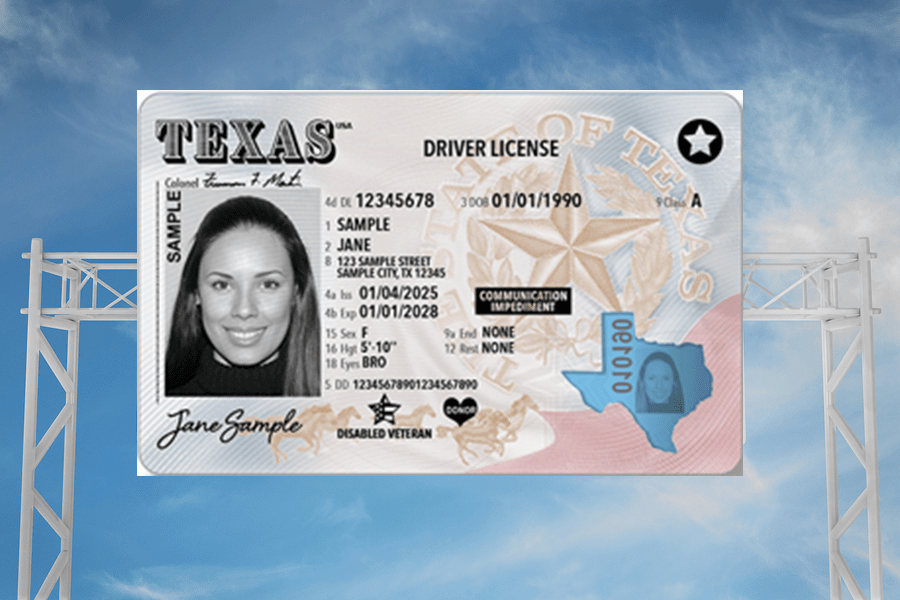
The Texas Department of Public Safety (DPS) is the governing body responsible for issuing both driver’s licenses and state identification cards. While the application process shares many similarities with obtaining a driver’s license, the key difference lies in the purpose: a state ID is for identification only and does not grant driving privileges. This makes it an ideal document for individuals who do not drive or who already possess a valid driver’s license from another state and require a secondary form of identification for specific needs within Texas.
Understanding the Texas State ID: Purpose and Eligibility
Before embarking on the application journey, it’s essential to grasp the fundamental role of a Texas State ID. This official identification card is recognized statewide and serves as a primary document for proving your identity and age. Its applications are diverse and can impact your experience across Texas.
Who Needs a Texas State ID?
The Texas State ID card is designed for a broad range of individuals. Its utility extends beyond just residents; many visitors find it incredibly useful for various reasons.
- New Residents: If you’ve recently relocated to Texas and are not yet ready or eligible for a driver’s license, a state ID provides you with a valid form of identification for essential tasks. This can include opening bank accounts, applying for jobs, accessing healthcare services, and even enjoying some of the state’s renowned cultural landmarks.
- Non-Drivers: For individuals who do not drive, whether by choice or necessity, the Texas State ID is the official document for proving identity. This is crucial for daily life, from picking up prescriptions to engaging in activities that require age verification.
- Visitors and Travelers: While not always mandatory for short visits, a Texas State ID can be beneficial for extended stays or for those seeking to engage in activities that require official identification. Imagine wanting to book a suite at the luxurious The St. Regis Houston or explore the historic The Alamo in San Antonio without needing your passport. A state ID can offer a more convenient and secure option. It can also be useful for accessing certain amenities at resorts or for proving your identity when checking into hotels if you prefer not to carry your passport.
- Seniors and Students: The Texas State ID is particularly valuable for senior citizens who may no longer drive, providing them with a convenient way to identify themselves. Students, especially those from out of state attending Texas universities, might also find it useful for various administrative purposes or for accessing student-specific discounts and services.
- Individuals with Out-of-State Driver’s Licenses: If you hold a valid driver’s license from another state but are currently residing in Texas, obtaining a Texas State ID can be a practical step. It provides a local identification document that is recognized within the state, which can simplify interactions with local businesses and government agencies.
Key Benefits of Holding a Texas State ID
The advantages of possessing a Texas State ID are numerous and can significantly enhance your experience in the Lone Star State.
- Proof of Identity and Age: This is its primary function, essential for almost any official transaction or activity requiring verification.
- Access to Services: Many services, including banking, employment, and healthcare, require valid identification. A Texas State ID fulfills this requirement.
- Age-Restricted Activities: From enjoying the vibrant nightlife in Austin to purchasing age-restricted items, your state ID is your key.
- Travel Convenience: While traveling internationally, your passport is paramount. However, domestically, a Texas State ID can be a more convenient form of identification for various travel-related needs, such as boarding some domestic flights (though a passport is generally preferred for TSA screening) or when interacting with local authorities. It can also be useful for hotel check-ins, especially if you’re staying at unique accommodations like a boutique hotel in Marfa or a luxury apartment in Dallas.
- Security: Carrying a state ID can be more secure than carrying your passport regularly, especially when exploring popular tourist spots like Galveston Island Historic Pleasure Pier.
- Local Exploration: When exploring local culture, attending events, or participating in activities that require proof of identity, your Texas State ID streamlines the process. This could be anything from visiting a local art gallery to attending a festival in Houston.
The Application Process: Step-by-Step to Your Texas State ID
Obtaining a Texas State ID involves a structured process managed by the Texas Department of Public Safety (DPS). It’s designed to be straightforward, provided you have the necessary documentation and understand the requirements. The key to a smooth application lies in preparation.
Step 1: Gather Your Essential Documents
This is arguably the most crucial step. The DPS requires specific documents to verify your identity, social security number, and Texas residency. Failure to provide the correct documentation will result in delays or denial of your application.
-
Proof of Identity: You will need at least one primary identification document. Acceptable primary documents include:
- A U.S. Citizenship and Immigration Services (USCIS) Form I-151, I-551, or I-551-ER (Permanent Resident Card).
- A U.S. Passport or U.S. Passport Card.
- A U.S. Department of State Form DS-1350, I-797, or I-94 with the annotation “D-2” or “D-3” or other valid immigration documents.
- A U.S. Department of Homeland Security (DHS) Form I-94 with required immigration documents.
- An original or certified copy of your birth certificate (U.S. or foreign).
- A foreign passport.
- A Texas Driver’s License (if you are a Texas resident).
-
Proof of Social Security Number: You must provide evidence of your Social Security number. Acceptable documents include:
- A Social Security card.
- A W-2 form.
- A 1099 form.
- A pay stub with your name and Social Security number.
- An SSA-1099 form.
-
Proof of Texas Residency: You will need to present at least two documents that show you reside in Texas. These documents must display your name and Texas address. Examples include:
- Utility bills (electricity, gas, water) dated within the last 90 days.
- Bank statements or credit card statements dated within the last 90 days.
- Mortgage statements or rent/lease agreements.
- Insurance policies (homeowner’s, renter’s, auto).
- Voter registration card.
- Current Texas vehicle registration or title.
- A letter from a homeless shelter or halfway house if you are experiencing homelessness.
- Mail from a federal or state agency.
It is highly recommended to visit the official Texas DPS website for the most current and exhaustive list of acceptable documents. Ensure all documents are originals or certified copies, as photocopies are generally not accepted.
Step 2: Complete the Application Form

Before your visit to the DPS office, you can expedite the process by completing the Application for Texas Identification Certificate. This form is available for download from the Texas DPS website. Filling it out in advance will save you time at the office. Ensure you fill it out accurately and completely.
Step 3: Schedule an Appointment and Visit a DPS Office
While walk-ins may be accommodated, scheduling an appointment at a Texas DPS Driver License office is strongly advised. This will significantly reduce your wait time. You can schedule an appointment online through the Texas DPS website.
On the day of your appointment, arrive on time with all your original or certified documents and the completed application form. At the office, a DPS representative will review your documents, verify your identity, and process your application. You will also have your photograph taken for the ID card, and your fingerprints will be scanned.
Step 4: Pay the Fee and Receive Your ID
There is a fee associated with obtaining a Texas State ID. The amount can vary slightly, so it’s best to check the current fee schedule on the Texas DPS website. Payment is typically accepted in the form of cash, check, money order, or credit/debit card.
Once your application is approved and the fee is paid, you will be issued a temporary Texas State ID card. Your permanent Texas State ID card will be mailed to your Texas address within a few weeks.
Navigating Specific Scenarios and Additional Tips
The process of obtaining a Texas State ID can sometimes involve specific circumstances or require a bit of extra knowledge to ensure a smooth experience. Whether you’re a student, a senior, or facing a particular documentation challenge, understanding these nuances can be highly beneficial.
Traveling with Children and Applying for Their IDs
If you are traveling through Texas with children and need to apply for a state ID for them, the process is similar but with some key differences. For minors, a parent or legal guardian must be present to provide consent and additional documentation.
- Proof of Identity for the Child: This can include a birth certificate, passport, or adoption decree.
- Proof of Social Security Number for the Child: A Social Security card or other acceptable documentation.
- Proof of Parental Relationship: This is typically established through the child’s birth certificate listing the parent’s name or a court order of adoption.
- Parent/Guardian’s Identification: The accompanying adult will need to present their own valid identification, such as a Texas Driver’s License or state ID.
It’s always a good idea to check the Texas DPS website for the most up-to-date requirements regarding minor applications. This is particularly important for families planning extended stays, perhaps at a family-friendly resort in the Texas Hill Country or a vacation rental near Big Bend National Park.
Lost or Stolen ID: Replacement Procedures
Losing your Texas State ID can be a stressful experience, but replacing it is a relatively straightforward process. You will need to follow a similar procedure to the initial application.
- Report the Loss: If your ID was stolen, it’s advisable to report the theft to your local law enforcement agency.
- Visit a DPS Office: You will need to visit a Texas DPS Driver License office.
- Complete a New Application: You will likely need to complete a new application for an Identification Certificate.
- Provide Required Documents: You will need to provide updated proof of identity, Social Security number, and Texas residency, similar to your original application.
- Pay the Replacement Fee: There is a fee for a replacement ID card.
It is essential to act promptly if your ID is lost or stolen to prevent potential misuse.

Tips for a Smooth Application Experience
- Check the Official Website: Always refer to the official Texas DPS website for the most current information on required documents, fees, and office hours. Requirements can change, and the website is your most reliable source.
- Organize Your Documents: Before your appointment, meticulously gather and organize all your documents. Ensure they are in good condition and readily accessible.
- Consider Online Services: While you cannot complete the entire ID application online, the DPS offers various online services, including appointment scheduling and form downloads, which can streamline your visit.
- Be Prepared for the Photo: Your photo will be taken at the DPS office, and it will appear on your ID card. Dress appropriately if you wish to have a good photograph.
- Be Patient: The DPS offices can get busy, even with appointments. Be prepared for potential wait times and remain patient and courteous.
By understanding the requirements, preparing thoroughly, and following these steps, you can efficiently obtain your Texas State ID, opening doors to various opportunities and experiences across the Lone Star State, from exploring the bustling streets of Houston to enjoying the natural beauty of Big Bend Ranch State Park. Whether you’re a traveler seeking an official identification document for your adventures or a resident solidifying your local presence, the Texas State ID is a valuable asset.
LifeOutOfTheBox is a participant in the Amazon Services LLC Associates Program, an affiliate advertising program designed to provide a means for sites to earn advertising fees by advertising and linking to Amazon.com. Amazon, the Amazon logo, AmazonSupply, and the AmazonSupply logo are trademarks of Amazon.com, Inc. or its affiliates. As an Amazon Associate we earn affiliate commissions from qualifying purchases.